REVIEW · ISLAMABAD
Karakorum Highway (Old Silk Route) Trip -12 Days
Book on Viator →Operated by Hunza Trek & Tours · Bookable on Viator
The Karakoram Highway can feel unreal. This 12-day road trip through northern Pakistan turns Karakorum scenery into a real plan, with a glacier trek, classic forts, and local community time. What I liked most: the slow-human touches (village meet-and-greets and local-school outreach) and the way you get guided stops instead of just staring at a map. One thing to plan for: the days are long, often with early starts, and weather can affect views.
If you like travel that mixes big sights with human-scale moments, this fits. The people running it are based in the Hunza Valley and focus on hospitality plus experience, not just checklists. You’ll also get practical guidance along the way—helpful if you’re new to Pakistan’s routes.
Price-wise, the $1,999 per person is easiest to judge by what’s included: private air-conditioned transport, meals across the trip, and key admission items (plus boating). It’s not a budget hop-on bus tour, but it’s also not a luxury-only bubble either.
In This Review
- Key Highlights Worth Booking For
- Price and What You’re Really Paying For
- Getting Your Bearings: Flights, Timing, and a Sensible Start
- Day 1 in Islamabad: The Centaurus as Your Easy First Night
- The Karakoram Highway to Chillas: Long Drive, Big Payoff
- Indus-Gilgit Confluence and the Nanga Parbat View Angle
- Phander Valley and Phander Lake: A Relaxed Nature Day
- Hunza Valley Essentials: Old Silk Route View Point and Baltit Fort
- Khunjerab National Park Area Day: Attabad Lake, Passu Cones, and Sost Market
- Hooper Glacier Trek and Nagar Views: One of the More Active Days
- Walking Hunza Villages and the Traditional Night
- Nagar Valley by Jeep: Diran Peak Views and Sumayar Stops
- Rakaposhi View Point and the Gilgit City Market Stop
- The Return Loop: Shatial Bazar, Then Islamabad’s Iconic Finishes
- Guides and the Human Side: Where the Trip Really Wins
- Who This Tour Suits (and Who Might Want a Different Style)
- Final Thoughts: Should You Book This Karakoram Highway Trip?
- FAQ
- Where does the tour start and end?
- How long is the trip?
- Is pickup included?
- What’s included in the price?
- Are international flights included?
- Is WiFi provided during the trip?
- What about weather and visibility-dependent stops?
- Is this a private tour?
- Can I cancel for a refund?
Key Highlights Worth Booking For
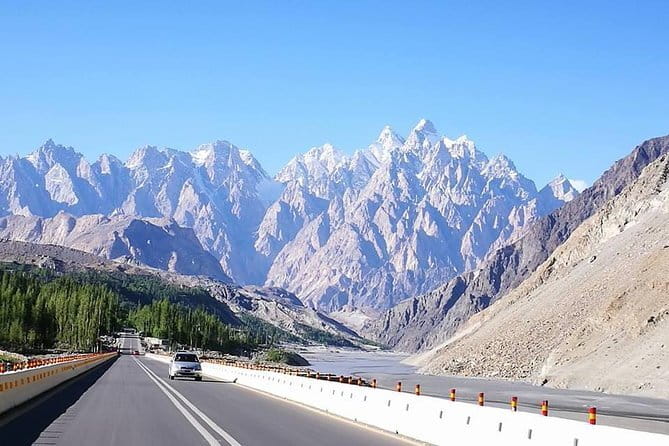
- Karakorum Highway routing with real stop variety instead of one long drive, one photo, and repeat
- Hunza Valley culture time, including music and a traditional dinner
- Glacier trek in Hooper Valley for a more active day, not just sightseeing
- Big north Pakistan landmarks in one loop: Baltit Fort, Khunjerab area, Attabad Lake, Rakaposhi viewpoint
- Local outreach component where you’ll have time to meet communities and visit a local school voluntarily
Price and What You’re Really Paying For
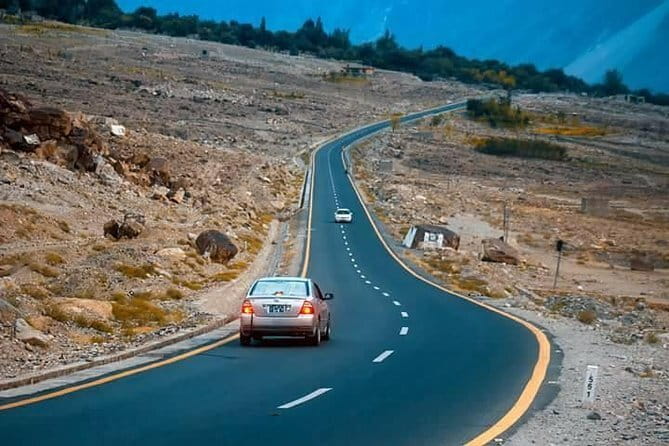
At $1,999 per person, this is a “do-it-right” kind of trip. You’re paying for private, door-to-road logistics: pickup support, an air-conditioned vehicle, and a planned route that takes you from Islamabad all the way toward Khunjerab-style sights. That matters here because north Pakistan isn’t a place where you want to freestyle every turn with limited daylight.
The included meals are also a big part of the value. You get breakfast on 11 mornings plus lunches and dinners across the trip, and soft drinks are included with lunch and dinner. In practice, it reduces the constant “where should we eat” stress, which is a big deal on travel days that can run 10–12 hours.
Other practical inclusions you’ll feel: admission tickets are listed for multiple stops, and boating is included (you’ll likely use it during the lake day). WiFi on board is not included, so if you’re planning heavy work time, expect to go offline.
You can also read our reviews of more tours and experiences in Islamabad.
Getting Your Bearings: Flights, Timing, and a Sensible Start
This trip is built around flight timing, which is why Day 1 and the final day feel slightly flexible. On Day 1, you connect with the group at Islamabad, then head to The Centaurus depending on when you land. If your flight arrives late, dinner at Centaurus is part of the plan; if you arrive earlier, you get time to explore around.
Why this matters: it keeps you from losing the first day to transport confusion. It also means you should book flights that give you a reasonable arrival window, since later starts can squeeze sightseeing time.
One more detail I appreciate: the tour is private—only your group participates. That helps when the route is weather-sensitive, because decisions can be made for your pace rather than forcing everyone into the same mold.
Day 1 in Islamabad: The Centaurus as Your Easy First Night
Your first stop is The Centaurus, a good choice for jet-lag travel. It’s not just a random meal stop—it’s where you can reset fast: food, a chance to walk off the flight, and a calm landing point before the long north drive.
If you arrive after afternoon, you can explore and visit the area around Centaurus. If you arrive late at night, you’ll eat dinner there instead. Either way, it’s a low-friction start.
Practical tip: keep your expectations for Day 1 modest. The real payoff begins once you’re on the road toward the Karakoram Highway.
The Karakoram Highway to Chillas: Long Drive, Big Payoff
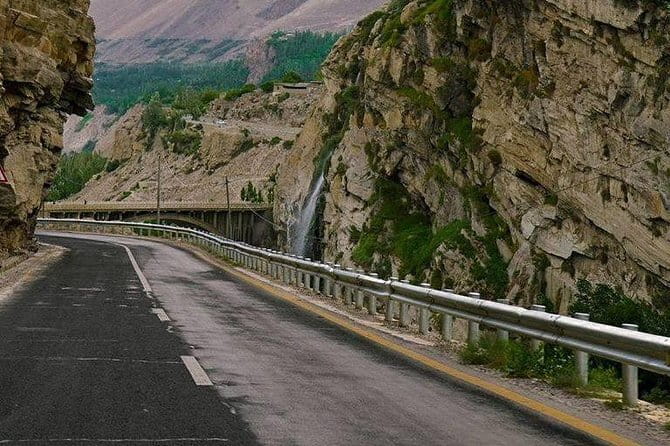
Day 2 is the classic “turn the corner into the north” day. Breakfast is scheduled at 6am in your stay, then you depart around 7am toward Chillas. The drive uses the motorway portion first, then continues along Karakoram Highway-type routing with stops that break up the miles—places like Mansehra, Abbottabad, Batgram, and Besham, among others.
This stretch can feel long, but the value is that it’s paced with meaningful breaks rather than nonstop bus energy. You’re not just doing transit; you’re moving through the geography of Pakistan’s north.
What to watch: the long driving day means you’ll want to pack smart—water, a light layer, and anything you need for comfort during long scenic stretches. If you’re sensitive to motion, plan for that too.
Indus-Gilgit Confluence and the Nanga Parbat View Angle
After you leave the highway rhythm, Day 3 shifts into a higher “wow” gear. You head toward Ghizer, stop for lunch at Resham Restaurant in Jaglot, then reach Gahkuch for the night.
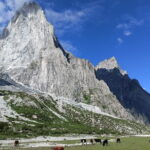
The focus here is junctions and vantage points. You’ll visit the confluence area where the Indus and Gilgit river systems meet, plus view options tied to weather. Nanga Parbat view point is included if the conditions are clear.
This kind of stop is more than a photo moment. River junctions are where the geography starts to make sense—why the valleys look the way they do, and how routes follow water and mountain corridors. It’s also a day where timing and cloud cover can decide what you see, so keep the mood flexible.

Phander Valley and Phander Lake: A Relaxed Nature Day
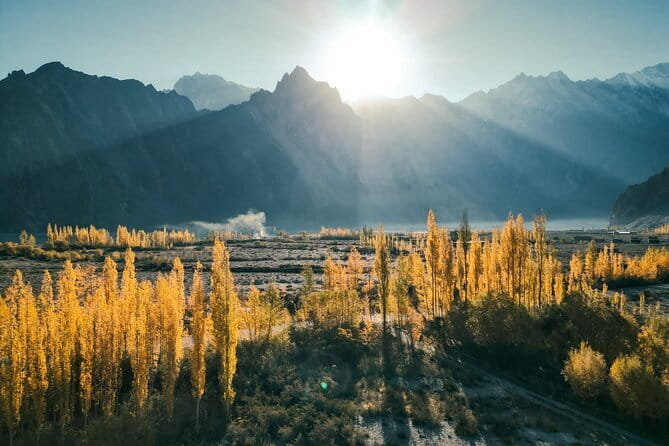
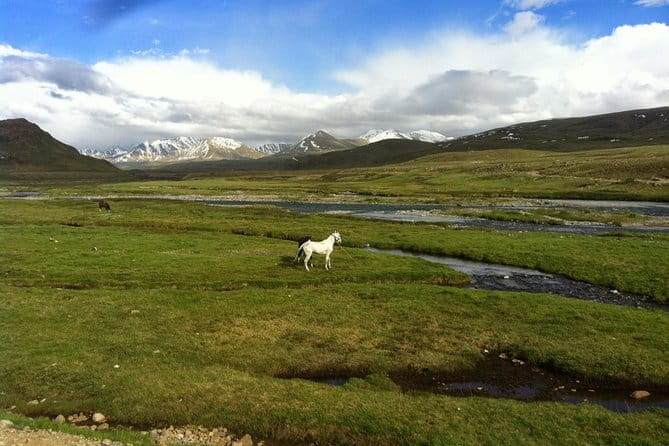
Day 4 is dedicated to Phander Valley and Phander Lake. After breakfast, you head to Phander Valley for wandering and leisure—time for photography and just taking it slow. You’ll also pass through Gupis Valley, with scenic bridges along the way.
You also get a “back to Gilgit” structure, so you’re not trapped in perpetual travel on this day. This is a good reset between the more intense high-drive days and the Hunza-focused stretch.
Possible drawback: if you’re the type who hates “leisure time” and wants constant movement, this day might feel slower. But if you like walking, framing photos, and catching a calmer mood, this is the one that helps you enjoy the trip instead of just surviving it.
Hunza Valley Essentials: Old Silk Route View Point and Baltit Fort
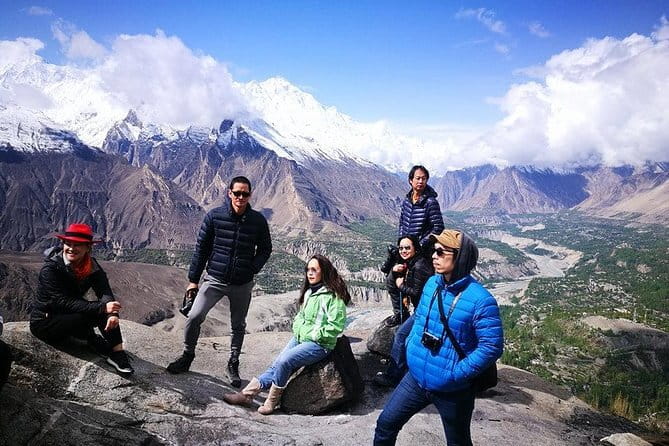
Day 5 brings you into Hunza Valley. You visit the Old Silk Route view point first—an important thematic anchor because this trip is literally chasing the old trading routes by road.
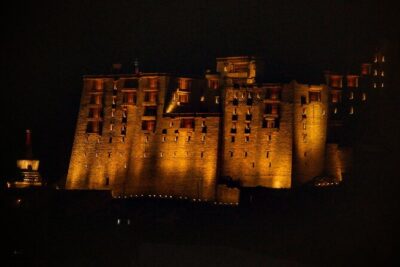
After that, there’s a short stop and lunch at Rakasposhi view point, then Baltit Fort. Baltit Fort is a strong cultural stop: a place where you can connect the region’s geography to how people built, lived, and defended communities.
What I like about this day is balance: viewpoint, food, and then a fort. It prevents the common problem of only doing “pretty views” with no cultural grounding.
Khunjerab National Park Area Day: Attabad Lake, Passu Cones, and Sost Market
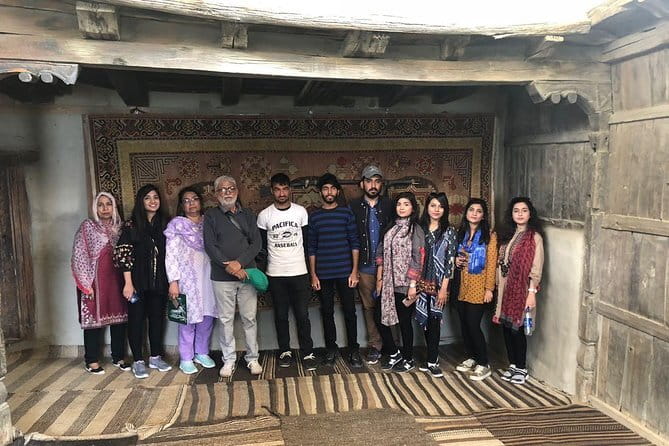
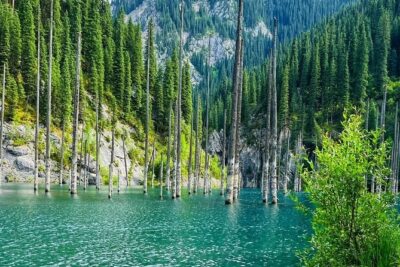
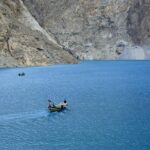
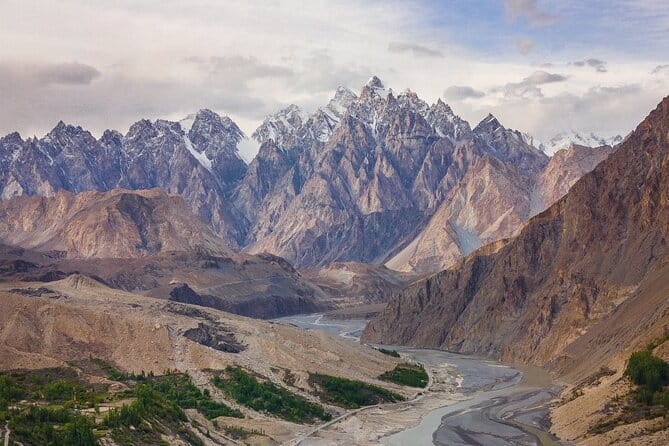
Day 6 pushes toward the Khunjarab pass area with a series of specific stops: Attabad Lake, Passu cones, and lunch at Passu Tourist Lounge. You also check out Sost Market and cross the Hussaini suspension bridge before heading back to Atta’abad.
This day is a great example of why the trip is more than driving. Each stop offers a different kind of visual. Attabad Lake brings that dramatic water-and-rock vibe. Passu cones are sharper and more “mountain geometry.” The suspension bridge gives you a quick adrenaline moment without making the day a full trek.
You’ll notice there’s a 1-hour entry ticket item listed as free—so expect at least one stop where you’re not paying extra on the ground.
Hooper Glacier Trek and Nagar Views: One of the More Active Days
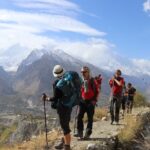
Day 7 is a true highlight for people who want legs, not just seats. You travel to Hooper Valley and trek to Hooper Glacier, then return to Hunza. The plan is described as a trek to the glacier and back, not a multi-day mountaineering event—but it’s still the kind of day that makes you feel like you earned the scenery.
After the trek, you visit Ganish Village (described as around 1000 years old and called the first settlement of Hunza), Atit Fort (listed as around 900 years old), and Dukair, the top area of Hunza for the best views of peaks like Rakasposhi, Diran, Golden, Ulter, and Lady Finger. Dukair is also described as a top sunset and sunrise view point.
Why this day matters: it gives you a physical connection to the region. If you’ve been sitting in a vehicle for days, your body gets a reset.
What to consider: glacier trek days are weather-dependent. Even when the trek is planned, conditions can change what’s safe and comfortable.
Walking Hunza Villages and the Traditional Night
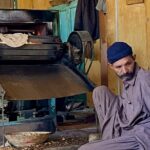
Day 8 is where the trip becomes personal. You do a walking tour around villages, meet and greet the local community, and spend time for leisure and photography. Then you get traditional music and dinner with traditional dishes.
This is also where I’d pay attention to the “family feel” angle that shows up in reviews. One reason I value community time: it turns your trip from scenery consumption into real cultural understanding, even in small moments—how people talk, what they’re proud of, and what daily life looks like.
If you prefer only major tourist sights and nothing else, you might find this day a bit more emotional than expected—but that’s usually a good sign.
Nagar Valley by Jeep: Diran Peak Views and Sumayar Stops
Day 9 focuses on Nagar Valley. After breakfast, you take a jeep ride to Sumayar, then visit Mamu Har / Sumayar Bar. You also get viewpoint time for Diran Peak and views over colorful Hunza from Nagar.
This is another day where you’re not just watching from one spot. You’re moving between vantage points, and jeep transport helps you access areas you might otherwise miss.
Practical note: jeeps can be bumpy, even when the plan is comfortable. If you have back or knee issues, this is the day to be mindful.
Rakaposhi View Point and the Gilgit City Market Stop
Day 10 moves you toward Chillas again, with a stop in Gilgit City. You visit the Rakaposhi view point and also see the famous NLI Bazar.
This is a smart “bridge day” back into highway travel: you still get one major viewpoint moment, then you shift to markets and city energy before another long drive.
What to consider: bazar time is short by design in a route like this. If you want serious shopping or hours of browsing, you may not get it here—but you will get a feel for the local market rhythm.
The Return Loop: Shatial Bazar, Then Islamabad’s Iconic Finishes
Day 11 heads back to Islamabad, with a stop in the way at Shatial Bazar, described as an archeological site. You’ll continue onward and reach the capital area for the next day.
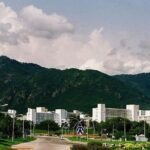
Day 12 finishes with Islamabad essentials: Faisal Mosque, Pakistan Monument, and Margallah Hills. Activities on this day are subject to flight timings, so you should keep some flexibility in your mind if your departure timing is tight.
I like how the ending picks a mix of iconic landmarks and city viewpoints. It closes the trip with recognizable anchors before you fly out.
Guides and the Human Side: Where the Trip Really Wins
One of the strongest themes from feedback is the people running it—especially the guides. I saw a mention of guide Kumail, described as kind and calm, and that matters more than most people think. In mountain travel, calm competence is what keeps plans running when weather shifts or roads take longer than expected.
Also, the operator’s approach includes teaching and learning and making time to meet local people. There’s even a voluntary school component where you’ll spare time to visit local schools and support students through your presence and shared conversations.
It’s the kind of “soft value” you can’t fully measure in photos, but it’s often what makes people say they’d return.
Who This Tour Suits (and Who Might Want a Different Style)
This works best for you if:
- You want a full 12-day circuit with major north highlights and cultural time
- You’re okay with long drive days in exchange for bigger route coverage
- You enjoy meeting locals and don’t treat every stop like a quick drive-by photo
- You want one more active day with the Hooper Glacier trek
It might be less ideal if:
- You hate early mornings and 10–12 hour travel blocks
- You need onboard WiFi to stay functional all day
- You only want short sightseeing with minimal walking and minimal unpredictability
If you’re traveling with limited patience for schedule changes, note the weather dependence and the fact that some view points (like Nanga Parbat) are only included if conditions are clear.
Final Thoughts: Should You Book This Karakoram Highway Trip?
I’d book it if you want north Pakistan as a planned adventure—not just a string of random stops. The combination of Karakorum Highway driving, Hunza culture time, and at least one real trek day makes it feel well-rounded. The included meals and private air-conditioned transport reduce friction, which is a big deal on a route this long.
Before you commit, check your flight timing carefully. Since Day 1 and Day 12 depend on when you land and when you fly, good scheduling helps you actually enjoy the sights instead of rushing through them.
And if you care about travel that connects you to people, not just places, this operator’s local outreach focus is exactly the kind of detail that turns a “tour” into a story you remember.
FAQ
Where does the tour start and end?
The tour starts at Islamabad Intl Airport in Islamabad, Pakistan, and it ends back at the same meeting point.
How long is the trip?
The duration is listed as approximately 12 days.
Is pickup included?
Pickup is offered.
What’s included in the price?
The included items list air-conditioned vehicle, all fees and taxes, soft drinks with lunch and dinner, and meals (breakfast, lunch, dinner). Boating is also included. Admission ticket items are indicated throughout the route.
Are international flights included?
No. International flight tickets are not included.
Is WiFi provided during the trip?
No WiFi on board is included.
What about weather and visibility-dependent stops?
The experience requires good weather. If it’s canceled due to poor weather, you’ll be offered a different date or a full refund. Some viewpoint stops are conditional on clear weather.
Is this a private tour?
Yes. It’s a private tour/activity, and only your group will participate.
Can I cancel for a refund?
Yes, free cancellation is available. You can cancel up to 24 hours in advance for a full refund, with the refund conditions based on the local time of the experience.