REVIEW · ISLAMABAD
Hunza Valley Sightseeing Tour
Book on Viator →Operated by Hunza Explorers · Bookable on Viator
Hunza scenery hits fast. This trip is interesting because you get full meals and lodging handled, plus a guide and driver who stay with you for the whole circuit out of Islamabad. The route packs in the big Hunza hits, from the Karakoram Highway viewpoints to glaciers, border high points, and village scenery.
I really like that the tour is built for low stress: you focus on photos and short walks, while the driving and daily logistics are taken care of in an air-conditioned vehicle. The one drawback to plan for is cost creep on the paid stops, since several key activities have admission fees that are not included.
In This Review
- Quick hits
- Full-board logistics: what you’re buying for $1,860
- Day 1: arriving in Islamabad and getting on the road
- Karakoram Highway days: Nanga Parbat and Rakaposhi views without the chaos
- Khunjerab National Park and Khunjerab Pass: the high-stakes border day
- Passu Glacier hike, Borith Lake, and Hussaini Hanging Bridge: the day you’ll feel in your legs
- Attabad Lake boating and the Hunza ice-and-rock variety on Day 6
- Baltit and Altit Forts: the history stops that don’t feel like museum time
- Babusar Pass and Lulusar Lake: a second mountain rhythm before Naran
- Day 9: Taxila and Islamabad monuments to close the loop
- What’s included versus what to budget for (so you’re not surprised)
- How the guides change the experience: small group attention
- Best fit: who will love this route and who might not
- Should you book Hunza Valley Sightseeing Tour?
- FAQ
- How long is the Hunza Valley Sightseeing Tour?
- Where does the tour start and end?
- Is pickup included?
- What does the tour price include?
- What is not included in the tour price?
- What is the maximum group size?
- Is a mobile ticket provided?
- Does the tour require good weather?
Quick hits
- Full board included: breakfast, lunch, and dinner are covered for most days of the ride
- Small group, max 16: you won’t feel lost in a crowd
- Guide and driver all the way: less backtracking, more time at viewpoints
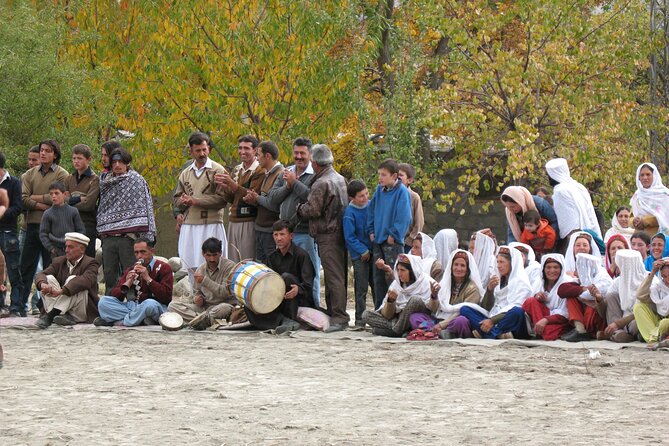
- Big variety in 9 days: glaciers, lakes, forts, a suspension bridge, and Passu Glacier hiking
- Some paid admissions: Khunjerab National Park, border crossing, forts, and a few other sights can add cost
- Ends with Islamabad classics: Taxila museum plus major monument stops before you finish
Full-board logistics: what you’re buying for $1,860
This tour costs $1,860 per person, and that price only makes sense if you care about one thing: time and hassle. In remote northern Pakistan, the main job is moving you efficiently between places, and this package does that with an included air-conditioned vehicle, a dedicated guide, and daily transportation throughout the trip.
On top of that, meals and lodging are covered. You get twin-sharing rooms, and the schedule includes breakfast and dinner for 8 days each, plus lunch for 8 days. That matters more than it sounds. When you’re tired, cold, and sitting in a vehicle for long stretches, you do not want to start hunting for food or negotiating prices with a group.
If you’re the type who likes control, you might feel constrained by the set daily pace. But if you’d rather spend your energy on the scenery and people rather than planning logistics, this is built for you. Also, the group size capped at 16 keeps things from turning into a bus-factory day.
You can also read our reviews of more tours and experiences in Islamabad.
Day 1: arriving in Islamabad and getting on the road
Day 1 is straightforward: you arrive at the airport in Islamabad, and your guide and driver pick you up for the drive to your hotel. That first transfer is small but important. It gets you oriented fast and avoids the common problem of losing time on day one.
It also sets the tone for the whole trip: you’re not swapping guides, re-figuring meeting points, or trying to learn the timing on your own. You’ll have one team guiding the itinerary, which makes the longer drive days feel manageable.
Karakoram Highway days: Nanga Parbat and Rakaposhi views without the chaos
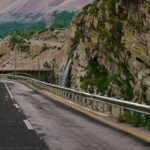
The most practical thing about this tour is how it uses the Karakoram Highway as a sightseeing tool. On Day 2, you drive the highway for about 10 hours. That’s a long day, but it’s also the road that gives you the big mountain framing you came for.
On Day 3, you get two specific viewing targets with short time commitments:
- Nanga Parbat viewpoint from the highway, about 30 minutes
- Rakaposhi View Point, about 1 hour
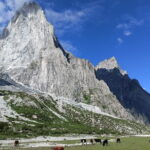
Nanga Parbat is highlighted as the 9th highest mountain on Earth, and Rakaposhi is noted as the 27th highest. You don’t spend all day hiking here. You stop, you look, you photograph, and you keep moving.
Here’s the practical tip I’d give you: use these viewpoint stops to set your camera settings early. Once you start chasing light and weather, settings get messy. Keep your lens clean, swap batteries in advance, and be ready for quick stop timing.
Also, these are free stops in the schedule, which helps with budget planning.
Khunjerab National Park and Khunjerab Pass: the high-stakes border day
Day 4 is built around two high points:
- Khunjerab National Park (about 3 hours), with admission not included
- Khunjerab Pass, the highest paved border crossing connecting Pakistan with China (about 2 hours), also not included
This is the day that tends to feel like the trip’s headline. You’re spending time in a protected area and then hitting the pass itself, so your day has both nature time and the big location moment.
The main consideration is simple: plan for extra fees here. The schedule says Khunjerab National Park and the border crossing are not included. So while most other stops might be free, this is one day where you should keep a little cash buffer for admission-related costs.
Another practical thing: high passes can mean weather changes fast. Even if the day looks clear in the morning, bring a layer that you can add quickly. You’ll thank yourself when clouds move in or the wind picks up.
Passu Glacier hike, Borith Lake, and Hussaini Hanging Bridge: the day you’ll feel in your legs
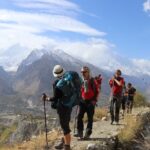
Day 5 is action-heavy, and that’s a good thing if you want more than viewpoints. You start with:
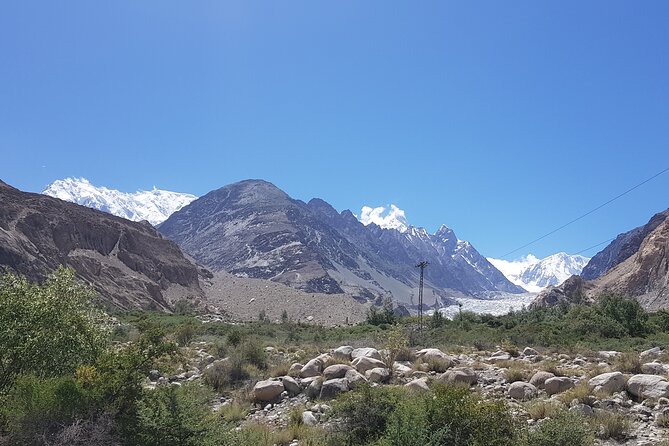
- Passu Glacier hike, about 2 hours (admission ticket included)
Then you mix in short stops that help break the day up:
- Borith Lake (about 30 minutes, free)
- Hussaini Hanging Bridge (about 30 minutes, not included)
- Gulmit village (about 1 hour, free)
- Ghulkin village (about 1 hour, free)
The glacier hike is the one that’s most “you’ll remember it later” content. Two hours doesn’t sound huge, but it’s enough time to feel like you did something, not just parked and looked. And because the glacier ticket is marked as included, you avoid a big pay-or-don’t-pay decision.
The hanging bridge stop is the wildcard for your comfort level. It’s short, but it can feel exposed. If you hate heights, you can still enjoy the area without treating it like a challenge day.
What I like about this day is the rhythm. You get a real walk (glacier), a lake break, then a quick bridge moment, then time with villages. That’s how you end up with more than “wow mountains” photos. You get human scale too.

Attabad Lake boating and the Hunza ice-and-rock variety on Day 6
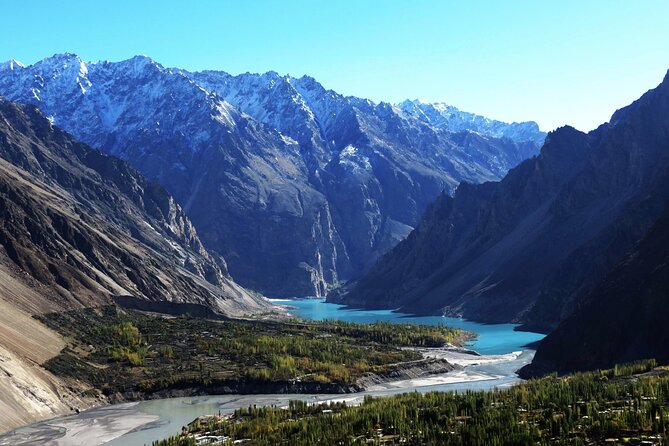
Day 6 keeps the variety rolling. You’ll do:
- Attabad Lake with boating (about 1 hour), not included
- Sacred Rocks of Hunza (about 30 minutes, free)
- Hoper Glacier, NAGAR (about 1 hour, free)
This is one of the more balanced days. The lake gives you slower views and a different feel than pure “rock and snow.” Then the sacred rocks add a cultural layer, even though the stop is short. Finally, the Hoper Glacier keeps the northern cryo-theme going.
Again, the boating has an admission fee attached. The schedule says it’s not included, so budget for it.
Practical note: if you’re a photographer, lake light can be tricky. Use the time to shoot from different angles rather than waiting for one perfect frame. One minute the sun hits the water; the next minute it softens. If you stay flexible, you get better results.
Baltit and Altit Forts: the history stops that don’t feel like museum time
Day 7 is where the trip shifts from pure scenery to built culture. You visit:
- Baltit Fort (about 1 hour, not included)
- Altit Fort (about 1 hour, not included)
- Hunza River sunset from Duiker (about 1 hour, free)
Both forts are highlighted as major Hunza historic sites, and they’re the kind of stop that pays off when you have a guide who can explain what you’re looking at. In the kind of tours this route draws, guides such as Karim, Aziz, Irfan, and Ehsan have been praised for knowing the areas and keeping the day organized and meaningful. That matters because the difference between a good fort stop and a forgettable one is what you learn while you’re there.
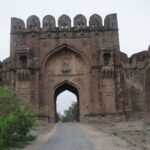
Also, the forts being not included means this day may add costs. But you’ll likely feel it was worth it. Forts let you understand why villages were built where they were—overlooking routes, protecting communities, and controlling movement through the valley.
The sunset over the snow-capped mountains from Duiker is the payoff shot. It’s a simple plan: get there, wait for light to shift, and enjoy the river framing. If you can, bring a small layer for the evening.
Babusar Pass and Lulusar Lake: a second mountain rhythm before Naran
Day 8 is a transition day. You go from Hunza into Naran territory, and the schedule gives you two scenic anchor stops:
- Babusar Pass (about 30 minutes, free)
- Lulusar Lake (about 30 minutes, free)
- Then arrive in Naran and explore around (about 2 hours, free)
This is a good way to prevent “too much driving, too few stops” fatigue. Even though you only spend about 30 minutes at each of those pass/lake stops, the short duration keeps them from turning into waiting games. You see, you shoot, and you keep moving.
Naran is the decompression portion of the day. Two hours to explore around is enough time to stretch your legs and get a feel for the town without turning it into an open-ended city day.
If you want the best photos here, try to coordinate your camera timing with your group’s pacing. People who rush ahead can miss the best light windows, especially when you have a tight schedule.
Day 9: Taxila and Islamabad monuments to close the loop
The last day is about swapping mountain air for history and major city sights. You stop at:
- Taxila museum for about 1 hour (free)
- Faisal Mosque for about 45 minutes (not included)
- Pakistan Monument Museum for about 45 minutes (not included)
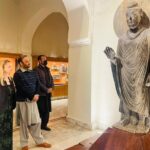
Taxila adds context to Pakistan beyond the mountains. It’s a chance to learn about Gandhara civilization, and it’s a strong contrast to the glacier and fort days before it.
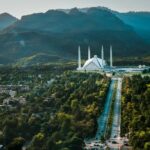
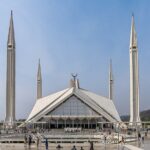
Then you close with Islamabad landmarks. Faisal Mosque and the Pakistan Monument Museum aren’t free on this schedule, so expect fees. The benefit is that you end with well-known sights that are easy to appreciate even if you don’t want a full-day city plan.
It’s also a nice finish emotionally. After days of remote roads, a final day of clear, structured stops feels like a soft landing.
What’s included versus what to budget for (so you’re not surprised)
Here’s the practical breakdown based on what’s spelled out in the tour details:
Included:
- Air-conditioned vehicle
- Tour guide
- Twin-sharing room
- Breakfast (8)
- Lunch (8)
- Dinner (8)
Not included:
- Air tickets
- Insurance
- Several attraction admissions are marked not included, including items like Khunjerab National Park, Khunjerab Pass, Hussaini Hanging Bridge, Attabad Lake boating, Baltit Fort, Altit Fort, Faisal Mosque, and Pakistan Monument Museum.
- Passu Glacier is specifically marked as included for the ticket on that stop.
Free stops appear throughout, including multiple viewpoint moments and village explorations like Gulmit and Ghulkin.
My advice: treat the included meals and lodging as the core value, and treat admissions as your flexible budget category. If you set aside extra money for the paid stops, the tour will feel like a smooth, satisfying package rather than a series of mini add-ons.
How the guides change the experience: small group attention
This is a small-group tour with a max of 16 people, and that’s not just a comfort perk. It affects how your day works. In smaller groups, stops are less chaotic, and your guide can answer questions instead of just herding everyone through.
The vibe around this tour brand has highlighted strong guiding support. People have shared positive experiences with guides like Irfan and Ehsan for organization and on-the-ground knowledge, and with Karim and Aziz for handling details and creating a trip that felt safe and smooth. While guides can’t control weather or roads, they can control how efficiently you move and how well you understand what you’re seeing.
If you like authentic texture, ask your guide about local culture moments when you’re in villages. Even small adds—like a short local home visit—can turn photos into memories.
Best fit: who will love this route and who might not
You’ll probably love this tour if:
- You want a tight, high-impact northern circuit without planning daily logistics
- You prefer having meals and lodging handled
- You enjoy a mix of nature stops and cultural history stops
- You’re comfortable with a packed schedule and some longer driving days (including a day around 10 hours)
You might not love it if:
- You need lots of free time to wander independently each day
- You dislike hiking or bridge-like exposed walks (even if they’re short)
- You hate dealing with extra admissions on select stops, since several key experiences are not included
If you’re traveling as a couple or friends and you like the idea of a small group guided by one driver-guide team, this fits well.
Should you book Hunza Valley Sightseeing Tour?
Book it if you want the Hunza Valley experience built into your calendar, with full-board support and a team that keeps you moving between the best-known mountain moments. The value isn’t just the scenery. It’s the fact that the logistics—transport, lodging, most meals—are handled so you can focus on the trip.
Hold off or choose a different style if you strongly prefer totally independent travel. This itinerary is structured, and several attractions have extra costs you’ll want to budget.
If you do book, do it with a simple mindset: be ready for a busy few days, pack layers for changing mountain weather, and keep your camera charged. This is the kind of trip where you’ll feel like you covered a lot—because you will.
FAQ
How long is the Hunza Valley Sightseeing Tour?
The duration is approximately 9 days.
Where does the tour start and end?
The tour starts and finishes in Islamabad.
Is pickup included?
Yes. Pickup is offered, and the guide and driver collect you at the airport in Islamabad on Day 1.
What does the tour price include?
The package includes an air-conditioned vehicle, a tour guide, twin-sharing accommodation, and meals (breakfast, lunch, and dinner are included for the listed days).
What is not included in the tour price?
Air tickets and insurance are not included, and some attraction admissions are also not included on specific stops.
What is the maximum group size?
The tour has a maximum of 16 travelers.
Is a mobile ticket provided?
Yes, mobile ticket is listed as a feature.
Does the tour require good weather?
Yes. It requires good weather, and if it is canceled due to poor weather you’ll be offered a different date or a full refund.