REVIEW · ISLAMABAD
Explore Hunza Valley Pakistan
Book on Viator →Operated by Exploria · Bookable on Viator
Eight days. Mountains. Real pace.
This Hunza Valley Pakistan trip is built around guided logistics and smart routing, so you spend less time stuck on a long road day and more time seeing the places people travel for. I especially like the mix of highlights that feel spread out in different ways: Baltit Fort and Altit Fort for culture, then glaciers, lakes, and a border-pass day for pure mountain wow.
I also like that you’re not just looking from a bus window. You get stops where you can walk a bit, stretch your legs, and actually enjoy the setting—like the Hoper Glacier area and the lakes where boating and water fun are possible. One thing to consider: some key entrances or activities are listed as not included, so budget a little extra for things like fort access and the Khunjerab National Park stop.
In This Review
- Key Things That Make This Hunza Tour Click
- Starting in Islamabad With Time to Get Ready
- Flying to Gilgit, Then Rolling Into Hunza
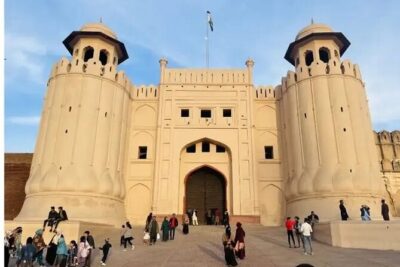
- Baltit Fort and Altit Fort: more than quick ruins
- Eagles Nest Sunset at Duikar Valley
- Day 3: Hoper Glacier (Nagar) and a Walk Through the Ice Channels
- What to consider on glacier day
- Day 4: Attabad Lake, Borith Lake, the Hanging Bridge, and Passu Cones
- Attabad Lake: boating and jet ski time
- Borith Lake: water adventure options
- Hussaini Hanging Bridge: thrill with a price tag
- Passu Cones: quick, photogenic stop
- Day 5: Khunjerab Pass and Khunjerab National Park on a Long Road Day
- Day 6: Karimabad Buffer Time and the Gilgit Return
- Why the Karimabad rest works
- Day 7: Gilgit Airport to Islamabad, Plus Optional City Time
- Day 8: Final Morning in Islamabad and Airport Drop-Off
- Price and Value: What $1,400 Really Buys (and What to Budget)
- Guides, Care, and the Small-Group Advantage
- Who This Hunza Valley Tour Fits Best
- Should You Book This Hunza Valley Experience?
- FAQ
- How long is the Hunza Valley Pakistan tour?
- What is the tour price per person?
- Does the tour include airport pickup and drop-off?
- Are domestic flights included in the itinerary?
- What activities are included around Attabad Lake?
- Are Baltit Fort and Altit Fort admissions included?
- Is the Hussaini Hanging Bridge ticket included?
- What is the cancellation policy?
Key Things That Make This Hunza Tour Click
- Airport pickup plus domestic flights: less marathon driving between major points.
- Small groups (up to 15): easier day flow and more room for questions.
- Historic Hunza forts: Baltit Fort and Altit Fort are both treated as major stops, not quick photo stops.
- Hoper Glacier walking time: you’re given room to hike through the glacier channels before you move on.
- Attabad and Borith Lake breaks: downtime that isn’t just sitting—there’s boating, and even jet ski options at Attabad.
Starting in Islamabad With Time to Get Ready
Your trip begins with an airport arrival pickup in Islamabad International Airport, then check-in at a hotel. Day 1 is built for you to rest and reset instead of rushing straight into mountains. That matters, because the real action starts the next day.
Islamabad also helps you get oriented before your Gilgit-area leg. You’ll have a free window to relax, which is a good move if you’re arriving from overseas and need that buffer night. If you’re the type who likes to move fast, you still benefit from starting calm—the itinerary stays more manageable once you’re not starting tired.
You can also read our reviews of more tours and experiences in Islamabad.
Flying to Gilgit, Then Rolling Into Hunza
On Day 2, you fly from Islamabad area into Gilgit in the morning, then transfer by road into Hunza. The time blocks here are intentionally reasonable: a short flight (about one hour) and then about 1.5 hours on the road to Hunza.
Once you’re there, the day balances culture and views. You check in at your Hunza hotel, visit Baltit Fort and Altit Fort, and then end with sunset at Eagles Nest (Duikar Valley). Sunset timing is a classic in this region because the light on the valley can change fast—so getting to the viewpoint late afternoon is a big part of making the scenery feel dramatic.
Baltit Fort and Altit Fort: more than quick ruins
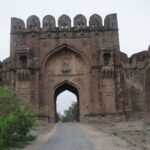
Both forts are described as about 900 years old, and the tour treats them like essential stops. You’ll likely want to slow down here and read what you can. Even if you’re not a hardcore history person, forts like these help explain why settlements were placed where they were, and how Hunza communities built identity around defense, trade, and mountain life.
Important value note: fort admissions are listed as not included. That’s not a deal-breaker, but it does mean your real trip total may land a bit higher than the headline price.
Eagles Nest Sunset at Duikar Valley
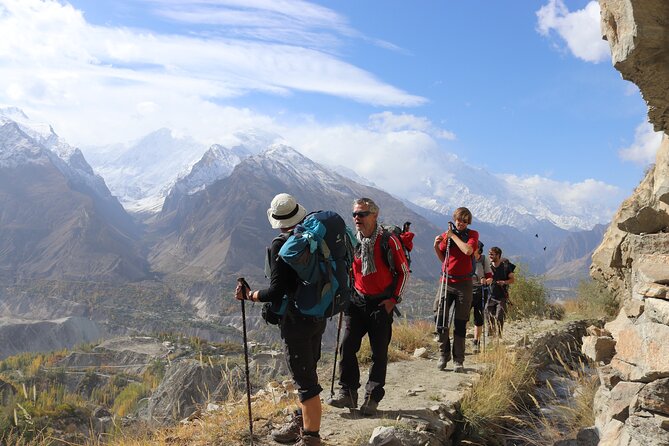
After the forts, you’re set up for sunset at Eagles Nest in Duikar Valley. This is one of those stops that’s mostly about timing and atmosphere. The tour gives you that late-day payoff, instead of scattering it randomly.
Here’s the practical trick: keep expectations flexible. In mountain regions, clouds and haze can affect what you can see at sunset. Still, you’ll generally get an impressive “valley panorama” feel, and that’s what you’re buying this day for.
Day 3: Hoper Glacier (Nagar) and a Walk Through the Ice Channels
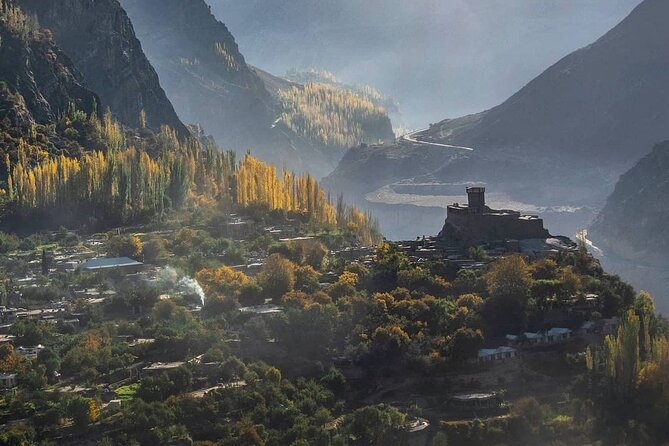
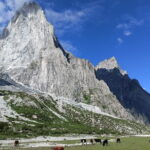
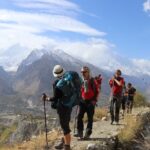
Day 3 shifts from forts and viewpoints to the kind of scenery that feels physical. You go to Hoper Glacier in the Nagar area and spend time exploring Hoper Valley. You’ll visit the glacier, and there’s also free time to hike through the channels around the glacier.
That “channels” detail matters. It suggests you’re not just standing at a single overlook. You get a chance to move on foot in the glacier area, which is where the scale becomes real. Even if you don’t do a long trek, you’ll get that sense of walking in a place shaped by ice.
After that, you return to Karimabad and get free time for rest and immersion in the area, plus an overnight in Karimabad Hunza. That’s a smart staging choice. Rather than cramming more drives right after the glacier, you get a calmer evening to recharge.
What to consider on glacier day
Glacier areas can be cold and uneven. The tour offers you free time to hike around, so you’ll want comfortable walking shoes. Also, keep an eye on your energy—this is the kind of day where you’ll want to sleep well, because the next day switches back to lakes and adventure.
Day 4: Attabad Lake, Borith Lake, the Hanging Bridge, and Passu Cones
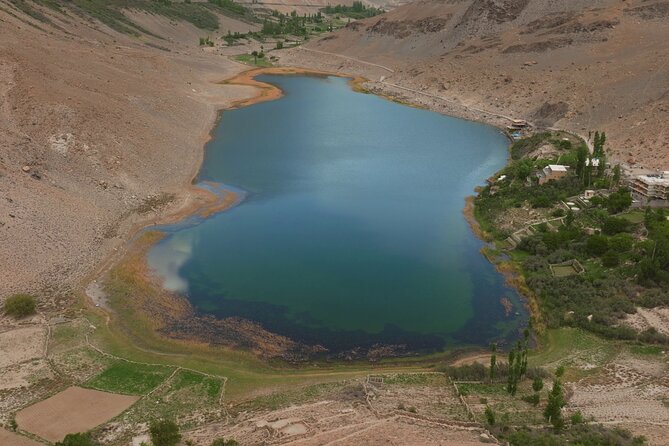
Day 4 is a full visual sampler of northern Pakistan water-and-rock scenery. It hits multiple named stops, each with its own “feel.”
Attabad Lake: boating and jet ski time
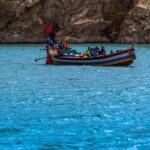
You visit Attabad Lake and then get free time for boating and jet ski. This is one of the days where you can choose your pace. If you’re active, water time is built in. If you just want photos and to enjoy the calm, there’s room for that too.
The tour lists admission for this portion as free, which usually means you’re not paying extra tour-ticket style fees for the base visit. Still, water-activity costs (like jet ski or boating) may be charged separately depending on how you choose to spend your free time, so it’s smart to ask when you’re there.
Borith Lake: water adventure options
Next up is Borith Lake, with free time for boating, rafting, and other water adventures. Again, it’s less about one single “must-do” and more about giving you options. If Attabad is your “wow-by-water” stop, Borith can be your “adventure or chill” stop.
Hussaini Hanging Bridge: thrill with a price tag
Then you go to the Hussaini Hanging Bridge. The tour calls it a scary suspension bridge and gives you about 40 minutes. That description is basically a heads-up: this is the day for adrenaline.
Also, the bridge’s admission is listed as included. That’s good value because suspension bridges often have a separate fee, and you don’t want to be negotiating at the last second.
Passu Cones: quick, photogenic stop
Finally, you make a short stop at Passu Cones—not a long activity day, but a quick burst of distinctive rock formations that are known for their cathedral-like shape. The tour gives you a brief 15 minutes here, so treat it like a “step out, look, shoot, move” kind of stop.
Day 5: Khunjerab Pass and Khunjerab National Park on a Long Road Day
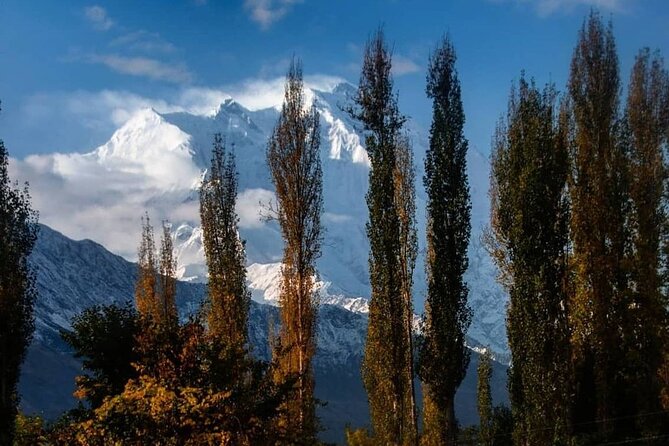
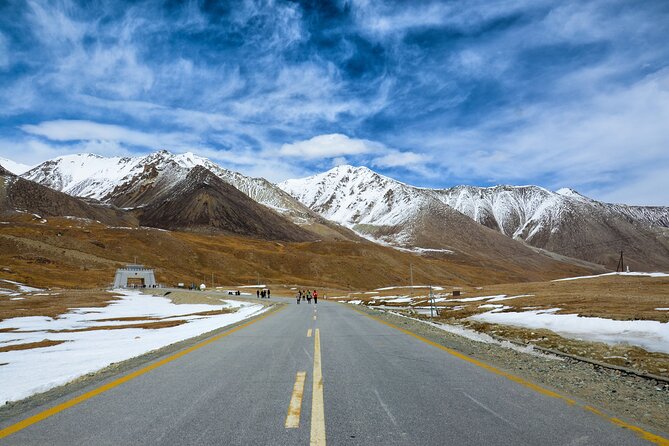
Day 5 is your big driving-and-wild-border day: a road trip to Khunjerab Pass, described as the world’s highest border connecting Pakistan and China. The day is about six hours of travel time, and you also stop to visit Khunjerab National Park on the way.
This is the kind of day that can feel either thrilling or tiring depending on your travel style. If you like long scenery drives, you’ll probably enjoy it. If you prefer frequent stops, you’ll want to manage expectations: this is built as a longer transit block rather than a series of short sightseeing moments.
Value note: admissions for this day are listed as not included. So add that cost into your mental budget. Also, I’d pack for temperature swings and wind—high pass days can change fast.
Day 6: Karimabad Buffer Time and the Gilgit Return
Day 6 gives you a break from the “all-activity” rhythm. You return to Karimabad for rest and to explore upper Hunza, and you also have time for souvenir shopping.
Then you drive back toward Gilgit with stopovers and transfer to your hotel. This day is really about transition. You’re finishing the Hunza portion, so it’s good the schedule includes calmer time in Karimabad instead of rushing directly to the airport area.
Why the Karimabad rest works
That mid-to-late trip pause matters. Many mountain itineraries burn you out by stacking back-to-back “major day” activities. Here, you get one day that feels more like a real place—sleep, wander, shop, eat—before your flights and final city time.
Day 7: Gilgit Airport to Islamabad, Plus Optional City Time
On Day 7 you transfer to Gilgit Airport in the morning, fly back to Islamabad, then get picked up at the Islamabad airport and transferred to your hotel. The itinerary also includes an optional Islamabad city tour.
There’s also a timing note that you’ll drop off at the hotel after dinner. That structure helps you avoid the “what do I do now?” feeling on the final full day.
Day 8: Final Morning in Islamabad and Airport Drop-Off
Day 8 is straightforward: you check out at noon and then get dropped at Islamabad International Airport. Post-accommodation is listed as not included, so if you want extra nights in Islamabad after the tour ends, you’ll need to arrange that on your own.
The upside of a clean finish: you won’t feel stuck extending the trip longer than planned. If you’re heading onward immediately, this itinerary’s final-day timing can make life simpler.
Price and Value: What $1,400 Really Buys (and What to Budget)
The tour price is $1,400 per person for about 8 days. That’s not a low-cost trip, but it’s also not just “scenery on a bus.” You’re paying for guided coordination across multiple regions and for avoiding the kind of punishing, nonstop road travel that can eat whole days in this part of Pakistan.
Here’s how the value breaks down based on what’s included:
- Pickup from Islamabad airport and return drop-off at the end.
- Domestic flights (Islamabad to Gilgit and Gilgit to Islamabad), which is the big time-saver.
- Guided driving segments through Hunza and toward Khunjerab.
- Multiple major named stops: forts, glacier area, two lakes, a hanging bridge, Khunjerab Pass, and national park.
Now the extra-cost reality:
- Baltit Fort and Altit Fort admissions are not included.
- Khunjerab National Park admission is not included.
- Some activities, like boating/jet ski/rafting, are offered as free time options; that doesn’t automatically mean the activity itself is included unless it’s clearly stated.
So the fair way to judge value is this: if you want a packed, guided “greatest hits” Hunza route with fewer long road days, the price makes sense. If you’re trying to keep costs ultra-tight and you’re sensitive to ticket add-ons, you’ll want to plan your extras early.
Guides, Care, and the Small-Group Advantage
A lot of tours promise guidance. This one actually gets praised for it. Past travelers highlighted guides such as Rashid for kindness and good care, and Asif for being an asset throughout the journey. Other named support (like Farid/Fareed in separate experiences) was appreciated for explaining both cultural and nature sides of the trip.
You should treat this as a quality signal, not a guarantee of the exact guide you’ll get. Still, it does tell you the operator clearly invests in people—not just vehicles.
And with a maximum of 15 travelers, you usually get a calmer group dynamic. That matters when you have early starts, changeable timing, and days where you want to ask simple questions like how long you should budget for a view or where to stand for the best photo.
Who This Hunza Valley Tour Fits Best
This is a strong match if you want:
- A guided introduction to Hunza Valley and the wider Gilgit Baltistan region.
- A mix of culture + glaciers + lakes + a border pass day.
- A pace that includes walking time without turning the whole trip into a trek challenge.
It may be less ideal if you:
- Hate long driving blocks (Day 5 is about six hours).
- Have a strict budget and don’t want any extra entry fees (forts and national park admissions are marked not included).
- Prefer fully free, self-paced changes on every day (this route is structured for flow).
Should You Book This Hunza Valley Experience?
If your dream is classic northern Pakistan scenery—Hunza forts, Hoper Glacier channels, Attabad and Borith lakes, a hanging bridge thrill, and Khunjerab Pass—this tour is worth serious consideration. The inclusion of domestic flights and airport transfers is a practical win, and the schedule gives you both active moments and calmer reset time.
Before you book, do two simple checks:
- Budget for the add-on admissions listed as not included (forts and Khunjerab National Park).
- Decide which lake activities you actually want to pay for, since “free time” often means you choose.
If you’re good with that, this itinerary is the kind of organized adventure that helps you see a lot in a reasonable, human way.
FAQ
How long is the Hunza Valley Pakistan tour?
The tour duration is about 8 days.
What is the tour price per person?
The price is $1,400.00 per person.
Does the tour include airport pickup and drop-off?
Yes. You receive guests from Islamabad International Airport and there’s a drop-off at the end in Islamabad.
Are domestic flights included in the itinerary?
Yes. Domestic flights are included to avoid long road trips between key destinations.
What activities are included around Attabad Lake?
You visit Attabad Lake and have free time for boating and jet ski.
Are Baltit Fort and Altit Fort admissions included?
No. Admission tickets for Baltit Fort and Altit Fort are listed as not included.
Is the Hussaini Hanging Bridge ticket included?
Yes. The Hussaini Hanging Bridge admission is listed as included.
What is the cancellation policy?
Free cancellation is available if you cancel up to 24 hours in advance for a full refund.