REVIEW · ASTANA
Astana: Old City Tour, Imperialistic and Soviet Architecture
Book on GetYourGuide →Operated by Discover Astana - Guided Tours · Bookable on GetYourGuide
Soviet walls tell stories you can read. This Old City tour is for people who like their sightseeing with context, not just photos, and I like how the guide ties Soviet-era art to everyday life. Two things I especially enjoy are the time spent with visible mosaics, murals, and sculptures, and the way the expert guide shares real-life Soviet anecdotes. One possible drawback: this isn’t about modern showpiece landmarks, so if you only want the biggest icons, you might feel slightly less satisfied.
I also like the pacing. You get short guided segments, plenty of photo stops, and visits to lesser-known spots, which makes the Soviet leftovers feel like a living layer of the city rather than a quick history lesson. The tour runs out of Nur-Sultan and uses a comfortable car with hotel pickup and drop-off, so you spend less time navigating and more time looking closely.
In This Review
- Soviet Architecture in Astana: What This Tour Is Really For
- Key Moments You’ll Notice on the Route
- 4 Hours That Move, Without Feeling Like a Sprint
- Pickup, Car Comfort, and What to Bring for Cold or Cloudy Weather
- The Guided Segments: How the Story Gets Told
- Soviet Mosaics, Murals, and Sculptures: What You’re Supposed to See
- Historic Neighborhood Visits: Soviet Leftovers in a City That Moved On
- Photo Stops That Actually Help You Understand
- Guide Quality: Why Anecdotes Beat Facts-Only Tours
- Price and Value: Is $50 for 4 Hours Fair?
- Who Should Book This Soviet Old City Tour?
- Should You Book This Astana Old City Soviet Architecture Tour?
- FAQ
- How long is the Astana Old City Tour?
- How much does the tour cost?
- Where does pickup happen?
- What languages is the live guide available in?
- Is this tour a private group?
- Is the tour wheelchair accessible?
- What is included in the price?
- Is a meal included?
- What should I bring?
- Can I cancel and get a refund?
- Do I have to pay immediately?
Soviet Architecture in Astana: What This Tour Is Really For
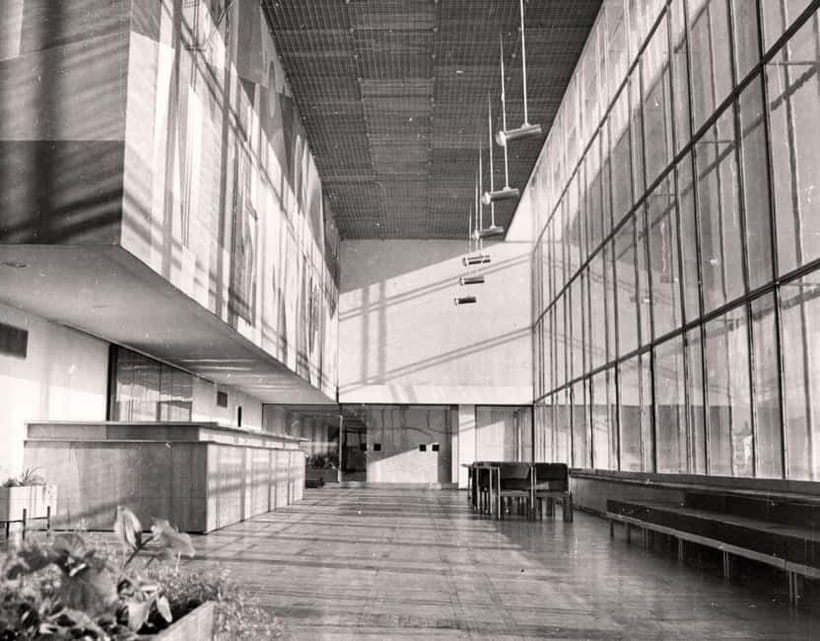
This is a Soviet heritage tour that treats architecture like evidence. You’re not just seeing old buildings; you’re learning what symbols were meant to communicate, and how that design shaped daily routines. Soviet-era design is often bold about ideology, and you’ll notice it in the way murals and mosaics try to tell you what to believe, not just what to decorate.
The tour focuses on remnants of Astana’s socialist past, with stops in historic neighborhoods and sites farther from the usual tourist checklist. In a city that also has a modern identity, that contrast matters. It helps you understand why certain areas feel left behind, why others were renovated, and why the Soviet visual language still pops out when you know where to look.
The highlights call out mosaics, murals, and sculptures, and that’s exactly the angle you should expect. The art isn’t there for decoration; it’s there to explain a worldview, in color, scale, and symbolism.
Key Moments You’ll Notice on the Route
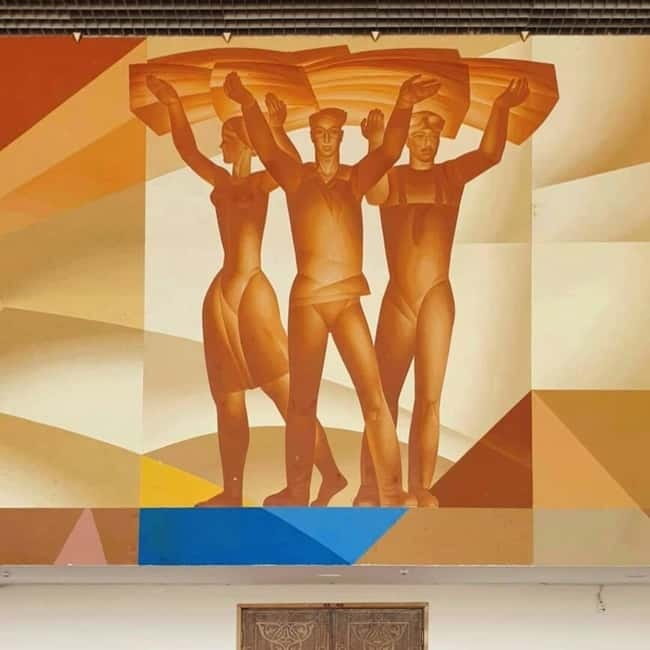
- Mosaics, murals, and sculptures that carry messages, not just visuals
- Photo-stop timing that helps you get angles without rushing
- Historic neighborhoods showing how the city changed over time
- Lesser-known sites that you’d likely miss on your own
- English or Russian live guiding with plenty of on-the-ground stories
You can also read our reviews of more tours and experiences in Astana.

4 Hours That Move, Without Feeling Like a Sprint
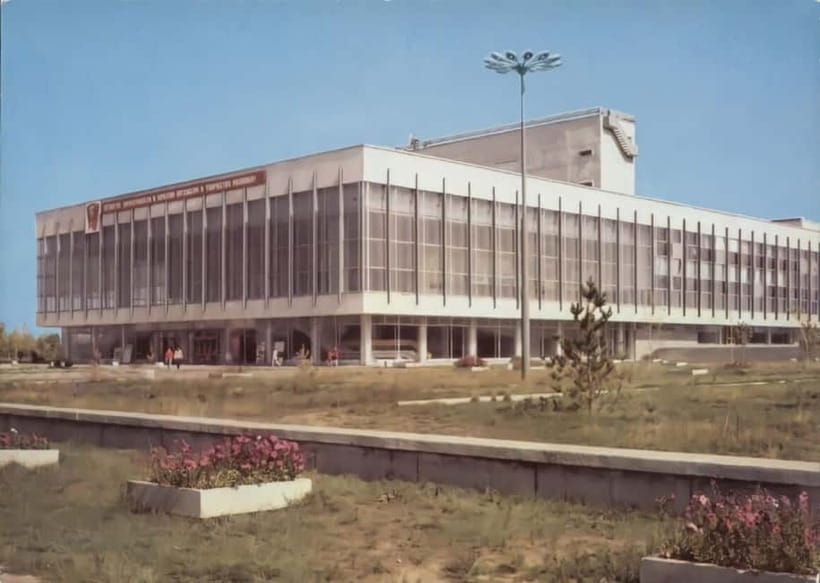
At about 4 hours total, this tour is long enough to feel like you visited real places, but short enough to stay comfortable. The structure is built around a mix of guided walk-and-look moments and frequent brief stops for photos. Practically, that means you don’t have to keep your brain switched on every single minute. You get time to look at details, then time to reset.
It also helps that the group type is private. That matters because the guide can slow down for questions, and you can ask follow-ups without feeling like you’re holding up a crowd. You can also choose a pickup point across Nur-Sultan by request, which is handy if your hotel isn’t in the easiest-to-find area.
If you’re the type who likes to pace yourself and absorb context, this format works well. If you’re hoping for a car-only loop with zero walking, you may find the stops require some outdoor time.
Pickup, Car Comfort, and What to Bring for Cold or Cloudy Weather
This is designed for convenience. You’ll get hotel pickup and drop-off in Nur-Sultan, travel in a comfortable car with air conditioning, and you’ll have Wi-Fi on board. There are also refreshing drinks during the experience, which is a small thing that makes a real difference on a 4-hour outing.
Still, the core of the tour is looking—up close and often outdoors. Bring comfortable walking shoes. You’ll want to be able to stand and frame photos without your feet complaining. Bring a camera too, because Soviet-era art and architecture details can be easy to miss when you’re moving fast. And dress for the weather. Kazakhstan can shift from cold to biting wind fast, so plan for layers.
One more practical tip: when you arrive at a stop, pause before you shoot. Look first, then photograph. That’s where the guide’s context will click.
The Guided Segments: How the Story Gets Told
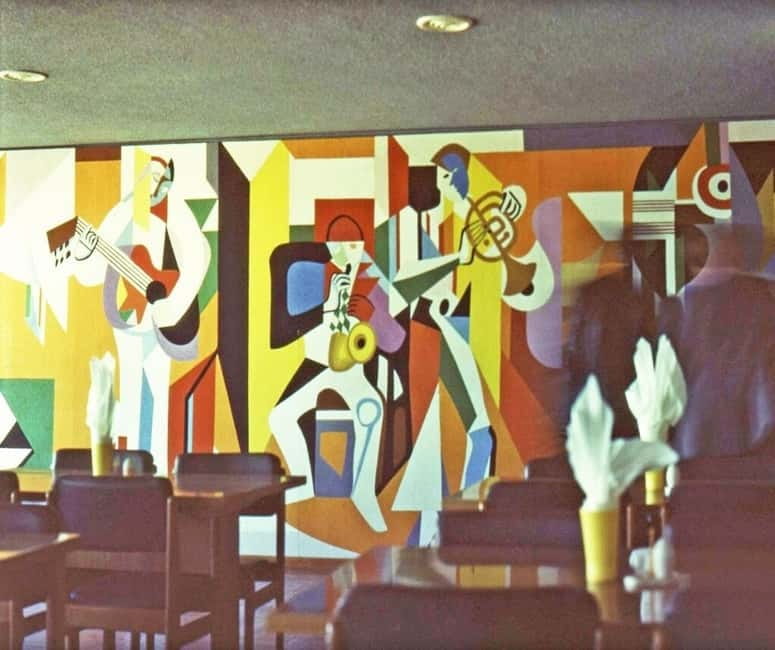
The tour includes multiple guided moments, plus photo breaks and short visits. Those repeated blocks matter because they mirror how you actually process a city: you see something, you learn why it’s there, then you return to your own eyes.
The guide’s role is a big part of the value here. The experience is built around an expert who explains the significance of the art and architecture you’ll see—plus stories about life in the Soviet Union. Those personal anecdotes are what turn a mural from decoration into a document of ideology and culture.
One review praised the depth of knowledge and attention to detail, and another noted excellent English from the guide. In day-to-day terms, that means you should be able to follow the explanations without struggling, and you can trust that the guide isn’t giving generic facts. The guide also appears to bring preparation, including lesser-known sites and little surprises en route.
Soviet Mosaics, Murals, and Sculptures: What You’re Supposed to See
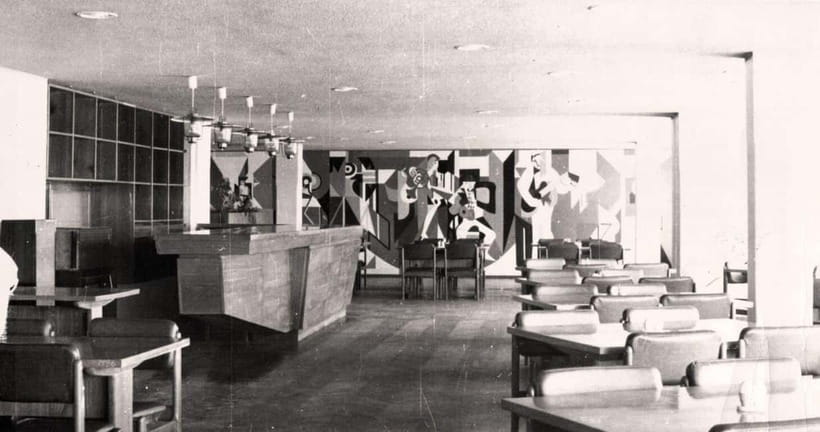
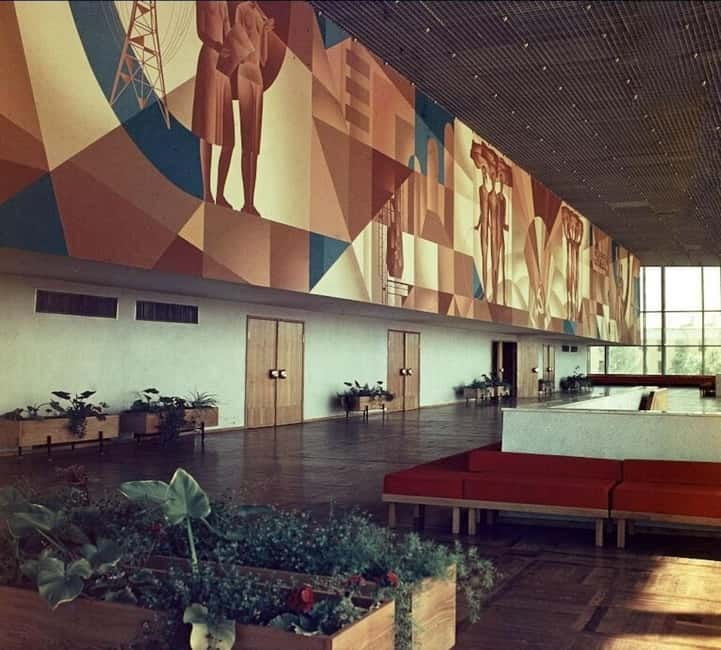
This tour leans heavily on Soviet visual storytelling. Expect to spend real time around mosaics, murals, and sculptures, with the guide pointing out what they represent and why that style mattered.
Here’s what I think makes this kind of art effective for a tour: it’s public. People didn’t need museums or audioguides to encounter Soviet messages. The art lived on building exteriors and in civic spaces, which is why it still reads as powerful today—even if you don’t share the original beliefs.
As you look at the work, watch for scale and placement. Soviet-era art often uses bold figures and strong composition, designed to be legible from a distance. The guide’s explanations should help you connect these choices to how the society wanted citizens to view themselves and their community.
If you’re the kind of person who enjoys interpretation—how a city’s design reflects power, identity, and everyday life—this is the sweet spot. If you’re strictly chasing modern architecture photo ops, you may find it slower and more reflective than you expect.
Historic Neighborhood Visits: Soviet Leftovers in a City That Moved On
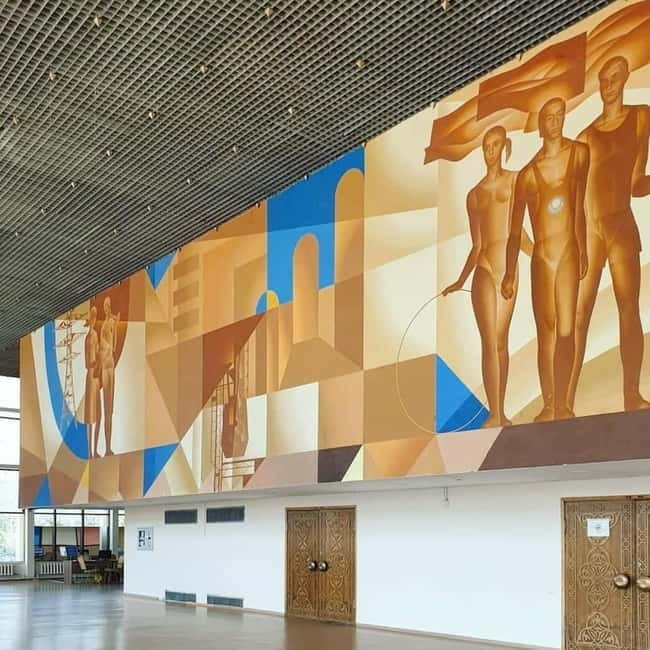
A big promise of the tour is that it takes you through historic neighborhoods that reveal the transformation from Soviet roots to today’s identity. That sounds broad, but it plays out in a simple way: you’ll see remnants of that socialist past alongside signs of change. Even without named landmarks, the atmosphere of the streets and building surfaces can tell the story.
The lesser-known sites are a key part of the value. These aren’t just places everyone photographs. In practical terms, that means you’ll spend more time in parts of the city where locals live and move, and less time in crowd magnets that feel like sets.
Also, one review mentioned the tour’s focus on the left bank. If your mental map of Astana is still forming, this helps. You get a route built around a coherent area rather than random stops. That coherence makes it easier to remember what you saw and connect it to the guide’s explanation.
Photo Stops That Actually Help You Understand
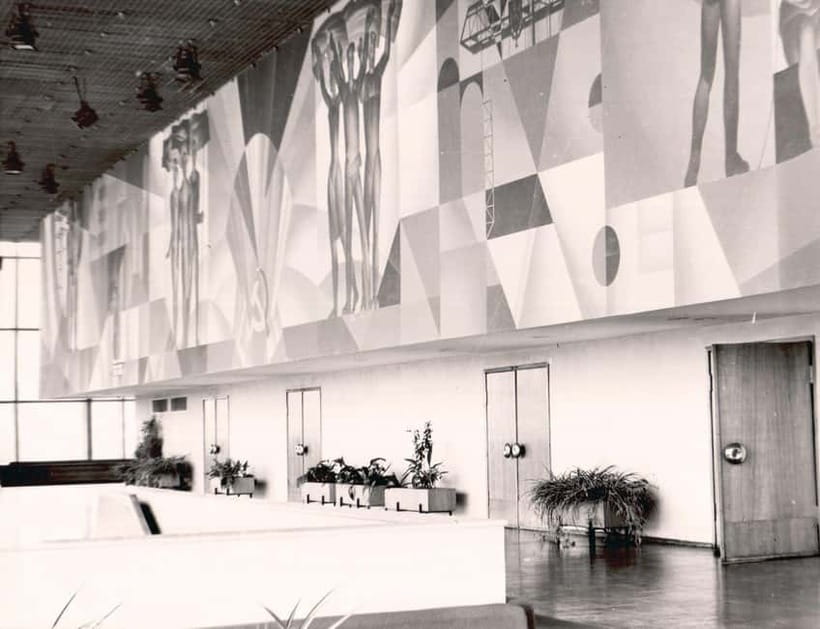
The itinerary includes several photo stops, some with guided time attached and some as brief pauses. That’s not filler. In this kind of architecture-and-art tour, your best photos usually come after you understand what you’re looking at.
Use the guided photo-stop minutes to learn the key elements: where the figures are positioned, what motifs show up repeatedly, and what the art is trying to emphasize. Then use the un-guided photo time to try different angles. If there’s a mosaic or mural, you can often capture it better by stepping back first, then moving closer for texture.
If you’re traveling with friends or you’re solo, photo stops can still work well. They give you short, clear breaks in the walking, and you can regroup fast with the group in a way that feels orderly rather than chaotic.
Guide Quality: Why Anecdotes Beat Facts-Only Tours
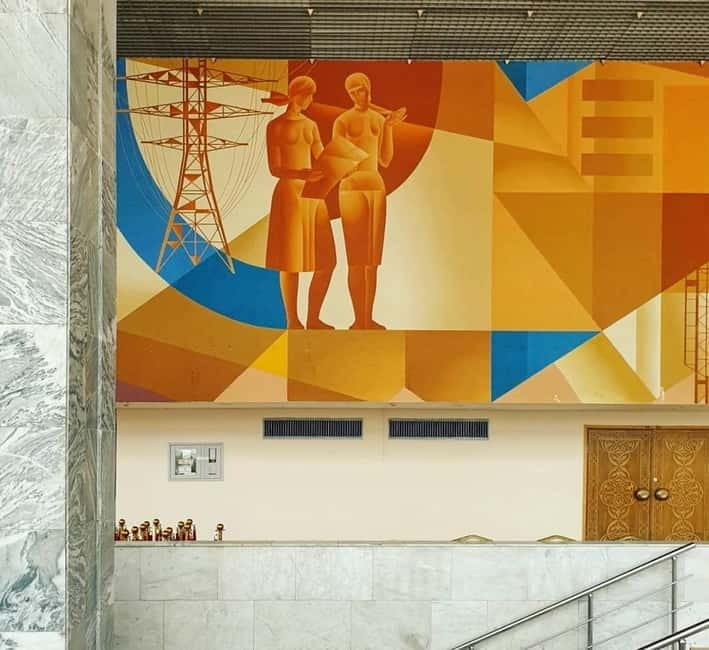
A Soviet heritage tour can turn into a list of dates if the guide is rigid. This one is built around lived context. The guide shares fascinating tales of life in the Soviet Union, and ties those stories to the significance of what you see in front of you.
One review specifically praised the guide’s perfect English and friendliness, and another highlighted how personal anecdotes brought Kazakh culture and the capital’s identity to life. Another mentioned how the guide continued researching new places other guides don’t know about, with small surprises along the way.
I like that combination: expertise plus curiosity. It means you don’t just get one interpretation, you get an informed guide who’s paying attention to what makes these places interesting now.
If you want a tour where you walk away thinking differently about what you photographed, this guide style is the reason why.
Price and Value: Is $50 for 4 Hours Fair?
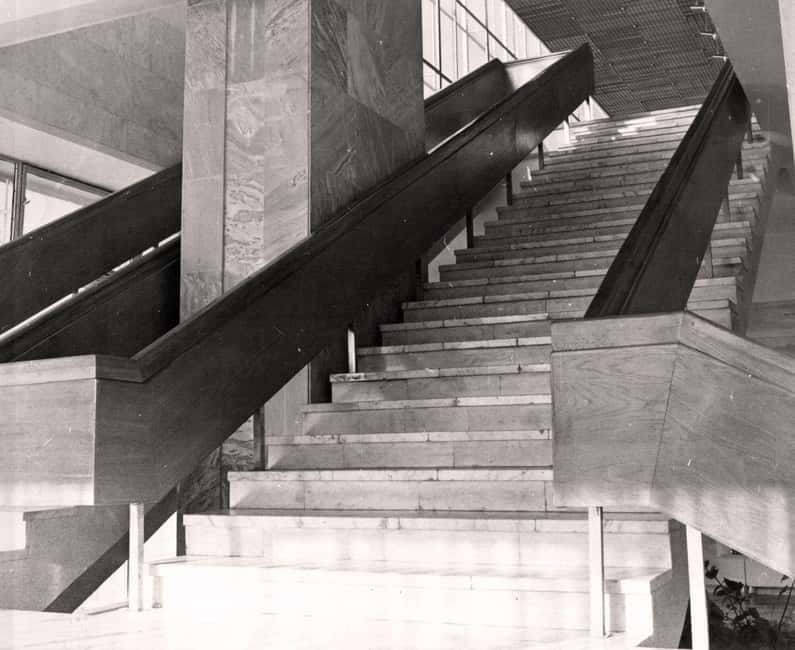
At $50 per person for about 4 hours, this is not a bargain tour, but it also doesn’t feel overpriced for what you’re getting. Here’s the value math I’d use:
You get a live expert guide, hotel pickup and drop-off, a comfortable car, entrance fees to museums/attractions as applicable, drinks, Wi-Fi on board, and air conditioning. Add in the fact that it’s a private group, and the per-person cost stretches across real expenses rather than only paying for a driver and a quick photo walk.
Where the cost really makes sense is the interpretation. Soviet art and architecture are often loaded with symbolism, and a good guide can make the details readable in minutes. If you’re the type who can handle history by yourself, you might find a DIY route cheaper. But if you want the stories behind the mosaics and sculptures, you’re paying for that translation from stone-and-paint into meaning.
Who Should Book This Soviet Old City Tour?
This tour suits you if you:
- Enjoy architecture and public art as a way to understand politics and culture
- Want lesser-known stops in Astana, not just the main photo circuit
- Like guides who explain what you’re seeing in practical, understandable terms
- Appreciate personal anecdotes about Soviet life tied to the places themselves
You might skip it if you:
- Only want modern landmark photography and minimal walking
- Prefer purely factual museum-style presentations without storytelling
- Are short on time and need a fast hit of the most famous city sights
Also, the tour includes wheelchair accessibility, and the car plus pickup/drop-off help reduce friction for anyone who needs it.
Should You Book This Astana Old City Soviet Architecture Tour?
I’d book it if you want to understand Astana as a layered city—Soviet leftovers, Soviet messaging, and how those forms still show up in neighborhoods you might otherwise pass through. The best part is the combination of hands-on viewing of Soviet-era art and a guide who makes it understandable with on-the-ground stories.
If you’re the type who takes photos first and learns later, this tour will still work. But if you’re willing to slow down and look closely, you’ll get far more out of it.
FAQ
How long is the Astana Old City Tour?
The tour lasts 4 hours.
How much does the tour cost?
The price is $50 per person.
Where does pickup happen?
Pickup is from Nur-Sultan, and you can request pickup from any point per your request.
What languages is the live guide available in?
The live tour guide speaks English and Russian.
Is this tour a private group?
Yes, it is a private group.
Is the tour wheelchair accessible?
Yes, the tour is listed as wheelchair accessible.
What is included in the price?
Included are an expert guide, a comfortable car, visits to historic neighborhoods, refreshing drinks, Wi-Fi on board, air conditioning, hotel pickup and drop-off, and entrance fees to any museums and attractions.
Is a meal included?
No meal is included.
What should I bring?
Bring comfortable walking shoes, a camera, and weather-appropriate clothing.
Can I cancel and get a refund?
Free cancellation is available up to 24 hours in advance for a full refund.
Do I have to pay immediately?
No. You can reserve now & pay later, so you can keep travel plans flexible.