REVIEW · ASTANA
Astana: Back to USSR – Gulag Museum with Certified Guide
Book on GetYourGuide →Operated by Astana Horizons · Bookable on GetYourGuide
Soviet Kazakhstan hits harder than you expect. This one-day trip pairs a guided KarLag Museum visit with hands-on storytelling in Karaganda’s Soviet-era city center, so the history sticks instead of floating by. My main consideration: the museum content is emotionally heavy, so you’ll want to pace yourself.
I also like the practical rhythm of the day. You get a comfortable drive, a proper traditional Russian lunch, and time for photos around Karaganda’s monuments, including the kind of city details that make Soviet architecture feel real.
In This Review
- Quick highlights you’ll care about
- A day trip from Astana that feels like time travel
- Nur-Sultan pickup and the drive toward Soviet Karaganda
- Karaganda city stops: monuments, coal-miners, and old theater energy
- The KarLag Museum: where the Gulag story becomes personal
- Lunch in Karaganda: Russian comfort after heavy material
- Back through Karaganda: photo stops and a guided city wrap-up
- Price ($169) and whether the day feels worth it
- Who this tour fits best
- Should you book Astana Horizons Back to USSR?
- FAQ
- How long is the tour?
- Where do you get picked up in Astana?
- Is there an English-speaking guide?
- Is lunch included, and what type is it?
- Are phones and cameras allowed inside the museum?
- Is this tour suitable for wheelchair users and young children?
Quick highlights you’ll care about
- KarLag Museum with an English-speaking guide that organizes the camp story in a clear, human way
- Soviet monuments in Karaganda, including major landmarks and photo stops in the city
- Strong winter-conditions track record, with drivers praised for safe travel on icy roads
- Russian lunch included at a local restaurant, with time to actually sit and eat
- Photography rules that are traveler-friendly: phones are free; professional camera use has an extra fee
A day trip from Astana that feels like time travel
This tour is built for people in Astana who want a real change of scene without committing to an overnight. Karaganda is roughly 2.5 hours away, and the pace stays focused: you head out early, spend the main chunk of time at the KarLag site, then circle back through Karaganda for photos and monuments before returning to Nur-Sultan.
The “Back to USSR” theme could sound like a costume tour. It isn’t. You’re not just seeing Soviet-looking buildings. You’re learning how the Soviet system affected Kazakhstan, including coal-mining communities and Stalin-era forced labor. That context matters when you walk past statues and grand buildings that still shape what the city looks like today.
Another thing I appreciate: the day is organized around guided time. The museum is where you’ll get the most structured explanation, and that’s also where a guide helps you handle difficult material without turning it into a rushed checklist.
You can also read our reviews of more tours and experiences in Astana.
Nur-Sultan pickup and the drive toward Soviet Karaganda
Pickup starts in Nur-Sultan (Astana), from hotels and accommodations you provide when you book. That’s a big deal in practical terms. You don’t waste time figuring out meeting points or public transit schedules for a long day.
On the road, you’ll get more than “drive safely” commentary. Your guide fills the travel time with context about the region and what you’re passing on the way to Karaganda. In winter conditions, this trip has a solid reputation for safe driving, with some guide-driver teams including Leon and Abzal being specifically mentioned as attentive and careful when roads get icy.
You’ll also get a sense that Karaganda isn’t a blank slate. Even before you reach the museum, you’re already in the Soviet-era frame of mind—because the city’s landmarks and architecture show up as part of the lesson, not as background noise.
Timing-wise, plan on a full day. The museum portion alone takes two hours, and the rest of the day is intentionally balanced between city stops and food.
Karaganda city stops: monuments, coal-miners, and old theater energy
Once you arrive in Karaganda, the tour moves through the city with a mix of structured viewing and real photo opportunities. There’s a stop for photos, plus a guided city walk/visit time of about 1.5 hours.
What makes this part valuable is how it connects to the bigger story. Karaganda wasn’t just a Soviet “administrative” place. It was a major coal-mining center, and the city still carries industrial and ideological marks in its monuments and architecture.
You may see highlights like Gagarin’s Monument and impressive theaters built during the USSR period. The point isn’t name-dropping famous statues. It’s understanding why they were built, what they signaled, and how the city remembers (or reinterprets) them now.
From a practical standpoint, bring something warm. Even if you’re only outside for photo stops, Karaganda in winter can be brisk, and you’ll want time to enjoy the streets without feeling like you’re sprinting for warmth.
The KarLag Museum: where the Gulag story becomes personal
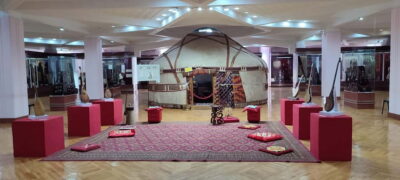
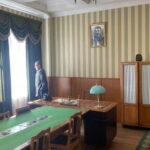
The heart of the day is the KarLag Museum, about 35 km from Karaganda. You’ll spend around two hours on a guided tour there, and that guidance is the difference between reading information and understanding what you’re looking at.
This museum focuses on Stalin’s forced labor camp system. It’s not light or abstract. The exhibits can be emotionally intense, especially because they cover political repression and the human reality of imprisonment and forced labor. If you’re the type who gets affected by serious topics, plan your day so you’re not rushing your emotions.
One of the most useful things you’ll get from the guide is how they connect the camp to the broader Soviet impact on Kazakhstan. The museum talks about prisoners’ conditions and also the wider consequences of repression. In the context of ethnic deportations, you might hear about groups such as Koreans, Chechens, Germans, Tatars, and Kalmyks—and how these policies reshaped populations across the region.
Photography is mostly straightforward. Personal photos with phones are allowed at no extra cost. If you’re bringing a professional camera, there’s an additional fee for professional camera use, so it’s worth knowing before you arrive.
If you’re coming for “Soviet history” as a topic, this stop delivers the real weight behind that theme. If you’re coming mainly for Soviet architecture, you’ll still learn why buildings and monuments mattered to a system that reached into people’s lives.
Lunch in Karaganda: Russian comfort after heavy material
After the museum, the day shifts gears with lunch—about 50 minutes. This isn’t a random stop. Lunch is included, and it’s served at a local restaurant in Karaganda with traditional Russian food.
I like this built-in break because it helps you reset. A Gulag museum visit can emotionally tire you out, and a proper sit-down meal gives your brain room to process what you just learned.
Some restaurant names that have shown up for lunch include Three Bears, and people have described the meal as a highlight, with Russian delicacies on the menu. If you have dietary restrictions or allergies, you should tell the operator in advance so the lunch plan can accommodate you.
Even if you’re not picky, don’t treat lunch like a quick snack. Use the time. Hydrate, warm up, and let the story from the morning settle before the afternoon city walk.
Back through Karaganda: photo stops and a guided city wrap-up
The afternoon includes more Karaganda viewing—again with a guided component of about 1.5 hours plus photo opportunities. This is your chance to tie what you learned at the museum to what you see in the streets.
When you walk among Soviet-era statues and industrial-themed monuments after learning about deportations, prisons, and forced labor, the city changes shape in your mind. The same statue that could look like just another monument becomes a clue about ideology, memory, and what gets honored publicly.
Guides on this route have also taken people through additional stops before heading back to Nur-Sultan. The exact selection can vary with timing, but the goal stays consistent: help you understand how modern Karaganda sits on top of its Soviet and industrial past.
Price ($169) and whether the day feels worth it
At $169 per person for a full-day private tour, the key question isn’t just the number. It’s what you actually get for that money.
Here’s the value logic, based on what’s included:
- Pickup and drop-off from Astana/Nur-Sultan
- Live guide (English, with some teams also working in Russian)
- Entry tickets to the KarLag Museum
- Traditional Russian lunch
- Bottled water
- Skip-the-ticket-line style convenience
For a day trip that includes a long drive, museum entry, and guided interpretation at the camp site, $169 starts to make sense—especially if you consider the hassle of arranging transport and finding an English-speaking guide for the museum on your own.
The main trade-off is also part of the value: you’re committing to a full day and a heavy subject. If you only want quick sightseeing, this may feel like too much. If you want context and guidance, it’s a strong use of your time in Kazakhstan.
Also, the museum has a rule about professional cameras. If you plan to shoot with higher-end gear, factor in that extra fee so you’re not surprised.
Who this tour fits best
This is a great match for:
- People who want serious Soviet-era understanding, not just Soviet-style buildings
- History fans who like clear structure, especially inside museums
- Travelers who appreciate an organized day with pickup, entry, lunch, and guided stops handled
It’s less ideal for:
- Anyone who struggles with emotionally intense exhibits about political repression and forced labor
- People needing wheelchair access, since the tour isn’t suited for wheelchair users
- Very young children; it’s not suitable for children under 4
If you’re traveling solo, this kind of guided day can feel especially convenient because the guide carries the context and pacing. Many people also seem to value that the guides handle tricky questions during the day—so you’re not stuck with a “headphones on, follow the leader” vibe.
Should you book Astana Horizons Back to USSR?
I’d book it if you want a day that’s structured, guided, and meaningful. The museum time at KarLag is the anchor, and the rest of the tour helps you see the city as part of the same story, not as separate sightseeing boxes.
Skip it (or at least choose your expectations carefully) if you’re looking for light entertainment. This tour deals with Stalin-era repression and forced labor, and the emotional content is real. Also, expect a long day—Karaganda is far enough that you’ll feel it in your schedule even if the drive is comfortable.
If you’re the type who likes to understand a place instead of just photograph it, this one-day format is a smart deal.
FAQ
How long is the tour?
It runs for one day. You’ll spend about 2 hours at the KarLag Museum, then you’ll have lunch and additional guided time in Karaganda before returning to Nur-Sultan.
Where do you get picked up in Astana?
Pickup is available from hotels or accommodations within Astana/Nur-Sultan. You provide your location details during booking.
Is there an English-speaking guide?
Yes. The tour includes a live guide who speaks English (and Russian as well).
Is lunch included, and what type is it?
Lunch is included. It’s a traditional Russian meal served at a local restaurant in Karaganda.
Are phones and cameras allowed inside the museum?
Phones and personal photography are allowed at no extra cost. The KarLag Museum charges an additional fee for the use of professional cameras.
Is this tour suitable for wheelchair users and young children?
No. It is not suitable for wheelchair users, and it is not suitable for children under 4 years old.