REVIEW · AMRITSAR
Amritsar: Golden Temple, Jallianwala Bagh, Wagah Border Tour
Book on GetYourGuide →Operated by Vivamos India · Bookable on GetYourGuide
One day in Amritsar hits three very different emotions.
You start at the Golden Temple for serenity and equality, then move to Jallianwala Bagh for a sobering chapter of India’s freedom struggle, and finish with the loud, tightly choreographed energy of the Wagah Border ceremony.
What I like most is how the day feels guided without feeling scripted. I love the Langar experience at the Golden Temple, where free meals are served with the idea that everyone is equal at the table. I also love how guides such as Paramjit (and other locals like Chander Kant, Inderjit, and Ankit, depending on the group) turn each stop into something you can actually understand, not just look at.
One consideration: it’s a long, full 9-hour day, and you need to handle two very real “rules”—Golden Temple dress and the Wagah crowd heat. Also, this tour doesn’t offer VIP seating at Wagah, so you’ll go for the best standard viewing option by arriving early.
In This Review
- Key points worth knowing before you go
- Why this Amritsar day flows so well
- Golden Temple (Harmandir Sahib): what you’ll notice first
- What to do (and not do) when you arrive
- Langar isn’t just a meal—it’s the point
- Jallianwala Bagh: where the day turns serious
- Why a guide matters here
- Wagah Border ceremony: the best kind of organized chaos
- Get there early for seats
- No VIP seats, and that’s okay
- The guides really shape the day
- Timing and logistics: how a 9-hour day stays manageable
- Cost and value: what $27 actually buys you
- Packing checklist that actually helps
- Who should book this tour (and who might skip it)
- Should you book this Amritsar day tour?
- FAQ
- How long is the Amritsar Golden Temple, Jallianwala Bagh, and Wagah Border tour?
- What’s included in the tour price?
- Are meals included?
- Are VIP seats available for the Wagah Border ceremony?
- What languages are available for the guide?
- What should I bring for this tour?
- What clothing rules apply at the Golden Temple?
- Is hotel pickup and drop-off included?
- FAQ
- Is the tour wheelchair accessible?
- Can I cancel for a full refund?
- Can I reserve now and pay later?
- How early should I arrive for the Wagah Border ceremony?
- What kind of experience is Wagah Border?
- Is there alcohol or drugs allowed?
- Are pets allowed?
Key points worth knowing before you go
- Golden Temple head-and-shoulder rules matter, so bring a headscarf and plan covered clothing
- Langar is free and for everyone, and that simple idea is the heart of the place
- Jallianwala Bagh is emotional and direct, and a guide helps you connect the dots
- Wagah seats fill quickly, and you’ll get your best view by arriving about an hour early
- No VIP seats at Wagah, so manage expectations and focus on the parade atmosphere
- Private pickup and transport from anywhere in Amritsar keeps the day smooth
Why this Amritsar day flows so well
Amritsar is one of those cities where three stops can tell a whole story—faith, remembrance, and national identity—without you bouncing around all day. This tour keeps the arc clear: you begin with spiritual calm, shift into reflection, and then end with the Wagah ceremony’s high-voltage choreography.
The biggest practical win is the pacing. You’re not doing a frantic museum sprint. Instead, you get time to actually stand in the spaces, feel the atmosphere, and listen while the guide explains what you’re seeing and why it mattered. That matters in Amritsar, because the details are the point.
You can also read our reviews of more tours and experiences in Amritsar.
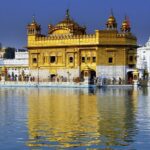


Golden Temple (Harmandir Sahib): what you’ll notice first
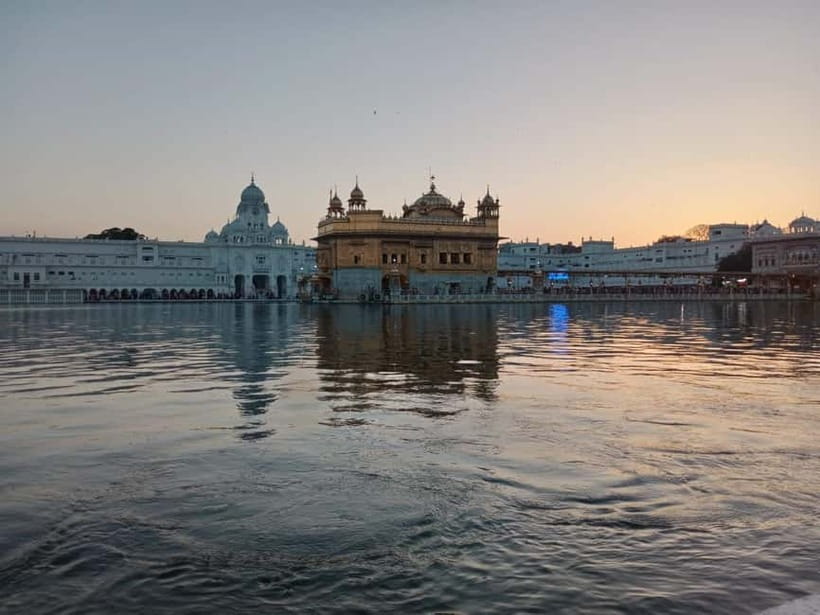
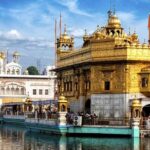
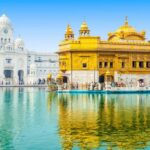
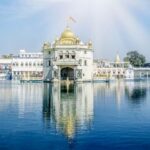
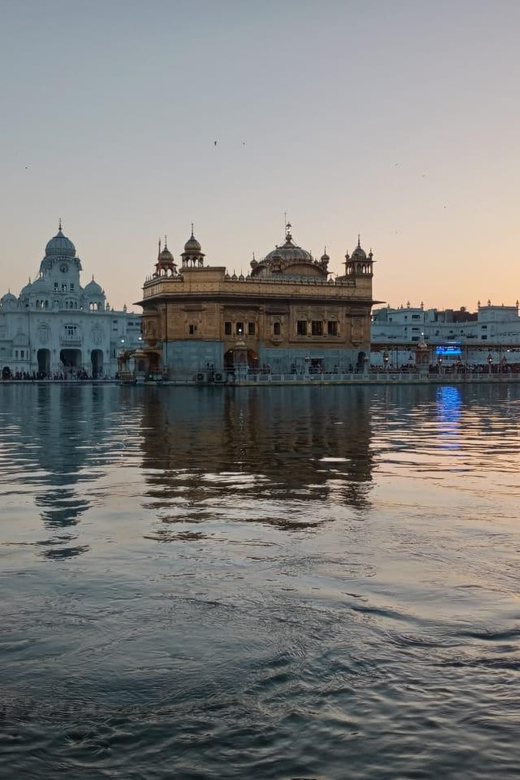
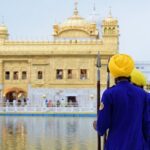
The Golden Temple, also called Harmandir Sahib, is the kind of sight that makes you slow down even before anyone speaks to you. The golden facade and marble work are stunning, sure, but the deeper pull is the mood—quiet, orderly, and oddly welcoming.
The temple dates back to the 16th century, and it was built by the fourth Sikh Guru, Guru Ram Das. The guide context helps here: this isn’t just architecture. It’s a living symbol of Sikh spirituality, egalitarianism, and tranquility.
You’ll also get the chance to experience the heart of the community through the Langar—the free meal served to everyone, no matter their religion, background, or social status. The tradition is rooted in seva, meaning selfless service, and it’s not staged for tourists. Volunteers prepare and serve simple, nourishing meals, and you can feel how that practice turns an idea into daily action.
What to do (and not do) when you arrive
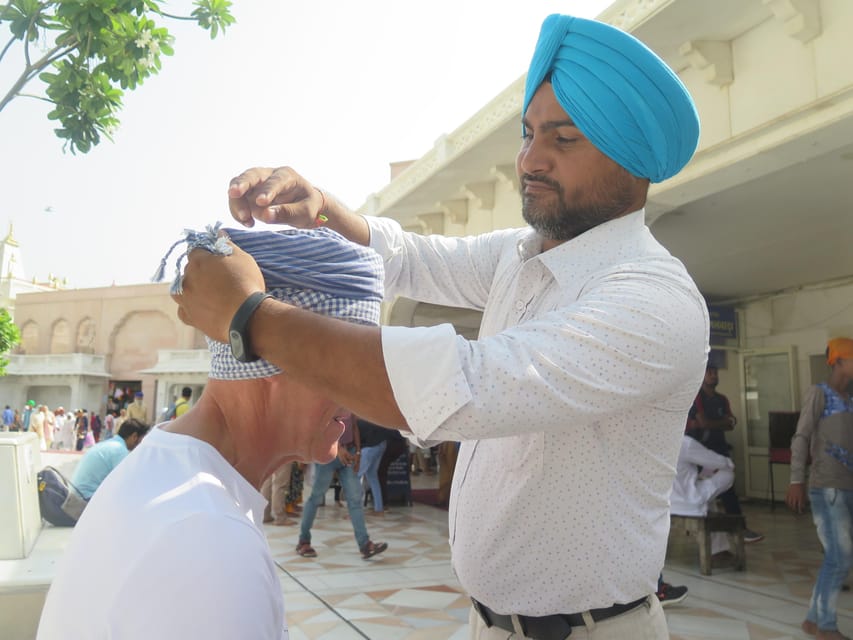
This is where you’ll want to be prepared. Entry requires proper clothing and head covering: men and women both must cover their heads, and shoulders and legs need to be covered at all times. You can use a scarf, shawl, or dupatta.
If you show up with clothing that’s borderline (especially for legs and shoulders), you might need to adjust on the spot. In one case, a family had to buy suitable pants nearby after a clothing issue at the entrance area—so consider bringing clothing you already know will meet the rules.
Langar isn’t just a meal—it’s the point
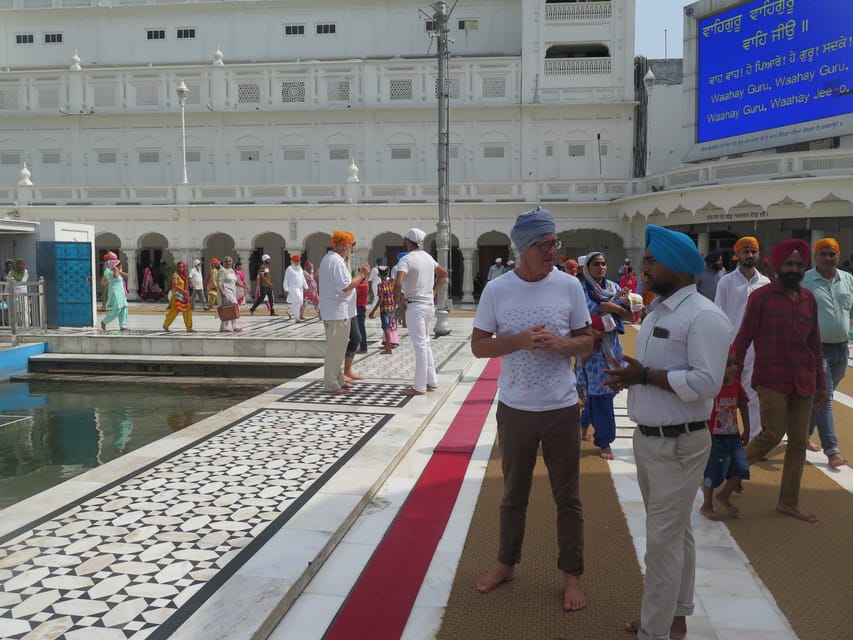
A lot of “temple food” stops you’ll find while traveling are basically a snack break. Here, Langar is central. The free-meal tradition is what turns the Golden Temple from a beautiful place you visit into a place you participate in.
Even if you’re not sure about Sikhism, you’ll understand the value quickly: people serve each other with humility, and the dining space reflects that same egalitarian mindset. If you’re traveling with kids, it’s one of those moments that can teach without lecturing.
Practical note: because meals are free for visitors, you should treat food time as part of the experience, not a budget expense. You’ll still want to plan for your day overall, since meals aren’t listed as included in the broader tour price.
Jallianwala Bagh: where the day turns serious
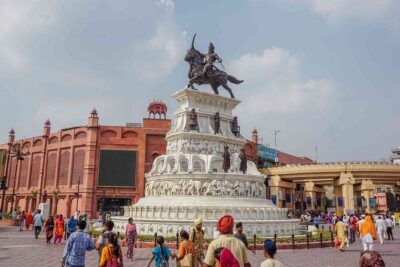
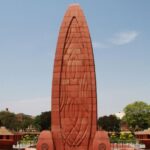
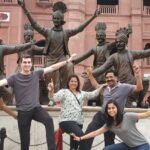
Jallianwala Bagh is a public garden and memorial tied to one of the most painful episodes in India’s independence story. On April 13, 1919, British troops under General Dyer opened fire on a peaceful gathering of men, women, and children. The tragedy and the aftermath became a turning point that helped intensify resistance against colonial rule.
Walking through this space is different from sightseeing. It asks you to slow down and take in meaning. The setting is quiet compared with the crowds at the Golden Temple, but it doesn’t feel empty. It feels weighted.


Why a guide matters here
The memorial is powerful on its own, but context changes your experience. With a guide, you’ll get the timeline and the significance in plain language, plus extra connections that make the event feel part of a larger chain of history.
In some cases, guides add related context connected to the massacre, such as the later story of Udham Singh, to help you understand why the event didn’t fade into the past. If you’re the type who likes to understand cause and effect, this is where the tour’s guide value really earns its keep.
Wagah Border ceremony: the best kind of organized chaos
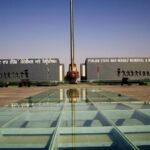
Wagah is the border area separating India and Pakistan, and the daily ceremony there is a unique mix of military precision and theatrical showmanship. It’s choreographed—soldiers from both sides do synchronized parade moves, including high-kicking gestures, and the ceremony includes the lowering of the respective national flags.
The mood in the crowd is intense, with visible patriotic fervor and a sense of competition. At the same time, the ceremony also shows a strange unity: both sides perform together, using the same rhythm and structure.
Get there early for seats
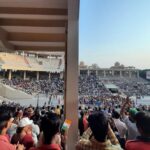
Here’s the practical rule that makes or breaks your experience: arrive early. Seats fill quickly, and to get a good viewing spot, plan to show up at least an hour before the ceremony begins. The ceremony typically runs in the late afternoon.
Also expect heat. One family who watched from the standard seating area called out that the temperature was intense where they were seated, so think shade, water, and sun protection seriously.
No VIP seats, and that’s okay
This tour doesn’t endorse or sell VIP seats for Wagah. So you’re aiming for regular viewing, not a premium platform. The upside is that you’ll be part of the real crowd energy—chanting, anticipation, and the back-and-forth between the sides as the choreography ramps up.
The guides really shape the day
This is where the tour earns its rating. You get a professional local guide who speaks English and Spanish, and that language option is more than a comfort perk. It lets you ask direct questions and get answers while you’re standing in front of the thing you’re trying to understand.
In practice, guides mentioned in this experience—like Paramjit, Chander Kant, Inderjit, Ankit, and others—are valued for pacing and for turning monuments into stories you can follow. People also appreciated when guides adjusted the day rather than pushing a rigid script.
If you want a tour that feels like you’re being shown around by someone who genuinely wants you to get it, this is the right style. If you prefer total freedom and zero talking, you might find you want to request quieter pacing.
Timing and logistics: how a 9-hour day stays manageable
A 9-hour day can feel either perfect or exhausting. The difference is the flow, and this one tends to work because the route is logical: Golden Temple in the morning window, Jallianwala Bagh next for historical weight, and Wagah Border in the late afternoon when the ceremony fits naturally into the day.
Private transport helps a lot. Pickup and drop-off are included from any hotel in Amritsar, and the day moves in one continuous arc instead of you coordinating separate taxis between sites. The vehicle is described as clean and well-run, and you also get one bottle of water per customer.
The tour also supports wheelchair access, which matters for making the day feasible without turning it into a negotiation at every entrance.
Cost and value: what $27 actually buys you
At $27 per person, the price looks almost too low until you break down what’s included: a professional guide (English or Spanish), private pickup and drop-off with taxes, fuel, tolls, and parking handled, plus bottled water. Entrance fees for monuments are covered if applicable.
Meals are not included. That’s the main cost you’ll likely need to plan for yourself.
Here’s the value logic: if you tried to assemble this on your own—guide + transport + time coordination + entry fees—you’d probably spend more than you expect. The tour is strongest when you want context and smooth movement more than you want to chase details solo.
Packing checklist that actually helps
This tour asks you to bring a few items because the day has two different “environments”: spiritual space and open-air border ceremony.
Bring:
- Passport
- Hat
- Headscarf
At the Golden Temple, head covering and covered shoulders/legs are required for both men and women. If you plan to keep your outfit simple, choose something that you know will pass the rules without last-minute fixes.
At Wagah, protect yourself from sun and heat. A hat helps. A headscarf can double as sun protection. And since the crowd can get hot while you’re waiting, plan to use that bottled water right away.
Who should book this tour (and who might skip it)
You’ll likely love this if:
- you have one day in Amritsar and want the big three without stress
- you care about meaning, not just photos
- you appreciate a guide who can answer questions in English or Spanish
- you want the Wagah ceremony experience but you’re fine with standard seating rather than VIP
You might want to think twice if:
- you hate long days (it’s 9 hours)
- you dislike places that require strict dress rules
- you specifically want VIP-level border viewing (this tour doesn’t sell VIP seats)
Should you book this Amritsar day tour?
If you want your Amritsar day to feel coherent—quiet and equal at the Golden Temple, solemn and historical at Jallianwala Bagh, then energetic at Wagah—this is a strong fit. The guide-driven explanations and the smooth pickup/transport make the day feel far less like logistics and far more like learning.
The main reason not to book is simple: if you’re expecting VIP seating at Wagah or you’re unwilling to handle the temple dress requirements. Otherwise, this is a good value way to experience three landmark moments of Punjab and India in a single day.
FAQ
How long is the Amritsar Golden Temple, Jallianwala Bagh, and Wagah Border tour?
The duration is 9 hours.
What’s included in the tour price?
You get a professional local guide (English and Spanish), pickup and drop-off with private transport, all local taxes/fuel/tolls/parking fees, one bottled water per customer, and monument entrance fees if applicable.
Are meals included?
Meals are not included.
Are VIP seats available for the Wagah Border ceremony?
No. The tour does not endorse or sell VIP seats for Wagah.
What languages are available for the guide?
The guide is available in Spanish and English.
What should I bring for this tour?
Bring your passport, a hat, and a headscarf.
What clothing rules apply at the Golden Temple?
Men and women visiting the Golden Temple are required to cover their heads, and shoulders and legs must be covered at all times.
Is hotel pickup and drop-off included?
Yes. Pickup and drop-off are included from any hotel in Amritsar, and you’re asked to wait in the hotel lobby about 10 minutes before the scheduled pickup time.
FAQ
Is the tour wheelchair accessible?
Yes, the tour is listed as wheelchair accessible.
Can I cancel for a full refund?
Free cancellation is available up to 24 hours in advance for a full refund.
Can I reserve now and pay later?
Yes, you can reserve now and pay later.
How early should I arrive for the Wagah Border ceremony?
Arrive at least an hour in advance for the best chance at good seats, since they fill up quickly.
What kind of experience is Wagah Border?
It’s a daily military ceremony with a choreographed parade, including synchronized moves and the lowering of the flags, with soldiers from both sides performing.
Is there alcohol or drugs allowed?
No alcohol and no drugs are allowed.
Are pets allowed?
No, pets are not allowed.