REVIEW · AMRITSAR
Amritsar City Tour ( Including Wagah Border Ceremony)
Book on Viator →Operated by Globe Trek Tours and Sightseeing. · Bookable on Viator
Wagah is loud history in action. This Amritsar city tour pairs Golden Temple spirituality with the Wagah Border Ceremony, so you see faith, tragedy, and spectacle in one smooth plan. I especially like that it’s structured around the moments that matter most, and you’re not left guessing where to go or how early to arrive. The main consideration is simple: it’s a long day with walking on uneven roads, and you’ll want to follow the dress rules at religious sites.
You also get the “make it easy” stuff that keeps the day from feeling like a scramble: hotel pickup, round-trip transport, bottled water, and even umbrellas in the vehicle. And because temples have their own rules, they provide head covers so you can focus on the sites instead of hunting for something last-minute.
In This Review
- Key moments to watch for
- How This 8–9 Hour Amritsar Plan Actually Works
- Golden Temple: Shoes Off, Sacred Time, and Langar Details
- Akal Takht, Tempio d’Oro, and the Dukh Bhanjani Ber Tree
- Jallianwala Bagh: A Place You Understand With Your Guide
- Partition Museum and the Art of Knowing What You See
- Gobindgarh Fort and the War Memorial Stops
- Midday Reset: Water, Umbrellas, and a Recharge Break
- Wagah Border Ceremony: The Flag Retreat Without VIP Noise
- Guides, Drivers, and Why the Day Feels Low-Stress
- What to Wear and Pack (So You Don’t Lose Time)
- Price and Value: Is $54 a Good Deal?
- Who Should Book This Tour (and Who Might Skip It)
- Should You Book the Amritsar City Tour With Wagah Border Ceremony?
- FAQ
- How long is the Amritsar city tour with the Wagah Border Ceremony?
- Do they pick me up from my hotel and bring me back?
- What should I wear for the Golden Temple and other religious stops?
- Is the Partition Museum included, and is it open every day?
- Are VIP seats available for the Wagah Border Ceremony?
- Are admissions included for all stops?
Key moments to watch for
- Golden Temple guided flow so you understand what you’re seeing, not just where to stand
- Akal Takht and the 500-year Dukh Bhanjani Ber tree for quick but meaningful stops
- Jallianwala Bagh + Partition Museum (closed Mondays) for the heavy historical context
- Wagah flag retreat ceremony with smart timing and no VIP-ticket upsell
- Midday comfort break with a complimentary drink to reset before the evening crowd
How This 8–9 Hour Amritsar Plan Actually Works
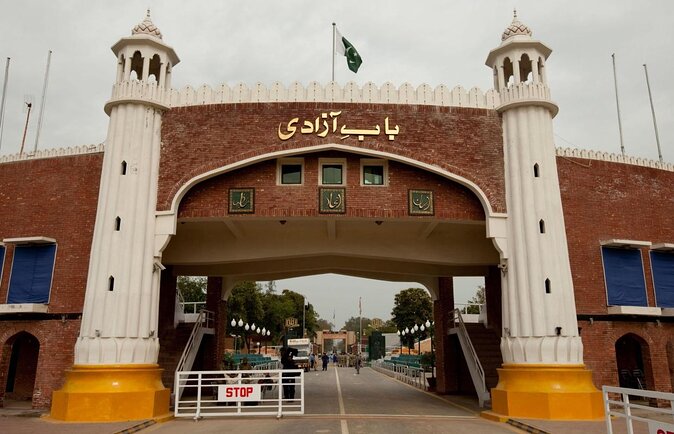
This is a private, full-day format that runs roughly 8 to 9 hours. The big value here is reducing friction: pickup gets you moving, your guide handles the sequencing, and your driver returns you for the ceremony in time.
The day is paced to balance “you want to see a lot” with “you need to stay sane.” You’ll spend longer where meaning is dense (Golden Temple, Jallianwala Bagh, and the Partition Museum time slot) and keep other stops short (Akal Takht, the healing tree, and the Golden Temple campus shrines). Then the plan saves energy for Wagah, where you’re dealing with a crowd and lots of standing.
If you have a limited window in Amritsar—or you just don’t want to piece together temples, museums, and the border ceremony on your own—this format is a strong fit.
You can also read our reviews of more tours and experiences in Amritsar.



Golden Temple: Shoes Off, Sacred Time, and Langar Details
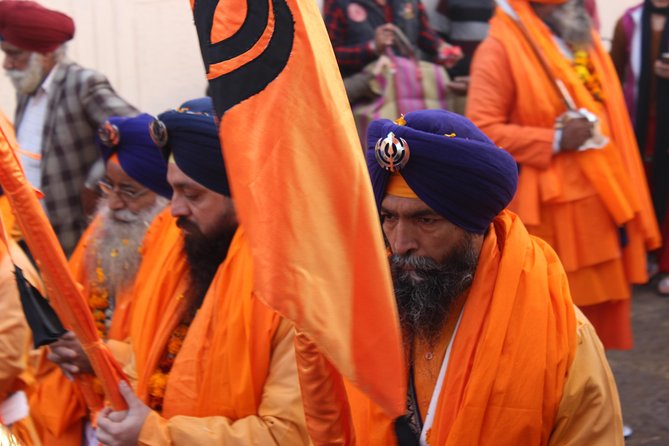
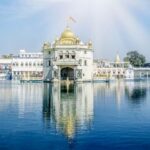
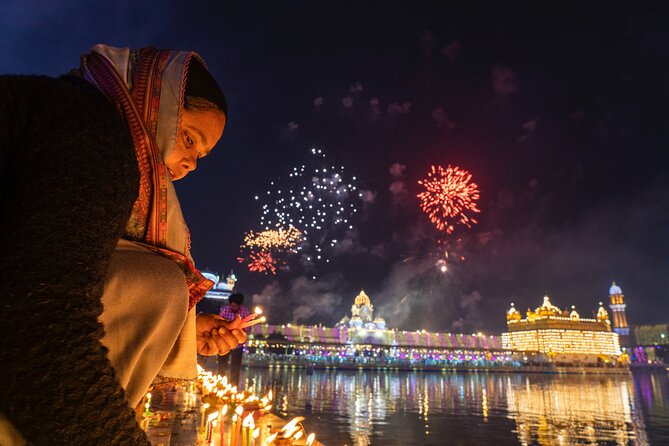
The Golden Temple stop is the heart of the morning. You start with a guided visit that’s designed to make the complex feel understandable. You’re not just walking around the marble and gold. You’re guided through what’s happening there and why people come.
One detail that really matters: you may witness the sacred changing of the Guru Granth Sahib during your visit. That kind of moment changes how the whole place hits you. It’s not theater; it’s an active part of religious life.
A second reason this stop earns its reputation: the guide can show you the Langar areas connected to the community kitchen and dining experience. Even if you only catch parts of it, knowing what Langar means—shared service for everyone—adds weight to what you see in the temple courtyard.
Practical tip: Golden Temple visits can include more time in a sacred environment than you expect. Wear comfortable shoes you don’t mind removing, and be ready for the rules around modest clothing. They also provide new head covers, which helps you comply without stress.
Akal Takht, Tempio d’Oro, and the Dukh Bhanjani Ber Tree
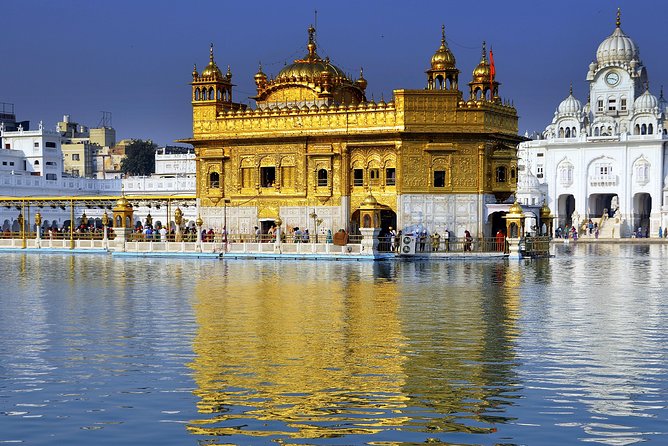
After the main Golden Temple experience, you’ll add a few short, focused stops that deepen the context without eating the whole day.
- Akal Takht is described as the house of God and also known as the Sikh parliament. Even with a short visit time, it’s a fast way to connect religious space with community governance and Sikh identity.
- Tempio d’Oro is identified as a sacred shrine inside the Golden Temple campus. This is a “don’t rush it blindly” stop—short, but worth your attention because it keeps you inside the spiritual core instead of hopping to unrelated sights.
- Dukh Bhanjani Ber Tree is a historic 500-year-old sacred healing tree. You’ll get a quick look, but the idea is clear: this stop ties belief and local tradition to a physical landmark people treat with respect.
The drawback to these short stops is also their biggest feature: you won’t have hours to linger. If you like slow museum-style pacing, you’ll want to compensate by asking your guide questions during the short time windows.
Jallianwala Bagh: A Place You Understand With Your Guide
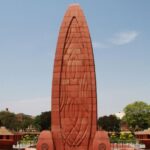
Next comes Jallianwala Bagh, the historic massacre garden. The visit time is about 15 minutes, which might sound brief until you realize this is a “meaning first” site.
What I think makes a guide here important is not facts for their own sake—it’s interpretation. Your guide can explain the significance of the place so the memorial doesn’t feel like a random patch of history. When you understand what you’re looking at, even a short stop can feel long in your head.
Practical tip: take your time walking the paths. Even if you’re tempted to “move on” quickly, this is one location where slowing down helps you process.
Partition Museum and the Art of Knowing What You See
After Jallianwala Bagh, you’ll have time for the Partition Museum (45 minutes). Admission for the museum is not included, and there’s an important day-of-week detail: it remains closed on Mondays.
This museum is built to describe the world’s biggest genocide in 1947. That’s not a casual subject. A guided format helps because it frames what you’re seeing without making it feel like a detached exhibit.
If you’re visiting on a Monday, you have to decide whether to swap that time or focus on other stops. The tour plan notes the closure up front, so you can plan around it without wasting time.



Gobindgarh Fort and the War Memorial Stops
Your day also includes stops at Gobindgarh fort and the War Memorial. The schedule doesn’t give long durations for these in the details provided, so treat them as meaningful “context points” rather than the main event.
This is where the private-tour advantage shows up. With a driver and guide handling timing, you can still give these stops a respectful look even if your day is already full.
If you’re a military-history fan, you’ll likely enjoy the War Memorial more than someone who wants only religious and cultural sights. If you’d rather go deeper at the museum, you may want to keep a bit of flexibility in your expectations for these two.
Midday Reset: Water, Umbrellas, and a Recharge Break
One of the most appreciated parts of this tour is that it doesn’t run on pure adrenaline.
You get a drinks break with a complimentary drink, and bottled water plus umbrellas are available in the vehicle. That matters in Amritsar because weather can swing, and waiting outdoors—especially near crowds—can make you feel more tired than you expected.
Guides in this program also tend to share practical food ideas. For example, you might get lunch and coffee recommendations during the break. In one case, a guide suggested a local stop called Kulcha Land, which shows the kind of “ask and you’ll get options” approach this experience aims for.
My advice: use the break to eat something simple, hydrate, and give your feet a chance to cool down. Then you’ll enjoy Wagah more.
Wagah Border Ceremony: The Flag Retreat Without VIP Noise
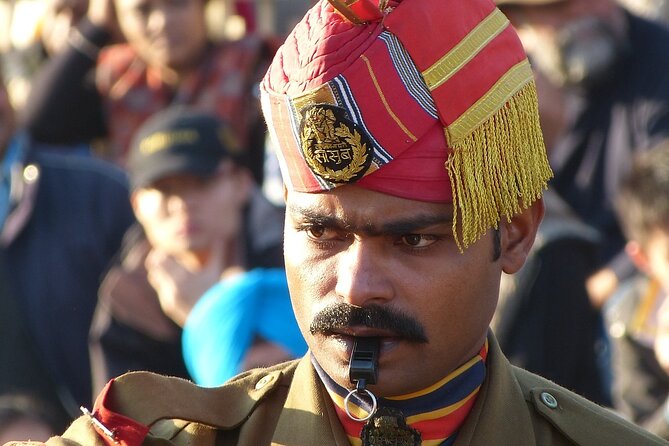
Wagah is the evening “main character.” This is the Wagah Border Ceremony, known for grand choreography and a dramatic flag retreat.
The tour includes a guided visit (about 1.5 hours) and handles timing so you get into the right rhythm for the ceremony. Your driver returns before sunset to take you to the border, which is crucial. If you arrive late, you’re stuck waiting and guessing in a crowd.
A key detail: the tour does not endorse or sell any VIP seats for Wagah. That’s good if you want the ceremony without paying for special access. It also means you should plan to enjoy the standard experience the way it’s meant to be seen.
You may also pass through or get shown nearby areas en route—one example from the information provided includes attention to Attari railway station before the ceremony. Even if you don’t spend long there, it helps connect the border spectacle to the post-Partition movement of people.
Practical tip: bring patience. This ceremony is popular, and you’ll spend a lot of time standing. Keep your water easy to reach, and dress for airflow and sun—or rain.
Guides, Drivers, and Why the Day Feels Low-Stress
This is a private tour, which means you get an experienced English-speaking guide and a dedicated driver. That sounds like a generic promise until you realize what it prevents: wrong turns, wasted time, missed closing hours, and awkward translation problems at sites with strict rules.
In the provided feedback, guide names like Ronit, Ravish, Rishi Kholi, Amandeep, and Raviish Ji show up repeatedly. While you might not get the exact same person, the pattern is consistent: the guides work to keep the day running smoothly and answer questions without making you feel rushed.
Transport is also part of the value. The day depends on getting from sacred sites to a border crowd without chaos, and reviews and details point to clean, comfortable vehicles and safe driving—even when traffic gets heavy.
If you like having someone who can explain what you’re seeing while you walk, this tour’s setup fits your style.
What to Wear and Pack (So You Don’t Lose Time)
This tour is straightforward about clothing expectations, and you should take them seriously because some religious places require it.
Wear:
- comfortable t-shirts, pants, and shoes
- clothes that cover full arms and legs (recommended/mandatory for some religious sites)
Avoid:
- heavy backpacks and camera bags
- expensive-looking clothes and accessories
- slippers or sandals
- loose outfits that can slow you down on uneven roads
In winter, bring a warm jacket and hand gloves. At the border, you’ll still be in open air, so warmth matters.
My practical take: pack like you’re going to be walking a lot twice—once around temples, and again around the ceremony area. Your feet will vote.
Price and Value: Is $54 a Good Deal?
At $54 per person, this tour can feel like a bargain if you compare it to what you’d pay for the same day doing everything separately in Amritsar.
Here’s what you’re getting for the money:
- private English-speaking guide
- private transportation
- hotel pickup and drop-off
- bottled water and umbrellas in the vehicle
- a drinks break with a complimentary drink
- new head covers to help with temple rules
- guided photo opportunities at scenic viewpoints
What’s not included:
- tips and gratuity
- VIP seats (and they don’t offer them)
- the Partition Museum ticket (and it may be closed Mondays)
Also, some admissions are free or included on the day’s plan (like the Golden Temple and the Wagah Border Ceremony entries listed as free). That matters because admission costs can add up when you’re trying to stack sites.
Overall, this price tends to make sense if you want:
- a guided day that covers the big Amritsar hits
- transportation stress removed
- the Wagah ceremony handled properly
If you only care about one or two stops, you may do better booking shorter, cheaper options. But for a first-time, one-day window, it’s strong value.
Who Should Book This Tour (and Who Might Skip It)
This is a good match if you:
- want a structured way to see Golden Temple, Jallianwala Bagh, Partition Museum, and Wagah
- don’t want to plan transport and timing across a long day
- like asking questions and getting context as you walk
- are traveling with family or in a small group and want a private vehicle
You might consider something else if:
- you’re only interested in one religious site and want free time for wandering and shopping
- you hate crowds and long standing periods (Wagah can be a stamina test)
- you’re visiting on a Monday and the Partition Museum matters most to your plan
Should You Book the Amritsar City Tour With Wagah Border Ceremony?
If your goal is a real day of Amritsar—temple spirituality, historical memory, and the famous Wagah flag retreat—this tour is an easy yes. The best part isn’t just the list of places. It’s the way the plan protects your time: pickup, transport, head covers, water, and guide-led context at each stop.
Book it if you want confidence and flow. Skip it if you prefer total freedom and you don’t want a packed schedule.
One last decision point: check the day. If you’re in Amritsar on a Monday, the Partition Museum is closed, so weigh what you’ll do with that time.
FAQ
How long is the Amritsar city tour with the Wagah Border Ceremony?
The tour runs about 8 to 9 hours.
Do they pick me up from my hotel and bring me back?
Yes. Pickup is offered, and you get round-trip hotel transfers.
What should I wear for the Golden Temple and other religious stops?
Wear comfortable clothing that covers full arms and legs, and wear shoes. Clothes covering full arms and legs are recommended as they are mandatory to enter some religious places. Avoid slippers or sandals.
Is the Partition Museum included, and is it open every day?
The Partition Museum admission is not included, and it remains closed on Mondays.
Are VIP seats available for the Wagah Border Ceremony?
No. They do not endorse or sell any VIP seats.
Are admissions included for all stops?
Golden Temple and the Wagah Border Ceremony are listed as free. Akal Takht and some Golden Temple campus stops are included. Partition Museum admission is not included.