REVIEW · ISLAMABAD
Hunza Valley Pakistan Family Tour
Book on Viator →Operated by Worldwise Travels · Bookable on Viator
Hunza feels made for family road trips. This private 6-day route packs big-mountain sights, glacier country, and local culture into a manageable pace, with a dedicated guide and driver handling the day-to-day. I especially like that car seats are available for children, so the ride feels less stressful for families.
You also get real-world convenience: breakfasts are included at your hotel, plus transfers to your hotel or the airport in Islamabad. One possible drawback to plan for is that this experience needs good weather, and the itinerary includes long stretches of driving—so it is best if your family is comfortable with “sit back and watch the scenery” time.
In This Review
- Key points to know before you go
- A tight, family-friendly way to see Hunza and Khunjerab
- Day 1 Islamabad to Naran: set off early, then settle in
- Day 2 Karakoram Highway highlights: Nanga Parbat and Rakaposhi
- Day 3 Altit Fort and Baltit Fort: culture you can actually see
- Day 4 Khunjerab National Park, Sust, and Attabad Lake
- Day 5 Naran again: the trip turns around
- Day 6 back to Islamabad: finish strong, not rushed
- Price and value: what you get for $1,099 per group (up to 3)
- Comfort and logistics that matter on mountain roads
- How active is it, really?
- The biggest decision: weather and timing
- Should you book this Hunza Valley Pakistan Family Tour?
- FAQ
- How many days is the Hunza Valley Pakistan Family Tour?
- What is the group size for this private tour?
- Are child car seats included?
- What meals and lodging are included?
- Are transfers in Islamabad included?
- Which major stops are included in the Hunza and Khunjerab area?
- Does the tour depend on weather?
Key points to know before you go
- Private group of max 3 means you can keep a family rhythm without waiting on strangers.
- Child car seats available helps if you’re traveling with young kids.
- Karakoram Highway viewpoint stops add short, high-impact breaks like Nanga Parbat and Rakaposhi.
- Altit Fort and Baltit Fort give you a clear sense of Hunza’s heritage in about an hour of sightseeing time each.
- Khunjerab National Park and Attabad Lake make one strong day: pass-area scenery plus a famous lake stop.
- Hands-on guidance from the driver/guide team is a standout in feedback, with names like Tanveer, Manzoor, and Rehan bhai showing up often.
A tight, family-friendly way to see Hunza and Khunjerab
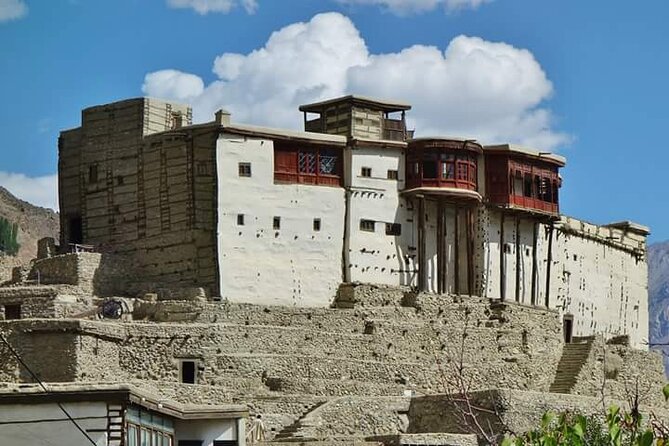
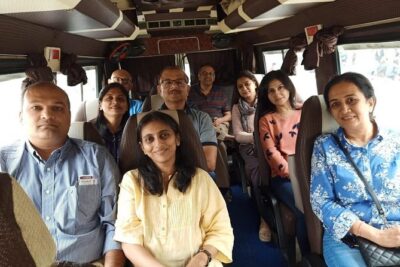
This tour is built for families who want a “great greatest-hits” introduction to northern Pakistan without doing the logistics themselves. You’re not bouncing between lots of small operators. Instead, you stay with the same air-conditioned vehicle and the same guide/driver concept throughout, which matters a lot when you’re traveling with kids or trying to keep everyone on schedule.
The route starts in Islamabad, then swings toward Naran before it settles into the Hunza and Khunjerab areas. Along the way, you get contrast: dramatic viewpoints on the Karakoram Highway, two major forts in Hunza, a high-mountain pass area at Khunjerab National Park, and a lakeside stop at Attabad Lake. It is an efficient mix of nature and culture, with short sightseeing durations that keep energy from draining too fast.
My favorite part for families is the balance. You get enough time to see places clearly, but not so much walking that everyone feels wrecked by midday. You can enjoy photos without feeling like you’re on a forced march.
You can also read our reviews of more tours and experiences in Islamabad.
Day 1 Islamabad to Naran: set off early, then settle in
Day 1 is a straightforward “get moving” day. You start early in the morning and drive toward Naran, with stopovers for breaks along the way. The drive time is listed as about 7 to 8 hours, and you arrive in the evening to check in and sleep.
This is a good approach for a first day. It avoids the classic mistake of arriving late and wasting your only useful daylight. It also gives your body time to adjust to the rhythm of the trip: car time, periodic pauses, then an actual hotel night to reset.
Still, be honest with your family about what this means. A 7–8 hour drive is long, even in an air-conditioned vehicle. If you’re traveling with small kids, bring car-friendly routine items (snacks, small toys, anything that helps them settle). The tour helps with car seats, but comfort still comes down to how you manage the ride.
Day 2 Karakoram Highway highlights: Nanga Parbat and Rakaposhi
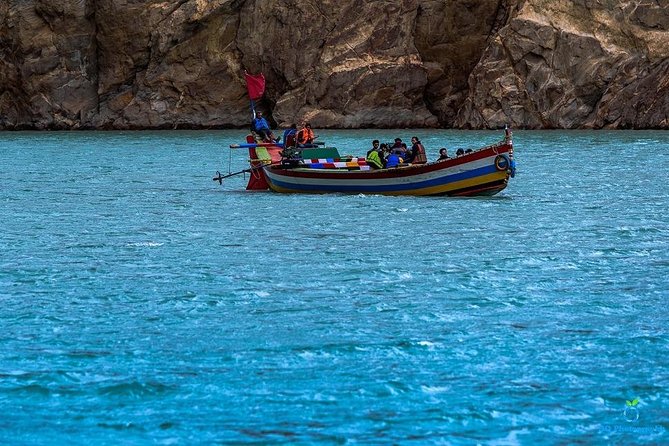
The second day is where the drive turns into sightseeing. On the way toward Hunza, you stop at the Nanga Parbat viewpoint for a short visit (about 30 minutes). Then you go to Rakaposhi View Point for about an hour.
These are quick stops, but the value is high because viewpoints are built for one thing: taking in a huge scene without hours of trekking. In a family tour, that’s a smart trade. You spend less energy, get more “wow” per minute, and still make progress toward the main Hunza base.
After those stops, you leave for Hunza via the Karakoram Highway. The day’s driving continues with more sightseeing along the route, and you reach Hunza in the evening.
One practical consideration: these viewpoint days reward patience. The best photos usually happen when the group is ready to slow down, wait a moment, and aim for the right angle. If your family tends to rush for the next stop, set a simple expectation early: you’ll stop often, but each stop is designed to be short and meaningful.
Day 3 Altit Fort and Baltit Fort: culture you can actually see
On Day 3, the tour focuses on Hunza’s historic heart with two major stops: Altit Fort and Baltit Fort.
Altit Fort is visited for about 40 minutes, and Baltit Fort is also about 40 minutes. That timing matters. You get enough time to look around, understand what you’re seeing, and take photos without feeling like you got a drive-by.
What I like about putting these two forts back-to-back is that they give you two perspectives on the same region. The info provided notes that Altit Fort was originally home to hereditary rulers of the Hunza state with the title Mir. Baltit Fort is described as being founded in the 8th century and on UNESCO’s World Heritage Tentative list since 2004. You’re not just seeing old stone; you’re seeing places tied to the way power and life worked in the valley long ago.
A small family-travel tip: forts can involve uneven surfaces. The tour durations are short, but the terrain may not be stroller-flat everywhere. If you’re traveling with very young kids, plan to keep the sightseeing pace gentle and use the fort time mostly for viewpoints, key rooms/areas, and photos.
Day 4 Khunjerab National Park, Sust, and Attabad Lake
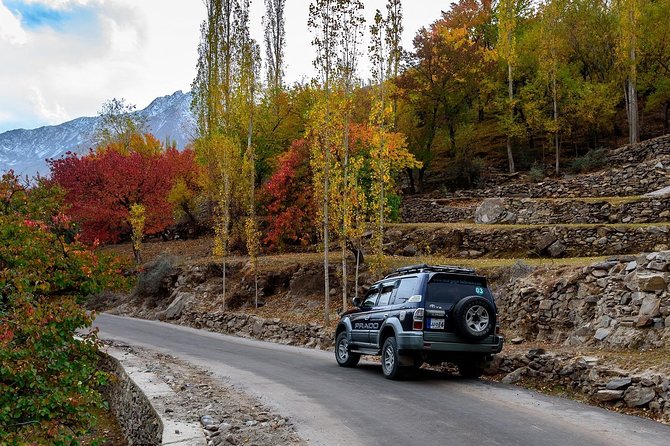
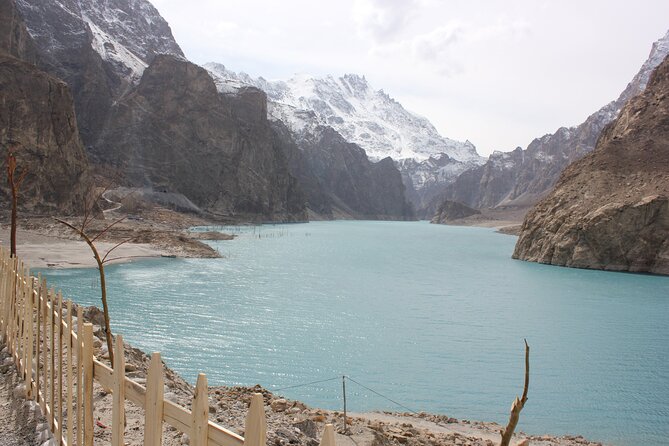
Day 4 is the tour’s most dramatic “high mountain pass” day. You visit Khunjerab National Park, plus Sust and nearby areas. Khunjerab is described as a high mountain pass at Pakistan’s northern border, and it also connects to the southwest border of China. The visit time listed is about 1 hour for the Khunjerab National Park stop.
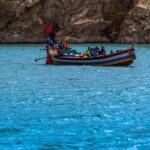
Then you move to Attabad Lake for a short lake visit, about 40 minutes. This is a classic pairing: one stop gives you the strategic, border-pass context; the next gives you the calm of water and a more relaxed feel after higher-elevation viewing.
For many families, this is the day that helps the trip feel complete. A fort day explains heritage. A viewpoint day explains the mountains. Khunjerab and Attabad Lake tie it together by showing the geography that shapes life here—where passes matter, and where the valley changes in ways you can see.
The main “consideration” is energy. Even without heavy walking, a long day of moving at altitude can make people tire faster than expected. Keep kids hydrated, take breaks when the guide suggests them, and don’t treat this day like a sprint.

Day 5 Naran again: the trip turns around
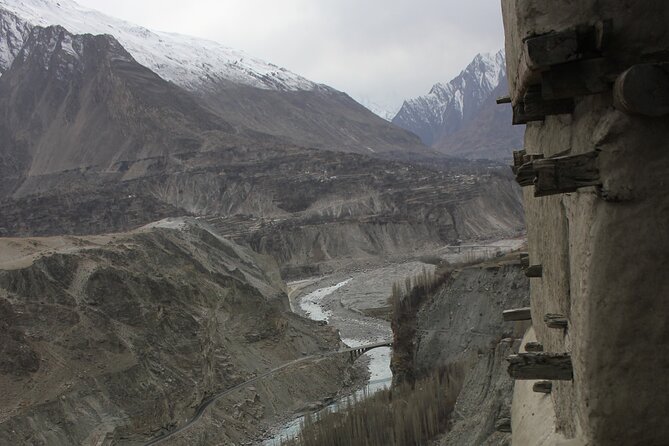
After breakfast, Day 5 drives you back toward Naran. This is a simpler day than Day 4, but it still matters because it breaks the tour into two halves: Hunza and Khunjerab experiences on one side, then the return leg to Naran on the other.
I like this structure for families. You get a final base for rest before the last day’s drive back to Islamabad. It also reduces the chance that you’re trying to do everything in a straight line with no decompression time.
If your family likes variety, this day can feel like a change of pace: fewer specific sightseeing stops and more steady road time. If your family dislikes road time, make Day 5 the day you’re most deliberate about comfort. Small routines work wonders on long returns—quiet activities for kids, and simple snack/water timing for everyone.
Day 6 back to Islamabad: finish strong, not rushed
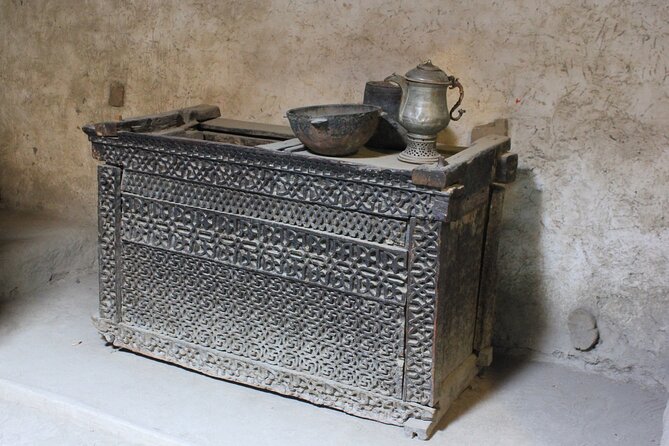
The final day continues the drive to Islamabad. The tour ends after that transfer.
By Day 6, most families are ready for the finish. But it’s still worth keeping expectations realistic: you’re not just leaving Hunza; you’re completing the whole northern loop. The best way to enjoy the last day is to treat it like a calm wrap-up rather than a final photo hunt.
If you’ve got energy left, use it for the moments that feel effortless: a good rest stop, a final look at the scenery when you have a safe chance, and then a smooth arrival in Islamabad.
Price and value: what you get for $1,099 per group (up to 3)
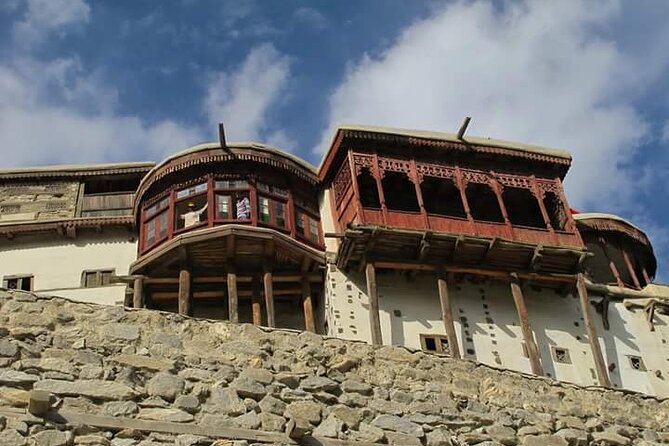
At $1,099 per group (up to 3), this is priced for a small private family unit. The value isn’t just the sightseeing. It’s how the tour reduces friction.
Here’s what’s included in the trip package you’re paying for:
- Air-conditioned vehicle with pickup-style transfers
- Fuel surcharge
- Accommodation: one room per night
- Breakfast included for 5 mornings
- Your guide and driver taking care of you the entire way
- Transfer to your hotel or airport in Islamabad
- A mobile ticket
Those inclusions add up quickly when you compare against piecing things together separately. Hotels plus transport plus guided time can easily cost more once you factor in the logistical overhead. For a family of up to three, the private setup also tends to be less stressful than finding a larger group option with a fixed pace.
One way to think about it: you’re paying to turn a complex route into a managed experience. That trade is often worth it when you’re traveling with kids or when you want to avoid decision fatigue.
Comfort and logistics that matter on mountain roads
This tour includes car seats for children, and it runs in an air-conditioned vehicle. Those sound basic, but on the Karakoram Highway, they can make the difference between a tolerable trip and a miserable one.
Also, notice the way the schedule is built around short stays at key points: 30 minutes, 1 hour, then fort visits around 40 minutes. That structure is friendly for mixed-age families. You can keep kids engaged without turning every stop into an all-day commitment.
A practical way to plan for success is to think in layers. Daytime in mountain regions can vary, and you’ll be in and out of the car repeatedly. Even if the tour doesn’t promise specific weather conditions beyond the fact it needs good weather, you’ll enjoy the trip more with clothing that adapts.
Finally, keep your “photo expectations” aligned with the stops. You won’t get hours at every location. You’ll get the best kind of time for families: enough to see it, enough to learn a bit, enough to get your pictures, then you move on.
How active is it, really?
Based on the scheduled durations, this is not an intense hiking tour. The sightseeing blocks are mostly short and focused:
- Nanga Parbat viewpoint: about 30 minutes
- Rakaposhi View Point: about 1 hour
- Altit Fort and Baltit Fort: about 40 minutes each
- Khunjerab National Park and nearby areas: about 1 hour
- Attabad Lake: about 40 minutes
That means the main challenge is typically endurance for road time, not strenuous activity. If your family is comfortable with driving days and short walking segments, you’ll likely do well.
If your group includes someone who struggles with uneven surfaces, forts and viewpoint areas can require careful footing. The tour durations help, but do plan to move slowly and take breaks when needed.
The biggest decision: weather and timing
The experience is clear that good weather is important. That makes sense for mountain passes and high-country routes, where visibility and conditions can change.
So before you lock in your dates, check your flexibility. If you have the option to adjust, choosing a window with steadier weather can improve your experience. If not, it still can work—just remember that this isn’t a place where conditions can be ignored.
Also keep the “season reality” in mind. Even when roads are open, mountain regions can feel different day to day. Your best strategy is a calm mindset: you came for the mountains and culture, and you’ll get the most out of it when you accept that the schedule is designed around the region’s realities.
Should you book this Hunza Valley Pakistan Family Tour?
I’d recommend booking if you want a private, family-focused way to cover Hunza and Khunjerab in a compact 6-day plan. It’s especially appealing when you value included transfers from Islamabad, hotel breakfasts, and a dedicated guide/driver who handles the route. The short, well-timed sightseeing stops make it easier to manage kids, and the combination of viewpoints, forts, Khunjerab National Park, and Attabad Lake gives you a satisfying mix without overwhelming your day.
I would hesitate if your family hates long car days or if you’re traveling at a time when weather flexibility is impossible. This itinerary can’t turn into a short city break. It’s a real northern road trip.
If you fit the first group more than the second, this is a solid way to see Pakistan’s north with less stress and more meaning per stop.
FAQ
How many days is the Hunza Valley Pakistan Family Tour?
It runs for about 6 days.
What is the group size for this private tour?
It is a private tour with a maximum group size of 3.
Are child car seats included?
Yes, car seats are available for children.
What meals and lodging are included?
The tour includes accommodation (one room per night) and breakfast is included for 5 mornings.
Are transfers in Islamabad included?
Yes. Transfer to your hotel or airport in Islamabad is included.
Which major stops are included in the Hunza and Khunjerab area?
You visit Altit Fort and Baltit Fort, then Khunjerab National Park (including Sust and nearby areas), plus Attabad Lake.
Does the tour depend on weather?
Yes. The experience requires good weather, and if it is canceled due to poor weather, you’ll be offered a different date or a full refund.