REVIEW · ISLAMABAD
7-Days Autumn Tour to Hunza Valley
Book on Viator →Operated by Falcon Adventure Club · Bookable on Viator
Hunza without the chaos. This private autumn road trip through northern Pakistan mixes big views with a guide who keeps logistics under control, so you can focus on the scenery and photos. I especially like the private pace for just your group, and I also like that a travel guide handles the major moving parts like transport and accommodations.
One thing to consider: the days are packed with many short stops and viewpoints, plus this trip depends on good weather, so if conditions are rough, plans can shift.
In This Review
- Key things I’d bank on before you go
- Private Hunza in 7 days: what the flow actually feels like
- Islamabad kickoff: dinner at Monal and an easy start
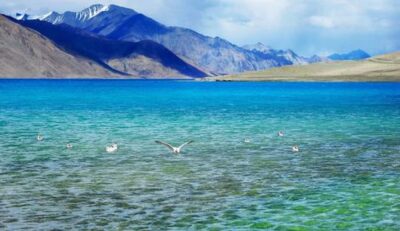
- Naran, Babusar Pass, and Lulusar Lake: the first taste of big scenery
- Gilgit viewpoints: Nanga Parbat and Rakaposhi give you that wow factor
- Attabad Lake, Sost, and Khunjerab Pass: the heavyweight day
- Karimabad and Hunza forts: market time plus a brief heritage stop
- Naran again, then Balakot: finishing the loop without losing your energy
- Back to Islamabad: drop-off after a proper final visit
- Value check: what you’re paying for at $1,080 per person
- Comfort, hotels, meals, and real-world expectations
- Booking timing and weather reality
- Should you book this Hunza Autumn tour?
- FAQ
- How long is the Hunza Valley tour?
- Where does the tour start and end?
- Is this tour private?
- What’s included in the price?
- What kind of accommodation can I choose?
- Do I get a ticket on my phone?
- Are there age or fitness requirements?
- What happens if weather is bad?
Key things I’d bank on before you go
- Private group setup means you control the tempo more than on bus-style group tours
- Air-conditioned vehicle + guide helps you stay comfortable and oriented on long drives
- Classic highland stops like Babusar Pass, Lulusar Lake, and multiple Hunza viewpoints
- Khunjerab Pass day is built for the best photo angles and a realistic amount of time
- Standard or deluxe accommodation options let you match your comfort level
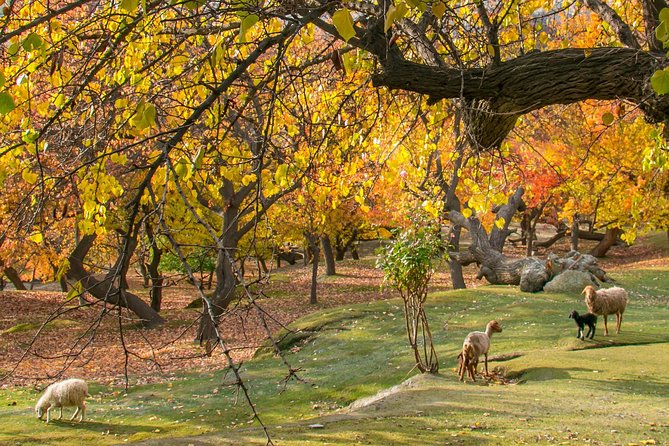
- Autumn timing is popular for clear mountain light and crisp, photogenic scenery
Private Hunza in 7 days: what the flow actually feels like
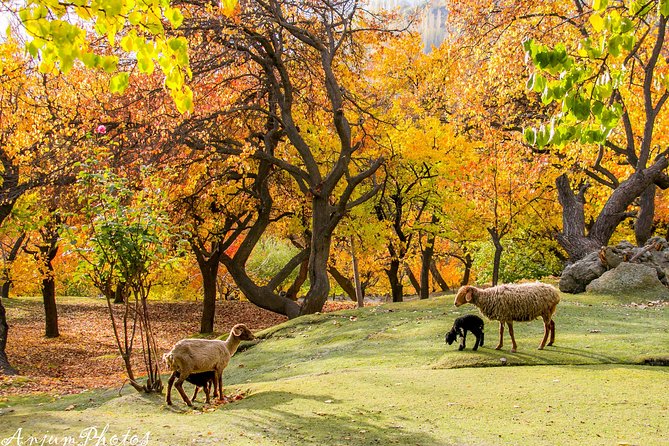
This tour is designed for people who want northern Pakistan highlights without spending every day figuring out directions, tickets, and where you’re sleeping. You start and end in Islamabad, and throughout the week you move in a loop through the mountain corridor—passing through places like Gilgit, Hunza Valley villages, and the Khunjerab Pass area.
The biggest practical win is the private setup. With just your group, you’re less likely to feel rushed by a tight herd schedule. Instead, your guide can shape the timing around your interests and energy level—especially at scenic pull-offs where photo time can stretch or shrink depending on the light and your group’s comfort.
You also get a real “road-trip with a plan” structure. This isn’t a slow village stay where you linger in one place for days. It’s more like a string of strong stops, with the driving doing most of the connecting. If you’re the type who likes ticking off major viewpoints efficiently (and then soaking in the best ones longer), you’ll probably love the rhythm.
You can also read our reviews of more tours and experiences in Islamabad.
Islamabad kickoff: dinner at Monal and an easy start
Day 1 stays simple on purpose: you’re in Islamabad, and the evening is anchored around dinner at Monal. That’s a smart way to settle in. You’re not jumping straight into mountains before you’ve had a proper meal and a little orientation time.
Also pay attention to the “transport and logistics handled” approach. This kind of trip can feel stressful when you have to coordinate everything yourself. Here, the tour structure does that work for you, so you’re mainly focused on getting to dinner, meeting your guide, and preparing for the next morning’s drive.
If you’re arriving from elsewhere and you tend to hate the feeling of running around on Day 1, this tour’s start helps. It gives you a smoother mental landing.
Naran, Babusar Pass, and Lulusar Lake: the first taste of big scenery
Day 2 is your transition day into the higher scenery. You’ll stop for lunch at Naran, then continue with quick breaks at Babusar Pass and Lulusar Lake.
Here’s what that means in real life:
- The Naran lunch stop gives you a chance to eat, reset, and break the drive into manageable chunks.
- Babusar Pass is short—about 20 minutes—so think of it as a viewpoint-style stop. You’ll get enough time for photos and a quick look, but you won’t be doing a long walk.
- Lulusar Lake also stays brief. That’s ideal if you want to see it without turning the day into a full hiking project.
One drawback of this style is that short stops reward people who are flexible and camera-ready. If you prefer to linger, you’ll need to accept that some moments here are intentionally quick. Still, it’s a great way to get your “mountain senses” activated early in the week.
Practical tip: bring a camera plan. When you’re on the road, you’ll be moving in and out of viewpoints fast. If you know your best shot angles in advance (even roughly), you’ll waste less time when you only have minutes.
Gilgit viewpoints: Nanga Parbat and Rakaposhi give you that wow factor
On Day 3, the route turns into a more scenic day with multiple stops that focus on iconic mountains.
You start with a stop at a Nanga Parbat viewpoint, then pause in Gilgit city for about 20 minutes, then head to the Rakaposhi viewpoint where lunch is planned and you’ll have around 40 minutes.
This day is built for variety:
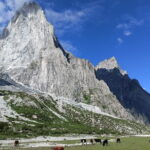
- Nanga Parbat viewpoint is a quick hit. You’re there long enough to see the scale and capture photos, not long enough to turn it into an all-day trek.
- Gilgit city is a taste of everyday life. Even with only 20 minutes, it can help you break the “only scenery, only views” monotony and understand where you are geographically.
- Rakaposhi is your longer stop. The extra time makes it a better place for photos, people-watching from a safe viewing area, and a more relaxed lunch pause.
You’ll probably feel that Day 3 is where the trip starts to feel like a “real adventure” rather than just a driving itinerary. If you’re traveling with kids or people who get bored in transit, that mix of mountain viewpoints plus a short city stop can work well.
Attabad Lake, Sost, and Khunjerab Pass: the heavyweight day
Day 4 is the big-ticket day in most people’s minds. You’ll spend time at Attabad Lake, take a lunch break in Sost, and then reach Khunjerab Pass for another longer viewpoint stop.
What makes this sequence effective is how it builds anticipation:
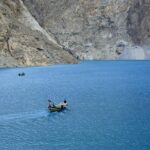
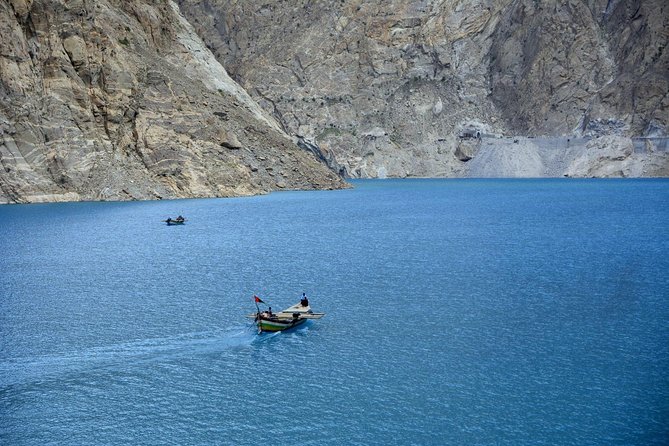
- Attabad Lake is a clear scenery stop—about 30 minutes—so you’re not just driving past it. You get time to look and take photos.
- Sost is scheduled for a lunch break of about 40 minutes. That’s important because by the time you reach this point in the day, you’ll want a real pause, not a quick “grab and go.”
- Khunjerab Pass is where you’ll likely spend the most emotional energy. You get around 40 minutes at the pass area, which is enough time to see the view, adjust for conditions, and capture photos without feeling like you’re rushing.
One key consideration: this trip requires good weather. That doesn’t mean you should panic, but it does mean you should plan your expectations. On mountain routes, visibility and conditions matter, so the “value” of Khunjerab Pass and the big viewpoints depends on what the sky gives you.
Pack mindset: plan for changing weather and bring layers. Even in autumn, mountain conditions can shift quickly. Your guide will be watching conditions, but you’ll be glad you prepared your clothing for comfort.

Karimabad and Hunza forts: market time plus a brief heritage stop
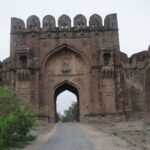
Day 5 turns from viewpoint-focused stops to a Hunza village experience. You’ll spend about 2 hours in Karimabad’s market, plus you’ll visit Hunza forts (the forts stop is very short, listed at about 2 minutes).
That market time is the main event. Two hours gives you enough time to wander, snack if you want to, and get a feel for the place beyond the photo stops. Market time also tends to be more engaging for mixed-age groups. Even if someone isn’t as into mountain photography, they can enjoy browsing and taking in the local pace.
The fort stop being brief is something you should notice. If you love deep historical exploration, you might find it short. If you prefer photos and a quick orientation, it still works, and the market time makes up for the shorter heritage component.
If you’re the type who likes buying small souvenirs, bring a bit of cash and keep an eye on your items while you’re taking photos. In busy market moments, people can drift into your path fast.
Naran again, then Balakot: finishing the loop without losing your energy
On Day 6, the route includes another stop in Naran (about 30 minutes) and a stop in Balakot (about 30 minutes). This is one of those days where the goal is to keep the itinerary moving toward Islamabad, while still giving you a couple of meaningful refresh points.
The Naran return likely feels like a second look—maybe different light, maybe a different mood. Since it’s shorter, treat it as a quick stroll and photo chance rather than a full revisit.
Balakot is a brief pause. You’re not meant to settle in for the day here; it’s more of a scheduled breathing moment in the route.
This is also where I’d pay attention to your personal stamina. If you’re feeling tired, ask your guide for a simple plan for the next stop—like where to walk for photos and where to rest afterward. Private touring makes those small adjustments easier than in larger group setups.
Back to Islamabad: drop-off after a proper final visit
Day 7 wraps up with Islamabad again. You’ll have about 2 hours for an Islamabad visit, followed by a drop at the airport.
That final city time is useful. It’s long enough to feel like you got closure rather than simply being transferred out. If you’ve been living in mountain viewpoints for days, this kind of reset helps your brain accept that the trip is ending.
Also, the trip uses a mobile ticket, and pickup/drop logistics are part of the planned flow. That matters at the end of a tour, when you don’t want to be hunting for instructions.
Value check: what you’re paying for at $1,080 per person
At $1,080 per person, this isn’t an economy bargain. You’re paying for:
- a private tour (not shared with strangers)
- an air-conditioned vehicle
- a dedicated travel guide
- standard hotels
- and the structure that groups the driving into stops with set timing
It also helps that this type of trip tends to be booked early—this one is commonly reserved about 97 days in advance. That’s often a sign of limited availability and high demand during scenic seasons.
Where the price can feel worth it:
- If you value comfort during long drives (air-conditioned vehicle)
- If you want fewer headaches (guide handles transport and accommodation)
- If your group includes kids or mixed interests, because private pace can prevent meltdowns
Where the price might feel steep:
- If you’re mainly after one or two places and would rather piece together cheaper routes yourself
- If you want extended time for hiking or long museum-style exploration (because the stops are short by design)
Think of the cost as paying for time, planning, and reduced stress. If you’re already a confident independent traveler who enjoys managing logistics, you might not feel the same value. But if you want the road trip experience with fewer unknowns, the setup makes sense.
Comfort, hotels, meals, and real-world expectations
The tour includes standard hotels, and it offers a choice between standard or deluxe accommodation style. Since your accommodation preference is configurable, you can match this to your comfort needs without turning the whole plan into a luxury budget.
Breakfast is included 6 times. Other meal stops are scheduled in the plan (like Monal dinner and lunches at Naran, Rakaposhi, and Sost), but the only meal clearly listed as included is breakfast. So budget for lunches/dinners unless your booking confirms otherwise.
What you can expect for comfort:
- you’ll have an air-conditioned vehicle
- you’re traveling with a guide
- the tour is private, so you’re not sharing pace and comfort tradeoffs with a large group
Fitness note: the tour asks for moderate physical fitness. That likely means you should be able to move at viewpoints, handle short walks, and manage day-to-day travel without needing a slow, stop-start schedule. If you have mobility limits, ask the provider how the planned stops work in practice.
Booking timing and weather reality
This experience requires good weather. If it gets canceled due to poor conditions, you’ll be offered a different date or a full refund.
It also requires a minimum number of travelers, which means occasionally dates can change if that threshold isn’t met. The private tour angle helps with your enjoyment, but minimum traveler rules still apply.
On the decision side: because scenic seasons get booked, reserving early is smart. At roughly three months ahead on average, you’re already playing the game at the right speed.
Should you book this Hunza Autumn tour?
You should strongly consider booking if:
- you want a private route with a guide running logistics
- your priority is seeing major Hunza and surrounding highlights without spending days planning
- you like photo-friendly stops and don’t mind that many are short
- you’re traveling as a family or in a mixed group where private pacing helps
You may want to think twice if:
- you want long hikes or extended time in each place
- you’re very sensitive to schedule changes from mountain weather
- you’re trying to keep costs very low and don’t need guided transport and lodging
One more good sign: the reviews emphasize excellent customer service, good communication, prompt timing, and the way the team accounts for people’s needs (including families with kids). That lines up with what you’re really buying here: calm organization on a demanding route.
If that sounds like your style of travel, this is a solid way to do Hunza in autumn—efficient where it should be, and scenic where it matters.
FAQ
How long is the Hunza Valley tour?
It’s listed as 7 days (approximately).
Where does the tour start and end?
The tour starts in Islamabad and finishes in Islamabad, with a visit on the final day and drop-off at the airport.
Is this tour private?
Yes. It’s described as a private tour/activity, with only your group participating.
What’s included in the price?
Included services mention all fees and taxes, an air-conditioned vehicle, a travel guide, standard hotels, and breakfast (6).
What kind of accommodation can I choose?
You can choose between standard or deluxe accommodation style, and the included option is described as standard hotels.
Do I get a ticket on my phone?
Yes. It includes a mobile ticket.
Are there age or fitness requirements?
Travelers should have a moderate physical fitness level.
What happens if weather is bad?
The tour requires good weather. If it’s canceled due to poor weather, you’ll be offered a different date or a full refund.