REVIEW · ISLAMABAD
Discover Peshawar Full Day Guided Tour from Islamabad
Book on Viator →Operated by Travel Pakistan · Bookable on Viator
Peshawar is a whole day in itself. This full-day guided trip from Islamabad is built for fast context: you get major landmarks, museum time, and market wandering without you having to map it all yourself. I like the mix of Gandhara Museum and local architecture, and I also like that you can end up with a guide such as Waqas Khan, who’s known for flexible, practical explanations.
The tour moves at a sensible pace for an 8 to 12 hour day, with short stops and just enough time to look, listen, and ask questions. A key plus for me is the comfort and simplicity: air-conditioned transport with bottled water and the big-ticket basics handled. The main drawback to plan for is timing—some sights are intentionally brief, so you’ll get impressions, not a slow, museum-by-museum deep study.
In This Review
- Quick hits before you go
- A one-day Peshawar plan from Islamabad (8–12 hours)
- How the route starts: Attock Bridge and the regional “why”
- Gandhara Museum: setting the context before the streets
- Qissa Khawani Bazaar and Chowk Yadgar: stories in public spaces
- Mahabat Khan Mosque and Cunningham Clock Tower: monuments with quick context
- Sethi House Museum: Pashtun home design in the spotlight
- Fort Bala Hisar: hilltop fort energy, short viewing
- Walled City: the real feel of old Peshawar streets
- Price and logistics: does $120 make sense?
- Who this tour fits best (and who might want a different plan)
- Should you book this Peshawar day tour?
- FAQ
- How long is the Peshawar tour from Islamabad?
- What time does the tour start?
- Is pickup included?
- What is included in the tour price?
- Are museum or attraction admission tickets included?
- What stops are included in the full day?
- Is this a private tour or a shared group tour?
- Can I cancel for free?
Quick hits before you go
- Attock Bridge stop helps you understand the region’s geography before you hit Peshawar
- Gandhara Museum gives you the background for what you’re seeing later in town
- Qissa Khawani Bazaar and Chowk Yadgar add human-scale street life to the monuments
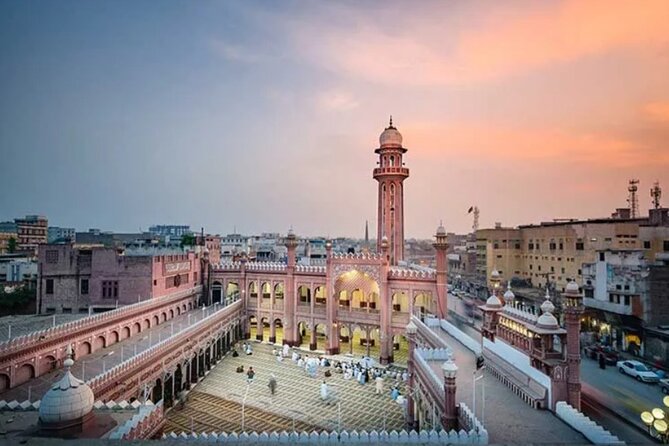
- Mahabat Khan Mosque is a 17th-century Mughal-style stop that packs visual impact quickly
- Sethi House Museum shows Pashtun residential design, not just public buildings
- Walled City streets are the payoff if you like walking and reading architecture
A one-day Peshawar plan from Islamabad (8–12 hours)
This is the kind of day tour that works when you have limited time in Islamabad but still want to feel you’ve actually been to Peshawar, not just driven through it. The schedule is designed around short, purposeful visits that help you connect the dots: ancient heritage first, then religious and civic landmarks, then the old urban core.
You should expect a long day. The drive time is part of the experience whether you love road trips or not, and the tour runs roughly 8 to 12 hours from the 8:00 am start. That timing matters because you’ll be moving in chunks—each stop has a set window, so bring an attitude of see, understand, and move on.
The “private” setup is also worth noting. It’s not a crowded bus with strangers fighting for photos. Your group only shares the tour with itself, so if you want questions answered on the spot, it’s usually easier.
You can also read our reviews of more tours and experiences in Islamabad.
How the route starts: Attock Bridge and the regional “why”
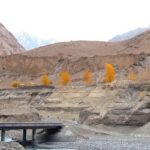
Most day trips jump straight into city sights. This one adds a geographic anchor with a stop at the Attock Bridge, which crosses the Indus River. The bridge is a vital junction connecting Punjab and Khyber Pakhtunkhwa, and it was completed in 1883—a detail that helps you understand why Peshawar sits where it does in the broader story of travel and trade.
For you, that matters because once you know the route logic, the city stops feel more connected. You’re not just collecting photos; you’re learning the “why” behind movement through the area. Even if you only spend a short time there, it’s a quick reset: eyes outside the car, then right back in to history.
Gandhara Museum: setting the context before the streets
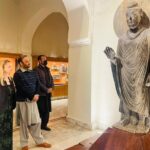
Your first real cultural stop is the Peshawar Gandhara Museum. The main value here is orientation. Gandhara is tied to Buddhist-era art and the wider history of the region, and the museum’s collection helps you recognize themes you’ll otherwise miss when you’re just walking around.
You get about 30 minutes at this stop, and the entry is included. That’s not a full slow museum day, but it’s long enough to grab the big ideas and leave with a mental map. I like starting with a museum because it turns later sightseeing into something you can interpret. You’ll look at the city and think, ok, this is how the layers sit on top of each other.
If you prefer lots of reading, plan to be selective. In a time-limited stop, your best strategy is to pick a few pieces or themes and let those guide your questions to the guide.
Qissa Khawani Bazaar and Chowk Yadgar: stories in public spaces
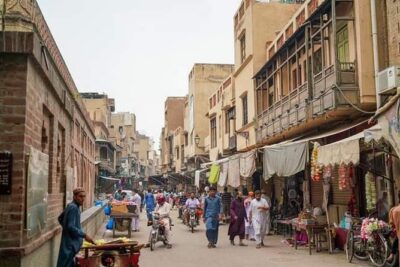
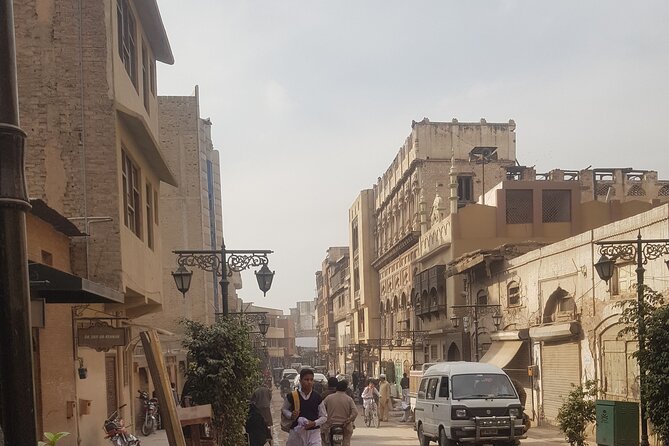
Once the heritage groundwork is done, you hit the living city. Qissa Khawani Bazaar is known as the Bazaar of Stories, and it’s a place where the old function of markets still shows through. The time here is about 30 minutes, and entry is free.
This is the kind of stop you enjoy most if you like street-level details: how people move through narrow lanes, what kinds of goods are nearby, and how public space feels in daily life. It’s also a good moment to ask your guide what to look for. In a busy market, having someone point out patterns saves you time and keeps your photos from becoming random.
Then you get a quieter but still lively civic moment at Chowk Yadgar, a historic square in the city center. Expect around 10 minutes here, and entry is free. A short stop like this is useful when you’re trying to picture Peshawar as a place people actually gather—not only a set of monuments.
The caution: if you’re expecting a “sit and admire” vibe, these bazaar and square moments are more active than that. Wear comfortable shoes and keep your phone charged, because you’ll want to capture the details fast.
Mahabat Khan Mosque and Cunningham Clock Tower: monuments with quick context
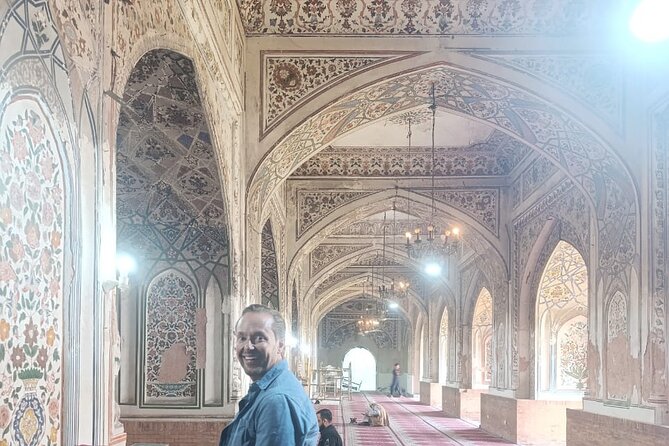
Two landmarks handle religious and colonial-era threads in the urban weave.
First up is the Mahabat Khan Mosque, built in the 17th century, known for Mughal architecture and intricate design. You’ll get around 25 minutes, and entry is free. This stop is less about speed-clicking and more about paying attention to layout, ornament, and symmetry. Even with a limited time window, the architecture can teach you a lot if you pause and look.
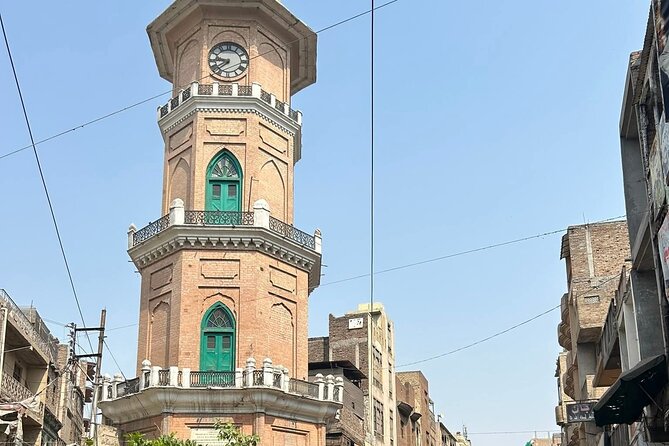
Next comes the Cunningham Clock Tower, a colonial-era landmark in the heart of the city. The stop is about 10 minutes, and entry is free. It’s short, but it plays an important role: it shows how different ruling styles left their mark on the same city space.
How to get more out of these two stops: don’t treat them as separate photos. Instead, treat them as two different languages of power and public life—one expressed through mosque design, the other through clock-tower civic presence.
If you have a low tolerance for walking, this portion may feel fast-paced, but the itinerary timing keeps it from becoming stressful.




Sethi House Museum: Pashtun home design in the spotlight
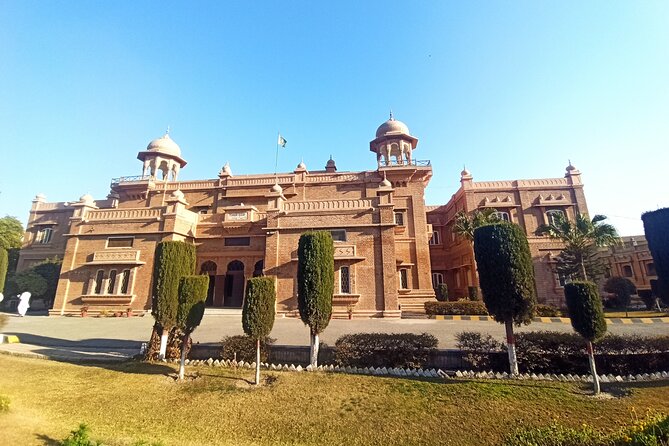
If you like architecture that’s personal—not just monumental—make sure you pay attention at the Sethi House Museum. This 19th-century residence is known for traditional Pashtun architecture, including intricate woodwork and frescoes. Admission is included, and you’ll have about 30 minutes.
Why this stop works so well on a day tour: museums about homes and domestic design are often the best antidote to only seeing public sites. You learn how wealth and craftsmanship expressed themselves in everyday space. Even if you only have half an hour, it’s enough to notice the craftsmanship patterns and imagine the people who lived there.
The trade-off is that frescoes and woodwork can be easier to miss if you rush. Keep your eyes open, and don’t be shy about asking your guide what features are most important—this is exactly the type of question guides can make feel easy.
Fort Bala Hisar: hilltop fort energy, short viewing
Next is Fort Bala Hisar. You’re not going deep inside on this schedule; the stop is about 5 minutes and admission isn’t included. Even so, it’s worth the glance, because the fort sits high on a hill overlooking Peshawar, with formidable walls that hint at why it was strategically important.
This is a practical stop: it helps you orient to the terrain and understand how elevation changes defense and city views. If you’re the type who likes dramatic silhouettes, you’ll appreciate what you can see from this quick viewpoint.
The only real consideration here is expectation. Don’t plan this as a major fort visit; it’s more of a “you can’t fully get it until you see it from here” moment.
Walled City: the real feel of old Peshawar streets
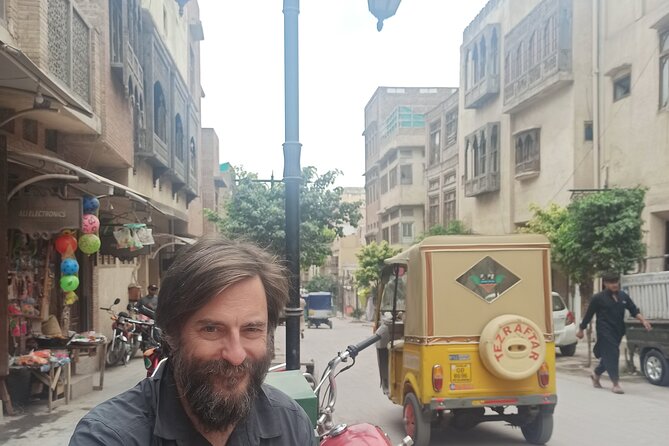
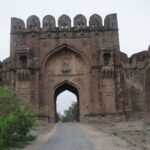
The day closes with the area that makes Peshawar feel like Peshawar: the Walled City. This is an enclosed old urban zone with historic walls, narrow streets, ancient gates, and bazaars. You’ll also encounter older havelis, plus mosques and other historical structures.
Time is about 30 minutes, and entry is free. This is where your earlier stops pay off, because once you’re walking the old street pattern, you can start to connect what you learned in the museum to what you see outside.
If you like street photography or simply enjoy walking through older quarters, this is the moment you’ll remember most. The lanes can be tight, and you’ll want to keep your pace steady so you don’t lose the group—your time is limited, and the point is to see enough to get the “shape” of the neighborhood.
The caution: if you dislike crowds and walking, the old-city atmosphere may feel a lot more active than the museum and mosque stops. Comfortable shoes and patience help.
Price and logistics: does $120 make sense?
At $120 per person, this tour isn’t the cheapest way to do Peshawar, but it’s also not priced like a luxury private driver with endless time. The value case comes down to what’s included.
You get an air-conditioned vehicle, bottled water, and all fees and taxes. You also get a mobile ticket and pickup is offered. Plus, the guide component matters: a good guide turns a list of stops into a story you can actually understand.
What’s not included is also clear. Brunch and dinner aren’t part of the price, and tips aren’t included. That means you’ll want to plan food around the schedule. For a long day, I recommend you treat meals as your own control point: eat something filling before the tour starts, and then handle lunch/snacks based on how your day flows.
One more practical note: the tour is described as private for your group. That can be a real value if you’re traveling with friends or family who want flexibility and don’t want to wait for other people.
Who this tour fits best (and who might want a different plan)
This full-day tour works best for you if you want:
- A single day that covers major Peshawar highlights without you building a route
- A mix of museum + streets + religious and civic landmarks
- A guide who can adapt explanations to what you care about, like the flexible service highlighted by Waqas Khan in feedback you might come across
It’s also a good option if you’re the type who likes learning context first, then walking through the city with better “reader eyes.”
You might consider a different approach if you:
- Need long, slow time at museums or forts
- Prefer purely outdoor sightseeing with no structured stops
- Don’t do well with a long day from Islamabad (the schedule is built for momentum)
Should you book this Peshawar day tour?
Book it if you want a grounded introduction to Peshawar with practical guidance, museum context, and enough street time to feel the old city. The itinerary is paced for understanding, not for endless wandering, and that makes it a strong choice when your trip schedule is tight.
Skip it (or pair it with extra time) if you’re the kind of traveler who needs hours in one place to fully “soak it in.” This tour is about covering the key ideas and locations in a single pass, so you’ll get breadth and direction. If you come back later for slower visits, you’ll know exactly what to prioritize.
If you do book, the best move is simple: plan your footwear, keep expectations realistic about time at each stop, and show up ready to ask questions.
FAQ
How long is the Peshawar tour from Islamabad?
The tour duration is listed as approximately 8 to 12 hours.
What time does the tour start?
The start time is 8:00 am.
Is pickup included?
Yes, pickup is offered.
What is included in the tour price?
The price includes an air-conditioned vehicle, bottled water, and all fees and taxes.
Are museum or attraction admission tickets included?
Admission is included at the Peshawar Gandhara Museum and Sethi House Museum. Other stops like Qissa Khawani Bazaar, Mahabat Khan Mosque, Cunningham Clock Tower, and Chowk Yadgar are listed as free. Fort Bala Hisar is listed as admission not included.
What stops are included in the full day?
The tour includes Peshawar Gandhara Museum, Qissa Khawani Bazaar, Mahabat Khan Mosque, Cunningham Clock Tower, Chowk Yadgar, Sethi House Museum, Fort Bala Hisar, Attock Bridge, and the Walled City.
Is this a private tour or a shared group tour?
It’s described as a private tour/activity, meaning only your group participates.
Can I cancel for free?
Yes. Free cancellation is offered up to 24 hours in advance for a full refund.