REVIEW · SHIMLA
Shimla: Wildlife Sanctuary & Water Catchment Guided Tour
Book on GetYourGuide →Operated by Wonders of Himalaya · Bookable on GetYourGuide
Shimla gets quieter fast in the forest. I really like the off-road bike ride through shaded greenery, and I loved the story behind the water catchment system that still supports the city. The main drawback is simple: because this is a sanctuary where animals are left to live naturally, wildlife sightings are never guaranteed.
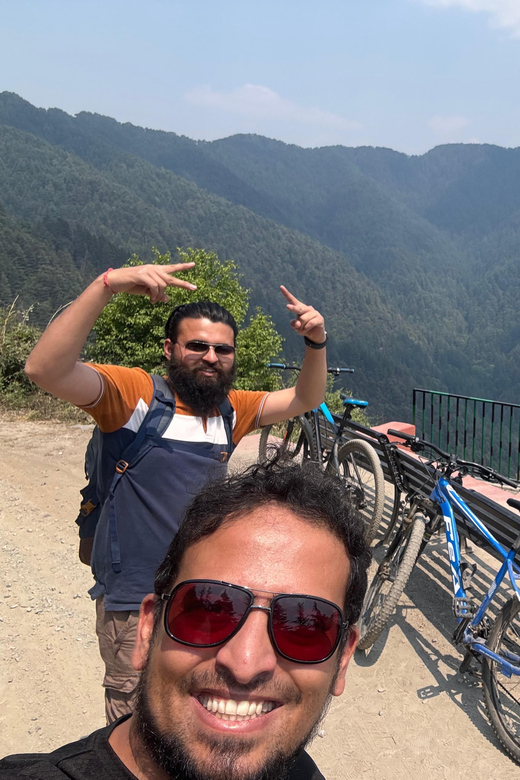
A good guide makes the difference here, and I’d trust names like Pawan and Raghav to keep things clear, practical, and interesting. You’ll be moving at an easy pace through trails and forest roads, with enough flexibility to do it by bike, on foot, or via e-rickshaw depending on your energy level.
In This Review
- Key highlights you’ll feel on the ground
- A quiet side of Shimla: forest roads and a working water catchment
- Choosing your pace: bike, guided walk, or e-rickshaw
- First forest loop: cycling or walking into the protected greenery
- The water catchment story at Seog Water Tank
- Wildlife sanctuary facts you’ll actually use on the trail
- Second forest loop: more trails, more chances for quiet wildlife moments
- E-rickshaw wildlife time: easier coverage without losing the point
- Price and value: why about $26 can make sense
- When to go: seasonal timing and daily hours that matter
- What to bring (and what to avoid) for a smooth forest visit
- Who should book this tour, and who should skip it
- What the guides do well: Pawan and Raghav as the right kind of host
- Should you book the Shimla Wildlife & Water Catchment tour?
Key highlights you’ll feel on the ground
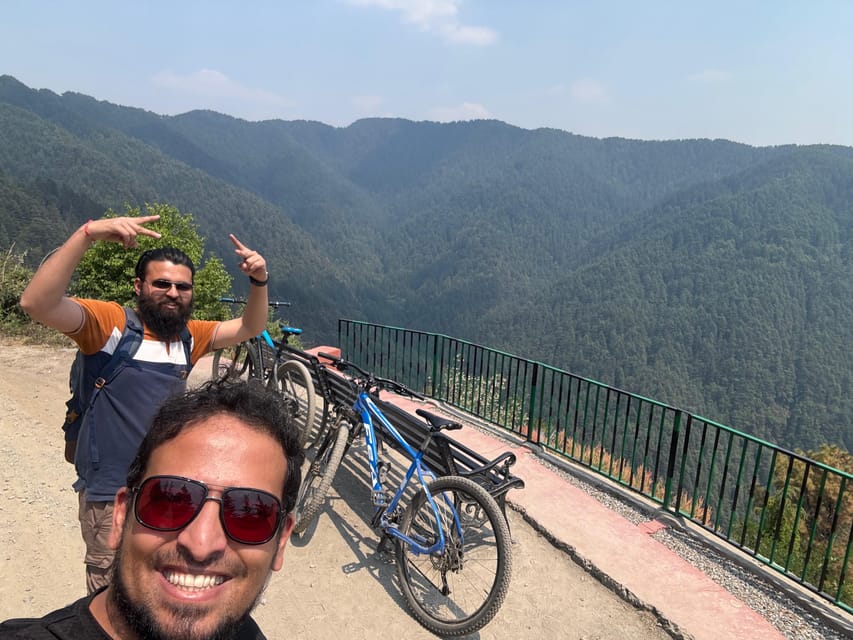
- Jungle bike time on off-road paths, away from Shimla crowds
- Oldest water supply story tied to the tank and catchment system
- Quiet nature focus: a protected area where animals are not pushed around
- Real ecology details like perennial streams and the Chail forest corridor
- Multiple viewing modes: bike, walk, or e-rickshaw for a flexible experience
A quiet side of Shimla: forest roads and a working water catchment
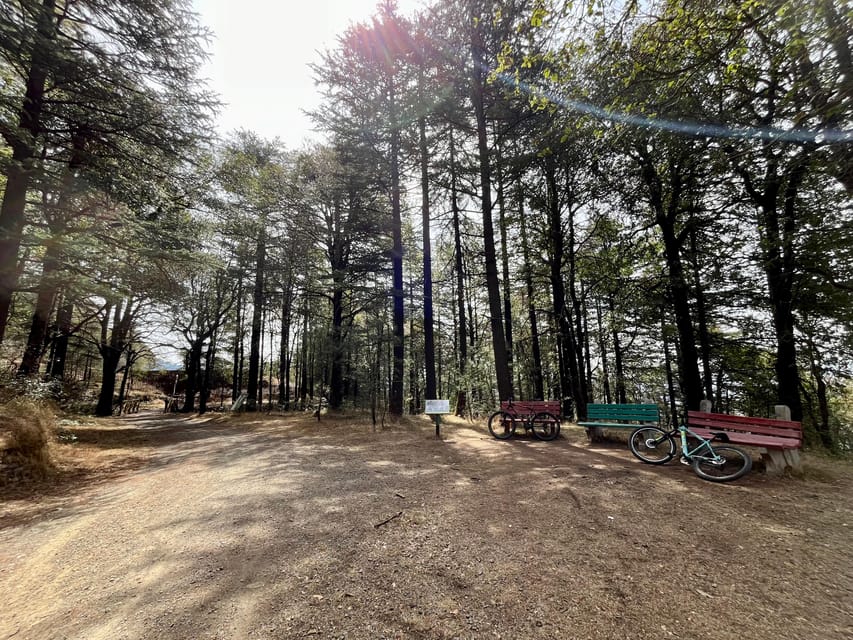
Most people come to Shimla for Mall Road and viewpoints. This tour is for the other Shimla: the place where trees do the talking and the city’s water story runs through the forest.
The Shimla Water Catchment & Wildlife Sanctuary sits at altitude (about 1900–2620 meters) and covers roughly 10.25 square kilometers. That elevation matters. It keeps the air cooler than the city, and it supports a mix of plants and wildlife adapted to mountain forest life. You’ll feel the change the moment you leave the busier streets behind.
What I like most is that it’s not just a walk in nature for scenery. You’re also stepping into a real infrastructure zone tied to how Shimla has survived in dry seasons for generations. The forest isn’t just pretty; it’s part of a water system built long ago and still treated with care.
You can also read our reviews of more tours and experiences in Shimla.



Choosing your pace: bike, guided walk, or e-rickshaw
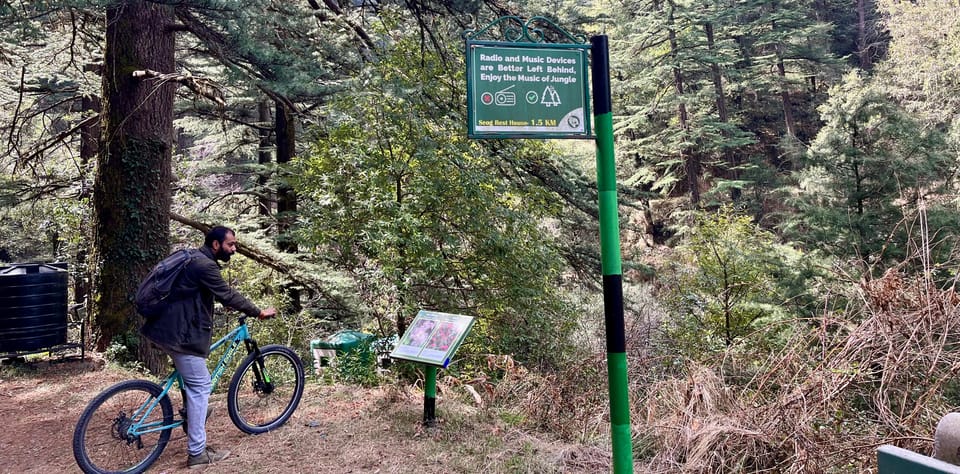
You get options, which is the smart part. Do you want movement and fun? Choose the bicycle. Want it gentler? Pick the guided walk or an e-rickshaw approach for wildlife time.
A private group setup also helps. With fewer people, the guide can adjust pace, stop for photos, and explain plants or water features without rushing you. It’s also a practical win if your comfort level with biking or walking is different from your travel partner.
One important consideration: the sanctuary environment is forest trail and forest-road terrain. Wear comfortable shoes, and plan for warm layers. Even if the day is mild in town, the altitude can make it feel cooler once you’re in the trees.
First forest loop: cycling or walking into the protected greenery
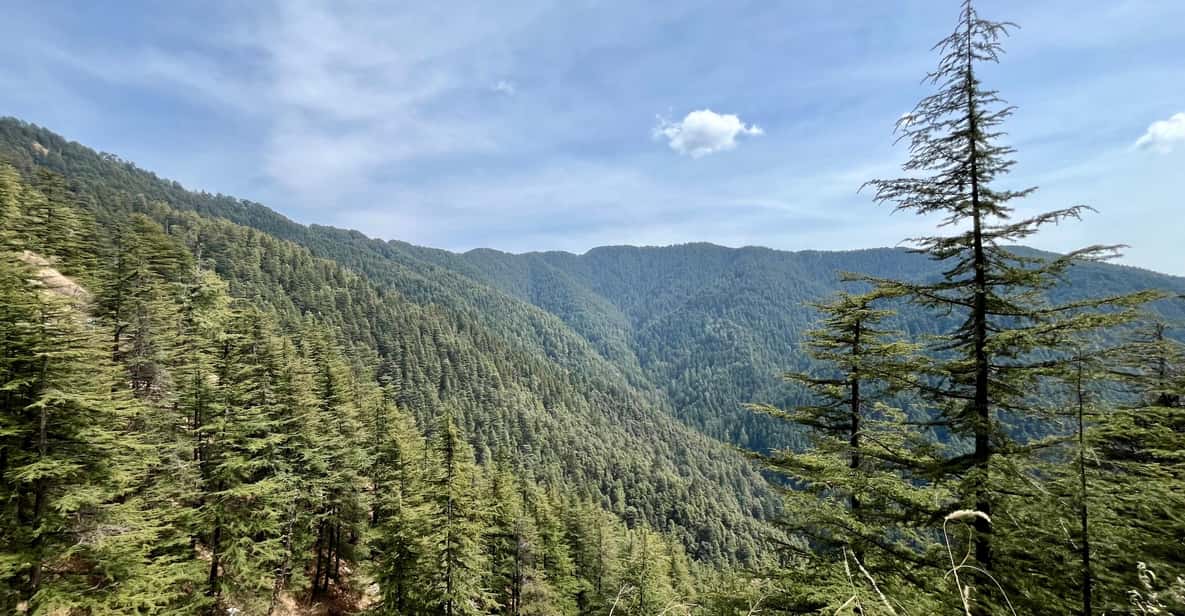
The start of the experience is about getting you into the sanctuary and into the rhythm of the place. You’ll spend around an hour here doing either cycling or hiking, depending on your chosen mode, along paths that feel removed from city life.
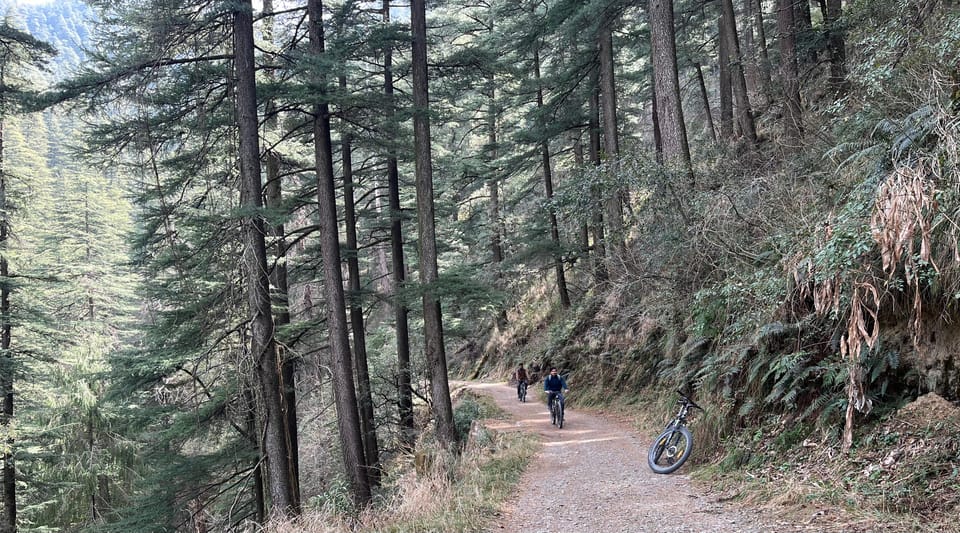
This is the moment where the “off-road jungle” description makes sense. The ride or walk moves through dense green areas with the kind of shade that makes you slow down naturally. If you’re a cyclist, this is also one of those times where the bike becomes more than transport. You’ll feel like you’re part of the forest route rather than just touring it.
And yes, it’s a wildlife sanctuary. That means the goal is protection, not driving around to force sightings. So if you don’t see animals, don’t treat it like a failure. The value is in how calm everything feels and how the guide reads the place for you—trees, streams, and signs of life.
The water catchment story at Seog Water Tank
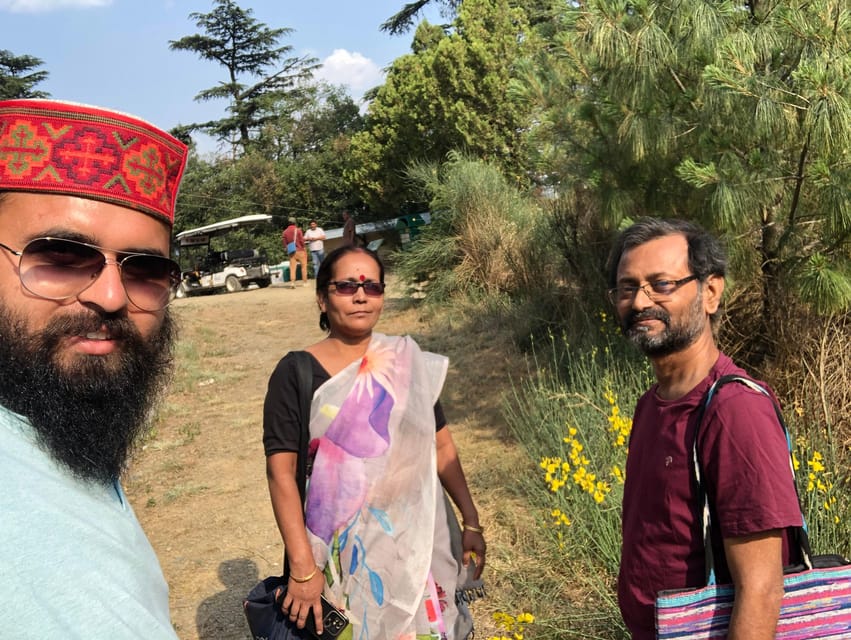
There’s a break built in at the Seog Water Tank area (about an hour). This stop is where the tour goes from nature outing to history-and-engineering lesson.
Shimla’s catchment sanctuary was the city’s major water source during the British era. The sanctuary’s water system includes streams that feed into storage and distribution. You’ll learn about a large tank built more than 100 years ago to store rain-season stream water for later use.
The most striking detail is the old method of water delivery: water was supplied through steam pumps, a unique setup for that time. Even if the mechanics are too technical to fully picture, the takeaway is easy. This forest isn’t just preserving wildlife. It has been managed as a water system, and the sanctuary remains connected to that purpose today.
If you’re the type who likes understanding what you’re seeing, this is the part that will stick with you. You can stand quietly, look at the surrounding forest, and realize that the city’s daily needs were engineered out here in the mountains.
Wildlife sanctuary facts you’ll actually use on the trail
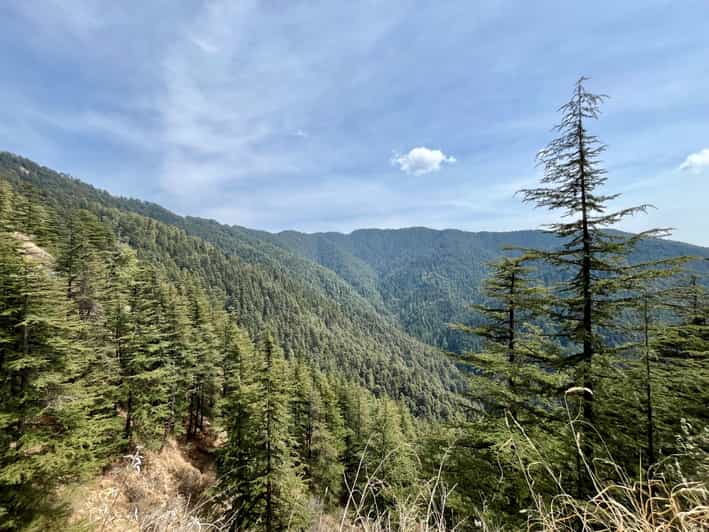
You don’t need a biology degree to enjoy this area, but a few sanctuary facts make the experience click. The sanctuary has no zoning, which means it’s not carved up into separate zones like a theme-park setup. Animals are allowed to live more naturally across the protected area, and people are there to observe.
It’s also a strong hydrology zone. The sanctuary has 25 perennial streams, including God Ki Nala and Churat Nala, which matters because perennial streams mean steadier water flow through different seasons. The sanctuary is also connected to the Chail Sanctuary via a forest corridor to the south, which helps wildlife move between areas.
You’ll also hear that the sanctuary surrounds Charabara Village on three sides. That detail gives context: the forest isn’t some distant wilderness far away from people. It’s a working, shared mountain space where protection and local life meet.
All of this changes your expectations. You’re not looking for guaranteed wildlife. You’re learning how the forest supports life—plants, animals, and people—through water, altitude, and protection rules.





Second forest loop: more trails, more chances for quiet wildlife moments
After the water-tank stop, you’re back in the sanctuary for another around one-hour block of hiking or biking. This second loop is great because it gives you time to notice what you missed the first time.
The guide’s job here is to keep your attention on real details: how the trail bends, where greenery thickens, and how streams and forest features shape animal movement. Even if you don’t spot a big animal, you’ll still experience “wild” through the absence of city noise.
One reason this works well is timing. In a few hours, you get enough distance from Shimla’s center to feel like you escaped, but you’re not out all day. You’ll leave with the feeling that you got a genuine nature segment, not a rushed checkbox tour.
E-rickshaw wildlife time: easier coverage without losing the point
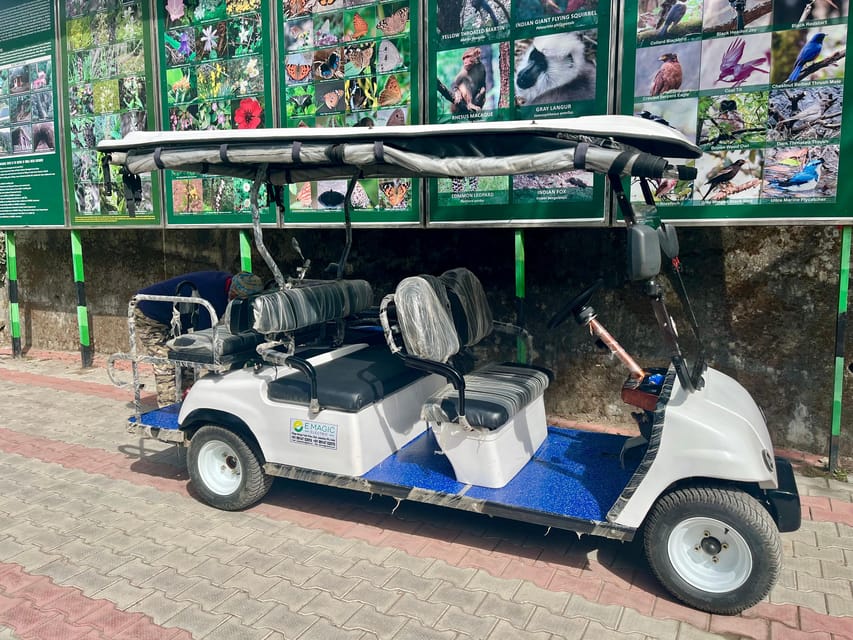
The tour can also include a wildlife viewing segment by e-rickshaw, depending on the option you choose. This can be a smart choice if biking isn’t your thing or if you want to save energy for the guided walk sections.
What I like about using an e-rickshaw here is that it helps you cover parts of the sanctuary without turning the experience into a leg-crushing hike. It also lets you keep things calm. You’re still within a protected area, so you don’t need loud or chaotic behavior to feel connected to nature.
If you’re comparing modes, think like this: biking feels most fun and active, walking feels most intimate, and e-rickshaw feels most comfortable. Pick based on your body, not based on what sounds coolest in a brochure.
Price and value: why about $26 can make sense
At around $26 per person for a 4–5 hour private guided experience, the value depends on what you want from Shimla.
You’re paying for more than transportation. You’re getting:
- a private local guide
- hotel pickup and drop from a centrally located point in Shimla
- a permit to enter the sanctuary
- access to hiking trails
- and the equipment/entry needed for bike or e-rickshaw (depending on your choice)
If your goal is to see the forest side of Shimla with guidance, this is strong value. If you mainly want views from a quick scenic spot, you might not need a guided permit-based sanctuary tour. But if you care about water-catchment history plus protected forest ecology, the price feels fair.
When to go: seasonal timing and daily hours that matter
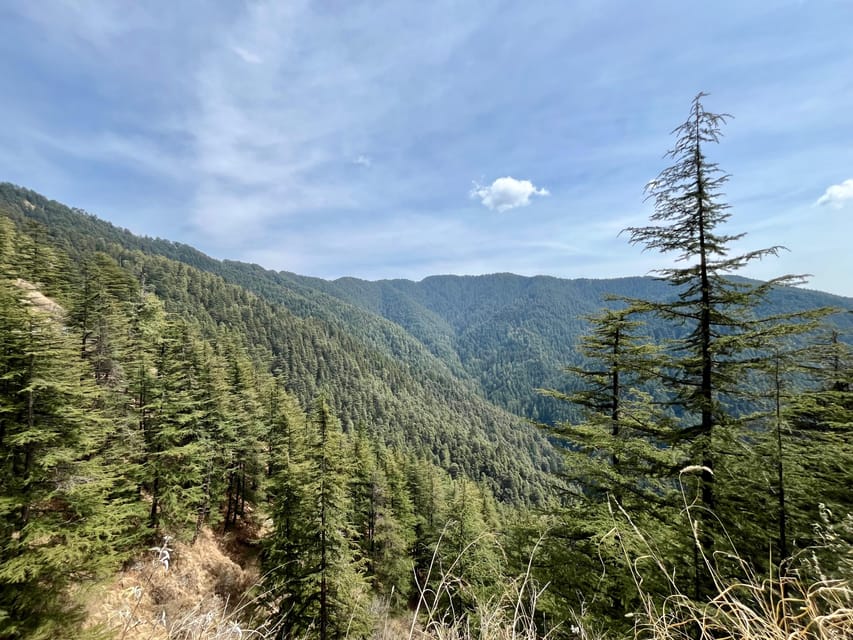
The best times are listed as October–November and April to mid-June. That lines up with typical mountain travel logic: cooler, more comfortable hiking weather in shoulder seasons, and spring before the heavier summer haze.
Opening hours are 10:00 to 16:00, and the sanctuary is closed on Mondays. Plan your day so you’re not arriving late and losing trail time. Also, even in good weather, bring warm clothing because altitude and shade can cool things down.
What to bring (and what to avoid) for a smooth forest visit
This is an easy outing to prepare for, as long as you bring the basics.
Bring:
- comfortable shoes
- warm clothing
- camera
- snacks and food
- water
Also, follow the sanctuary rules. Pets aren’t allowed, smoking and alcohol and drugs are not allowed, and you shouldn’t litter. The rules also include keeping noise down and avoiding party behavior.
If you’re sensitive to cold, pack a light extra layer. If you’re sensitive to stairs or uneven ground, choose the walking pace carefully and consider the e-rickshaw option for easier sections.
Who should book this tour, and who should skip it
This experience is a great match if you want a calm break from city crowds and you enjoy learning while you move—especially if you like nature that’s tied to real systems like water supply.
It’s especially suitable if:
- you want an easy-to-moderate nature outing in a few hours
- you like biking on off-road paths
- you want guidance on how the catchment and sanctuary work
It’s not suitable for:
- pregnant women
- people with back problems
If you’re on the fence because of mobility, choose the option that reduces strain. The point here is to enjoy the forest, not push your body past comfort.
What the guides do well: Pawan and Raghav as the right kind of host
The reviews that impressed me most weren’t about speed. They were about care and clarity.
Guides like Pawan and Raghav are described as punctual and well prepared—sharing history of Shimla alongside details about the sanctuary’s fauna and flora. They also explain the water catchment method in a way that makes the tank and streams feel connected to the city’s present, not just dusty history.
That’s what turns this from a simple walk into something you’ll remember: the guide makes the forest make sense.
Should you book the Shimla Wildlife & Water Catchment tour?
Book it if you want a real escape from Shimla crowds and you’d enjoy understanding how Shimla gets its water from a protected mountain system. The peaceful forest feel plus the water-tank lesson is a strong combo for the time and price.
Skip it if you need guaranteed wildlife sightings or you know you’ll struggle with uneven ground and physical effort. Also, if you’re going on a Monday, plan for a different day since the sanctuary is closed then.
If your schedule allows, I’d say this is one of the better ways to experience Shimla without staying stuck in traffic and crowds. And with options for bike, walk, or e-rickshaw plus a private guide, you can shape it to your comfort level.