REVIEW · SHIMLA
Discover the Colonial Trails of Shimla- Guided Walking Tour
Book on GetYourGuide →Operated by Yo Tours · Bookable on GetYourGuide
Colonial Shimla gets a shortcut by foot. This 2-hour walking tour threads major sights with a storyteller’s pace, so you’re seeing buildings and learning why they matter, step by step. I especially like the way the tour turns iconic spots into small, understandable stories, starting at Rashtrapati Niwas (Viceregal Lodge).
I also like the architectural variety: you get Gorton Castle’s neo-Gothic design and then the spiritual finish at Kalibari Temple. One consideration: it’s a short walk, but it’s still outdoors, and water bottle isn’t included, so plan accordingly and wear comfortable clothes.
In This Review
- Key highlights worth your time
- Why this 2-hour colonial walk is the smart way to see Shimla
- Rashtrapati Niwas (Viceregal Lodge): Shimla’s British-era centerpiece
- Himalayan Bird Park and Himachal State Museum: Local flavor between big landmarks
- Vidhan Sabha Chowk, a heritage building, and an old library: Where history shows up in plain sight
- Gorton Castle: The neo-Gothic stop that actually feels made for photos
- Shimla-Kalka Railway Track and St Michael’s Cathedral: British engineering and French-Gothic style
- Jakhoo Hill’s Kalibari Temple (built in 1845): A spiritual finish with real meaning
- The guide makes or breaks it: Storytelling in English and Hindi
- Price and value: What $14 buys you in two hours
- What to bring and how to make the most of the walk
- Should you book this Colonial Trails of Shimla walking tour?
- FAQ
- How long is the Colonial Trails of Shimla guided walking tour?
- What is the starting point and where does the tour end?
- Which languages is the live guide available in?
- Is hotel pickup or drop included?
- What is included in the tour price?
- What is not included, and is cancellation allowed?
Key highlights worth your time

- Rashtrapati Niwas (Viceregal Lodge): The British Viceroy’s grand residence on Observatory Hills
- Gorton Castle: 19th-century neo-Gothic architecture you can actually walk up to and look at
- Himalayan Bird Park + Himachal State Museum: Local nature and Pahari-influenced art collections in one stretch
- Shimla-Kalka Railway track: A historic reminder of British-era craftsmanship
- Kalibari Temple on Jakhoo Hill: A devotional stop built in 1845 for Goddess Kali
Why this 2-hour colonial walk is the smart way to see Shimla
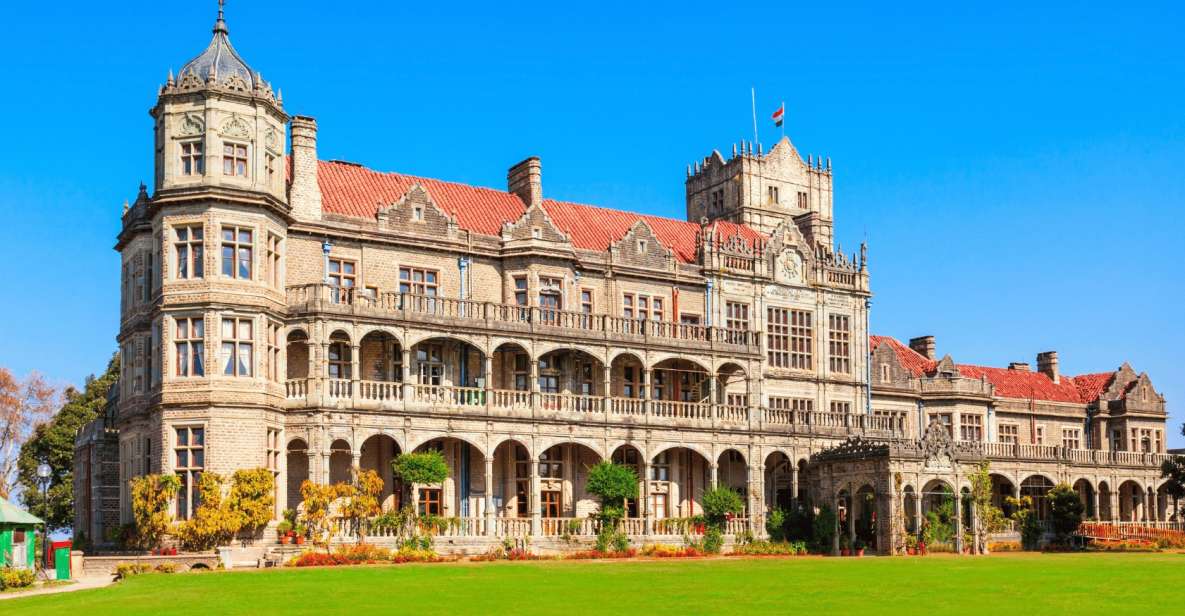
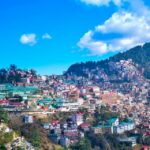
Shimla can feel like a lot: steep streets, crowded viewpoints, and too many “must-see” stops. What I like about this tour is the structure. In just two hours, you cover a tight loop of colonial-era buildings, a museum stop, and a temple finish—without turning it into a race.
The guide style is also built for mixed interests. The route has plenty of history on paper, but the tour is handled like infotainment, so you’re not stuck with dates and names the whole time. You’re hearing stories, getting context for what you see, and getting quick local tips along the way—useful when you want to keep exploring after the tour ends.
The group pace is relaxed enough that you can take photos, but it’s still a walking tour. If you’re expecting a sit-down museum day, this isn’t that. Think of it as a guided “walk-and-watch” tour.
You can also read our reviews of more tours and experiences in Shimla.

Rashtrapati Niwas (Viceregal Lodge): Shimla’s British-era centerpiece
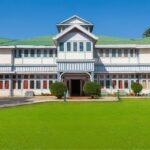
The tour starts at Rashtrapati Niwas, also known as Viceregal Lodge, situated on Observatory Hills. This is the kind of place that makes you pause, because it’s not just one impressive facade—it’s a whole statement of power and planning from the British period.
During your guided time here, you get the basic but important context: it served as the residence of the British Viceroy of India. That one detail changes how you look at the building. Instead of seeing it as an old structure, you start seeing it as a political headquarters disguised as a mansion—how the British projected authority into the hill-town setting.
Even if you’re not a hardcore architecture person, I think you’ll enjoy the focus on what you can notice quickly: the scale, the commanding position, and why Shimla’s hill geography made this kind of residence make sense. It’s a strong “open” to the tour because it anchors everything else you’ll see afterward.
Himalayan Bird Park and Himachal State Museum: Local flavor between big landmarks
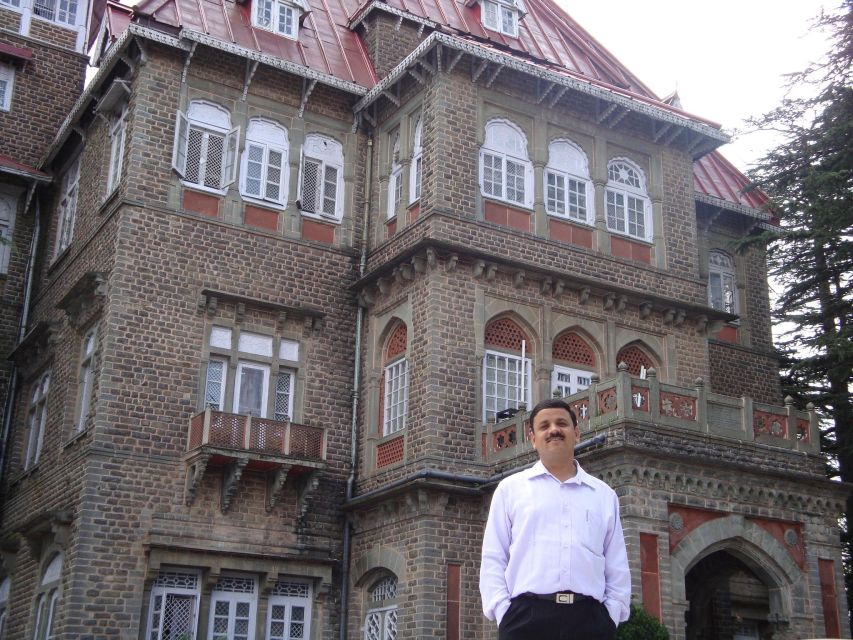
After the lodge, the tour moves you into two stops that slow the story down and keep it human-scale.
First is the Himalayan Bird Park. This isn’t just a random detour; it gives you a sensory break from colonial facades. You can take photos of Himachal state birds and learn how the region’s wildlife fits into the broader idea of Shimla as a hill retreat—where nature and everyday life overlap. If you’re traveling with a camera (and you should be here), this is one of the easier stops to enjoy because the subject matter is approachable.
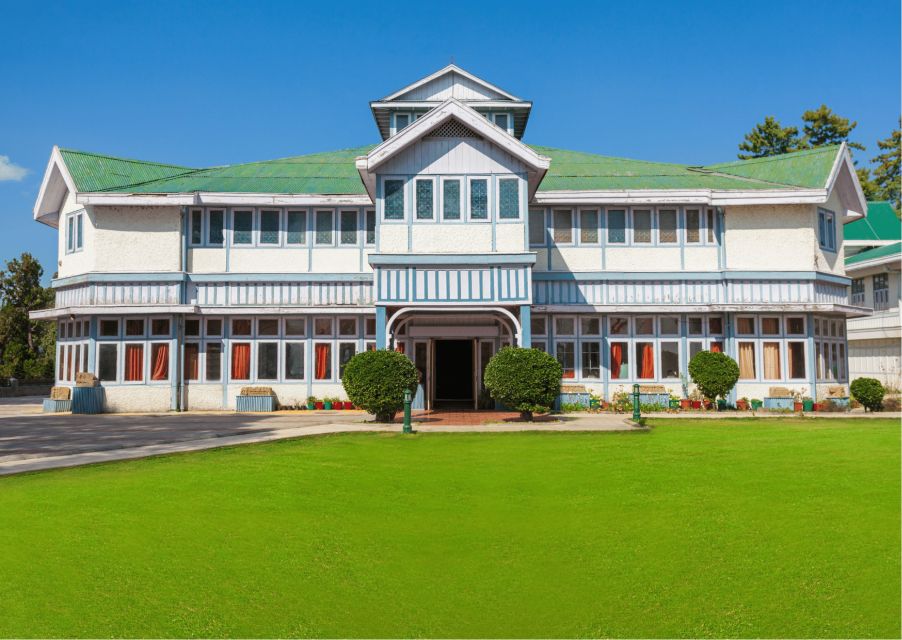
Next comes the Himachal State Museum, with collections shaped by Pahari art influences. You’ll see items like ancient coins, paintings, and other handicraft pieces. The practical value of a museum stop on a walking tour is that it gives you context fast. Instead of treating art and artifacts like background, you get just enough explanation to start noticing patterns and styles.
A small downside: museum time is brief. If you want an in-depth museum day, you’d treat this as a highlight preview. But as part of a 2-hour route, it works well.
Vidhan Sabha Chowk, a heritage building, and an old library: Where history shows up in plain sight
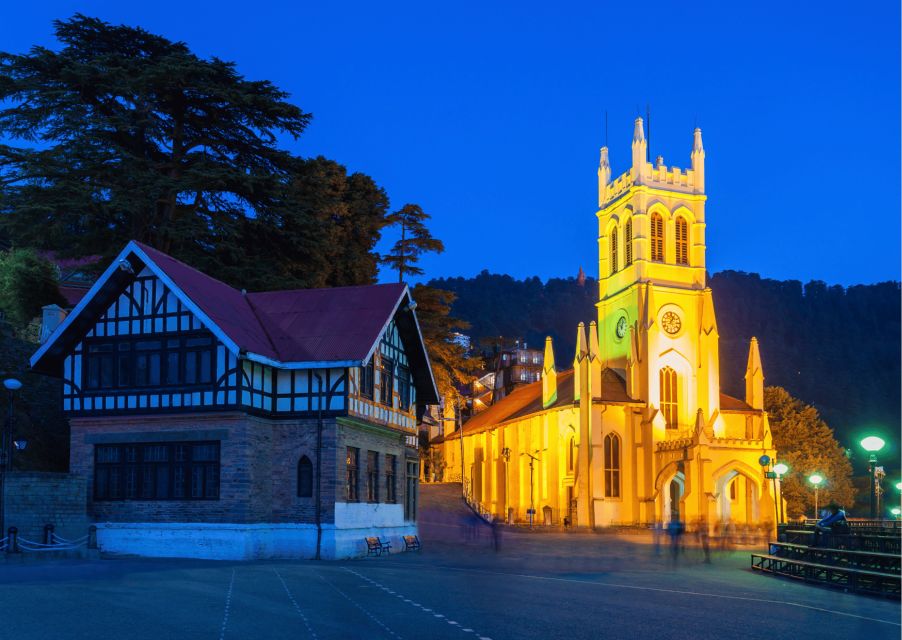
As you continue, you pass by the heritage building of the Shimla Vidhan Sabha and an old library. These aren’t flashy stops the way a castle is, but they matter because they show how the hill town’s identity kept evolving after the colonial era.
What I like here is the way your guide helps you connect dots. You’re not only seeing buildings from one time period—you’re seeing Shimla as a place where different eras layered over each other. The result is that you understand the town’s “why” more than just its “what.”
The other benefit: this part of the tour trains you to notice the details you’d normally miss while walking on your own. Once you see how the guide frames these civic heritage areas, you’ll likely start spotting similar features in other lanes and building fronts.
Gorton Castle: The neo-Gothic stop that actually feels made for photos
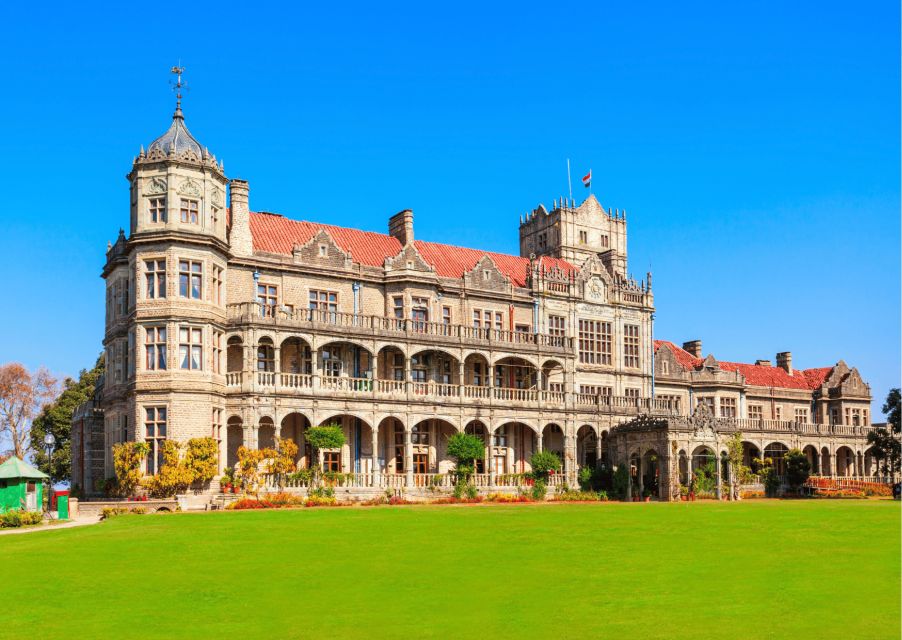
Then you reach Gorton Castle, constructed in the 19th century with neo-Gothic architecture. If you’ve ever wished a walking tour would include at least one dramatic visual payoff, this is it.
Neo-Gothic details tend to be easier to read than you’d expect: lines, pointed shapes, and the overall “storybook” design language that signals this building was meant to look powerful. Even without going deep into architectural jargon, you can understand the effect—this is a European-style statement planted into Shimla’s hill setting.
Timing is tight, so you don’t get a long sit-and-stare session. But that’s also part of the value. The tour keeps you moving while your brain is still sharp and your photo appetite is still high. You get the best of both worlds: context from the guide, plus time to take your own shots without feeling rushed.

Shimla-Kalka Railway Track and St Michael’s Cathedral: British engineering and French-Gothic style

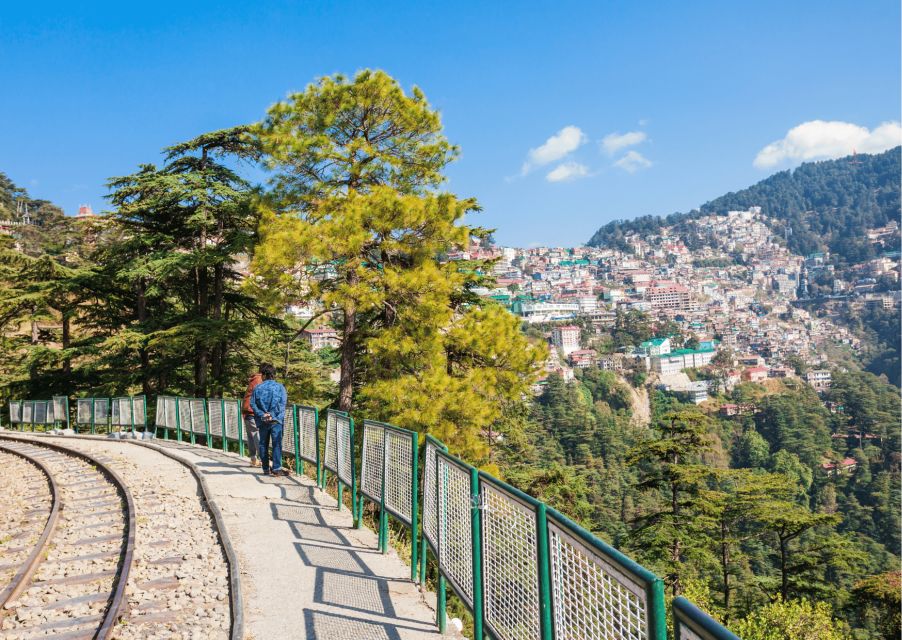
Next comes a more “infrastructure history” moment: the Shimla-Kalka Railway Track. It’s described as one of the most important witnesses of British craftsmanship, and that phrasing is worth taking seriously. You’re not just looking at a rail line—you’re seeing engineering embedded into the landscape and into daily life.
Even with limited time, this stop can change how you think about Shimla’s development. Hill towns don’t become major destinations without transport becoming part of the plan. Watching the track area reinforces how the British-era build-out helped connect remote places to larger networks.
You also pass by St. Michael’s Cathedral, noted for architecture splendor with a French-Gothic style. Cathedrals can be hit-or-miss on short tours, but this one fits because it adds another architectural flavor right after the railway stop. The contrast makes the story more interesting: engineering meets religious architecture, both shaped by European design choices.
Jakhoo Hill’s Kalibari Temple (built in 1845): A spiritual finish with real meaning
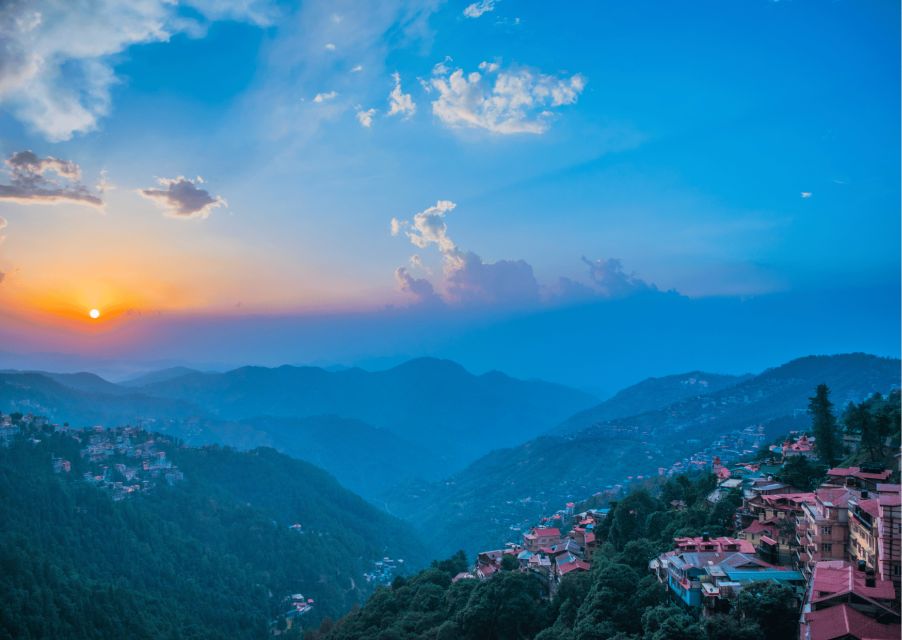
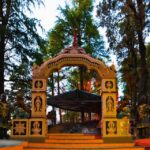
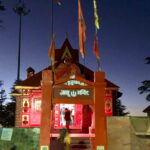
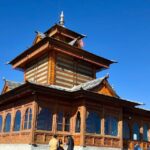
The tour ends at Kalibari Temple on Jakhoo Hill, an ancient place of worship dedicated to Goddess Kali, built in 1845. This is where the walk shifts from colonial narratives into spiritual rhythm.
What matters here is the reason it’s included. The temple isn’t treated like a decorative landmark. It’s presented as a site of immense religious importance for devotees, so you’re encouraged to approach it with the right mindset. Even if you aren’t religious, it’s a powerful way to end the tour because it reminds you Shimla isn’t only a heritage museum in the open air.
If you want a practical tip: plan your camera time here carefully. Temples can have respectful rules on photography, and conditions can vary. I’d keep your phone ready but watch the guide’s cues and follow local practice.
The guide makes or breaks it: Storytelling in English and Hindi

This tour earns its high marks because the guide is the centerpiece. The company provides a trained, friendly storyteller who speaks English and Hindi, and that bilingual ability matters in a practical way: it keeps explanations clear and helps you ask questions without awkward gaps.
Names I’ve seen linked to great experiences include Jagdeep ji, Dev, and Sunny Thakur. What these accounts have in common is not just facts, but a friendly, attentive delivery. The tour doesn’t overload you with dates. Instead, the guide focuses on making landmarks understandable: what you’re looking at, what role it played, and how it connects to Shimla’s larger story.
You’ll also get practical local guidance—money-saving tips and recommendations to help you explore beyond the walking route. That’s valuable because a guided tour can be informative, but the real payoff is what it helps you do after you say goodbye.
Price and value: What $14 buys you in two hours
At about $14 per person for a 2-hour walking tour, the value is in concentration. You’re paying for a guided route that stacks multiple major sights close together: Viceregal Lodge, bird park, state museum, heritage civic buildings, a castle, a cathedral pass-by, the railway track, and then Kalibari Temple.
Could you replicate parts of this on your own? Sure—Shimla’s streets are walkable and the landmarks are there. But the guide role is what makes the difference: you get context fast, plus access to hidden lanes and places that aren’t always obvious without local guidance.
Two small reminders that affect your cost planning:
- Water bottle isn’t included, so budget for your own.
- There’s no hotel pickup or drop, so you’ll need to make your own way to the starting point at Viceregal Lodge.
If you’re visiting for a short stay and want a guided orientation that doesn’t consume half a day, this is priced like a smart add-on, not a big-ticket attraction.
What to bring and how to make the most of the walk
Since the tour is outdoors and brief, keep it simple. Wear comfortable clothes and shoes you trust on uneven sidewalks.
Bring:
- A camera or phone with enough storage
- Your own water bottle (since it’s not included)
- A light layer, because hill weather can shift
Also, set your expectations for the pace. This is not a slow scenic amble for lingering. It’s a guided walk with short stops—designed to keep momentum while still giving you enough time to see each place properly.
Should you book this Colonial Trails of Shimla walking tour?
Book it if you want a compact, guided way to understand Shimla’s colonial-era landmarks and then end at a meaningful temple. It’s especially good if you like the idea of photos plus context, and if you want a guide who can explain in English and Hindi and keep the conversation moving.
Consider skipping it if you want a long, independent day with lots of free time at each stop, or if you strongly prefer museum-style visits where you can stay for extended periods.
If your goal is to get your bearings fast and leave with a clearer sense of Shimla’s layered identity—British power, European architectural influences, local culture, and spiritual tradition—this route is a very practical choice.
FAQ
How long is the Colonial Trails of Shimla guided walking tour?
The tour duration is 2 hours.
What is the starting point and where does the tour end?
The tour starts at Viceregal Lodge and finishes at Kalibari Temple, Shimla.
Which languages is the live guide available in?
The live tour guide speaks English and Hindi.
Is hotel pickup or drop included?
No. Hotel pickup and drop are not included.
What is included in the tour price?
The tour includes a trained, friendly storyteller/guide, local tips and recommendations, access to hidden lanes and places, and conversation during the walk.
What is not included, and is cancellation allowed?
A water bottle is not included. Cancellation is allowed with free cancellation up to 24 hours in advance for a full refund.