REVIEW · SHIMLA
Shimla: Himachali Traditional Local Home Food Experience
Book on GetYourGuide →Operated by Wonders of Himalaya · Bookable on GetYourGuide
A home dinner in Shimla beats restaurant food. You get Himachali dishes cooked in a family kitchen and explained in everyday language by hosts such as Preeti and Raghav. You also travel to the house via narrow, steep access roads with views that make the drive feel like part of the meal.
Here’s the one thing to plan for: this is a private home, not a hotel dining room. Expect a simple home setup, and cleanliness and seating comfort can vary because every household is different.
In This Review
- Key things to know before you book
- Himachali home cooking in Shimla feels personal, not staged
- Getting picked up in central Shimla (and why that helps)
- Inside the home meal: what the 2 hours really include
- Warm welcome, then you sit down to eat
- Taste dishes that don’t typically show up on restaurant menus
- Learn as you eat—ingredients, choices, and local food culture
- The conversation matters as much as the food
- Simple facilities: how to make the home setup work for you
- Price and value: is $16 per person a smart deal?
- Who should book this Shimla local home-food experience?
- Your practical checklist before you go
- Should you book it?
- FAQ
- How long is the Himachali traditional local home food experience in Shimla?
- What is included in the price?
- Are pick-ups available outside central Shimla?
- What languages are spoken?
- Is this experience wheelchair accessible?
- What are the cancellation terms?
Key things to know before you book
- Real Himachali food in a home kitchen: dishes you usually won’t see on standard restaurant menus.
- Food explanations that actually make sense: ingredients and local cooking style explained by your hosts.
- A warm, talk-heavy experience: you’re there to chat as much as to eat.
- The drive matters: narrow, steep roads and scenic views help set the mood.
- Simple facilities, by design: don’t assume the comfort or layout of a restaurant.
- Private group, 2 hours: ideal for travelers who want one focused local moment.
Himachali home cooking in Shimla feels personal, not staged
Shimla is full of places that serve Himachali-inspired items. This experience goes a step deeper. Instead of a menu and a waiter routine, you’re invited into someone’s home rhythm—where the meal is part cooking, part family life, and part storytelling.
The biggest win is the combination of food + context. You don’t just taste. You learn what’s in the dishes, how ingredients fit the local region, and how people actually think about their daily meals in Himachal Pradesh. That kind of explanation turns a simple plate into a small cultural lesson you can remember later.
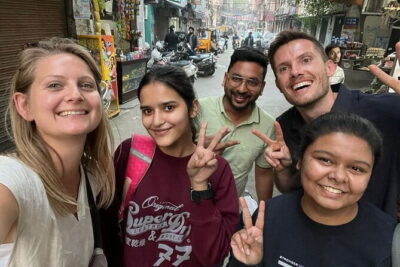
The second big win is the atmosphere. Even when the space is small, the mood tends to be relaxed. Names you may meet include Preeti and Raghav (and you might also be welcomed or organized by Pawan under the Wonders of Himalaya setup). If you like conversations that wander into culture, local life, and what makes Shimla tick, this is your kind of dinner.
One caution I want you to take seriously: because it’s a home, expect a home-style setup. Some meals will feel cozy and comfortable; others may feel more basic. If you’re the type who needs a spotless bathroom, soap at every step, and lots of chairs, you should think twice.
You can also read our reviews of more tours and experiences in Shimla.



Getting picked up in central Shimla (and why that helps)
Your trip starts with pick-up and drop-off at centrally located hotels in Shimla. That matters more than it sounds. Central meet points usually mean less time stuck in traffic or hunting for a doorway, and more time walking in fresh mountain air and settling in.
You’ll then head toward your host’s home. The approach road is often described as narrow and steep, with great views along the way. In practical terms, this is the part of the experience that can surprise you if you’re used to flat-city logistics. If you get motion-sensitive, go slow, and don’t rush to look at your phone during the ride.
Also note the vibe: this isn’t just transportation. On the drive, your host or greeter may point out sites of interest and share context about the area. That extra talk helps you arrive already in the right frame of mind—ready to ask questions and enjoy the meal as a lived experience rather than a show.
Inside the home meal: what the 2 hours really include
This is a tight, focused outing. In about two hours, you’ll do four main things: meet your hosts, eat, learn, and then go back to your hotel.
Warm welcome, then you sit down to eat
When you arrive, you should expect a friendly welcome that’s more personal than formal. You’ll get a chance to know your hosts as the meal gets underway. In some cases, the host family’s cooking starts ahead of your arrival, so the timing feels smooth and you’re not watching a kitchen scramble.
Because it’s a home, the order might feel different from a restaurant. Food may come out in a family rhythm, not in courses timed to a clock. That’s normal here. If you want a very strict dining schedule—starter, main, dessert, all plated—this won’t be your style.
Taste dishes that don’t typically show up on restaurant menus
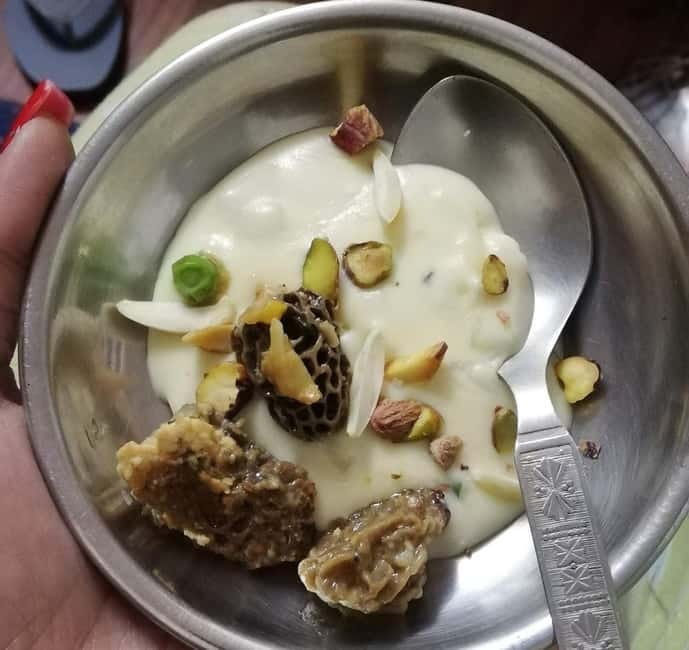
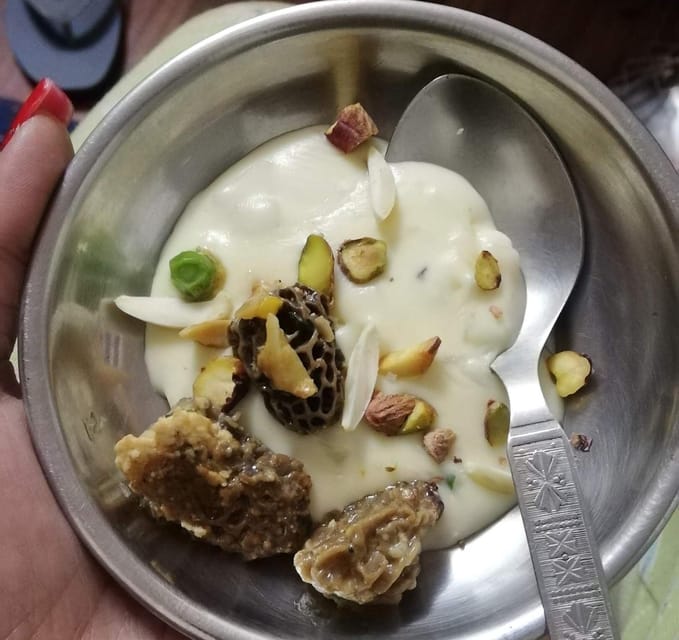
The meal includes traditional Himachali food, with the key promise being variety you might not see in standard restaurants. Based on what you might get, highlights can include an astringent fern-based dish (the kind of food you can’t easily “compare” to other cuisines) plus other local items that use region-specific ingredients.
You may also find:
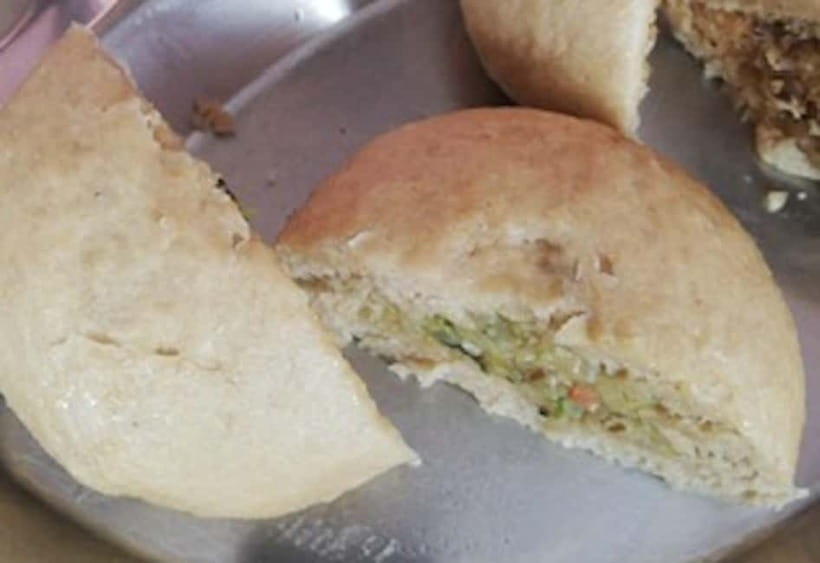
- Fresh baked bread
- Lemon grass tea
- A mix of flavors that feel earthy and local rather than tourist-friendly
I like these meals when they challenge your taste buds a little. If you’re open-minded about unfamiliar ingredients, this experience can be a real palate upgrade.




Learn as you eat—ingredients, choices, and local food culture
A big part of why this outing lands well is that your hosts don’t keep the explanation vague. They tend to explain dishes and ingredient use in plain language, the way a family would when someone asks, Why is this cooked this way?
This is where the meal becomes more than food. You get to connect what’s on your plate to local agriculture and local cooking habits. That’s also why chatting often goes beyond cooking—people may talk about history, local economy, culture, and how government or society shows up in everyday life.
If you enjoy questions, bring them. Even simple ones like how a dish is usually made at home or what ingredient matters most can lead to a surprisingly interesting answer.
The conversation matters as much as the food
I’ve found that small-home experiences are either mostly food, or mostly conversation. This one leans hard toward conversation.
You might get talking right away with a host like Raghav, and then find the meal becomes an evening of back-and-forth stories—where the family shares, and you share in return. One thing that comes through from firsthand-style feedback is that hosts often stay patient and calm even when the group is animated (for example, families traveling with kids).
That’s also why the private group format matters. You’re not stuck in a loud room with strangers. You’re in a shared space with people who are cooking and explaining, so the talk stays personal.
If you’re shy, it can still work. You can listen. But if you’re curious and like human connection, you’ll likely enjoy this more than a typical “eat-and-leave” tour.
Simple facilities: how to make the home setup work for you
Let’s talk comfort—because this experience is built around a home, not a venue.
The experience description makes it clear you shouldn’t expect restaurant-style facilities. Based on real outcomes, that can show up as:
- Limited seating space
- A smaller-than-expected dining area
- Bathrooms that are basic rather than spa-level
- Less emphasis on “tour convenience” items
One important issue that you should take seriously: there has been at least one negative account describing cleanliness concerns, including lack of soap and an unpleasant smell severe enough that some people changed their plans. I can’t smooth that over. It’s a real risk in any home-based dining experience because standards differ from house to house.
So what should you do?
Here’s my practical advice:
- If you’re sensitive to smells or cleanliness, message the provider beforehand and ask about basic bathroom setup and hand-washing access.
- Bring hand sanitizer and a small pack of wipes. It’s not about being dramatic—it’s about being prepared.
- Be flexible with seating. This can be a sit-on-a-bed or sit-on-floor type of situation in smaller homes. If you need a chair with stable back support, ask in advance.
- If you have strong concerns once you arrive, trust your comfort. You can choose to step back rather than force it.
Yes, most experiences may feel lovely and welcoming. But because this is a private home, you’re right to think about practical comfort before you go.
Price and value: is $16 per person a smart deal?
At about $16 per person for two hours, this is priced like a value experience—not a luxury dinner, not a fancy tasting menu evening.
For the money, you get:
- Pick-up and drop-off at central hotels (so you don’t have to arrange transport)
- A traditional Himachali meal
- Host-led explanations and conversation
- A private group setup, which usually means you get more interaction than in a big group tour
That’s where the value comes from. A restaurant meal in Shimla might cost more, and it often won’t include the cultural talk, ingredient explanation, or the chance to eat dishes that aren’t on the usual menu circuit.
If you’re traveling on a tighter budget, this is also the kind of activity that helps you “buy a story,” not just buy dinner. The memories here often come from conversation and learning, not from plated presentation.
But if your top priority is comfort and predictable venue cleanliness, you might feel you’re paying too much for something that isn’t controlled like a restaurant. In that case, it’s smarter to ask questions in advance.
Who should book this Shimla local home-food experience?
This one fits best if you:
- Like local food that’s not designed for tourist menus
- Enjoy talking with locals and asking food-related questions
- Want a short, focused activity rather than a full day of sightseeing
- Prefer smaller, private settings
It may be less ideal if you:
- Need consistent, hotel-style seating and bathrooms
- Have strong cleanliness or odor sensitivities
- Want a quiet, strictly timed dining experience with no back-and-forth talk
It’s listed as wheelchair accessible, which is a positive. Still, because it’s a home environment, I’d recommend confirming the step-free route to where you’ll sit and where the bathroom is.
Your practical checklist before you go
This isn’t complicated, but a couple prep steps help a lot:
- Come hungry. The meal is the core event, and it’s usually filling.
- Bring curiosity. The best moments happen when you ask about ingredients and cooking methods.
- Plan for a mountain drive: the road can be steep and narrow, so keep your balance and take it slow.
- Bring basics for comfort: sanitizer and wipes are smart for any home setting.
- Go with the expectation of home life. The whole point is that it’s someone’s real space.
And keep your humor switched on. A small house with a busy family can feel informal in the best way.
Should you book it?
I’d book this if you want an authentic Shimla dinner that mixes Himachali home cooking with real conversation and practical food learning. The price is reasonable, the format is short, and the experience can be a highlight—especially if you’re the type who remembers meals by the people you met.
But I’d be cautious if you need strong guarantees on cleanliness, bathroom standards, or seating comfort. Since this is a home, there’s variation. Ask questions ahead of time, bring basic hygiene supplies, and go with realistic expectations.
If you match the vibe—curious, flexible, and ready for a lived-in meal—this is exactly the kind of activity that makes Shimla feel personal.
FAQ
How long is the Himachali traditional local home food experience in Shimla?
It lasts 2 hours.
What is included in the price?
You get pick-up and drop-off at centrally located hotels in Shimla, plus a traditional Himachali meal.
Are pick-ups available outside central Shimla?
Pick-up and drop-off are only included for centrally located hotels. Outside central Shimla isn’t included.
What languages are spoken?
Hosts or greeters speak English and Hindi.
Is this experience wheelchair accessible?
Yes, it is listed as wheelchair accessible.
What are the cancellation terms?
Free cancellation is available up to 24 hours in advance for a full refund. You can also reserve now and pay later.