REVIEW · SHIMLA
Shimla: Guided Walk Tour-Heritage, Culture & Colonial Trail
Book on GetYourGuide →Operated by Wonders of Himalaya · Bookable on GetYourGuide
Shimla’s colonial spine is best on foot. This guided Heritage, Culture & Colonial Trail turns a simple walk into a street-level lesson on how British-era Shimla and local life overlap—starting at Christ Church and finishing at the Indian Institute of Advanced Study (IIAS). You’ll move through Ridge-area landmarks, castles, temples, and key civic buildings, with a local expert shaping the story as you go.
I like two things most: first, the human touch. Guides from Himachal (speaking English, Hindi, and often Pahari alongside) give you explanations tied to daily reality, not just dates. In the best moments, names like Preeti, Raghav, Pawan, and Sunni come through in their delivery—clear, friendly, and very willing to answer questions. Second, the route is built for views and understanding: you’re not just looking at façades like a postcard—you’re learning what each site represented in Shimla’s hill-station era.
One consideration: it’s still a walking tour in a steep town. You can expect short uphill sections, and conditions matter—after snow it may feel a bit slippery. Also, some sites (including the Viceregal Lodge area) can be closed on Mondays, and entry fees are not included, so plan time and small costs if you want to go inside or linger in grounds.
In This Review
- Quick hits: what makes this Shimla tour worth your time
- Why this Shimla walk works from Christ Church to IIAS
- Christ Church and the Ridge: your orientation point in Shimla
- Scandal Point and the nearby castles: reading Shimla like a story
- Kali Bari Temple: the spiritual beat beside the colonial blocks
- Railway Board Building: when administration built the skyline
- Gorton Castle and HP Vidhan Sabha: status shifts through the same streets
- The Oberoi Cecil, All India Radio, and the everyday pulse of Shimla
- Ending at IIAS: a calm finish and the Monday closure reality
- Price and value: what $16 buys you (and what it doesn’t)
- What to wear, how to pace your day, and who it suits
- Should you book this Shimla Heritage, Culture & Colonial Trail?
- FAQ
- Where does the tour start?
- Where does the tour end?
- How long is the guided walk?
- What does the tour include?
- Is this a private tour or a group tour?
- What language(s) is the guide available in?
- Is hotel pickup or drop-off included?
- Are transportation costs included?
- Are monument fees or entry tickets included?
- Is the Viceregal Lodge area open on Mondays?
Quick hits: what makes this Shimla tour worth your time
- Christ Church to IIAS: a clear start-to-finish route that covers the city’s most “Shimla-meets-colonies” places
- Local guide stories: you’ll hear how British administration and local culture share the same streets
- Hill-station pacing: short segments with regular stops for photo angles and context
- Stops beyond buildings: Ridge viewpoints, a temple stop (Kali Bari), and civic institutions
- Good for architecture + politics nerds: Vidhan Sabha and radio/administrative landmarks are part of the mix
- Monday heads-up: Viceregal Lodge and many entries can be closed on Mondays
Why this Shimla walk works from Christ Church to IIAS
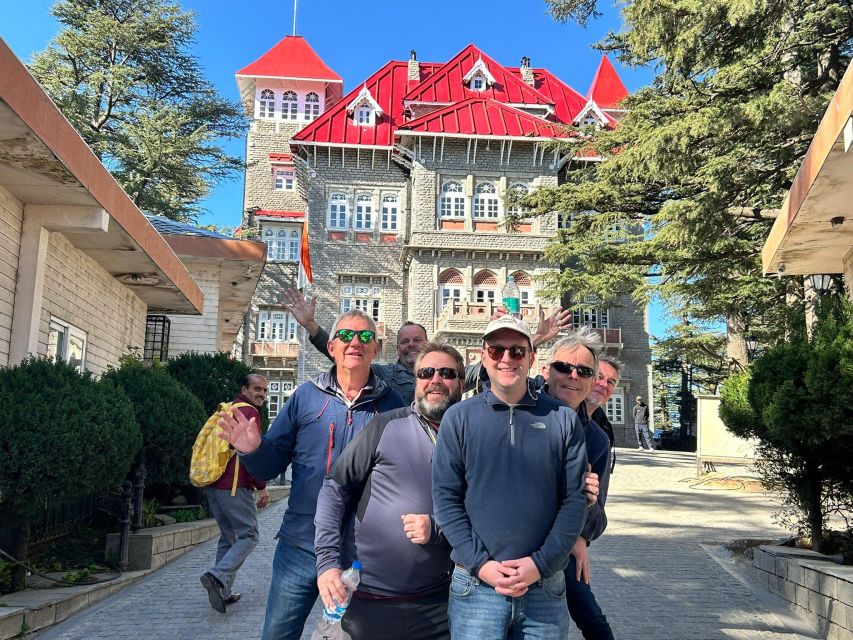
This tour’s strength is its logic. It doesn’t try to cover “everywhere.” Instead, it links a sequence of landmarks that explain how Shimla’s identity formed—religious, administrative, residential, and cultural—along a walk that makes sense on foot. Starting at Christ Church gives you an easy anchor point because it’s visually distinctive right away, so your brain knows what era it’s entering.
From there, the route moves you through the Ridge area and key colonial-era structures, then carries you toward IIAS at the end. IIAS is a good finishing point because it feels calmer than the street-level chaos of a busier shopping lane—so the tour lands with a sense of closure and a final set of views.
The tour is also a value play if you like guidance. For around $16 per person, you’re paying for: a local expert, interpretation in English and Hindi, and a structured route that tells you what you’re looking at. You’re not paying for hotel transfers, vehicles, or paid entries—so the cost stays focused on the experience itself.
You can also read our reviews of more tours and experiences in Shimla.


Christ Church and the Ridge: your orientation point in Shimla
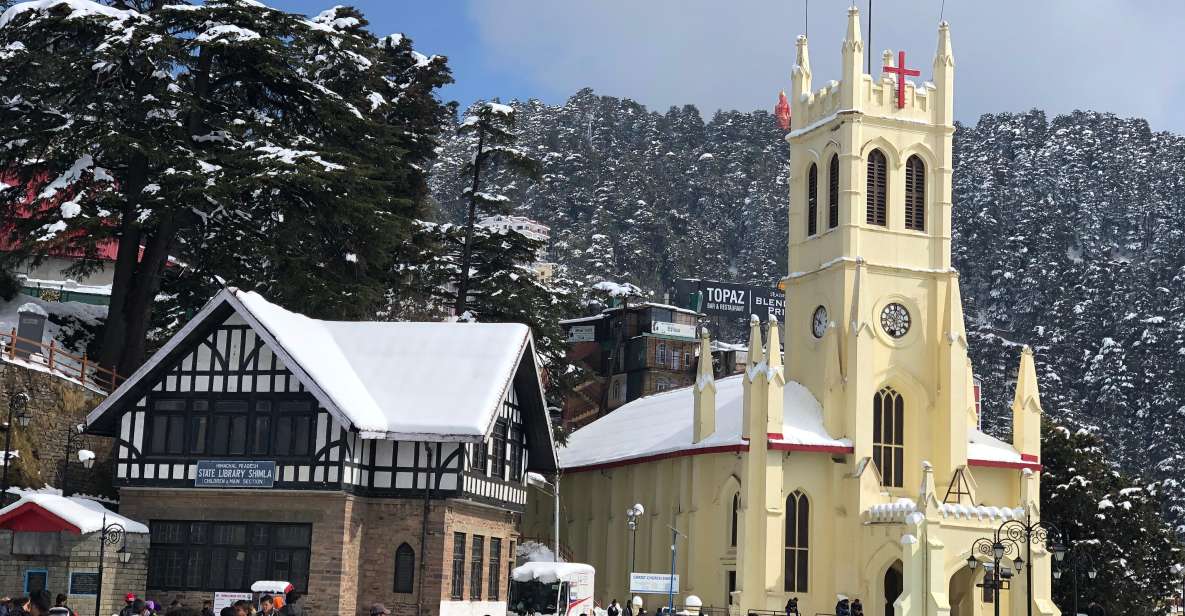
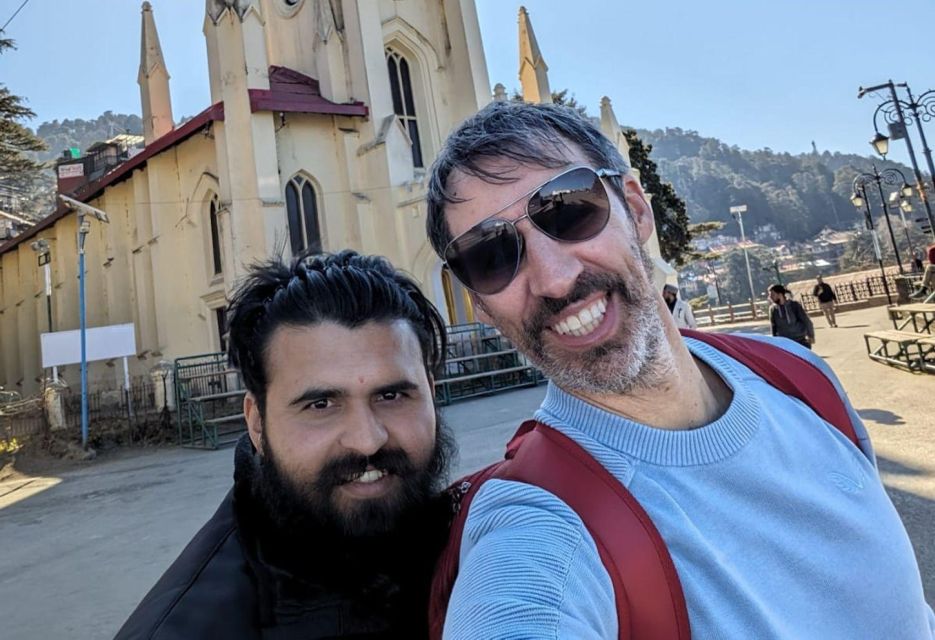
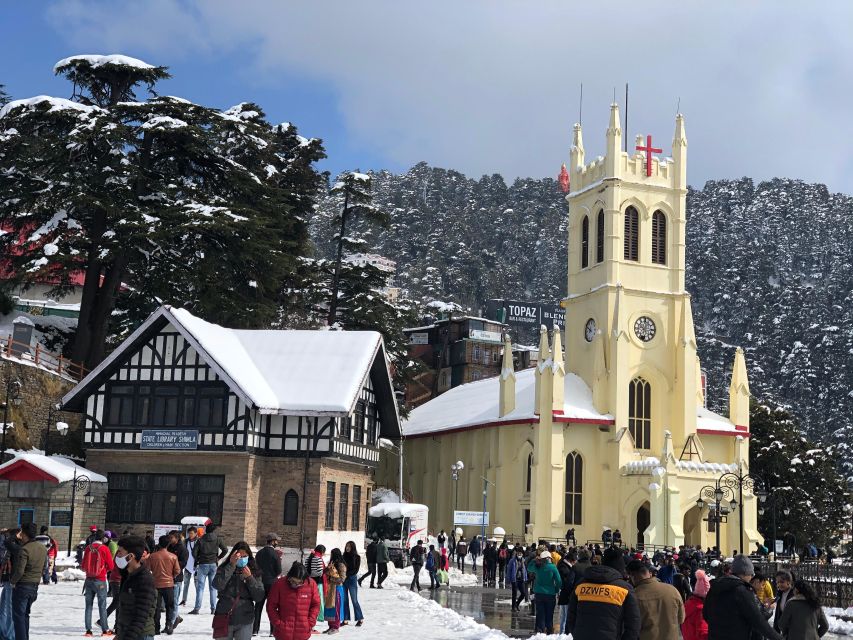
You begin at Christ Church, Shimla, a neo-Gothic landmark that immediately sets the tone. Expect to hear what it’s known for (architecture and the church’s ongoing role), and then you’ll walk toward the Ridge area where the town historically gathers. Even if you’ve only been in Shimla a short time, the Ridge helps you understand the layout: this is where people meet, and it’s where the “public face” of town life shows up.
What I’d watch for here is the contrast. Colonial-era buildings nearby can feel formal and planned, while the Ridge atmosphere tends to feel social and lived-in. When your guide points out those differences, the rest of the tour starts to click faster—your photos look better, too, because you know what angle makes sense and what detail is worth zooming in on.
Scandal Point and the nearby castles: reading Shimla like a story
As you continue, you’ll stop at Scandal Point, then head to Bantony Castle (you may also hear the name Betink’s Castle mentioned for this stop). These are the kinds of places where a guide’s narrative really matters. Without context, it’s easy to treat them as “pretty structures.” With context, they become clues—early signs of how planners and residents thought about status, design, and neighborhood identity on a hill.
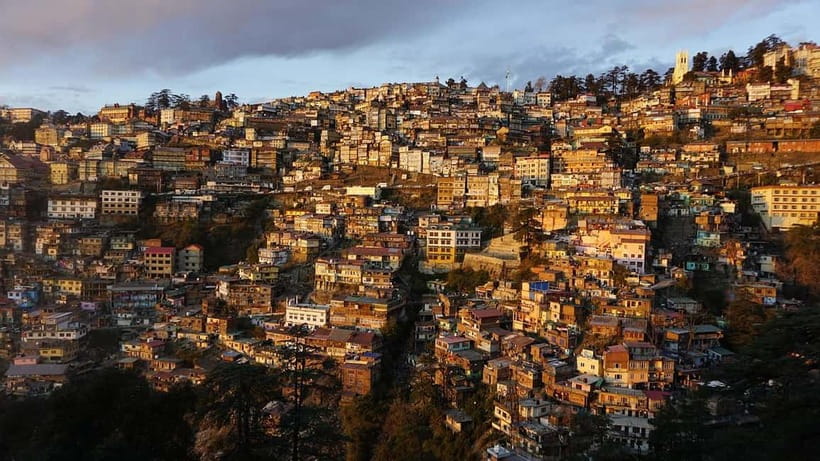
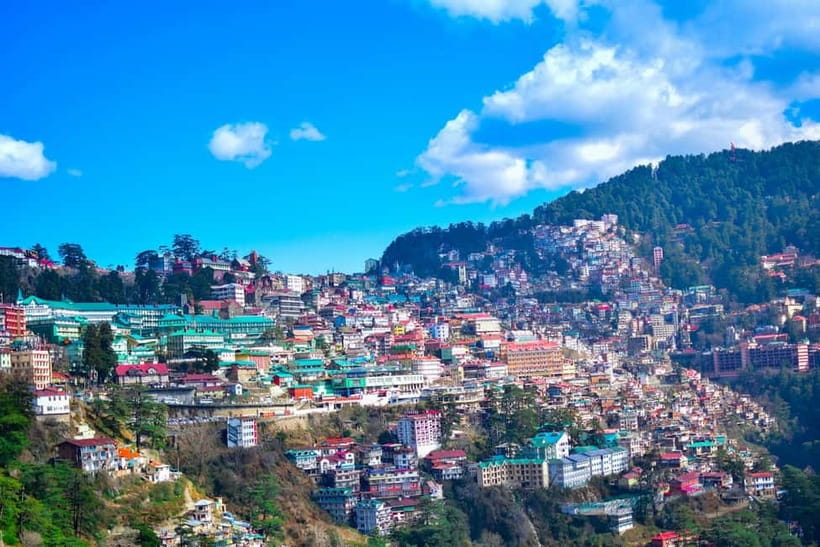
A castle stop on a hill station isn’t just architecture. It’s also a viewpoint. You get moments to look across the slopes and understand why Shimla grew the way it did. The guide’s explanations often tie buildings to British administration and the way Shimla was shaped as a station, not just a town.
If you love history, this section tends to be a highlight. Multiple guides in the program are praised for weaving British-era context into ordinary walking pace, so you’re never stuck reading plaques you can barely see from the street.
Kali Bari Temple: the spiritual beat beside the colonial blocks
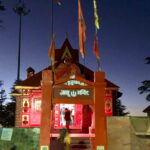
You’ll also pass through Kali Bari Temple, Shimla. This stop matters because it breaks the “all colonial all the time” vibe. Shimla didn’t become what it is only through British planning. Places of worship kept shaping the rhythm of everyday life—sometimes right next to the formal-looking buildings.
When your guide explains what you’re seeing here, you start to notice small details: how the temple fits into the street pattern and how people move through the area. Even if you’re not religious, this is one of the best ways to experience Shimla as a living community instead of a museum.
Tip: if the temple area is busy, don’t rush. Give yourself time to pause, look respectfully, and let the guide finish the point before you move on.
Railway Board Building: when administration built the skyline
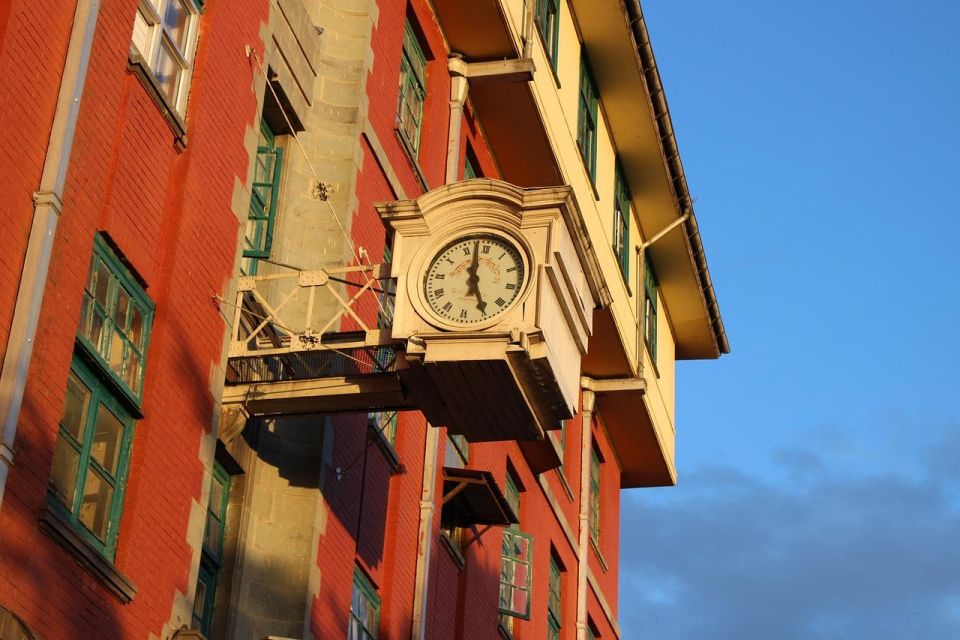
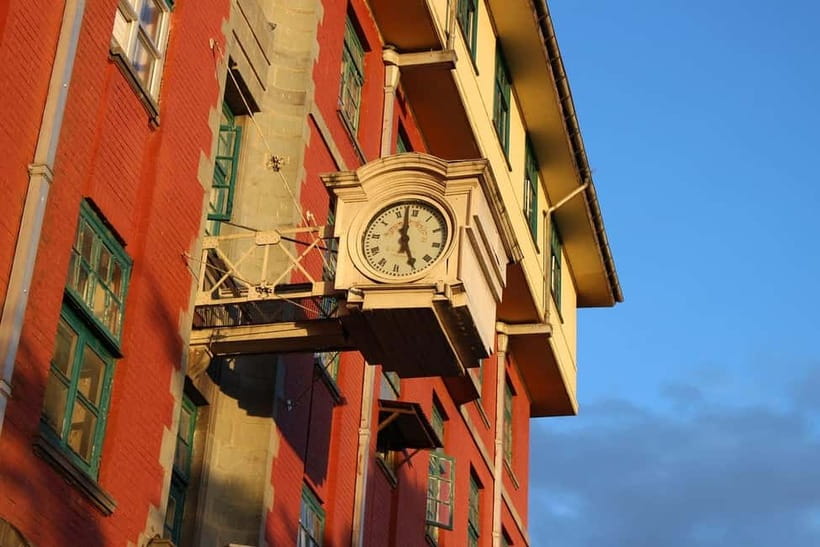
Next up is the Railway Board Building. This is one of those stops that can surprise you because it’s both practical and symbolic. On paper, it’s “just an office building.” On the ground, it shows you how colonial-era governance and rail-linked infrastructure ambitions landed in Shimla’s architectural language.
I like this stop because it turns the tour from “cool façades” into “how power worked.” Your guide can connect what the building represented, and why Shimla wasn’t only a scenic hill resort—it was also part of a bigger administrative machine.
If you take photos, focus on symmetry and structural features, then listen for how the guide frames its role. It’s the kind of place where your pictures become more meaningful once you know why it mattered.



Gorton Castle and HP Vidhan Sabha: status shifts through the same streets
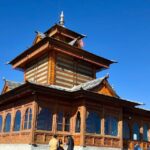
You’ll continue to Gorton Castle and then toward HP Vidhan Sabha (Himachal Pradesh Legislative Assembly). This is where Shimla’s layers show clearly. You move from residences/castle-style design language into civic and political space—basically, you’re walking through changes in who controlled the hill and how institutions evolved over time.
Guides with strong communication skills (names like Raghav and Preeti come up often in feedback) tend to handle this section well by linking architecture to governance and everyday impact. It’s also a good part of the tour if you’re the type who likes to understand “why this exists here,” not just “what it looks like.”
One practical note: expect some walking uphill, but the stops keep the pace manageable. If you’re sensitive to steep grades, plan to wear supportive shoes and take breaks when your guide suggests—several people mention their guides being patient on incline sections.
The Oberoi Cecil, All India Radio, and the everyday pulse of Shimla
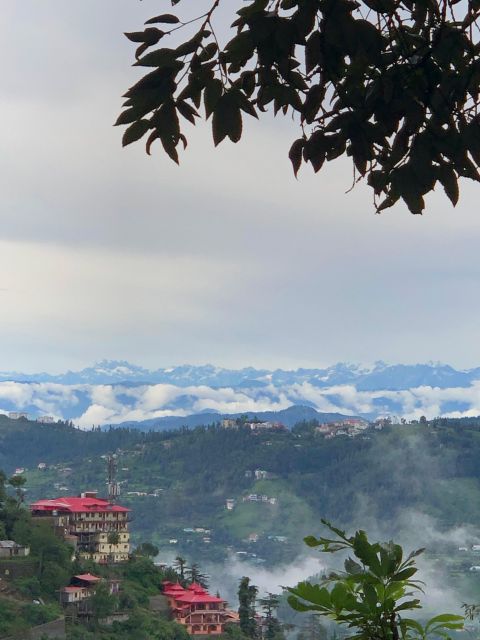
You’ll pass The Oberoi Cecil, Shimla and then make your way to All India Radio (Radio Station), Shimla District, Himachal Pradesh, India. These stops are useful because they show Shimla’s modern identity living alongside its colonial-era shell.
Hotels and broadcasting might sound far from “heritage,” but they’re part of why Shimla stays relevant. Your guide can help you connect how the city’s identity changed from station-town to a place with hospitality culture and public media presence.
This section can also be one of the more conversational parts of the walk. One key benefit included with the tour is that you’ll have chances for local gossip and local explanations, not just a scripted lecture. If you ask the right questions—food spots, what areas are worth another walk, which viewpoints are best at different times—this segment becomes more valuable than a standard “look at building, move on” route.
Ending at IIAS: a calm finish and the Monday closure reality
The walk finishes at the Indian Institute of Advanced Study (IIAS), Shimla. This ending works well because IIAS is tied to the Viceregal Lodge setting, which many people find peaceful as a closing note to the tour.
There’s one important constraint you should plan around: the Viceregal Lodge remains closed on all Mondays, and many other sites that offer entry can also be closed on Mondays. If you’re traveling on a Monday, you can still enjoy the overall walk and views, but don’t build your day around getting into everything at the end.
Also, while entry fees aren’t included, one walker noted paying 50 rupee to enjoy the gardens and sit. So if the finish point grounds matter to you, keep a little cash in mind.
Price and value: what $16 buys you (and what it doesn’t)
At $16 per person for about 2 hours, the cost is fair if you value interpretation and a guided route. You’re getting:
- a private group format
- a local guide with English and Hindi plus local support (often including Pahari)
- the guided walking route from Christ Church to IIAS
- practical on-the-ground storytelling and recommendations
You’re not getting:
- hotel pickup/drop-off
- any transport during the walk
- monument fees or entry tickets
- meals
That “not included” list matters. If your ideal heritage day is mostly about museum-style interiors, you may need to budget extra for entry where allowed. But if your goal is to understand Shimla while walking, the price-to-time ratio is solid.
Also, the tour’s free cancellation and pay-later options can make it easier to fit Shimla into a changeable schedule (especially if you’re juggling weather and Monday closures).
What to wear, how to pace your day, and who it suits
This is a walking tour in a hill station. Even if it’s not a hardcore hike, you should treat it like one. Wear comfortable shoes with grip. Bring water. If you’re visiting after snow, expect slick patches and take your time.
In terms of who it suits:
- It’s a great match for architecture lovers, people interested in colonial-era planning, and anyone who wants a guided way to connect the city’s institutions to what you see.
- It also works for couples and solo travelers because the private group feel keeps it flexible.
- It is not suitable for children under 10, babies under 1, and people over 95.
If you’re planning your day in Shimla, think of this as the “orientation and storyline” walk. Then you can build around it with extra stops you care about most—temples, viewpoints, museums, or food. The walk’s ending near IIAS makes it easy to transition into a quieter stretch of the day.
Should you book this Shimla Heritage, Culture & Colonial Trail?
I’d book it if you want Shimla to make sense quickly. The route connects the main symbols—Christ Church, Ridge-area landmarks, castles, civic buildings, a temple stop, and IIAS—and the best part is that a local guide helps you interpret what you’re seeing while you’re still standing in front of it.
Skip it or adjust expectations if:
- you’re visiting on a Monday and you care a lot about entry at the Viceregal Lodge end point
- you hate walking uphill at all
- you’re expecting the tour price to cover museum-style admissions and fees (it doesn’t)
If your travel style is “walk, ask questions, get local context,” this is a strong value choice. Just go prepared for steps, pack comfy shoes, and bring a curious mindset—your guide’s stories are the real souvenir here.
FAQ
Where does the tour start?
The tour starts at Christ Church, Shimla.
Where does the tour end?
The tour ends at the Indian Institute of Advanced Study (IIAS), Shimla.
How long is the guided walk?
The duration is about 2 hours.
What does the tour include?
It includes a walking tour with a local guide, and a one-way guided walk from Christ Church to IIAS, plus local English, Hindi, and Pahari speaking support.
Is this a private tour or a group tour?
It’s a private group tour.
What language(s) is the guide available in?
The guide is available in English and Hindi.
Is hotel pickup or drop-off included?
No. Hotel pickup and drop-off are not included.
Are transportation costs included?
No. No form of transportation is included.
Are monument fees or entry tickets included?
No. Monument fees and entry tickets are not included.
Is the Viceregal Lodge area open on Mondays?
No. Viceregal Lodge remains closed on all Mondays, and many attractions with tourist entry can also be closed on Mondays.