REVIEW · LAHORE
Lahore Heritage and Sightseeing Guided Tour
Book on Viator →Operated by Past Enlighten · Bookable on Viator
Lahore rewards you when you have the right guide. This tour is built to show you Lahore as a living place of Mughal-era power and everyday old-city life, with UNESCO stops and a clear route through the landmarks people talk about for a reason. I especially liked having Bilawal leading the way—he brings an academic background in Pakistani history and culture, plus strong credentials that help the stories stay grounded and easy to follow. One possible drawback: it’s a full day of major sites, so you’ll want comfortable shoes and a bit of patience for busy areas.
My second big win was the pace. The tour runs in a relaxed, non-rushed rhythm, so you can actually look closely at details instead of just checking boxes. I also liked how it mixes the big monuments with smaller, human-scale places in the Walled City, like Shahi Hammam and the decorated lanes around Gali Surjan Singh.
In This Review
- Key Highlights Worth Your Time
- A Licensed Guide Makes the Stories Click
- Lahore Fort: Built for Power and Protection
- Badshahi Mosque: Scale You Can Feel
- Minar-e-Pakistan and Iqbal’s Place in the City
- Inside Lahore’s Walled City: Delhi Gate Energy, Hammam Comfort
- Shahi Hammam: Royal Rest in Mughal Form
- Gali Surjan Singh: A Traditions Street With a Name Story
- Masjid Wazir Khan: Tilework Meets Practical Ticket Notes
- Shalimar Gardens: The Royal Escape Moment
- Wagah Border Flag-Lowering Ceremony: Drama With a Script
- Price and Value: Is $135 a Good Deal?
- Who This Tour Fits Best
- Should You Book This Lahore Heritage and Sightseeing Tour?
- FAQ
- How long is the Lahore Heritage and Sightseeing Guided Tour?
- Does the tour include pickup and transportation?
- Where does the tour start and end?
- What are some of the main stops on the itinerary?
- Are admission tickets included?
- Is this a private tour?
Key Highlights Worth Your Time
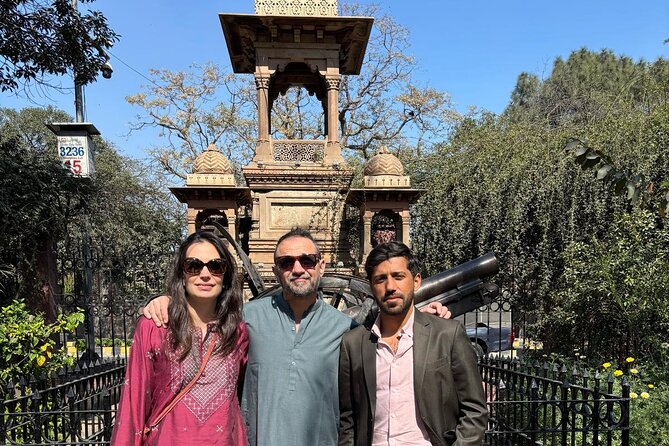
- A private tour with an English-speaking guide (Bilawal) who explains the why, not just the what
- Major Mughal-era stops in a sensible order, including UNESCO-listed sites
- Walled City walking moments that feel lived-in, not staged
- Shahi Hammam and Gali Surjan Singh for texture, craft, and local atmosphere
- Wagah Border ceremony as a dramatic end to the day
- Tickets are mostly handled, with one explicitly noted ticket exception (Masjid Wazir Khan)
A Licensed Guide Makes the Stories Click
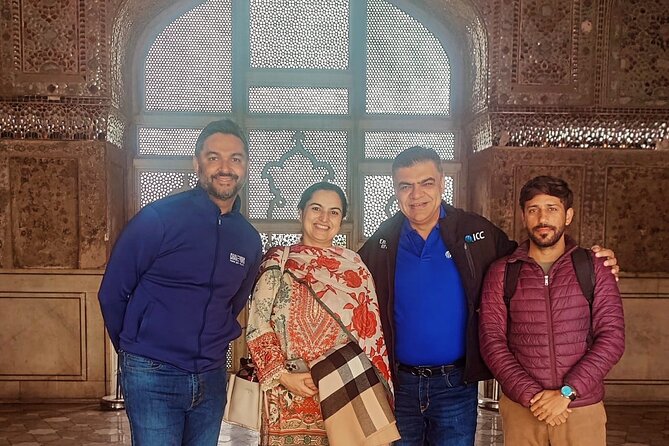
You don’t need a lecture to enjoy Lahore, but you do need context. That’s where Bilawal shines. He’s described as academically grounded in Pakistani history and culture, and he’s also an officially licensed guide with IELTS certification. In plain terms: you get explanations that are accurate, clear, and easy to track even if your Urdu background is zero.
I like tours where the guide can flex with the group. Here, the style is described as non-rushed and relaxed, meaning you can stop to read a plaque, take a slow look at tilework, or ask why a landmark looks the way it does. That matters a lot in Lahore because so many sites are layered—Mughal, imperial, civic, and religious—often within a few minutes of walking.
If you’re the type who wants everything served fast, this might not feel like a sprint. But if you want understanding with your photos, it’s a strong match.
You can also read our reviews of more tours and experiences in Lahore.


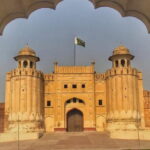
Lahore Fort: Built for Power and Protection
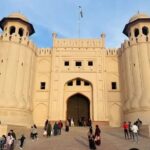
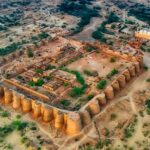
The day starts at Lahore Fort, a UNESCO world heritage site built in 1566 under the 3rd Mughal emperor Akbar. The fort was designed with a double purpose: abode and defence, using brick masonry for a strong, enduring physical presence. That combination is one of the first things you notice when you’re there—this isn’t just a palace set-piece. It’s a statement of control.
The tour gives you about 2 hours here, which is enough time to see the fort as a layout, not just a wall of stone. You’ll get the sense of how Mughal rulers organized space for residence and security, and how Lahore’s status made it worth defending.
Practical tip: go in with an eye for structure and symbolism. When you understand the intent behind the architecture, you start spotting meaning in the layout and scale.
Badshahi Mosque: Scale You Can Feel
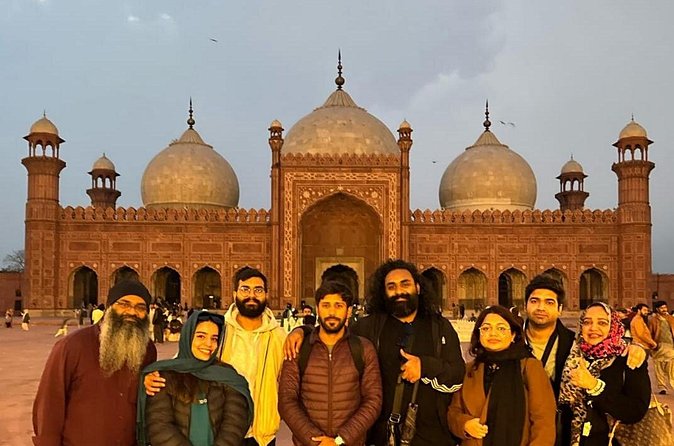
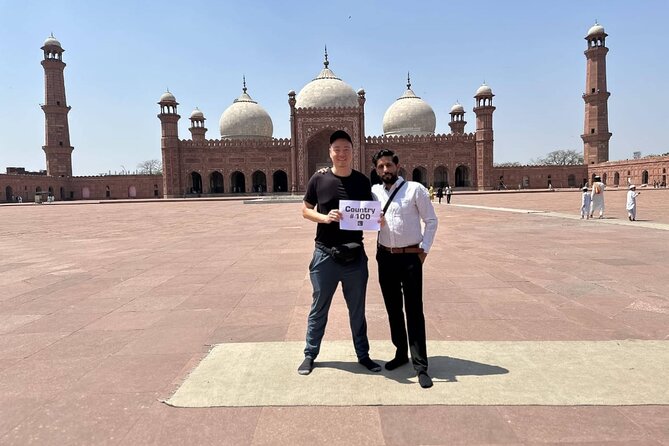
Next is Badshahi Mosque, a 17th-century Mughal masterpiece built by Aurangzeb Alamgir with red sandstone. The standout detail is the size: it’s listed as one of the largest mosques in the world, with a capacity of around 100,000 people.
The time is shorter—about 45 minutes—but the impact is big. This is one of those places where you’ll likely find yourself looking upward and stepping back just to register the sheer mass and design. The guide’s role here is huge: instead of treating it as a quick photo stop, you’ll learn what to watch for so the building feels like a system, not a backdrop.
Consideration: places of worship can have restricted areas depending on the time of day and ongoing activity. Build in a little flexibility and follow local guidance on where to stand and move.
Minar-e-Pakistan and Iqbal’s Place in the City
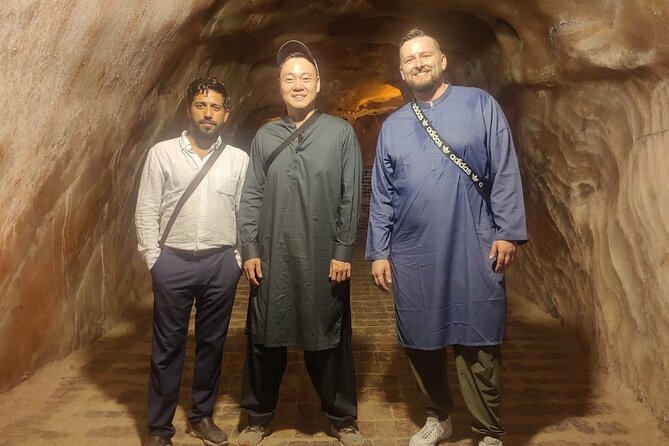
After the Mughal-heavy stops, the tour shifts to modern-national identity landmarks. You visit Minar-e-Pakistan, located inside the larger Allama Iqbal Park. It’s raised to commemorate the Pakistan resolution, tied to where the resolution was passed in 23rd (the itinerary text cuts off after this, so treat it as a commemorative link rather than a precise date you must quote).
This stop is brief—about 15 minutes—which is about right. The monument is easy to grasp from the outside, and it works well as a reset between major religious and historic sites.
Then comes the stop connected to Dr. Allama Muhammad Iqbal, known by multiple identities: National Poet of Pakistan, Poet of the East, and Spiritual Father of Pakistan. The explanation centers on his revolutionary poetry and the way his words inspired people. Even if you’re not a deep poetry reader, you’ll likely appreciate how Lahore treats ideas and literature as part of public life—not sealed away in textbooks.
Inside Lahore’s Walled City: Delhi Gate Energy, Hammam Comfort
The heart of the tour is the Walled City experience. Lahore’s old core is enclosed by 12 gates, and you’ll pass through the idea of the Delhi Gate, described as influential and tied to the royal family passing into their castle through it. That framing helps you understand why streets, gates, and courtyards matter so much here. It wasn’t only about scenery; it was about controlled movement and power.
From there, the tour hits three stops that feel more personal than the big monuments.

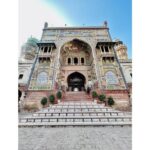

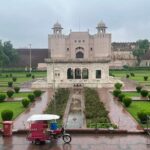
Shahi Hammam: Royal Rest in Mughal Form
Shahi Hammam was built in 1634 during Shah Jahan’s era. The itinerary notes it as the first place of rest and refreshing for the Royals when stepping into the walled city. You get about 30 minutes, which is useful because this kind of site rewards slow looking—details in architecture often tell you what the space was meant to do.
Even if you don’t know the technical terms, you can sense the intention: a place where people could reset physically during a day of movement through the city.
Gali Surjan Singh: A Traditions Street With a Name Story
Next is Gali Surjan Singh, about 10 minutes, and it’s free. This lane is traditionally decorated, and it’s attributed to Mughal physician Surjan Singh, who reportedly resided here. That tiny detail is exactly why I like adding these smaller streets: the city stops feeling like a museum and starts feeling like a set of real neighborhoods with real people attached to specific addresses.
If you’re picky about your photos, this is where you’ll get texture—street rhythm, walls, and local design clues.
Masjid Wazir Khan: Tilework Meets Practical Ticket Notes
Masjid Wazir Khan is one of Lahore’s icons for a reason. It was built in 1634 and is described as reflecting Shah Jahan’s aesthetic sense through intricate mosaic work, fresco painting, and calligraphy. You get about 30 minutes here, which is a good window for close viewing without feeling rushed.
Here’s a key practical note: the itinerary explicitly marks admission ticket not included for this stop. That doesn’t mean the tour is missing something—it just means you should be ready to pay separately if you want to go inside where admission applies. I’d treat it as the one spot in the day where you might need a little cash or card readiness.
How to get the most out of it: look for the calligraphy and mosaic patterns as you move your eyes around. The best way to enjoy ornate work is to let it guide your gaze rather than trying to photograph everything in one frame.
Shalimar Gardens: The Royal Escape Moment
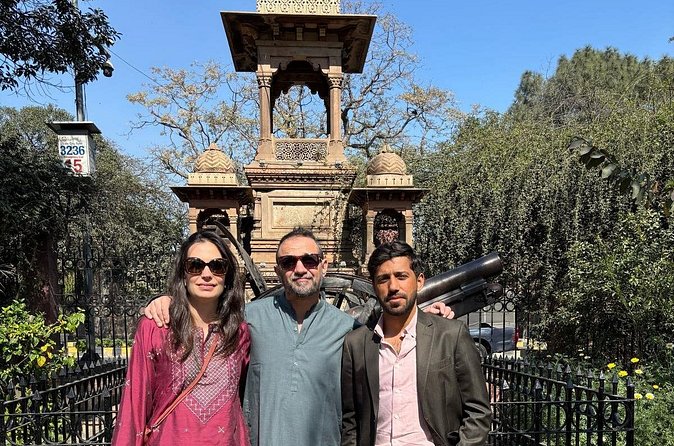
The tour includes Shalimar Gardens, another UNESCO world heritage site. In the itinerary description, it’s presented as a royal recreational area and described as an earthly utopia created for Emperor Shah Jahan—built as a harmonious space where the relationship between people and environment could feel balanced.
Even though no exact time block is listed here in the details you provided, the inclusion makes sense. After religious sites and city lanes, Shalimar Gardens acts like a breath. It’s not just about walking through greenery; it’s about experiencing planned space—geometry, sightlines, and the idea of leisure built into Mughal rule.
Tip from experience with garden stops: give yourself a few minutes to stand back and take in the layout. Gardens can trick you if you only move your camera hand; the design reads best when you pause.
Wagah Border Flag-Lowering Ceremony: Drama With a Script
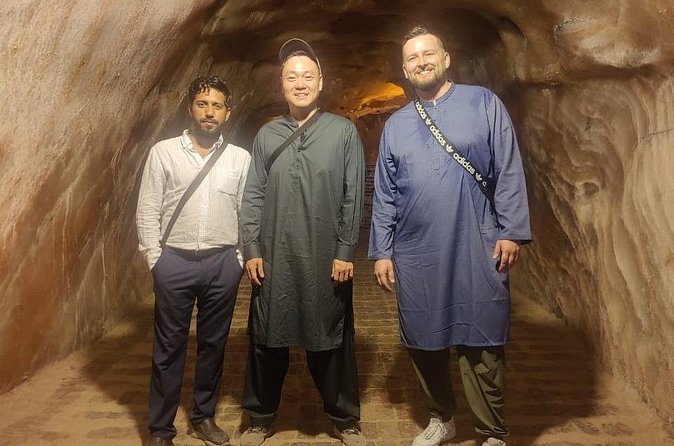
To close out the day, the tour goes to Wagah Border for the daily flag-lowering ceremony. The description is clear: it’s choreographed, with Pakistani and Indian soldiers performing synchronized, theatrical displays of martial skill and patriotism before the flags.
This stop takes about 2 hours, so plan for it to be your main finale. The value here isn’t just the spectacle—it’s that it’s a different side of Lahore’s story. The day shifts from heritage monuments to a modern ritual tied to national identity.
What to watch for: timing, formation, and how the event is presented as performance. If you enjoy events with a clear program and strong energy, this fits nicely.
A small consideration: it can be crowded. Keep your plans simple for this part of the day—snacks and water you bring yourself, plus a calm mindset.
Price and Value: Is $135 a Good Deal?
At $135 per person for about 8 hours, you’re paying for a full-day private experience with transportation, an English-speaking guide, and sightseeing tickets handled as part of the tour package.
Here’s why that price can make sense:
- You’re getting multiple high-impact sites in one day, instead of piecing together separate entry tickets and transport.
- The guide adds value beyond logistics by explaining what you’re seeing, including the stories behind gates, monuments, and named places in the Walled City.
- The pace is described as relaxed, which often costs more in time and attention than a fast group tour.
The main “check before you go” cost detail is Masjid Wazir Khan, since the admission ticket is explicitly noted as not included. In other words: the tour is mostly priced as a smooth day, but one standout stop may require an extra payment.
If you want a private guide in Lahore that can connect dots across centuries and still keep the day comfortable, this price looks fair.
Who This Tour Fits Best
This tour is a strong choice if you:
- Want major Lahore landmarks plus older-city textures in one route.
- Prefer a guide who can explain history and culture clearly in English.
- Like a non-rushed pace that still covers a lot of ground.
- Enjoy a final-event payoff with Wagah Border instead of ending the day at a museum.
It may be less ideal if you:
- Want to spend most of your time inside only one or two sites with long, quiet breaks.
- Plan to chase photos every minute without stopping to understand what you’re looking at.
- Have very high sensitivity to crowds around big religious and ceremony areas.
Should You Book This Lahore Heritage and Sightseeing Tour?
I’d recommend booking this tour if you want a guided day that feels thoughtful, not chaotic. The biggest reason is the guide approach—Bilawal’s academic grounding and licensed credentials, paired with a relaxed style, makes Lahore’s sites easier to understand and more satisfying to visit. The itinerary also keeps a nice balance: Lahore Fort, Badshahi Mosque, Walled City streets and hammam architecture, and then a modern dramatic close at Wagah Border.
Before you commit, just be ready for one practical item: Masjid Wazir Khan admission isn’t included, so plan for that extra entry cost. If you’re comfortable with that, you’re set up for an efficient, meaningful introduction to Lahore.
FAQ
How long is the Lahore Heritage and Sightseeing Guided Tour?
The tour duration is about 8 hours.
Does the tour include pickup and transportation?
Yes. Pickup is offered, and transportation is included.
Where does the tour start and end?
It starts at Food Street Fort Road (Food St Fort Rd, Shahi Mohallah Walled City of Lahore) and ends back at the same meeting point.
What are some of the main stops on the itinerary?
The tour includes Lahore Fort, Badshahi Mosque, Minar-e-Pakistan, the area connected to Dr. Allama Muhammad Iqbal, Shahi Hammam, Gali Surjan Singh, Masjid Wazir Khan, Shalimar Gardens, and Wagah Border.
Are admission tickets included?
Sightseeing tickets are included, and the itinerary notes that Gali Surjan Singh is free. Masjid Wazir Khan is explicitly listed as not included, so you may need to pay that admission separately. Meals are not included.
Is this a private tour?
Yes. It’s private, so only your group will participate, and the guide is English-speaking.