REVIEW · LAHORE
Day trip of Gurdwara Kartarpur Darbar sahib
Book on Viator →Operated by Pakistan Guided Tours · Bookable on Viator
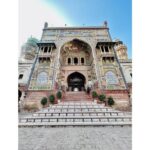
Kartarpur feels like a living pilgrimage day. This private trip from Lahore strings together Sikh sacred stops tied to Guru Nanak Dev Ji, then rolls through Punjab countryside before you end with dinner in Lahore under a big-sky view of Badshahi Mosque and the Lahore Fort.
I love the way the route mixes major spiritual landmarks with small, human details like the old well linked to Guru Nanak’s farming, and I also love the level of explanation you get from your guide, often led by Mr. Maqbool Ahmad. One consideration: it’s a long 12 to 14 hour day, and road conditions can affect timing.
You’ll start at Shalimar Gardens on the GT Road area, and you’ll finish right back there. Along the way, you’ll eat real local food (breakfast in Lahore, lunch in Narowal, dinner in a Lahore food street), ride in private transportation, and use a mobile ticket—so you’re not scrambling last minute. The main tradeoff is simple: you’re paying for a full-day private service, so if you want a slow, do-it-yourself pace, this one may feel like a sprint.
In This Review
- Key Things That Make This Lahore to Kartarpur Day Special
- A Full-Day Sikh Yatra Starts at Shalimar Gardens (and Runs Long)
- Kartarpur Darbar Sahib: Death Place, Old Well, and the Bomb Display
- Guru Nanak’s Birthplace Focus: How Nankana Sahib Fits the Story
- Sacha Sauda at Farooqabad: Langar’s Idea, Told Simply
- Punjab Village Passing Time: What You’ll Notice From the Road
- Meals Built Into the Day: Where You Eat Matters Here
- Price and Value: What $240 Covers (and Where It Might Not)
- Tips to Make the Long Day Feel Manageable
- Who This Day Trip Is Best For
- Should You Book This Lahore Sikh Yatra to Kartarpur?
- FAQ
- FAQ
- How long is the trip?
- Where does the tour start and end?
- What is the main gurdwara stop?
- Does the tour include admission tickets?
- What meals are included?
- Is pickup provided?
- Do I get a mobile ticket?
- Is this a private tour?
- What is not included?
- What is the cancellation policy?
Key Things That Make This Lahore to Kartarpur Day Special
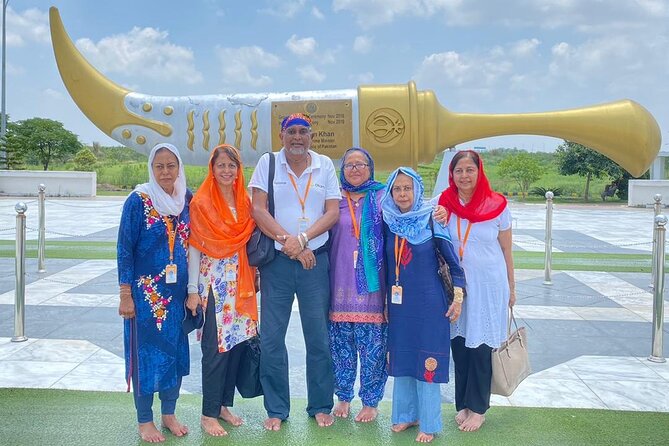
- Kartarpur Darbar Sahib’s Guru Nanak connection: the death place site, associated with 1539 AD.
- The old well still on the grounds, tied to Guru Nanak’s farming and irrigation.
- A guided Sikh yatra with Mr. Maqbool Ahmad, including patient historical context.
- Rural Punjab passing time, giving you a look at everyday village life between stops.
- A rare bomb-display moment: a religious-site museum-style display describing a past attempt to damage the gurdwara.
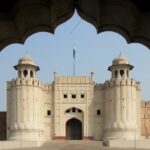
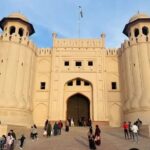
- Dinner with a view: Lahore’s Badshahi Mosque and Lahore Fort scenery while you eat.
A Full-Day Sikh Yatra Starts at Shalimar Gardens (and Runs Long)
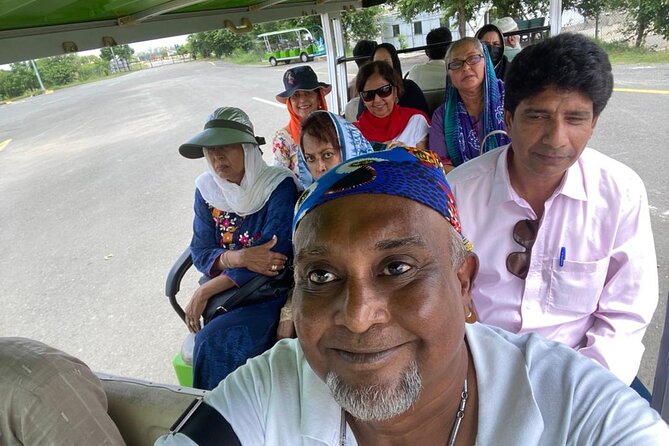
This is a private day trip, so it’s just your group, not a shared coach with strangers. You’re picked up at Shalimar Gardens (AH1, GT Rd, Shalamar Town, Lahore, 54000), and you end back at the same meeting point—easy, predictable, and helpful if you don’t want to figure out logistics after a long day.
The timing is the first big thing to plan around. The trip runs about 12 to 14 hours total, and that means you should treat the day like an outing, not a quick side trip. One reason is distance, but another is the way Sikh yatra routes work: you want time to enter peacefully, see key places, and understand why they matter.
You’ll also be using a mobile ticket and you get a confirmation at booking. That’s practical for anyone who doesn’t want paper tickets and long lines.
If you’re traveling with family, or with Sikh friends who want context and respectful pacing, the “private” part really helps. You don’t have to rush or wait on other people who are going at a different tempo.
You can also read our reviews of more tours and experiences in Lahore.
Kartarpur Darbar Sahib: Death Place, Old Well, and the Bomb Display
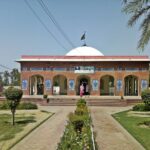
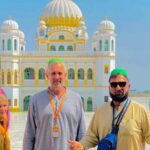
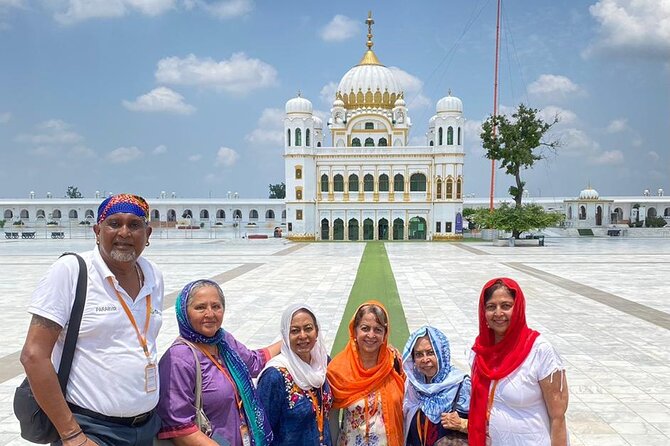
The heart of the day is Gurdwara Darbar Sahib Kartarpur, connected to the death of Baba Guru Nanak Dev Ji in 1539 AD. This stop is described as the death place site, and it’s paired with several on-ground details that make it feel more than just a landmark.
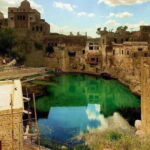
One of the first things I’d tell you to notice is the old well still present on site. It’s linked to Guru Nanak’s farming and irrigation, which adds a grounded, everyday layer to a place often treated only as monumental. Even if you’re not a “history museum” person, this kind of specific detail helps you picture the person behind the faith.
Then there’s the grave. You’ll be able to see the grave of Baba Guru Nanak Dev Ji, described as being built by Muslims. That interfaith detail is one of the most meaningful parts of Kartarpur. It helps explain why sacred sites like this can carry a shared community memory, not just one group’s story.
Finally, you may find the display of a bomb on the grounds emotionally intense. The tour description says it’s a bomb that was dropped by the Indian Air Force in a war attempt to destroy the gurdwara, but that the site was not destroyed. Whether you view it as relic, warning, or proof of survival, it’s the kind of moment where your guide’s framing matters. Ask questions. Let it land. It’s not just sightseeing.
Also note: the admission ticket is included for this stop. That’s a real time-saver on a day that already runs long.
Guru Nanak’s Birthplace Focus: How Nankana Sahib Fits the Story
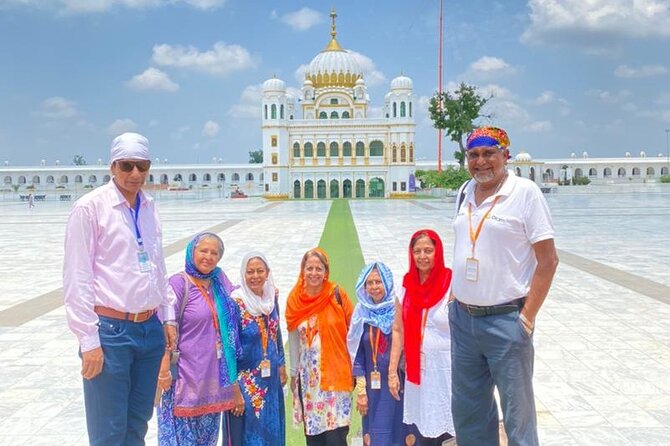
A Sikh yatra that includes Kartarpur usually makes one point very clearly: Guru Nanak’s life is mapped across space. Since Kartarpur is tied to his death, you’ll also be visiting the birthplace area at Nankana Sahib, which is explicitly mentioned as part of the wider route.
This is where you’ll feel the day shift from one “site of arrival” to one “site of origin.” Birthplaces tend to bring a more human vibe: you get a sense of where a life began, how a tradition took shape, and why pilgrims connect personal meaning to places.
One helpful detail you might hear while you’re there: Nankana Sahib is described as being about 42 km from Lahore in the context of this Sikh yatra route. That matters because it reinforces the idea that this day trip isn’t just a long road to a single destination—it’s a chain of connected stops across Pakistani Punjab.
If you’re the type who likes to understand the “why” behind every stop, ask your guide to connect Nankana’s sacred role to Kartarpur’s ending. When you do that, the day starts to feel like a timeline rather than three separate buildings.
Sacha Sauda at Farooqabad: Langar’s Idea, Told Simply
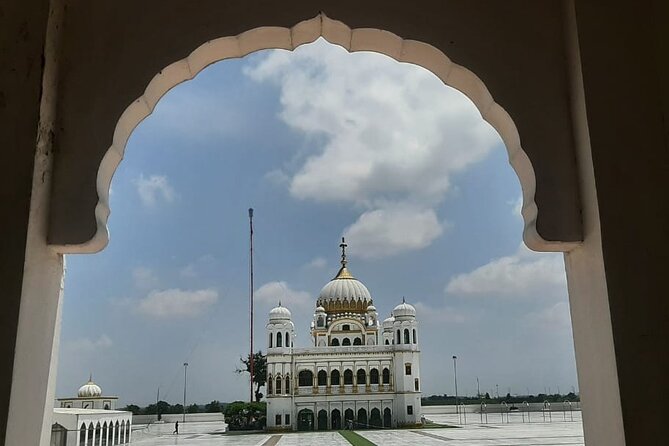
The third major spiritual stop in the day’s Sikh route is Sacha Sauda at Farooqabad. This is the kind of place where the lesson isn’t only about architecture. It’s about values in action.
The tour information ties Sacha Sauda to a key story: the concept of langar being started by Guru Nanak. One of the details shared on this route is that Guru Nanak’s father gave him 20 rupees to start a business. When he arrived at the location and saw hungry and sick people, he decided to spend that money on feeding them.
That’s a small set of facts, but it changes how you experience the site. Instead of asking, What am I looking at?, you start asking, What did the idea become in real life?
If you’re traveling with friends who might think “we’ll see temples and move on,” Sacha Sauda is the stop that often gives them something to talk about after the car ride home. It’s practical faith. Not abstract.
Punjab Village Passing Time: What You’ll Notice From the Road
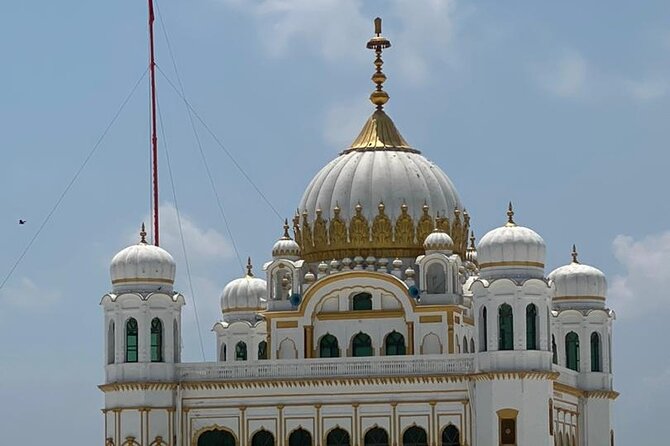
Between big gurdwaras, the tour description says you’ll pass through villages of Punjab and experience rural life with Punjabi people described as hospitable. You might not get a formal village walk with a promised schedule (the details here focus on driving between key stops), but you will be driving through the texture of daily Punjab.
This is one of the reasons I like this kind of day trip. When you’re stuck in only “major sites mode,” you can lose the sense of place. Here, the road time helps you feel you’re actually in Punjab, not only in a pilgrimage bubble.
For photographers, the value is timing: early hours and late-day light can make roadside scenes more interesting than midday glare. For the rest of us, it’s just a reminder that these gurdwaras aren’t floating in a vacuum. They sit inside living communities.

Meals Built Into the Day: Where You Eat Matters Here
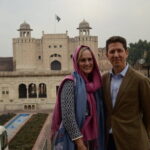
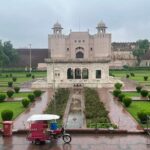
This tour includes meals, and that’s part of the value. You get traditional breakfast in Lahore, lunch at a local restaurant in Narowal, and dinner at a restaurant in a food street of Lahore with views of Badshahi Mosque and Lahore Fort.
Here’s how that helps you as a traveler:
- Breakfast included means you don’t start the day hungry or hunting for food. On long tours, that alone is worth something.
- Lunch in Narowal breaks up the day and keeps you from doing that exhausting “snack-only” routine.
- Dinner with the mosque and fort views turns the ending into a treat. After a long religious route, it’s a nice reward that still feels connected to Lahore’s identity.
One small practical note: since the day runs long, drink water and pace yourself. If you’re the type who jumps from stop to stop without breaks, this itinerary may ask you to slow down at natural points.
Price and Value: What $240 Covers (and Where It Might Not)
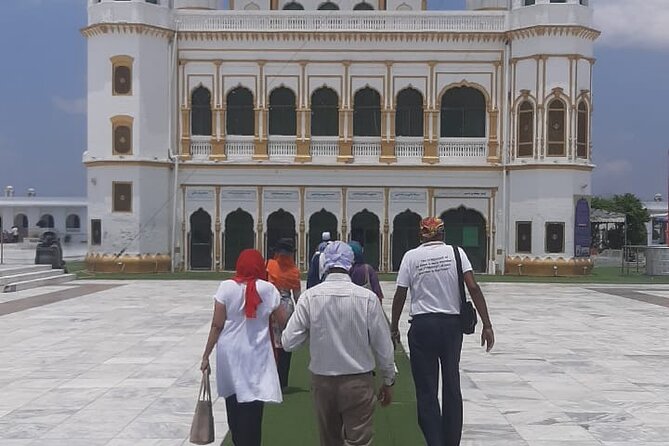
At $240 per person, you’re buying a lot more than “entry tickets.” What’s included is private transportation, meals (breakfast, lunch, dinner), and the convenience of a mobile ticket and pickup/return to the same meeting spot.
That can be good value if:
- you want privacy and a guided, story-driven route
- you’re traveling with a group that wants flexible questions and respectful pacing
- you don’t want to coordinate separate taxis and meal plans across multiple districts
It might not feel like great value if:
- you prefer independent travel and already know how to arrange drivers locally
- you want shorter, less exhausting travel days
- you don’t care much for guided context and would rather spend time at fewer locations
Also consider that the day is long and road conditions can play a role. Even if the guide is proactive, the reality of getting from place to place remains.
Tips to Make the Long Day Feel Manageable
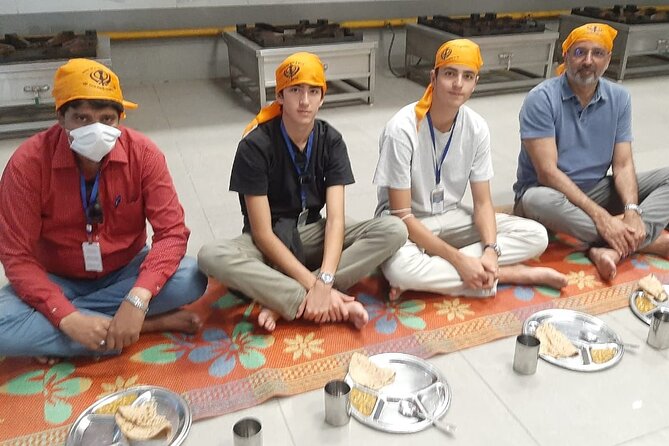
Do these and the experience tends to go smoother:
- Plan for a packed schedule. A 12 to 14 hour day means comfort beats fashion. Wear shoes you can stand in.
- Bring modest, site-respectful clothing. Gurdwara visits typically require it, and it’s better to have it ready than improvise.
- Ask your guide to connect the stops. The best feeling of this trip comes when Kartarpur (death place) links clearly to Nankana (birthplace) and then Sacha Sauda (values in action).
- Expect timing changes due to roads. If you’re prone to stress about punctuality, treat the schedule as flexible.
- Eat when the meals are offered. You don’t want energy crashes halfway through the day.
One reason this tour gets strong ratings in similar experiences is that the guide, often Mr. Maqbool Ahmad, is described as professional and patient—meaning you’re more likely to get explanations matched to your questions instead of a one-size-fits-all script.
Who This Day Trip Is Best For
This tour is a great fit if you:
- want a Sikh yatra focused on Guru Nanak’s life locations
- care about the meaning behind each stop, not just photos
- prefer private transportation and a guided route from Lahore
- travel with Sikh friends or family who value respectful context
If you’re a solo traveler who likes meeting people, you might enjoy it less because it’s private and group-limited by design. But if what you want is calm, respectful, and well-run, it can still be a strong choice.
Should You Book This Lahore Sikh Yatra to Kartarpur?
I’d say book it if you want a one-day plan that covers the key sacred notes: Guru Nanak’s death place at Kartarpur, the birthplace focus at Nankana Sahib, and the values story at Sacha Sauda—all supported by private transport and included meals.
I’d hesitate only if:
- you dislike long travel days
- you’re hoping for a relaxed pace with lots of free time
- you’re very sensitive to difficult historical displays (the bomb exhibit is part of what you may see)
If your goal is a focused, meaningful Sikh pilgrimage day that still feels grounded in real Lahore and real Punjabi surroundings, this is the kind of tour that makes sense.
FAQ
FAQ
How long is the trip?
It lasts about 12 to 14 hours.
Where does the tour start and end?
It starts at Shalimar Gardens (AH1, GT Rd, Shalamar Town, Lahore) and ends back at the same meeting point.
What is the main gurdwara stop?
A key stop is Gurdwara Darbar Sahib Kartarpur, tied to Baba Guru Nanak Dev Ji’s death in 1539 AD.
Does the tour include admission tickets?
Admission ticket is included for the Kartarpur Darbar Sahib stop.
What meals are included?
You’ll have breakfast in Lahore, lunch in Narowal, and dinner in Lahore at a food street area with a view of Badshahi Mosque and Lahore Fort.
Is pickup provided?
Yes, pickup is offered.
Do I get a mobile ticket?
Yes, the tour includes mobile ticket.
Is this a private tour?
Yes. It’s private, so only your group participates.
What is not included?
The tour lists bicycle use and scuba/snorkeling/segway/trikke equipment as not included.
What is the cancellation policy?
It has free cancellation up to 24 hours in advance for a full refund; canceling less than 24 hours before does not refund.