REVIEW · LAHORE
Kartarpur Corridor and Gurdwara Sahib Yatra Guided Tour
Book on Viator →Operated by Pakistan Tour with Qaisar Hussain · Bookable on Viator
If you want a spiritual day trip with real-world logistics, this one fits. The Kartarpur Corridor is visa-free for Indian visitors and links Gurdwara Darbar Sahib in Pakistan with Gurudwara Dera Baba Nanak in India, so your route isn’t just scenic. You’ll be guided end-to-end, with langar as part of the experience, turning a border crossing into a worship-focused yatra.
I especially like the way the tour is set up for practical success at the checkpoints. Based on the feedback I’ve seen and the tour’s own emphasis on full service, you can expect professional help to get through required steps without feeling lost or hassled. I also love that the visit is anchored at Kartarpur’s gurdwara, so the day doesn’t turn into a rushed photo stop.
One thing to keep in mind: the experience depends on good weather, so if conditions are poor, the schedule can shift and you’ll need to be flexible. Also, note that it’s a guided, private setup, so it’s not the best match if you want a fully DIY, wandering-at-will style.
In This Review
- Key highlights you’ll care about
- Why the Kartarpur Corridor feels different than other religious trips
- Price and value: what $175 buys in a full-day guide-led yatra
- Getting started in Lahore: the meeting point and what it means
- Smooth checkpoint handling is the real comfort factor
- Gurdwara Darbar Sahib Kartarpur: what you’re really going to see
- Langar included: why it’s more than a meal
- Private tour format: when it helps and when it doesn’t
- Timing and day length: how to plan your morning
- Who this tour is best for
- A few considerations before you book
- Should you book this Kartarpur Corridor guided yatra?
- FAQ
- FAQ
- Is this tour private or group-based?
- Where does the tour start in Lahore?
- What time does the tour begin?
- How long is the experience?
- What does the tour price include?
- Is pickup included?
- Do I need a visa for the corridor?
- Is a mobile ticket used?
- What’s the main stop during the tour?
- What if the weather is bad?
- What is the cancellation policy?
Key highlights you’ll care about
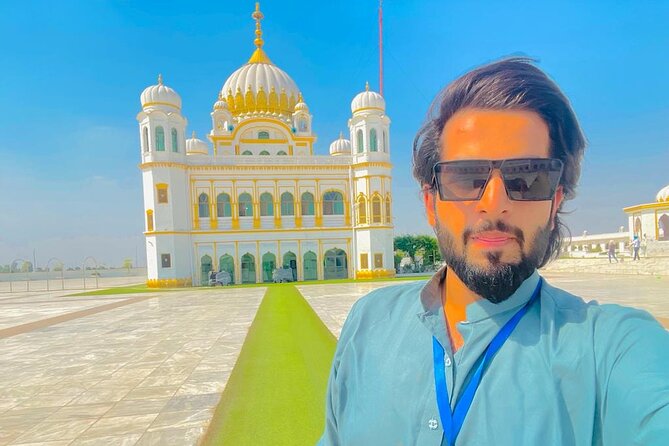
- Checkpoint support that keeps the day moving so you spend less time figuring things out
- Visa-free corridor context that makes the pilgrimage route meaningful and straightforward for eligible visitors
- Gurdwara Darbar Sahib in Kartarpur as the main spiritual stop
- Langar included as part of the guided service, not an afterthought
- Pickup and mobile ticket help you start from Lahore with less friction
- Private tour format, just your group, for a more focused day
Why the Kartarpur Corridor feels different than other religious trips
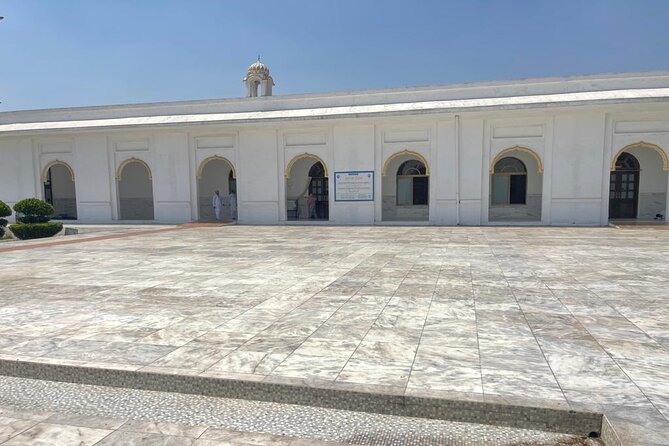
Kartarpur isn’t just a place on a map. It’s a living pilgrimage route. The Kartarpur Corridor is a visa-free border crossing connecting Gurdwara Darbar Sahib near Lahore, Pakistan, to Gurudwara Dera Baba Nanak in Punjab, India. That matters because it turns a political boundary into a spiritual bridge for worshippers who qualify.
There’s also a strong story thread behind the town. Kartarpur is connected to Guru Nanak, often described as the first guru of Sikhism who created the first Sikh commune there on the right bank of the Ravi River. Even if you’re not coming for the historical details, the religious weight of the place comes through when you’re actually in the gurdwara environment.
A key practical context that helps you plan your expectations: the corridor is set up so Indian worshippers can visit Pakistan’s gurdwara without a visa, while Pakistani Sikhs can’t use the crossing to visit the Indian gurdwara unless they go through the normal Indian visa/work route. That doesn’t affect your day directly unless you’re coming from a specific side, but it explains why the corridor experience is so tightly defined.
You can also read our reviews of more tours and experiences in Lahore.


Price and value: what $175 buys in a full-day guide-led yatra
This tour is priced at $175 per person and runs about 8 hours. That’s not the price of a quick city sightseeing outing. You’re paying for a guided format that handles more than just interpretation.
Here’s what the price is really covering, based on how the tour is described and how it’s been praised:
- Guided service end-to-end, including help around required checkpoint steps
- Admission ticket included, so you’re not scrambling for entry details later
- Pickup offered and a structured start in Lahore
- Langar provided as a core part of the experience
If you’re thinking in terms of value, the sweet spot is people who want to do something meaningful but don’t want the stress of planning a complicated day. A border-based pilgrimage is one of those situations where “I’ll figure it out” can turn into wasted time and unnecessary hassle. This tour aims to remove that friction.
If you’re the type who loves total independence, you might feel constrained. But for most people, the cost feels easier to justify when the day is built around logistics and a guided worship experience rather than an open-ended schedule.
Getting started in Lahore: the meeting point and what it means
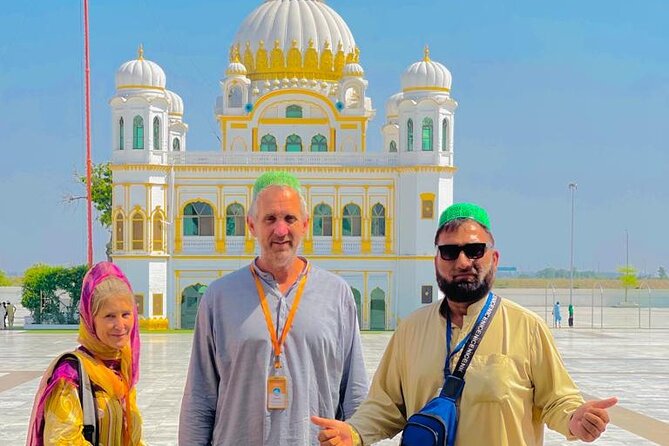
You’ll start at Fort Road Food Street (next to the Taj Mahal sweet shop, Shahi Mohallah Walled City of Lahore). The start time is 9:00 am, and the activity returns you back to the meeting point at the end.
Why this location detail matters: Shahi Mohallah is inside the Walled City area, which can be busy and a little confusing if you’re unfamiliar with the streets. Having a fixed, known meeting spot next to a recognizable landmark helps you get oriented fast. It also makes pickup simpler for the provider, since they aren’t asking you to navigate multiple points across the city.
The tour includes a mobile ticket, which is usually a relief on travel days. Less paper. Less last-minute confusion. And since you’ll receive confirmation at the time of booking, you have a clearer sense that the plan is locked in before you show up.
Smooth checkpoint handling is the real comfort factor
A big reason people rate this experience highly is the focus on how the day is handled in real time. This is the part you don’t want to “wing”: security and checkpoint processes at an international religious corridor.
The tour is described as offering full service and emphasizing the route through necessary checkpoints. In practical terms, that means:
- You’re not left standing around trying to decode what happens next
- The day is organized so you can focus on being present for the pilgrimage part
- You get a professional guide-style support system, which matters when procedures are strict and time can move quickly
Even if you’ve traveled internationally before, a border crossing tied to worship has its own pace and rules. I like that the tour treats this as a handled process, not a casual extra. That’s where value turns into peace of mind.
The experience provider is Pakistan Tour with Qaisar Hussain, and the guiding approach seems to be part of the appeal—especially the sense that arrangements are prompt and the guidance is professional.
Gurdwara Darbar Sahib Kartarpur: what you’re really going to see
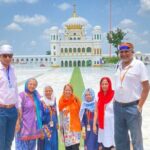
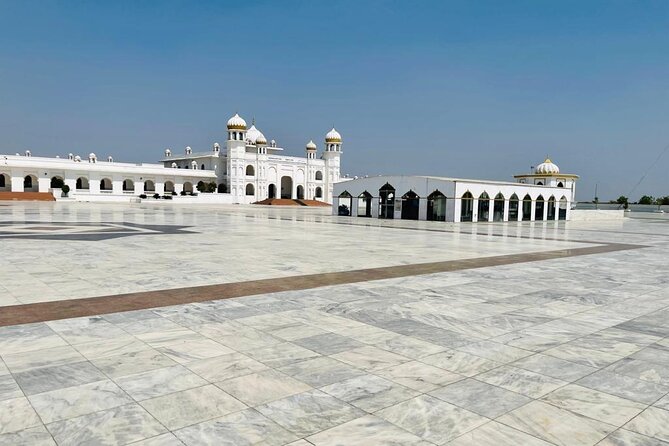
The main stop is Gurdwara Darbar Sahib Kartarpur. This is the spiritual anchor of the corridor experience, and it’s where the day becomes more than “just crossing.”
From a visitor’s standpoint, the gurdwara setting does a few things quickly:
- It sets the tone for worship and respect.
- It brings the pilgrimage story into a physical place, not just a concept.
- It gives you a clear reason to be patient during any border-related waiting.
The gurdwara is located in Kartarpur, and the corridor itself is about 4.7 kilometers (2.9 miles) from the India–Pakistan border. That short distance is part of what makes the corridor feel accessible once you’re in the process—your day isn’t stretched into a long multi-day ordeal.
What to expect during your visit is best thought of as a structured religious experience rather than a “tour of sights.” The tour is set up to be energetic and enjoyable, which makes sense: gurdwara visits are meant to be lived, not merely observed. You’ll be guided on what to do and how to take part properly, and the overall day is designed around that flow.
One practical consideration: dress and behavior matter in any gurdwara. Even if you’ve visited places of worship before, treat this as a calm, respectful setting. You’ll have a better experience when you show up mentally ready for worship rather than sightseeing.


Langar included: why it’s more than a meal
This is one of the most praised parts of the experience: langar and full service.
Langar is central to Sikh tradition. It’s also a powerful way to understand the community side of the faith. Even if you’ve heard the word before, being part of langar during a pilgrimage-linked day adds an extra layer. You’re not just entering a historic religious site; you’re taking part in a shared practice of hospitality.
The tour description is clear that langar is part of the experience, and the feedback highlights it as a standout moment. I like that this isn’t framed as a side stop. It’s built into the day, which means you can plan your energy around it instead of wondering when you’ll eat or whether you’ll find something appropriate nearby.
If you’re sensitive to food timing or your energy levels fluctuate during travel days, this is another reason the guided structure helps. The tour is trying to keep you from getting “hangry and confused,” which is a real risk on long travel mornings.
Private tour format: when it helps and when it doesn’t
This is a private tour/activity, meaning only your group participates. That’s a meaningful detail for a border-corridor yatra.
Why it helps:
- Your guide can respond to your group’s pace.
- The tour can stay focused on worship flow instead of accommodating unrelated people with different expectations.
- You’re less likely to feel “herded” by a larger crowd if your group wants more time to settle in.
Why it might not help if you’re seeking a social travel vibe:
- You won’t get the natural mix of chatting with strangers that some group tours offer.
- The day is more controlled, less spontaneous.
For many people, private is exactly what you want on a structured religious journey—quiet, respectful, and straightforward.
Timing and day length: how to plan your morning
The day starts at 9:00 am and runs about 8 hours. That’s long enough that you should treat it like a full outing, not a quick diversion.
Here’s how I’d plan around it:
- Eat a proper breakfast before pickup if you can, because morning routines vary.
- Keep your phone charged in case you rely on the mobile ticket.
- Wear comfortable clothing and shoes. Even if the tour is well organized, you’ll still be moving through a religious site and possible waiting areas.
Also, remember the experience requires good weather. If conditions are poor, it may be rescheduled or you might get a refund. Build in flexibility so you’re not forced into a tight travel plan.
Who this tour is best for
This guided Kartarpur Corridor yatra is a good fit if you:
- Want to combine a major religious destination with real logistical help
- Prefer a guided experience with structured pacing through checkpoints
- Care about practical comfort—pickup, mobile ticket, and organized admission
- Like the idea of experiencing langar as part of the day, not as a random find
It’s also a solid choice if you’re visiting Lahore and want your time to count. Instead of a generic half-day itinerary, this gives you a purpose-driven, deeply meaningful experience tied directly to the corridor’s visa-free pilgrimage concept.
A few considerations before you book
No tour is perfect for every traveler. Here are the points I’d think through first:
- If you dislike structured schedules, an 8-hour guided day may feel tight.
- If weather is unstable for your travel dates, you may need to accept changes.
- Because this is a border-based corridor, you’ll want to follow instructions carefully and arrive ready for the process.
Should you book this Kartarpur Corridor guided yatra?
If you want a spiritually meaningful day with practical support, I think this is an easy “yes” to consider. The big strengths are exactly what you hope for in a corridor pilgrimage: professional checkpoint handling, a focused gurdwara visit, and langar as a core experience. The private format also adds comfort, especially if you like a quieter, more controlled day.
Book it if your priority is doing the yatra with less stress and more spiritual time. Skip it only if you strongly prefer DIY travel with no guide-led structure, or if you’re traveling during a period when weather may be unpredictable and you can’t be flexible.
FAQ
FAQ
Is this tour private or group-based?
It’s a private tour/activity, so only your group will participate.
Where does the tour start in Lahore?
The meeting point is Fort Road Food Street, next to the Taj Mahal sweet shop, Shahi Mohallah Walled City of Lahore.
What time does the tour begin?
Start time is 9:00 am.
How long is the experience?
The duration is about 8 hours.
What does the tour price include?
The price is $175 per person and includes the admission ticket. The experience also includes langar as part of the guided service.
Is pickup included?
Yes, pickup is offered.
Do I need a visa for the corridor?
The corridor is described as visa-free, connecting the pilgrimage route between the gurdwara near Lahore and the gurdwara in India. Specific eligibility depends on which side you’re coming from, as described in the tour context.
Is a mobile ticket used?
Yes, the tour includes a mobile ticket.
What’s the main stop during the tour?
The focus is the Gurdwara Darbar Sahib Kartarpur.
What if the weather is bad?
The experience requires good weather. If it’s canceled due to poor weather, you’ll be offered a different date or a full refund.
What is the cancellation policy?
You can cancel for free up to 24 hours in advance of the experience start time for a full refund.