REVIEW · NUR SULTAN
The Old City Tour
Book on Viator →Operated by To-Go-In Astana · Bookable on Viator
Astana’s past hides in plain sight. This private Old City tour gives you a fast, friendly way to understand how Kazakhstan layers Soviet-era life with Kazakh identity, with stops that explain the story rather than just point at buildings. I especially like that you’re not only looking at monuments—you’re also learning what they represent.
Two things I like a lot: the focus on specific figures and places (from poet Saken Seifullin to Khan Kenesary), and the practical rhythm of the tour. You get air-conditioned transport plus a guide, water, and tickets where needed, so you can spend your energy on people, photos, and questions.
One drawback to consider: the tour assumes a strong physical fitness level and the walking/standing time varies by where you stop and how the day feels. If you want a super slow, sit-everywhere pace, you may find the 3 to 4 hours moves a bit.
In This Review
- Key highlights that make this tour work
- Getting oriented: why Nur-Sultan feels modern but isn’t only modern
- Stop 1 at the Atameken Ethno-Memorial Map: a mini Kazakhstan lesson in 40 minutes
- Saken Seifullin Museum: the USSR period through one person’s life (40 minutes)
- Monument to Khan Kenesary: a short stop with a clear viewpoint (10 minutes)
- The Museum of the First President: Nazarbayev’s timeline and documents (about 30 minutes)
- Astana Supermarket in the Merchant Matvey Kubrin Trade House: Soviet-era architecture you can touch
- Price, timing, and real value for $93.42
- Who should book this Old City tour
- Should you book the Old City Tour?
- FAQ
- What is the duration of the Old City Tour?
- How much does the Old City Tour cost?
- Is this a private tour?
- Does the tour include pickup?
- What are the main stops?
- Are tickets to the attractions included?
- What is included in the price?
- Is alcohol included?
- What weather or fitness conditions should I expect?
- What is the cancellation policy?
Key highlights that make this tour work
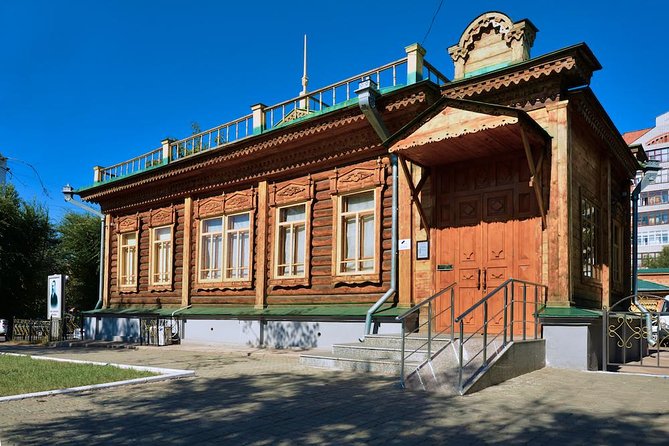
Over 200 model sights at Atameken in one stop, so you can get your bearings fast
Six-room Saken Seifullin Museum focused on the poet’s life and the USSR period
A quick Kenesary stop across the Ishim River with an easy photo window
A Nazarbayev museum visit with archival-style materials and a clear timeline
Shopping in the old Trade House of Matvey Kubrin, now the Astana Supermarket
Getting oriented: why Nur-Sultan feels modern but isn’t only modern
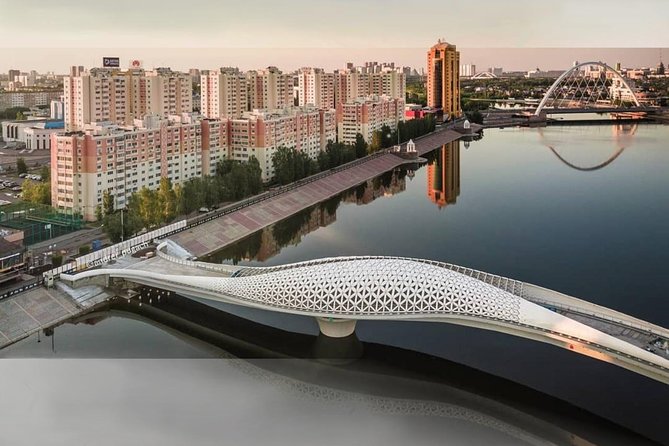
Nur-Sultan is known for its futuristic look. But the city’s story isn’t just about what was built in the last couple of decades. This tour is designed for the exact moment when you’re wondering, Okay, so what came before the glossy skyline?
In a few hours, you get the “why” behind major monuments and museum stops. That matters because Astana’s modern architecture can make some travelers feel like they’re floating above history. Here, the guide ties together culture, politics, and public memory—so you start noticing patterns when you look at the city after the tour.
Because it’s private (only your group), the guide can shape pacing around your interests. If you care more about personalities and politics, they can emphasize those angles. If you care more about daily life under the USSR, you’ll likely get extra explanation around the museum content.
This tour also stays practical. You’re not expected to manage transport, tickets, or long transitions on your own. That’s real value when you’re trying to see a lot without burning the day—or your legs.
You can also read our reviews of more tours and experiences in Nur Sultan.
Stop 1 at the Atameken Ethno-Memorial Map: a mini Kazakhstan lesson in 40 minutes
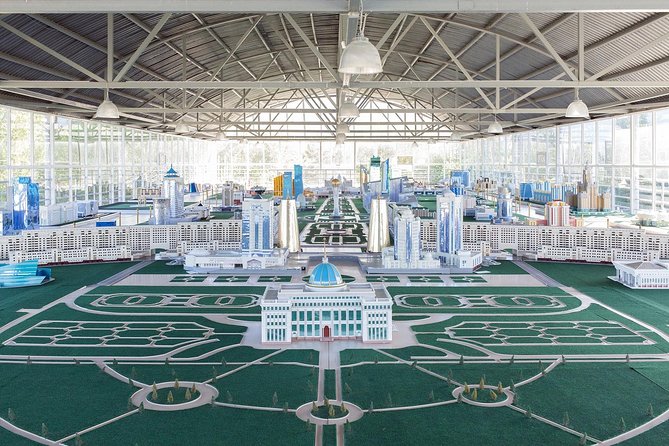
The first stop is the Atameken Ethno-Memorial Map of Kazakhstan, and it’s a clever warm-up. You’re looking at a huge scale model that marks regions and major cities such as Astana and Almaty. In other words, it gives you a mental map before you start absorbing specific stories.
The model park includes over 200 sights, so even if you don’t know much about the country today, you’ll leave with a stronger sense of geography. That helps later, because place-based history makes more sense when you can mentally locate it.
What I like about this stop is how accessible it is. You don’t need deep background knowledge to enjoy it. You can simply wander, point, and ask questions. With a guide, you’ll probably get context on why certain sites are represented and what the overall layout is trying to communicate.
One thing to keep in mind: miniatures are best when you’re comfortable walking and looking closely. If you prefer big indoor exhibits only, you might treat this as a quick orientation stop rather than the main event.
Saken Seifullin Museum: the USSR period through one person’s life (40 minutes)
Next comes the Saken Seifullin Museum. What makes this visit feel focused (instead of random) is that it’s structured around six rooms tied to different periods of the poet’s life. That format is useful because it turns a broad political era into a human story.
Seifullin helps connect Kazakhstan’s literary world to Soviet-era context. You’re not just hearing slogans—you’re seeing how one cultural figure’s timeline reflects shifting historical realities. For many visitors, that’s the key to understanding a period without getting lost in dates.
The 40-minute length is also a good match. It’s long enough to read and absorb, but short enough that you can still enjoy the rest of the tour without museum fatigue.
Practical tip: if you’re visiting on a day when you want photos, wear clothes that handle indoor/exterior light changes. Museums can be dim, while nearby areas may be brighter, and your camera will thank you.
Monument to Khan Kenesary: a short stop with a clear viewpoint (10 minutes)
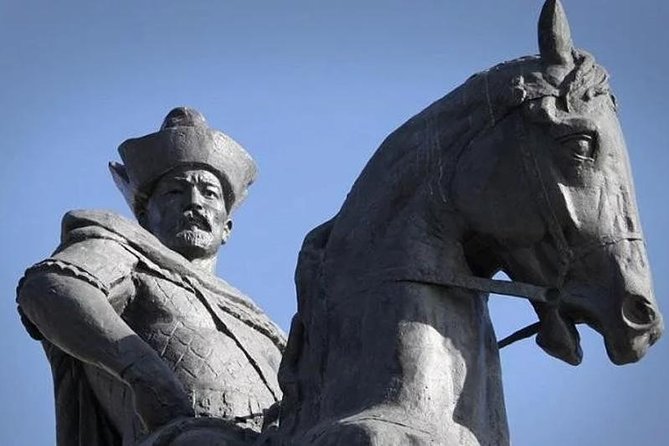
Then you’ll hit a monument to Khan Kenesary. This one is quick—about 10 minutes—but it’s intentionally placed for impact. The statue is across the river Ishim, so you get that “public space” feeling: monument, river, and a view that helps you understand how these symbols sit in the city.
Kenesary is presented here as a Kazakh nationalist figure, described as the last king of the Kazakh Khanate. Even if you don’t know the details beforehand, this stop can spark the right question in your head: Why are certain leaders remembered in statues, and what does that memory do for identity today?
Because this stop is short, it works well if you’re traveling with kids or you’re not in the mood for long walks. It also makes a nice contrast after the museum, switching from indoor storytelling to outdoor symbolism.
The main consideration is timing. If the day is windy or cold, you’ll feel it more in an outdoor riverside stop. Dress for the weather, and keep your expectations flexible.
The Museum of the First President: Nazarbayev’s timeline and documents (about 30 minutes)
After that, you’ll visit the Museum of the First President of the Republic of Kazakhstan. This stop is built around Nursultan Nazarbayev, who served from 1990 to 2019, and it’s presented with unique archive documents, scientific materials, and books written by Nazarbayev.
Even in a short visit, this museum can help you build a clearer picture of modern Kazakhstan’s leadership and how official history gets told through objects and paper. Museums like this often feel “state-centered,” so having a guide is helpful—you can ask what certain materials mean, and you can understand what the museum chooses to highlight.
At around 30 minutes, it’s not trying to replace a full day in a major national museum. Instead, it gives you a foundation. Afterward, you’ll likely feel more confident reading signage, hearing names in conversation, and following the country’s recent political timeline.
If you tend to skim museums, don’t worry—you can still get value by focusing on the museum’s main themes and reading the key displays that align with what you already learned in earlier stops.



Astana Supermarket in the Merchant Matvey Kubrin Trade House: Soviet-era architecture you can touch
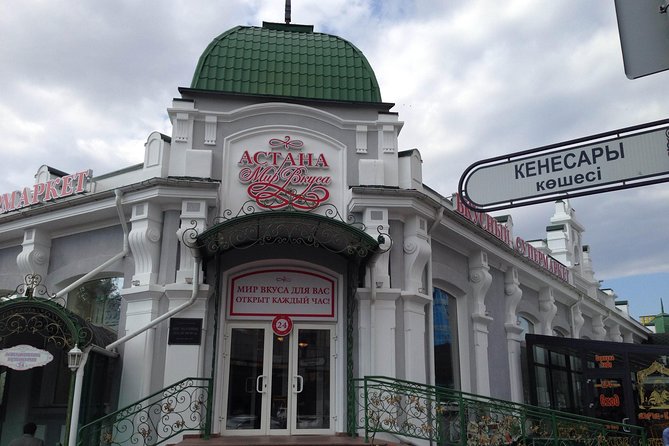
The last part of the tour adds a very human finish: a local shopping experience inside a classic USSR-era building, the Trade House of Merchant Matvey Kubrin. Today it’s known as the Astana Supermarket.
This is the kind of stop I love because it bridges history and daily life. A lot of tours show the past from behind glass. Here, you’re walking through a space where you can actually see how the architecture lives in day-to-day routines.
Architecturally, this building is a perfect companion to the monuments and museums earlier in the tour. You’ll likely notice how Soviet-era commercial design created a certain kind of public space—one built for movement, display, and everyday needs.
What to expect from this shopping stop: you’ll have time for browsing and picking up small items if you want. Even if you don’t buy anything, it’s worth going for the feel of the place. It’s a reminder that culture isn’t only found in memorials—it’s also in how people shop and gather.
A practical note: if you enjoy taking photos in markets, ask your guide if there are any restrictions inside specific areas. It keeps things smooth.
Price, timing, and real value for $93.42
This tour costs $93.42 per person and runs about 3 to 4 hours. That’s not a long time, but it’s packed in a way that usually works better than half-day tours that travel far between unrelated stops.
Here’s the value math that matters: private transportation, air-conditioned vehicle, water, guide time, and admission tickets where included. You’re also covered for all fees and taxes, which reduces the guesswork that can turn a good day into a frustrating one.
Also, this tour offers a mobile ticket, and confirmation typically comes within 48 hours depending on availability. For planning, that’s helpful when your schedule is already full.
One more practical angle: it’s booked on average about 16 days in advance. If you’re visiting during a busy season or traveling with a group, booking earlier can help you lock in the time you want.
A small tip worth sharing based on real-world experience: if you’re arriving to Astana and need a cab, I recommend price-checking first using apps like Yandex.Taxi or inDriver. One common problem is getting overcharged when you don’t have a baseline. A quick compare can save you stress before the tour even starts.
Who should book this Old City tour
This is a strong fit if:
- You want a guided introduction to Kazakhstan’s identity layers in a short window
- You like history connected to specific people: Seifullin, Kenesary, Nazarbayev
- You care about how Soviet-era architecture still functions in daily life
It might not be the best fit if:
- You want only ancient artifacts or only the newest buildings (this is explicitly a “history and memory” style day)
- You need a low-walking pace, since the tour lists a strong physical fitness level requirement
If you’re traveling with family, this kind of structure tends to land well: a map stop for orientation, museum time for learning, quick outdoor monuments, then a shopping finale that breaks up the pace.
Should you book the Old City Tour?
If you’re in Nur-Sultan for just a few days, I’d book it. For the price, the tour saves you from juggling transport and admissions, and it gives you context that makes the modern city easier to read. The combination of mini-map orientation, museum-focused storytelling, and a real-life Soviet-era shopping stop is a smart way to understand Astana without spending your whole trip in vehicles.
If your energy is limited or your group doesn’t handle walking well, consider whether you can meet the tour’s fitness expectations and dress for the weather. Otherwise, this is the kind of tour that helps your photos mean something—and helps you remember what you saw.
FAQ
What is the duration of the Old City Tour?
The tour lasts about 3 to 4 hours.
How much does the Old City Tour cost?
The price is $93.42 per person.
Is this a private tour?
Yes. It’s a private tour, and only your group participates.
Does the tour include pickup?
Pickup is offered, and it starts at Zher-AnaAstana 010000, Kazakhstan.
What are the main stops?
You’ll visit the Atameken Ethno-Memorial Map of Kazakhstan, the Saken Seifullin Museum, the Monument to Khan Kenesary, the Museum of the First President of the Republic of Kazakhstan, and you’ll also have a shopping experience at the Astana Supermarket (Trade House of Merchant Matvey Kubrin).
Are tickets to the attractions included?
Admission tickets are included for the Atameken Ethno-Memorial Map of Kazakhstan, the Saken Seifullin Museum, and the Museum of the First President of the Republic of Kazakhstan. The Monument to Khan Kenesary is free.
What is included in the price?
Included are bottled water, private transportation, air-conditioned vehicle, and all fees and taxes.
Is alcohol included?
No. Alcoholic beverages are not included.
What weather or fitness conditions should I expect?
The experience requires good weather, and it lists a need for a strong physical fitness level.
What is the cancellation policy?
Cancellation is free. You can cancel up to 24 hours in advance for a full refund, and cut-off times are based on local time.