REVIEW · NUR SULTAN
Astana: KarLag and Karaganda – Private USSR history tour
Book on Viator →Operated by Astana Horizons · Bookable on Viator
One day, two cities, hard truths. This Astana Horizons private USSR history outing pairs Karaganda’s Soviet-era landmarks with a focused visit to the KarLag Museum outside town, where the subject matter is heavy but handled with care. You start with quick photo stops and cultural sights, then spend real time at the KarLag / Museum of Political Repression Victims’ Memory in Dolinka.
I really like the balance of the day: you get enough city highlights to understand why Karaganda was shaped by industry and Soviet culture, without turning the trip into a blur. The lunch stop also helps a lot on a long schedule, with time to refuel at a Russian restaurant.
The main thing to consider is the commitment: expect a 10 to 11 hour day including travel from Nur-Sultan, and the museum content is emotionally intense. If you prefer light and cheerful sightseeing, this won’t feel like that kind of outing.
In This Review
- Key highlights you will feel
- Why Karaganda makes sense for a one-day USSR history outing
- Getting there from Nur-Sultan: the long-drive reality
- Shalkyma Concert Hall: a quick start with symbols and names
- K. Stanislavskiy Drama Theatre and the “official culture” clue
- Monument Mining Glory and the working-life story of Karaganda
- Gde-Gde? V Karagande! and why a phrase matters
- KarLag Museum at Dolinka: the part you shouldn’t skim
- Lunch in a Russian restaurant: not just a break, but pacing insurance
- Price and what $199 really buys you
- Who should book this tour (and who might not)
- Should you book the Astana Horizons KarLag and Karaganda tour?
- FAQ
- How long is the Karaganda and KarLag tour from Nur-Sultan?
- Do you offer pickup from Nur-Sultan?
- How far is Karaganda from Astana, and does travel time count?
- How long do you spend at the KarLag museum?
- Is the KarLag museum ticket included?
- What happens if weather is bad or you need to cancel?
Key highlights you will feel
- KarLag Museum (Dolinka) takes center stage with about 2 hours to see it properly
- Karaganda photo stops stay efficient, so you cover more ground in less time
- Soviet-era culture landmarks like the Stanislavskiy Drama Theatre from 1930 shape the story of the city
- Meaningful monuments including the Glory to the Miners site and the Gde-Gde? V Karagande! monument
- Lunch is built in and the day stays comfortable instead of “drive, rush, repeat”
Why Karaganda makes sense for a one-day USSR history outing
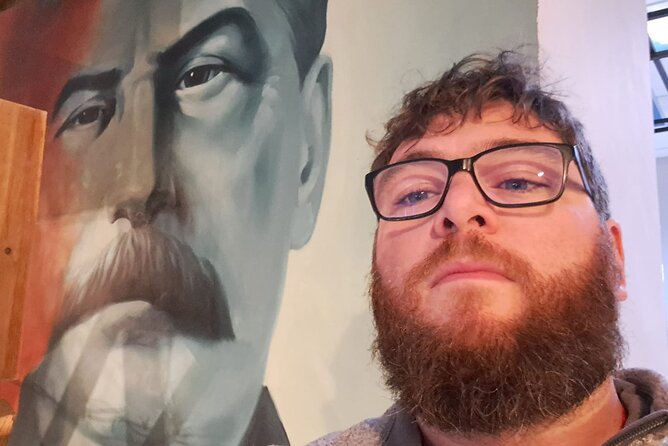
Karaganda is the kind of city that teaches you through its street-level landmarks. In a short span, you can connect the dots between Soviet cultural branding, industrial pride, and the darker side of Stalin-era control. On this tour, the structure makes it easier: you start with well-known public buildings and monuments, then you finish with the KarLag Museum, so the last stop lands with more weight.
What I like about the design is that it respects your time. The city stops are short enough to keep the day moving, but they’re not random. Each one acts like a breadcrumb toward the overall theme: how Soviet-era life looked on the surface, and how repression sat behind the curtain.
You can also read our reviews of more tours and experiences in Nur Sultan.
Getting there from Nur-Sultan: the long-drive reality
This trip runs out of Nur-Sultan and heads to Karaganda, roughly 2.5 hours away. Even though the city portion is timed in bite-sized blocks, the full experience is still a 10 to 11 hour day because travel time is part of the plan.
That matters for how you should prepare:
- Wear comfortable shoes, since you’ll be walking for monuments and quick building views.
- Bring a layer. Hallways, theatres, and museums can feel different in temperature even on the same day.
- Plan your energy. You’ll have a lunch break, but the day is long enough that snack planning helps.
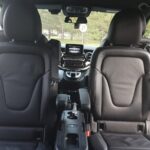
The good news is that this is a private tour for only your group. That typically means fewer distractions and less waiting around than on a big shared bus day. If you’re with kids, the day’s pacing is also one reason people say it works for families—short stops, then a real museum period.
Shalkyma Concert Hall: a quick start with symbols and names
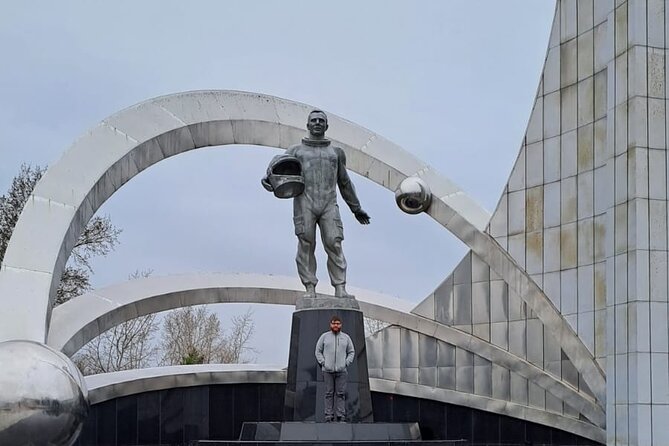
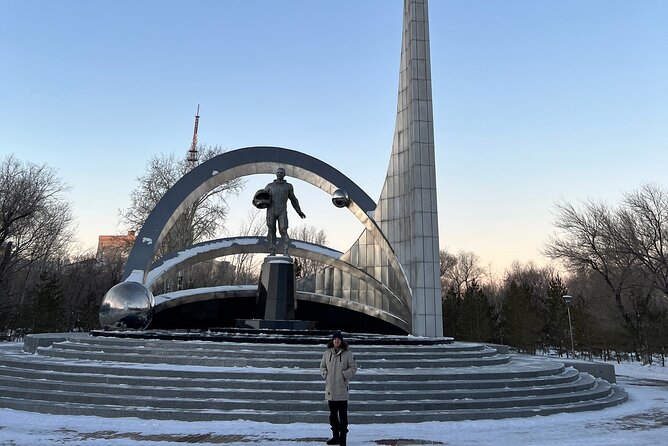
Your day begins at the Shalkyma Concert Hall area, and right away the tour sets a Soviet-and-Kazakh tone. Near it, you’ll see a monument to Yuri Gagarin plus a monument to the prominent Kazakh poet Abay Kunanbayev.
This pairing is more useful than it sounds. Gagarin represents the Soviet push for achievement and scientific pride. Abay represents Kazakh cultural identity. Seeing both early gives you a framework for interpreting the rest of the city: the Soviet story didn’t erase local names—it often layered over them.
The stop is brief (about 20 minutes), and that’s intentional. You’re not being asked to read every inscription on this first encounter. Instead, you’re getting your bearings fast, so later monuments and street references make more sense.
K. Stanislavskiy Drama Theatre and the “official culture” clue
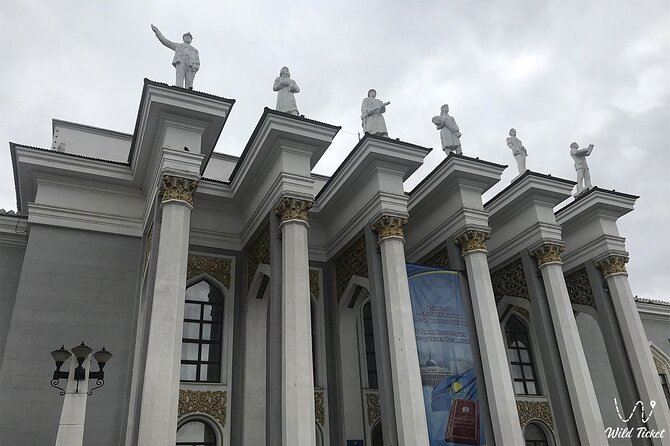
Next is the K. Stanislavskiy Drama Theatre, an early Russian drama theatre in Kazakhstan that opened in 1930. Even if you’re not a theatre person, this building helps you understand what Soviet cultural influence looked like in a real city setting.
A theatre is also a social signal. It says which languages and styles were being promoted, and how public spaces were used to shape identity. Seeing it early in the day keeps the later museum visit from feeling like it comes out of nowhere.
This stop is around 10 minutes, so think of it as a focused exterior look. If you like photo work, this is the kind of stop where you’ll want to get one clear shot and then move on—don’t burn time hunting for the “perfect” angle.
Monument Mining Glory and the working-life story of Karaganda
Industrial Karaganda has a face, and you’ll see it at the Monument Mining Glory. It’s positioned opposite the Miners’ Palace of Culture, so you’re looking at two functions that often went together in Soviet planning: the workplace and the cultural institution.
The monument is a way of communicating pride. But it also sets up the larger truth you’ll confront later. When a city builds monuments to labor and industry, it’s telling the story it wants remembered. The museum visit at Dolinka later asks you to look at the cost of that story.
This stop runs about 30 minutes, which is enough time for a few photos and a slow walk around the area. Since entry is listed as free for these city stops, you’re mainly paying with time and attention—not extra fees.

Gde-Gde? V Karagande! and why a phrase matters
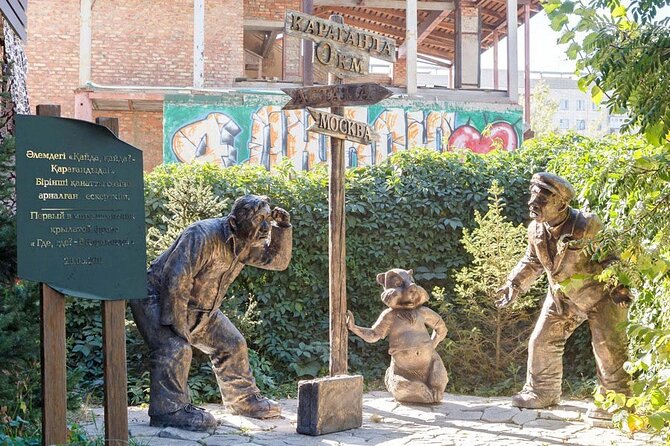
Then you’ll encounter the monument tied to the well-known phrase Gde-gde? V Karagande! (Where-where? In Karaganda!). The tour notes that the phrase’s origin connects to the KarLag labor camp, even if the phrase is widely used in a more humorous way.
This is one of those moments where a joke becomes a clue. A monument like this works best when you understand that language carries history. Even if people use the phrase casually, it’s worth seeing it as a cultural artifact—because it points back toward coercion and forced labor.
This stop is long compared to the others at about 1 hour. I’d treat it as a mini-lesson: take your time with the setting, read what you can, and connect it to the museum segment that follows.
KarLag Museum at Dolinka: the part you shouldn’t skim
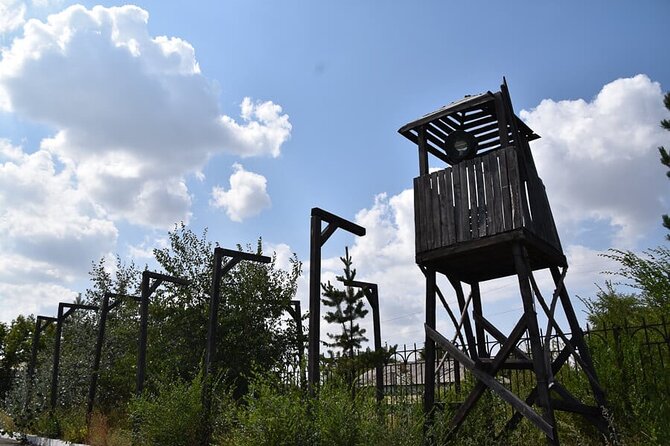
If your goal is to learn something real, the KarLag Museum of Political Repression Victims’ Memory of the Dolinka Settlement is the heart of the day. It’s located about 35 km outside Karaganda, and the timing puts it at roughly a 30-minute drive from the city.
You’ll have about 2 hours here, and that time matters. Museums dealing with political repression and Stalin-era labor camps aren’t the kind of place where “quick glance” feels respectful. The structure of this tour supports a slower pace, so you can actually take in the details.
What you should expect from this stop:
- A dedicated, longer visit compared to city monuments
- A focus on victims’ memory related to political repression
- A direct look at the history of Stalin’s labor camps
Because the tour is private, you can likely move at a pace that fits you. If you want to focus on the parts that affect you most, this is the moment to do it. If you need breaks, you’ll be glad the museum is the final “heavy” activity before you head back.
Lunch in a Russian restaurant: not just a break, but pacing insurance
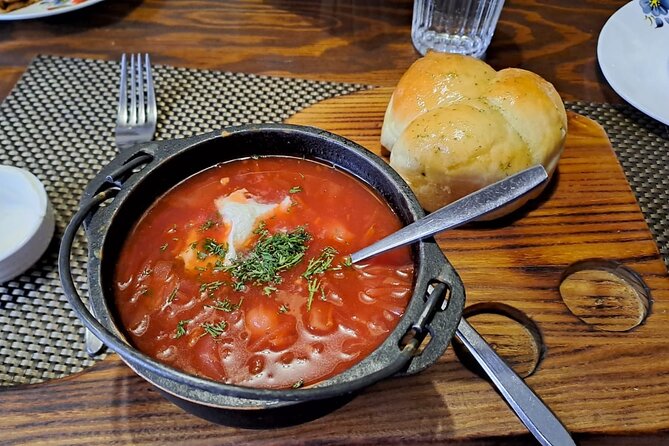
Lunch is built into the schedule, and it’s specifically described as happening at a Russian restaurant. People rate it as delicious, and I agree that it’s an underrated part of why this tour works.
On a day like this, lunch does two jobs:
- It prevents the classic tour problem—everyone gets cranky right before the emotional museum.
- It gives you a non-museum block of time where you can reset.
Since the day includes multiple short stops and then a museum, you’ll feel the benefit of a real meal rather than something grabbed on the go.
Price and what $199 really buys you
At $199 per person, this isn’t a bargain-basement outing—but it also isn’t priced like a luxury-only experience. For that price, you’re getting a private format, pickup offered, travel time included, and admission for the main museum segment.
Here’s the value equation I see:
- You’re paying for the driver/guide time and the long round-trip to Karaganda.
- You get admission included for the KarLag Museum visit.
- You get multiple city stops with free entry listed for the monuments and theatre areas.
- If your group qualifies for group discounts, the per-person value improves.
If you’re traveling as a pair or small group from Nur-Sultan and you want a guided day that ties monuments to meaning, the price feels more fair. If you’re solo on a strict budget, you might compare it against shared transport options—but you’d lose the private pacing and focus.
Who should book this tour (and who might not)
This is a strong choice if you want a guided Soviet-era overview that doesn’t stay surface-level. The museum visit makes it educational in a serious way, and the Karaganda stops give context so the museum lands with more clarity.
This also tends to work well for families because the city segments are short and visual—ideal for kids who don’t want a long stretch of sitting. Then the tour transitions to the museum where the time is set, not improvised.
You might think twice if:
- You hate long days. The 10 to 11 hours is real.
- You prefer light themes only. This includes political repression and Stalin’s labor camp history, and it’s meant to be taken seriously.
Should you book the Astana Horizons KarLag and Karaganda tour?
Yes—if you want one well-structured day that connects Karaganda’s monuments to the history behind them, and you’re ready for a museum visit that doesn’t treat tragedy like trivia. The itinerary pacing is smart: quick stops first for orientation, then a longer museum block, then lunch that keeps the day human.
I’d book it if:
- You’re history-minded and like your sites explained with context
- You value private-group timing over “everyone waits” scheduling
- You want a guided day out of Nur-Sultan without cobbling together transport yourself
I wouldn’t book it if you want a casual sightseeing loop with zero emotional weight. This is about remembering and understanding, not just taking photos.
FAQ
How long is the Karaganda and KarLag tour from Nur-Sultan?
The experience runs about 10 to 11 hours, and the travel time is included in that total.
Do you offer pickup from Nur-Sultan?
Pickup is offered for this private tour.
How far is Karaganda from Astana, and does travel time count?
Karaganda is about 2.5 hours from Astana, and travel time is included in the overall duration of the tour.
How long do you spend at the KarLag museum?
The KarLag Museum visit is listed as about 2 hours.
Is the KarLag museum ticket included?
Yes. Admission for the KarLag museum stop is included, while the other listed city stops show free admission.
What happens if weather is bad or you need to cancel?
The experience requires good weather. If it’s canceled due to poor weather, you’ll be offered a different date or a full refund. You can cancel up to 24 hours in advance for a full refund.