REVIEW · AMRITSAR
The Story Of Himalayas – A Journey from Amritsar to Dharamshala
Book on Viator →Operated by Around The India Travels · Bookable on Viator
Mountain monasteries and wide views keep this route interesting. I love the Dhauladhar panoramas you get at Naddi View Point, and I also love the Tibetan culture stops that go beyond quick photo stops. One possible drawback: with just about three days, the schedule is full, so you’ll have less lazy time to wander on your own.
I found the pacing works best if you travel with a mix of curiosity and patience, especially when the day includes both temple spaces and outdoor breaks. You’ll get private transportation and WiFi on board, plus pickup from Amritsar, which makes the transition to the hills much easier. If your guide is Aman, you may also get that extra touch of a quiet sunset moment and a chance to watch for birds during the outdoor pauses.
One more value point: admission is listed as free for the main stops, so your ticket budget stays under control. Still, wear comfortable shoes and keep your head clear for hills and stairs, because several places reward you with views that come after some walking.
In This Review
- Key things I’d circle before you book
- Day 1 from Amritsar to McLeodganj: temples, church glass, and market time
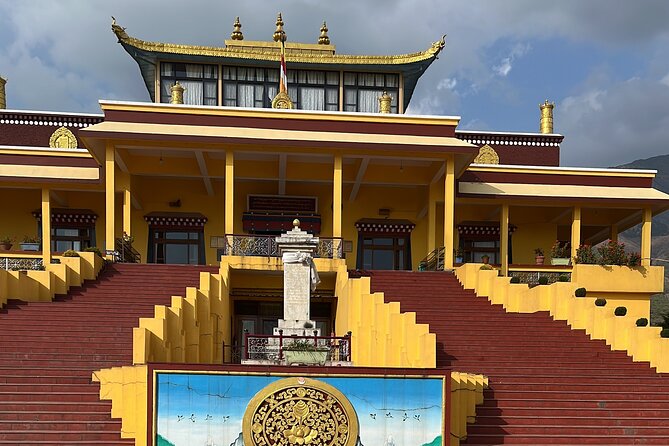
- Dalai Lama Temple Complex: what to expect and how to handle it
- Saint John in the Wilderness Church: a 1852 stop with Belgian stained glass
- McLeodganj Square: Tibetan shops and simple walking breaks
- Day 2: Tibetan art lessons, Gyuto rituals, and Dhauladhar views at Naddi
- Norbulingka Institute workshop: learn by watching real art work
- Gyuto Monastery: tantric studies and ritual art
- Dharamshala Tea Company: tea brewed in garden time
- Naddi View Point: panoramic Dhauladhar views
- Day 3: Aghanjar Mahadev, Bhagsu Waterfall, and Dharamkot Mini Europe
- Aghanjar Mahadev Temple: a Shiva shrine in the foothills
- Bhagsu Waterfall: cool air after temple time
- Dharamkot Studio Art Retreat: pottery classes, yoga, and cafés
- Dharamshala Tapovan: monasteries and meditation centers
- Price and value: what $75 covers and what it doesn’t
- Logistics you should plan for: hills, walking, and keeping your energy
- Who this tour suits best (and who might not love it)
- Should you book the Amritsar to Dharamshala-McLeodganj tour?
- FAQ
- FAQ
- What’s the price of the Amritsar to Dharamshala-McLeodganj tour?
- How long is the tour?
- Is pickup included?
- What’s included in the price?
- Is the tour private or shared with other people?
- Are tips included?
- How far in advance can I cancel for a full refund?
Key things I’d circle before you book
- Dhauladhar views built into the middle of the trip, not saved for the last minute
- Dalai Lama Temple Complex + Tibetan culture workshops, including Norbulingka and Gyuto Monastery
- A tea-garden break at Dharamshala Tea Company, not just sightseeing on the clock
- Bhagsu Waterfall and Aghanjar Mahadev, a change of mood from spiritual calm to cool nature time
- Dharamkot Mini Europe feel, with pottery and yoga-style studio time
Day 1 from Amritsar to McLeodganj: temples, church glass, and market time
The first day sets the tone: spirituality in the morning, then a gentle shift into town life. You start at the Dalai Lama Temple Complex, then move to McLeodganj for the Saint John in the Wilderness Church and a walk through the McLeodganj Square area.
You’ll spend about 1.5 hours at the Dalai Lama Temple Complex. That’s enough time to orient yourself, look closely, and still have energy for the rest of the day. After that, you go to places that feel different on purpose: a historic church in deodar forests, and then a market area where Tibetan food, woolens, jewelry, and souvenirs are easy to spot.
You can also read our reviews of more tours and experiences in Amritsar.
Dalai Lama Temple Complex: what to expect and how to handle it
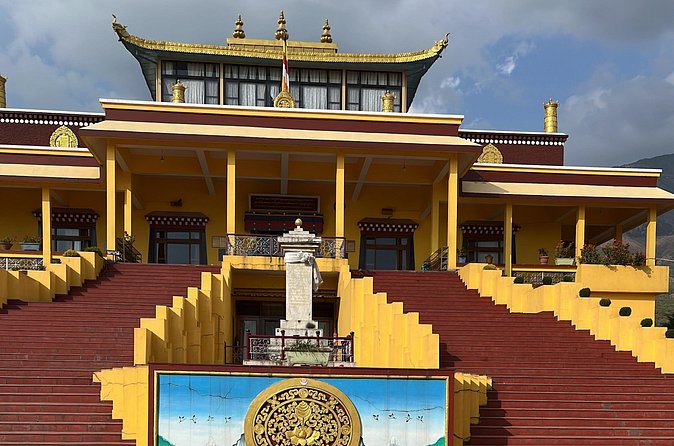
This stop is both a Buddhist monastery and the residence of HH Dalai Lama, so expect an atmosphere that feels meaningful and calm. The schedule gives you around 1 hour 30 minutes, which is a good window for taking in the space and watching how people move through it.
Practical note: dress respectfully, keep your voice low, and give yourself time to adjust. These are not places to rush. If you’re sensitive to crowds, go in with the mindset that you’ll be sharing the space and that’s part of the experience.
Saint John in the Wilderness Church: a 1852 stop with Belgian stained glass
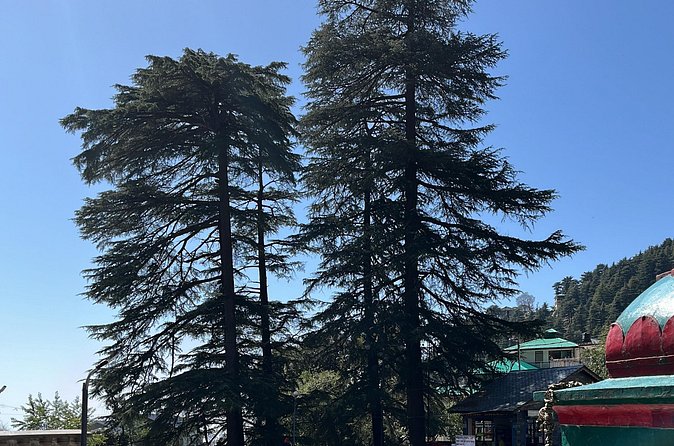
Then the mood changes in a nice way. Saint John in the Wilderness Church is a neo-Gothic church built in 1852, set among deodar forests. It’s especially known for Belgian stained-glass windows, so even if you’re not a church person, it’s still a visual treat.
You’ll have about 1 hour here. Use it to slow down, look at the windows, and notice how the forest setting frames the building. It’s also a good time to catch your breath after temple energy.
McLeodganj Square: Tibetan shops and simple walking breaks
After the church, you end up at McLeodganj Square, the town’s main meeting point. Plan for roughly 1 hour of wandering: cafés, handicraft shops, street vendors, and plenty of Tibetan-inspired items like woolens and jewelry.
This is also where you can snack and reset for the next day. If you want a calmer feel, keep your pace steady and treat the market as a warm-up rather than a full shopping mission.
Day 2: Tibetan art lessons, Gyuto rituals, and Dhauladhar views at Naddi
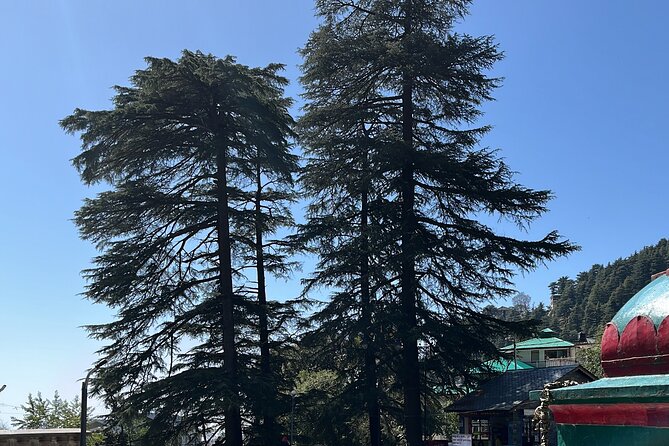
Day 2 leans harder into Tibetan culture and then rewards you with one of the best view breaks. You start with Norbulingka Institute for a live Tibetan art workshop, then go to Gyuto Monastery, and later enjoy tea in the gardens before heading to Naddi View Point.
The order matters. You get hands-on culture first, then ritual study, then nature and scenery. It prevents the whole day from feeling like a museum route.



Norbulingka Institute workshop: learn by watching real art work
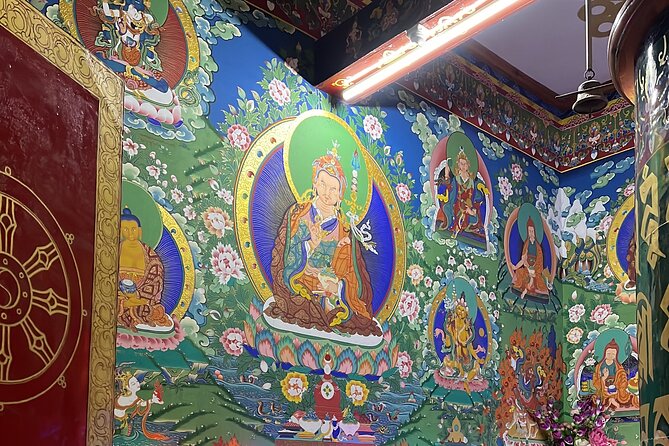
Norbulingka Institute is your first stop on day 2, with about 1 hour set aside for a live Tibetan art workshop. This is the kind of visit where you’ll understand the culture through process, not just through objects on a wall.
Even if you don’t plan to participate much, watching how the workshop is set up can be surprisingly absorbing. It’s also one of the better stops for families because it’s interactive in a low-pressure way.
Gyuto Monastery: tantric studies and ritual art
Next is Gyuto Monastery, about 1 hour. The focus here is tantric studies and Tibetan religious rituals, along with ritual art. This is a more serious space than the market, so keep your behavior respectful and your attention steady.
If you’re the type who likes context, this stop helps tie together why Tibetan Buddhism looks the way it does across the region. Don’t treat it like a quick photo stop. Let it land.
Dharamshala Tea Company: tea brewed in garden time
You get a longer break at Dharamshala Tea Company, around 2 hours. The big idea here is simple: you sit with your group and enjoy freshly brewed Himalayan tea in a setting of tea gardens.
For me, this is the most practical kind of pause on a hill trip. You get warmth, a drink, and a chance to slow your brain down before heading to viewpoints. It also helps you connect the cultural day to the regional landscape through what people actually grow and drink.
Naddi View Point: panoramic Dhauladhar views
Then comes Naddi View Point, about 1 hour, with panoramic views of the Dhauladhar range. This is where the scenery finally takes the lead. If you like photographs, this stop is a strong choice because the view is the subject.
A small tip: dress in layers. Mountain weather can flip fast, and the viewpoint experience is much better when you’re comfortable.
Day 3: Aghanjar Mahadev, Bhagsu Waterfall, and Dharamkot Mini Europe
Day 3 mixes sacred calm with nature time, then ends in places that feel more relaxed and artsy. You start at Aghanjar Mahadev, then go to Bhagsu Waterfall, then head to Dharamkot Studio Art Retreat and finish at Dharamshala Tapovan.
Day 3 is longer by feeling, even if the stop durations are spread out. You go from a Shiva shrine setting into a waterfall area, then to studio-style village time.
Aghanjar Mahadev Temple: a Shiva shrine in the foothills
Aghanjar Mahadev Temple is described as an ancient Shiva shrine tucked into the serene foothills. You’ll have about 1 hour, and the setting includes lush greenery and a peaceful stream nearby.
This is a good spiritual palate cleanser between the busier town parts of McLeodganj. Go with slow attention here. The power of this stop is not speed; it’s the atmosphere.
Bhagsu Waterfall: cool air after temple time
Next is Bhagsu Waterfall, and you’ll have about 3 hours there. It’s described as a natural wonder near McLeodganj, cascading from a height of around 30 feet.
This is the part of the trip that feels like a break, not an appointment. Bring water, take your time on any paths, and don’t rush the best moments. If you’re into birdwatching, this is also the kind of outdoor time where you can spot birds when you pause instead of just walking through.
Dharamkot Studio Art Retreat: pottery classes, yoga, and cafés
Then you shift into Dharamkot Village, sometimes called Mini Europe for its international, arts-and-cafés vibe. You’ll spend about 2 hours at the Dharamkot Studio Art Retreat, where the experience connects with pottery classes, yoga, and cafés.
This is a great contrast day end. You’re no longer chasing sights like a checklist. You’re in a place where people slow down and do something hands-on, even if it’s just watching or sampling the energy of the studios and cafés.
Dharamshala Tapovan: monasteries and meditation centers
Finally, you end at Dharamshala Tapovan, with about 1 hour. It’s described as a serene spiritual retreat with monasteries, ashrams, and meditation centers. This is a softer landing after the waterfall and studio time.
If you want the trip to feel coherent, Tapovan is the glue. It turns the day from sightseeing mode into reflection mode, even if you only have an hour.
Price and value: what $75 covers and what it doesn’t
At $75.00 per person for roughly 3 days, this trip looks budget-friendly for a private-transport style tour. The inclusions help: private transportation, WiFi on board, and breakfast (3). Admission is listed as free for the scheduled stops, which keeps your daily costs predictable.
You also get pickup offered from Amritsar, plus group discounts and a mobile ticket. That matters because hills trips can get complicated fast. Here, at least the core moving pieces are handled for you.
What’s not included is also clear: tips and gratuity. And the provider notes they don’t endorse or sell VIP seats. So if you’re the kind of person who assumes you’ll get special access, plan around standard entry and normal viewing.
The real value question is fit, not math. If you want a guided mix of temples, Tibetan culture, and outdoor nature breaks without building your own route, the package format is a practical deal.
Logistics you should plan for: hills, walking, and keeping your energy
This tour covers multiple sites across the McLeodganj and Dharamshala area, plus the drive from Amritsar. Even without exact travel-hour details, the structure tells you the day will include walking inside towns and around temple or viewpoint settings.
My practical advice:
- Wear good shoes for uneven paths near viewpoints and waterfall areas
- Keep layers handy for temperature swings at view points
- Don’t pack your schedule after this trip if you can help it. You’ll likely be tired in a good way
Also, this is private in the sense that only your group participates. That’s usually a win for families or small groups who don’t want to feel like they’re borrowing someone else’s pace.
Who this tour suits best (and who might not love it)
This works well if you want a balanced mix of spirituality, culture, and nature. You’ll get Buddhist and Hindu temple experiences, a historic church with stained-glass windows, Tibetan art workshop time, monastery study time, and then the payoff views and waterfall.
It’s also a good choice for people who want guidance in English, because several stops come with context. The tone of the tour feels designed to help you understand what you’re seeing, not just collect stamps.
I’d skip it if you’re looking for a long independent stay, deep trekking days, or lots of free hours with no schedule. With a three-day run, the rhythm is structured.
Should you book the Amritsar to Dharamshala-McLeodganj tour?
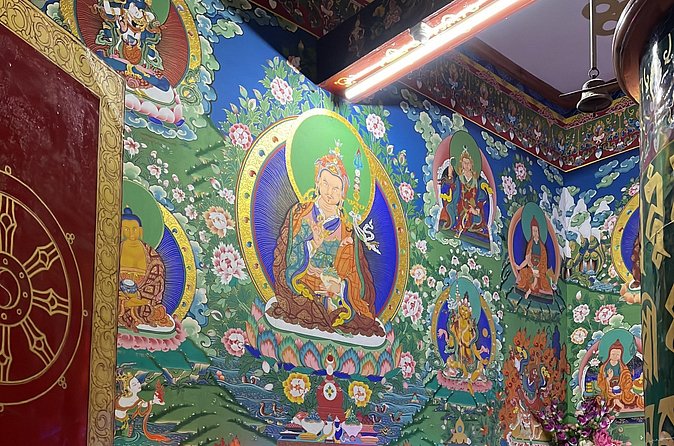
If you like your hill trips organized but still human-sized, I’d book this. The big reasons are the mix: Dalai Lama Temple Complex, Tibetan culture stops like Norbulingka and Gyuto Monastery, and the nature balance with Bhagsu Waterfall and Naddi View Point. You also get breakfast included, plus private transport and WiFi, which keeps the stress level lower than DIY.
My only caution is pacing. If you hate schedules and you need hours of free wandering each day, this might feel too tight. But if you enjoy getting a lot done while still having time to look around at key spots, it’s a solid value.
FAQ
FAQ
What’s the price of the Amritsar to Dharamshala-McLeodganj tour?
The tour costs $75.00 per person.
How long is the tour?
It runs for 3 days approximately.
Is pickup included?
Pickup is offered, starting from Amritsar.
What’s included in the price?
The price includes private transportation, WiFi on board, and breakfast for 3 days. Admission is listed as free for the scheduled stops.
Is the tour private or shared with other people?
This is described as a private tour/activity, so only your group participates.
Are tips included?
No. Tips and gratuity are not included.
How far in advance can I cancel for a full refund?
You can cancel up to 3 days in advance for a full refund. If you cancel less than 3 full days before the start time, the amount paid will not be refunded.