REVIEW · AMRITSAR
Amritsar Heritage Walking Tour
Book on Viator →Operated by Walk and Explore · Bookable on Viator
Amritsar hits you fast, then explains itself on foot. I like how the tour starts at the Partition Museum and then carries you—step by step—through the city’s major turning points, from Sikh heroism to the pain of 1919. I also love the hidden lanes you get access to, so you’re not just circling the obvious highlights. One possible drawback: it moves at a walking-tour pace and may feel like connected scenes more than a professor-level history lesson, especially if you want very detailed sourcing.
This heritage walk runs about 2 hours 45 minutes and ends at the Golden Temple area, so it’s a smart way to build context early in your trip. You’ll get a mobile ticket, and the group stays small, with a maximum of 20 people, which helps the guide keep things moving without turning it into a stampede.
The guide is a major part of the experience. You may meet a storyteller such as Prerit or Hardik from the guide teams mentioned in reviews, and the tour guides can speak English, Hindi, and Punjabi. Still, because it’s a group tour, you’ll want to ask questions if you have strong preferences about how deep you want each topic to go.
In This Review
- Key Highlights You’ll Actually Care About
- How a 2h45 Walking Tour Gives Amritsar Context
- Stop 1: Partition Museum in Town Hall, Katra Ahluwalia
- Walking Toward Saragarhi Memorial Gurudwara
- Stop 2: Maharaja Ranjit Singh Statue and the Punjab Empire
- Stop 3: Jallianwala Bagh Memorial on 13 April 1919
- Stop 4: Udasin Akhara on Sangal Wala Road
- Stop 5: Guru Bazar Lanes, Baba Bohar, and Old City Life
- What 8–10 Stops Means in Real Life
- Price and Value: Why $16.66 Can Work
- Guides, Stories, and the Small-Group Advantage
- Where You Finish: Golden Temple Area and Next Steps
- Who Should Book This Walking Tour
- Should You Book the Amritsar Heritage Walking Tour?
Key Highlights You’ll Actually Care About
- World’s first Partition Museum start in the Town Hall building, with a clear 1947 context before you reach the old city.
- Saragarhi Memorial Gurudwara stop honoring 21 Sikh soldiers who served in the British Army.
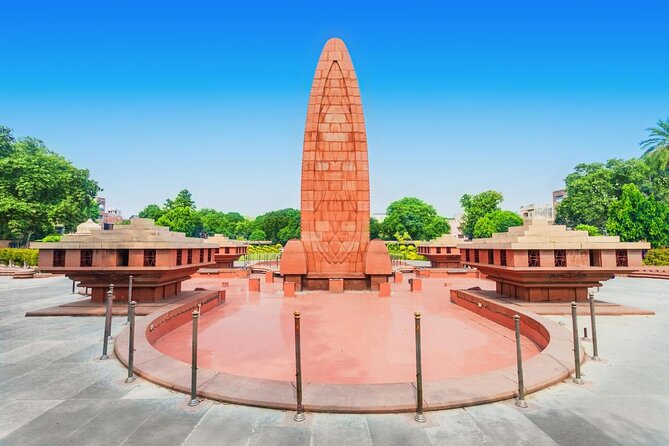
- Jallianwala Bagh on Baisakhi eve (13 April 1919), handled as a memorial visit rather than a quick photo stop.
- Akharas and the Udasin Akhara concept, showing how tradition and practice live alongside the city’s daily streets.
- Guru Bazar old lanes to Baba Bohar, including the 150-year old banyan tree area for a real sense of place.
How a 2h45 Walking Tour Gives Amritsar Context
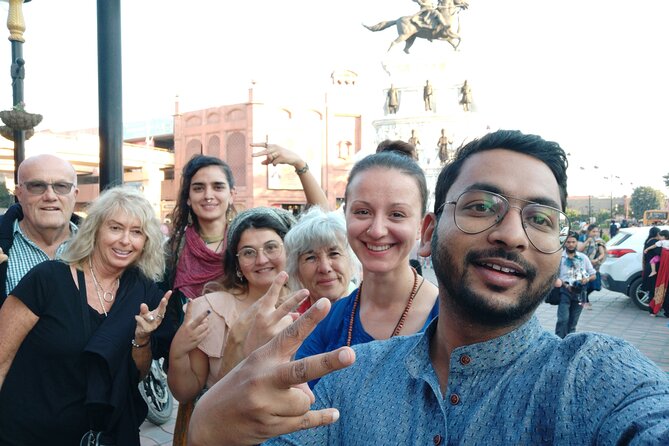
If you only see Amritsar’s big sights, you’ll get the pictures. If you take this kind of heritage walk, you get the why behind the pictures.
This tour is designed to connect three threads in one go: Sikh spirituality (especially around the Golden Temple area), the Partition-era rupture, and the city’s darker 20th-century moments. It doesn’t try to do everything for everyone. Instead, you’re guided through a curated set of stops that act like mile markers. By the time you finish, you’ll understand what people mean when they describe Amritsar as both sacred and scarred.
At the same time, it’s not a private, slow-paced stroll. With a group capped at 20 travelers and a route through narrow lanes, the pace is purposeful. That’s good if you want movement and momentum. It’s something to keep in mind if you prefer long, uninterrupted time at one site.
You can also read our reviews of more tours and experiences in Amritsar.



Stop 1: Partition Museum in Town Hall, Katra Ahluwalia
The walk begins at the Partition Museum inside the Town Hall area of Amritsar. This is a powerful starting choice because it frames the rest of the day. The museum covers the Partition of India and Pakistan in 1947 and notes that 18 million+ people were affected. Even if you already know the basics, starting here helps your brain connect later memorials to real human scale.
A practical note: the stop includes admission ticket not included. So plan for that if you want to go inside and read or watch whatever exhibits are available during your visit.
Why this start works: it prevents the tour from feeling like a random list of sites. You’re given context early, and then the guide can refer back to it when you move into the older parts of the city and its Sikh historical references. If your ideal tour is “start big, end lighter,” this is the opposite of that. It begins heavy, then builds into lived culture.
Walking Toward Saragarhi Memorial Gurudwara
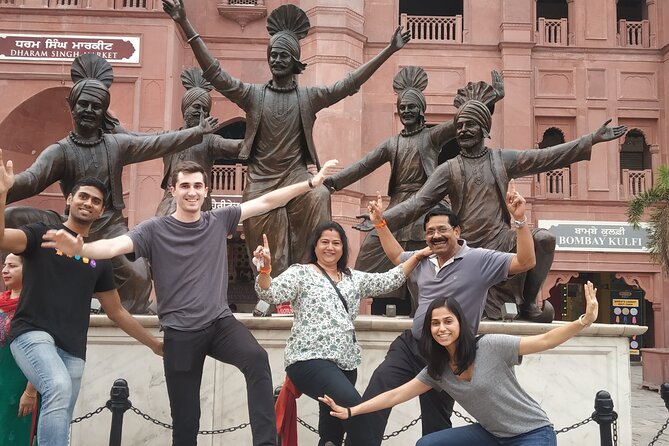
From the Partition Museum area, the route continues toward the Saragarhi Memorial Gurudwara, dedicated to 21 Sikh soldiers who sacrificed their lives serving in the British Army. This is one of those stops that can quietly change how you read the city, because it focuses on honor, duty, and remembered sacrifice rather than conflict alone.
You’ll likely get a guided explanation tied to how communities remember heroes and how religious spaces keep that memory in daily life. That matters because Amritsar is not just “a place to see.” It’s a place where history stays present in people’s routines, including their respect for sacred space.
Time-wise, the walking segment isn’t long on the schedule, but it’s long enough for you to feel like you’re moving through an actual neighborhood pattern rather than traveling between isolated landmarks.
Stop 2: Maharaja Ranjit Singh Statue and the Punjab Empire
Next comes the Maharaja Ranjit Singh statue stop. This is where the tour balances out the emotional weight from earlier. Ranjit Singh is tied to Punjab’s imperial story, and the guide shares how that era shaped regional identity.
This is also a practical stop because it helps you understand why Amritsar looks the way it does in parts. The city’s Sikh heritage isn’t only a spiritual story. It’s also tied to power, arts, and the broader arc of Punjab’s history.
Good news: this stop is listed as admission free. So you don’t need to budget extra just to get the perspective shift the tour is aiming for here.
Stop 3: Jallianwala Bagh Memorial on 13 April 1919

After the Saragarhi and empire context, the tour visits Jallianwala Bagh, one of India’s most remembered memorial sites. The schedule frames it as occurring on 13 April 1919 on the festive eve of Baisakhi. That detail is important. It’s not only a massacre date. It’s a reminder that tragedy can strike in the middle of celebration.
This stop also has admission ticket not included, so you may need to plan for any entry-related costs depending on what’s required at the time you go.
How to get the most from it: slow down mentally here. If you rush for photos, the site becomes scenery. If you let the memorial context sit for a moment, the tour’s emotional arc makes more sense. You’ll also understand why the Partition story at the beginning isn’t a separate chapter. It’s part of a larger pattern of upheaval that people continue to carry forward.






Stop 4: Udasin Akhara on Sangal Wala Road
Now you shift from memorials into living tradition. The tour stops at the Udasin Akhara on Sangal Wala Road. Akharas matter because they represent organized practice, learning, and community identity in many parts of South Asia, not just as an old-world concept.
The tour gives significance of Akharas in Amritsar, which is helpful if you keep wondering how the city’s spiritual identity connects to daily life and local rhythms. Instead of treating faith as something only visible at monuments, this stop shows how tradition can function as a social system.
This stop is listed as admission free. That means you get the meaning without the extra budgeting hassle.
Stop 5: Guru Bazar Lanes, Baba Bohar, and Old City Life
The longest block is where the city starts to feel like a city. You’ll walk through Guru Bazar, described as old heritage streets where you learn local lifestyle and history. This is where the tour earns its keep, because old lanes are where you pick up the texture you can’t Google.
You’ll also move toward Baba Bohar, an old banyan tree in the middle of the city area—listed as 150-year old. Trees like this become unofficial meeting points and quiet anchors for neighborhoods. Even if you don’t know the story yet, you’ll feel why people keep returning to places like this.
This part is also where the tour’s “real vibe” goal becomes tangible. It’s not only about landmarks. It’s about movement: turning corners, seeing how streets narrow, and understanding how commerce and community shape the city.
The tour guide support matters here. The route includes access to hidden lanes and places, which is exactly what helps you see the older Amritsar beyond the main road grid.
What 8–10 Stops Means in Real Life
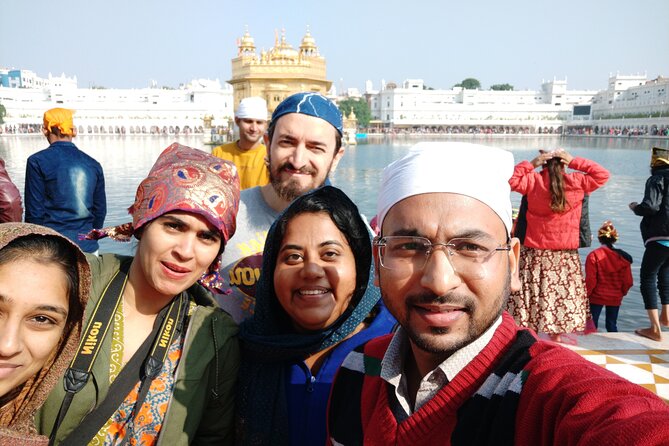
The tour is described as visiting 8-10 heritage and historic places, and the itinerary lists several major ones in detail. In practice, that usually means a mix: some scheduled “anchor” stops (Partition Museum, Jallianwala Bagh, Golden Temple area finish) plus shorter heritage moments along the lanes.
This matters because walking tours often fail when they’re too thin on actual stops. Here, the structure is dense enough to keep your brain engaged, but not so packed that you feel whipped around every 10 minutes.
One thing to keep in mind: the more emotional sites you visit, the more you may want breathing space. This tour doesn’t advertise long pauses, so if you need time to regroup, plan to ask the guide to slow down briefly when you reach memorials.
Price and Value: Why $16.66 Can Work
At $16.66 per person, this tour sits in the budget-friendly range for a guided heritage experience. But value isn’t only about low cost. It’s about what you get for that cost.
Included:
- a trained, friendly storyteller/guide who speaks English, Hindi, and Punjabi
- 8-10 heritage and historic places
- access to hidden lanes and places
- Sikh history and culture themes
- fun facts about local life
- tips for bargaining and saving money
Not included:
- any entry tickets/fees for stops (explicitly noted)
So the real budgeting question isn’t just the $16.66. It’s whether you plan to pay admission at places like the Partition Museum and Jallianwala Bagh, since the tour lists ticket not included there.
That said, even with small add-on costs, a guided route that helps you navigate narrow areas and understand what you’re seeing is usually a good deal—especially as a first-time Amritsar visitor. You’ll save time, and you’ll avoid the common trap of wandering without context.
Guides, Stories, and the Small-Group Advantage
This tour’s reviews strongly emphasize guide quality and the sense of being welcomed. Guides named in the feedback include Prerit and Hardik. People also mention strong English communication, punctuality, and the way guides answer extra questions along the walk.
There’s also a practical safety note in reviews: a solo female traveler felt safe on the route. That lines up with why this kind of organized walking format helps. You’re not figuring out old lanes alone, and you have a local guide controlling the pace and turn-by-turn flow.
Still, balance matters. One lower rating complained that the tour leaned more toward fragments and storytelling style rather than deep historical detail, and that the guest wanted more rigorous fact handling. That doesn’t mean the tour is unreliable. It means your preference matters: if you want a strict, academic approach, you should go in ready to ask follow-up questions.
Where You Finish: Golden Temple Area and Next Steps
The tour ends at Sri Harmandir Sahib area, with the listed endpoint at Atta Mandi outside the Golden Temple. This is a smart landing spot because it lets you keep exploring immediately while the context is fresh.
You’ll likely leave with two kinds of momentum:
- a better understanding of why the Golden Temple area is so central to Sikh life
- a memory of the city’s wider story, not just the courtyard
After the tour, I suggest using your extra time for slow observation and, if you’re interested, checking out more local streets around the finish point. Since this is the final stop, you’re well-positioned to decide what you want next based on what resonated most.
Who Should Book This Walking Tour
Book it if:
- you’re new to Amritsar and want a guided way to connect major sites
- you want Sikh history and culture tied to real streets
- you like walking tours that include smaller lanes and “you wouldn’t find this alone” moments
- you prefer a group size that stays manageable (max 20)
Skip it or think twice if:
- you need a very deep, highly academic approach to history at every stop
- you’re emotionally sensitive and want a lighter first half (this route begins with Partition and then moves into Jallianwala Bagh memorial context)
Should You Book the Amritsar Heritage Walking Tour?
For most first-timers, I’d say yes. The price is low, the route is structured, and the stop selection does a good job of connecting spirituality, everyday old-city life, and historic turning points. You also get access to lanes and places that usually remain invisible unless someone shows you the way.
My only caution is preference-driven: if you want maximum depth on every topic, expect a guided story flow rather than an exhaustive lecture. If you’re comfortable with that trade-off, you’ll likely come away feeling like you truly understand Amritsar’s emotional geography, not just its sightseeing list.