REVIEW · AMRITSAR
Amritsar Tour with A SIKH (Full Day All Inclusive)
Book on Viator →Operated by Seeking Amritsar Inc. · Bookable on Viator
Golden Temple morning light sets the tone. This full-day Amritsar experience is interesting because you’re not just ticking sights—you’re getting a Sikh guide who puts people and events into context, and you start at the Golden Temple early enough to feel the place before the city fully wakes up. You also get time to see the Langar in action, so the spirituality isn’t theoretical.
What I like most is how the guide links the stops together with firsthand-style explanations—especially around the events tied to Partition and Jallianwala Bagh. It also helps that the day is built around a practical flow: a few longer visits, several short-but-meaningful landmarks, and an evening plan for Wagah Border.
One consideration: it’s a shared group tour (max 15), so you’ll move at group pace. If you want total control of timing, you may prefer a private setup.
In This Review
- Key things you’ll notice right away
- A Sikh guide turns Amritsar from sights into meaning
- Golden Temple (Harmandir Sahib): morning light and the living tradition
- Dukh Bhanjani Ber Tree and Akal Takht: two short stops, big significance
- Gobindgarh Fort: a natural pause in your day
- Jallianwala Bagh: commemorating the tragedy with the right context
- Partition Museum: powerful stories, and you’ll pay admission separately
- War Memorial sword photo break: quick and useful
- Wagah Border evening: plan for the seats, then enjoy the show
- Price and value: what $61.51 really buys you
- Timing, pickup, group pace, and weather realities
- Who this tour is best for (and who should skip it)
- Should you book this Amritsar Sikh guide all-inclusive day?
- FAQ
- How long is the Amritsar tour with a Sikh guide?
- Is pickup included, and where does the tour start?
- What tickets are included?
- Is this tour private?
- What happens for the Partition Museum cost?
- Does the tour run in all weather?
Key things you’ll notice right away
- Golden Temple early visit for the best atmosphere around Harmandir Sahib
- Langar context explained by a Sikh guide, not just sightseeing photos
- Short spiritual stops at Dukh Bhanjani Ber Tree and Akal Takht
- Jallianwala Bagh with emotional context plus a straightforward visit length
- Wagah Border in the evening with guidance to help you secure good seats
- Full-day structure without rushing according to how the day is paced
A Sikh guide turns Amritsar from sights into meaning
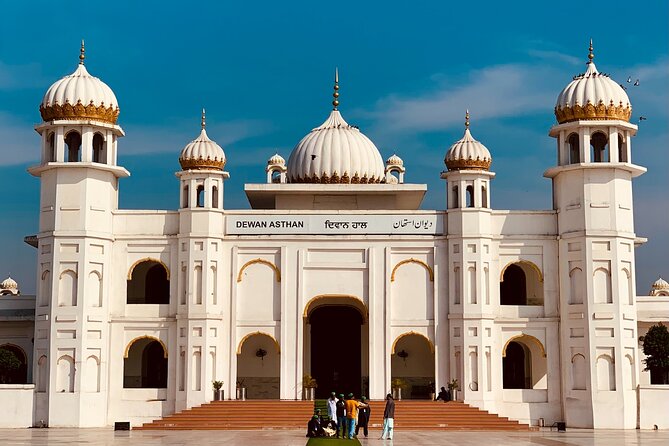
Amritsar is one of those cities where the monuments can feel heavy—but in a good way, because the stories make sense of each other. What makes this tour stand out is the guide is Sikh, which changes the whole experience. You’ll hear the “why,” not just the “what.” That’s especially valuable at places like Harmandir Sahib, Akal Takht, and the memorial spaces where people come to reflect.
I also appreciate the way this day is designed to avoid chaos. You’re not trying to plan five different neighborhoods, ticket rules, and travel times on your own. Pickup is offered, and the tour moves as one coordinated unit—so you can focus on what you’re seeing instead of where to go next.
Do note: this is shared (up to 15), so if you’re the type who likes long, unscheduled wandering, you may feel slightly guided. But if you want a focused day with strong context, that structure is a feature, not a bug.
You can also read our reviews of more tours and experiences in Amritsar.



Golden Temple (Harmandir Sahib): morning light and the living tradition
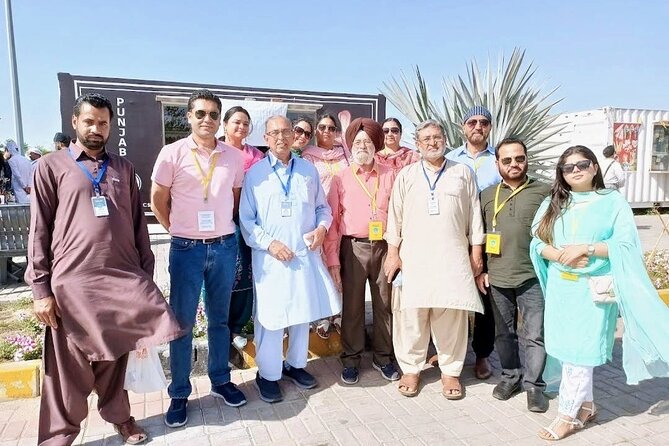
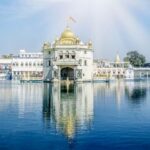
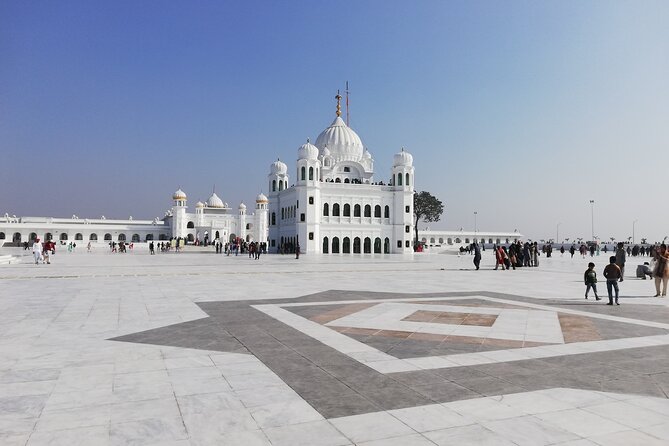
Your morning begins at the Golden Temple, the holiest shrine in Sikhism, also known as Harmandir Sahib. You’ll get roughly 3 hours here, with admission included. Starting early matters. The experience is described as golden rays reflecting off the gilded surface, and that’s exactly why the first hours tend to feel different—calmer, more present, and easier to absorb.
The big win is what you’re taught to notice. With a Sikh guide, it’s not just architecture and crowds. You’ll learn what the temple means in Sikh life and belief, and you’ll witness the living tradition of Langar, the community meal that reflects the principles of equality and service. Even if you’ve read about it, seeing it with explanations helps you understand the point beyond the food.
What to expect in practice:
- You’ll need to follow site norms for visiting sacred spaces (plan modest clothing and respectful behavior).
- Your guide will help you understand how different areas connect to the faith.
- You’ll have time to slow down and not treat this like a drive-by stop.
Possible drawback: because this is the top attraction, the area can get busy later in the morning. The early start helps, but still plan for a lively atmosphere.
Dukh Bhanjani Ber Tree and Akal Takht: two short stops, big significance
After the first main visit, you’ll move to two stops that are brief on paper but meaningful in tone.
First is the Dukh Bhanjani Ber Tree, a well-known tree next to which the Golden Temple was built. It’s a short stop—about 30 minutes—and the tour description emphasizes getting an exclusive closer look with help from your Sikh guide. If you’re the kind of traveler who likes to understand the small stories behind famous landmarks, this stop is worth the time. It’s the kind of place where the meaning is easy to miss if you’re only reading signs.
Next is Akal Takht, often described as the temporal seat of power in Sikhism. You’ll spend around 30 minutes here, and admission is free. You’ll learn about the history of this centuries-old building from a real Sikh, which matters because you’re hearing interpretation from someone with lived connection, not just a generic “tour script.”
These two stops do something smart for your day: they keep the spiritual thread going without draining your energy. You don’t have to wait until the next major attraction to feel grounded again.
Gobindgarh Fort: a natural pause in your day
You’ll also have a stop at Gobindgarh Fort. The details provided don’t specify ticket rules or an exact time length, but this kind of stop typically works as a structured break between heavier emotional sites and the evening border program.
Why it fits: after you’ve spent time at sacred spaces and memorial context, you need a change of rhythm. A fort stop also gives your brain a different kind of history to process—less about contemporary reflection and more about how the region’s identity has been shaped over time.
Tip for you: if you’re feeling a bit “spaced out” after Golden Temple and Akal Takht, use this segment to reset. It’ll make Wagah Border later feel fresher.
Jallianwala Bagh: commemorating the tragedy with the right context
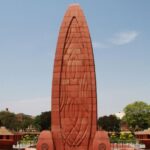
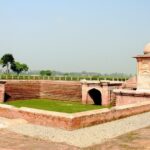
Then comes Jallianwala Bagh, a public garden that commemorates the massacre of hundreds of Indians by British troops on April 13, 1919. You’ll have about 1 hour here, with admission included.
This stop is important because it changes the emotional tone of the day. A guide’s job at a memorial site isn’t to shock you—it’s to help you understand what happened and why it still matters. The tour notes that your guide will bring the tragic events of Jallianwala Bagh to life, with context that deepens comprehension and empathy.
A practical note: treat this hour as real reflection time, not an “Instagram and go” window. If you rush through, you’ll miss what the space is trying to communicate.
After this, you’re ready for the next layer: Partition. The day’s sequencing makes sense because it moves from a moment of violence and grief into a broader story of the country being reshaped.




Partition Museum: powerful stories, and you’ll pay admission separately
Next is the Partition Museum, with about 2 hours set aside. Admission is not included, so you should budget for the ticket separately.
What makes this part valuable is the theme: preserving stories and memories of the Partition of India in 1947 through exhibits like personal artifacts, photographs, and newspaper clippings. If you’ve ever struggled to picture Partition beyond a headline, this is the section where the human details make it click—names, objects, and documented memories.
How to get more value from the museum:
- Go in with a flexible mindset. Some displays can be emotionally heavy.
- Don’t try to read every panel at high speed. Focus on a few areas that catch your attention and let those stories carry you.
- Take your time. Two hours is usually enough to feel oriented without turning it into homework.
Potential drawback: because museum admission isn’t included, your “all inclusive” day is not fully all inclusive. Still, the overall schedule can be a strong deal because other major sites are already covered.
War Memorial sword photo break: quick and useful
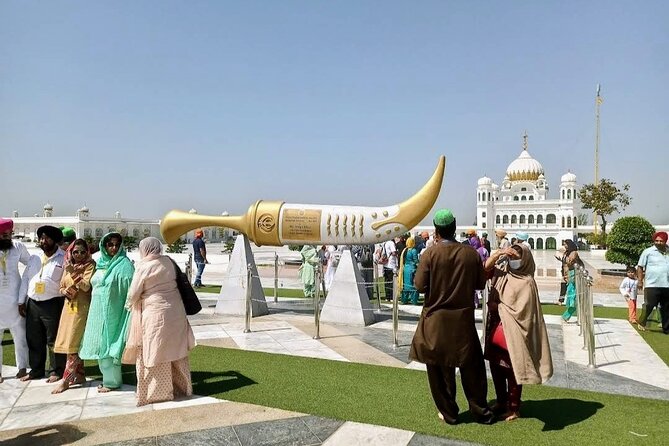
You’ll also get a look at a War Memorial piece as the group drives by, described as the world’s biggest sword.
This is the kind of stop that many full-day tours add because it gives a memorable visual marker without stealing time from the major experiences. It’s short, but it can be fun—especially if you like dramatic scale.
Wagah Border evening: plan for the seats, then enjoy the show
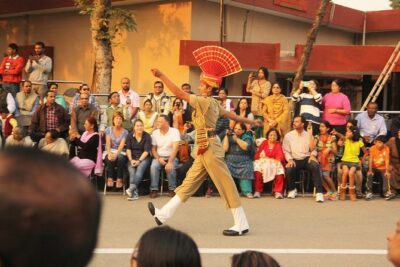
After lunch, you’ll travel to Wagah Border, the only road border crossing between India and Pakistan, about 30 kilometers from Amritsar. You’ll spend around 2 hours here, and admission is free.
The big trick at Wagah Border is timing. The tour description stresses arriving early to secure good seats for the evening ceremony. So even if the drive itself is straightforward, your day is really organized around that arrival window.
What makes this segment a highlight for many people:
- You see a unique border tradition that’s structured and watched like an event.
- You get the energy of a crowd that’s there for a specific moment, not just casual sightseeing.
- It’s a strong contrast to quieter memorial spaces earlier in the day.
Consideration: this is an outdoor crowd environment. Even though no weather details are guaranteed, you should assume you’ll want comfortable shoes and layers.
Price and value: what $61.51 really buys you
At $61.51 per person, the value depends on how you think about “included” versus “planned for.”
Here’s what’s clearly included in your day:
- Golden Temple admission (included)
- Jallianwala Bagh admission (included)
Other sites are either free or short stops:
- Dukh Bhanjani Ber Tree (free)
- Akal Takht (free)
- Wagah Border (free)
The one major separate cost mentioned is the Partition Museum admission (not included). So your total cost will likely be: tour price plus museum ticket.
Why this still feels like good value:
- You’re getting transport support with pickup offered.
- You’re getting a full-day structure that covers multiple anchor locations.
- A Sikh guide provides interpretation at multiple stops, which is where the quality benefit usually comes from.
If you planned to do these sites on your own, you’d still spend time coordinating logistics, arranging tickets, and figuring out pacing. Paying for a scheduled day is often cheaper than it looks once you add up the mental energy and time saved.
Timing, pickup, group pace, and weather realities
This is a full-day experience listed as 10 to 13 hours. That’s a wide range, but it’s normal for a day that includes driving time plus long and short stops. Plan for a long day, not a quick circuit.
Pickup is offered, and the meeting point is Ghanta Ghar Deori, Atta Mandi, Katra Ahluwalia, Amritsar Cantt., Punjab 143006, India. The tour ends back at the meeting point.
Two other practical points that matter:
- It runs with a maximum of 15 travelers, which usually keeps things manageable for a shared group.
- It requires good weather. If the experience is canceled because of poor weather, you’ll be offered a different date or a full refund.
My advice: pack for a hot day and a cooler evening, bring water, and wear shoes you can stand in. Wagah Border is the kind of place where comfort makes the experience better.
Who this tour is best for (and who should skip it)
This tour fits best if you want:
- A guided day focused on key Amritsar landmarks
- A Sikh guide who explains meaning, not just facts
- A route that covers major emotional and spiritual sites in one go
- A plan that ends with Wagah Border so you don’t have to build an evening itinerary separately
You might want to look for a different option if:
- You hate group pace or need total freedom to linger wherever you want
- You’re trying to do Amritsar on a strict half-day schedule
- You strongly prefer self-guided museum time with no set timing (since Partition Museum is included as a timed visit but its admission is separate)
If you’re traveling with friends and you want more control, the tour description suggests you can message for a private experience.
Should you book this Amritsar Sikh guide all-inclusive day?
I’d book this if your goal is a focused, meaningful first visit to Amritsar, especially if you care about understanding the spiritual and historical context behind what you’re seeing. The best part isn’t just visiting major sites—it’s the guide-driven explanations at Golden Temple, Akal Takht, and the memorial and Partition themes.
Skip it only if you’re craving maximum independence or you don’t want a shared group pace. Otherwise, this is a solid, well-structured way to see a lot, learn a lot, and end with a memorable evening at Wagah Border.
FAQ
How long is the Amritsar tour with a Sikh guide?
The tour runs about 10 to 13 hours, depending on timing through the day and the evening border visit.
Is pickup included, and where does the tour start?
Pickup is offered. The meeting point is Ghanta Ghar Deori, Atta Mandi, Katra Ahluwalia, Amritsar, Amritsar Cantt., Punjab 143006, India, and the tour ends back at the meeting point.
What tickets are included?
Admission is included for the Golden Temple and Jallianwala Bagh. The Partition Museum admission is not included. The Dukh Bhanjani Ber Tree and Akal Takht are listed as free.
Is this tour private?
This is a shared experience with a maximum of 15 travelers. If you want a private experience, you can message the provider.
What happens for the Partition Museum cost?
Partition Museum admission is not included, so you should plan to pay for it separately during the tour.
Does the tour run in all weather?
The experience requires good weather. If it’s canceled due to poor weather, you’ll be offered a different date or a full refund.