REVIEW · SHYMKENT
From Shymkent: Turkestan and Otrar Day Tour with Guide
Book on GetYourGuide →Operated by Open Central Asia · Bookable on GetYourGuide
Otrar and Turkestan in one day is a smart move. I love how this tour pairs Silk Road archaeology with major religious architecture, so you get both the big story and the impressive monuments. The only real drawback: it’s a long day with lots of walking and standing, and it is not a good fit for wheelchair users.
What makes it work well is the structure. You start with a long van ride from Shymkent, then you’re guided through Otrar’s ruins and the sacred sites around Turkestan, with museum and monument time planned in. If you’re sensitive to pace or sun, bring your basics and wear comfy shoes, because you’ll spend plenty of time outdoors.
You’ll also want to know the tour runs with a live guide in several languages, including English, Russian, and more. In past groups, the guidance has been praised for being professional and good at adapting, including drivers and guides like Islam and Daulet who helped make the day feel smooth and understandable.
In This Review
- Key takeaways before you go
- Silk Road vibes, minus the stress: Otrar and Turkestan day tour
- From your Shymkent hotel to Otrar district: the 9:00 start and long van ride
- Otrar: the Silk Road ruin stop that actually has context
- Arystan Bab and Ahmed Yasawi: mausoleums that set the tone for Turkestan
- Turkestan reserve day: Azret-Sultan museum area and the specific sites to watch for
- Karavansaray, Altyn Samruk 8D, gondolas, and the Kyz Zhibek fountain show
- Photo stops, free time, and the shopping reality
- Price and value: is $160 per person fair for this schedule?
- Who this tour suits best (and who should choose another plan)
- Book it or pass: my practical recommendation
- FAQ
- What time does the tour start in Shymkent?
- How long is the day tour?
- What locations does the tour cover?
- Is entrance to museums and mausoleums included?
- What language is the live guide available in?
- Do I get water on the tour?
- Is the tour wheelchair accessible?
Key takeaways before you go
- Otrar ruins: a focused look at a former Silk Road center, not just a quick photo stop
- Arystan Bab + Ahmed Yasawi: two major mausoleum stops that anchor the spiritual story
- Azret-Sultan area sights: museums and specific sites like the underground mosque (Hilvet)
- Karavansaray complex time: plus optional add-ons like the 8D Altyn Samruk cinema
- Private transport from Shymkent: you’re not juggling schedules or transfers
- A lot of outdoor time: plan for sun, heat, and walking
Silk Road vibes, minus the stress: Otrar and Turkestan day tour
If your time in South Kazakhstan is limited, this day tour is a practical way to see two of the area’s headline destinations without turning your trip into a logistics puzzle. You’ll travel from Shymkent to Otrar first, then continue to Turkestan for a dense schedule of monuments, museum stops, and cultural experiences.
The best part is the balance. Otrar gives you the grounded, archaeological side of the Silk Road story—the place where trade routes and empires meet the reality of ruins. Turkestan shifts the mood toward architecture, sacred space, and cultural tradition, with a packed list of stops inside the Azret-Sultan reserve area and the Karavansaray complex.
Also, this is the kind of tour where the guide matters. In the feedback you can feel a pattern: guides like Islam and Daulet were noted for professionalism and clear explanations, and one guide even adjusted the route slightly so a group could also see the bazaar in Turkestan.
You can also read our reviews of more tours and experiences in Shymkent.
From your Shymkent hotel to Otrar district: the 9:00 start and long van ride
The day starts with a meeting at 9:00 in the lobby of your Shymkent hotel. Then you head south by private van for about 240 km, roughly 3 hours. This travel time is not wasted if you treat it like the intro to the region, not just time in a car.
One of the most consistently praised parts of similar day trips here is the drive itself. You may get views of the steppe and desert areas and you can see signs of local life—some groups even reported spotting camels and other wildlife along the way. Since it’s private transport, you’re not stuck on someone else’s schedule, and you can settle in for the day with minimal hassle.
Practical note: bring a hat and sunscreen. The itinerary later moves between outdoor spaces and shaded interiors, but you’ll still spend enough time outside that sun protection matters.
Otrar: the Silk Road ruin stop that actually has context
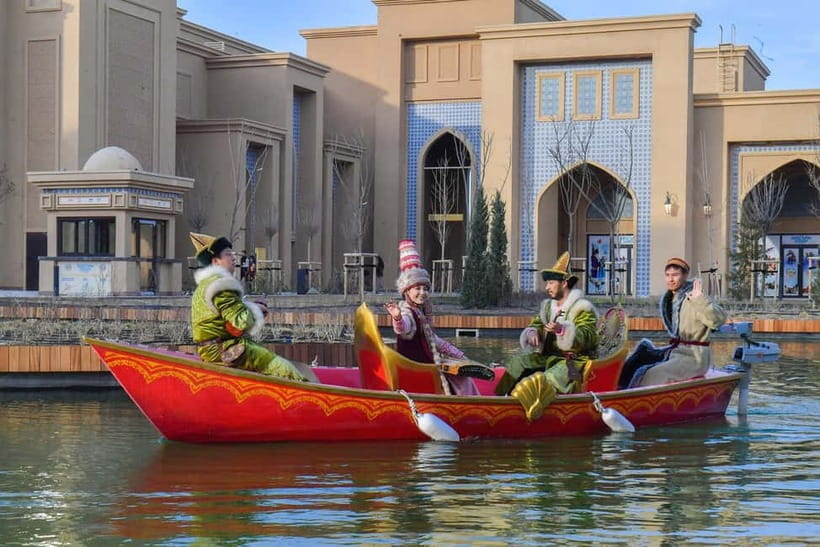
Otrar is the first real “wow” moment on this route. The schedule includes a brief photo stop and then a guided visit to the Otrar site area (about 40 minutes for the early part, with more guided time later).
What you’re seeing is a former hub on the Great Silk Road, and it works best when you understand what kind of place it was. A good guide will help you connect the ruins to practical trade life—routes, travelers, goods, and the layers of history that leave only outlines behind. That context is exactly what makes Otrar feel more meaningful than just “old stones.”
Next comes the spiritual anchor of the Otrar district: the mausoleum of Arystan Bab. The site is described as a spiritual teacher of the Sufis of Otrar, Sairam, and Turkestan (Yasy). Even if you’re not coming with deep knowledge of Sufism, it helps you see why these places were more than landmarks; they were places where ideas and communities gathered.
Then you continue to the ruins of the Otyrar settlement area. This is where you’ll want steady walking shoes and patience. Ruins are never perfectly arranged for visitors, so the guided approach helps you avoid feeling like you’re wandering without direction.
Arystan Bab and Ahmed Yasawi: mausoleums that set the tone for Turkestan
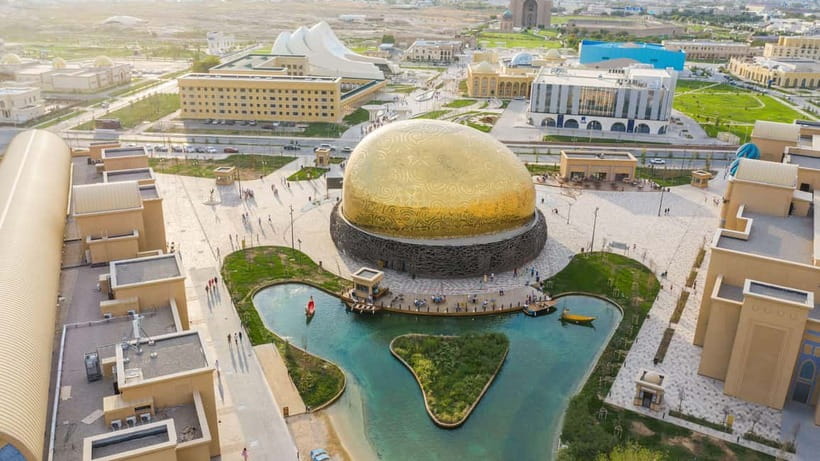
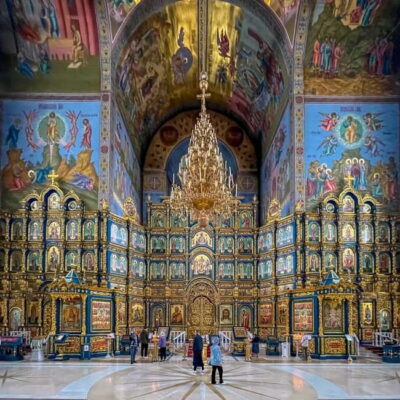
From Otrar, the tour shifts into Turkestan’s sacred core. The day includes the stop at the Mausoleum of Khoja Ahmed Yasawi (with guided time and time for photos). If you’re trying to understand why Turkestan is such a strong pilgrimage and cultural destination, this is the heart of it.
The big value of this segment is how it links spiritual tradition to physical space. You’re not just looking at a building; you’re learning how these mausoleums fit into the broader history of South Kazakhstan. A tour guide who can explain the symbolism, the role of spiritual teachers, and why certain sites matter makes this part far more rewarding.
In one review, the guide Daulet was praised for making history feel alive and for adapting the tour when needed. That matters here because the architecture and sacred sites can feel similar at a glance if you don’t have someone to guide your attention to what’s important.
Also, remember to dress for religious sites. Long pants and a long-sleeved shirt are recommended. Even if the day is packed, it’s worth taking the rules seriously for comfort and respect.
Turkestan reserve day: Azret-Sultan museum area and the specific sites to watch for
The Turkestan portion starts with an ethno-village stop, then moves into the Azret-Sultan Museum reserve area. From there, the itinerary is dense, but it’s also specific, and that’s a good sign. You’re not doing “random attractions”; you’re hitting named sites one after another.
Here are the key stops you’ll encounter, and what to pay attention to:
- Mausoleum of H.A. Yasawi: your anchor monument for the whole reserve
- Mausoleum of Rabia Sultan Begim: adds another layer to the story beyond the main figure
- Eastern bath: an architecture and cultural-life point that shifts you from sacred space to daily human routines
- Underground mosque (Hilvet): one of those places that feels instantly different because of the setting
- Citadel/fortress wall area: a reminder that the city’s importance wasn’t only spiritual; it also had defense and power built in
- Visit Center Turkistan + carpet museum: useful if you want a take-home understanding of local craft and symbolism
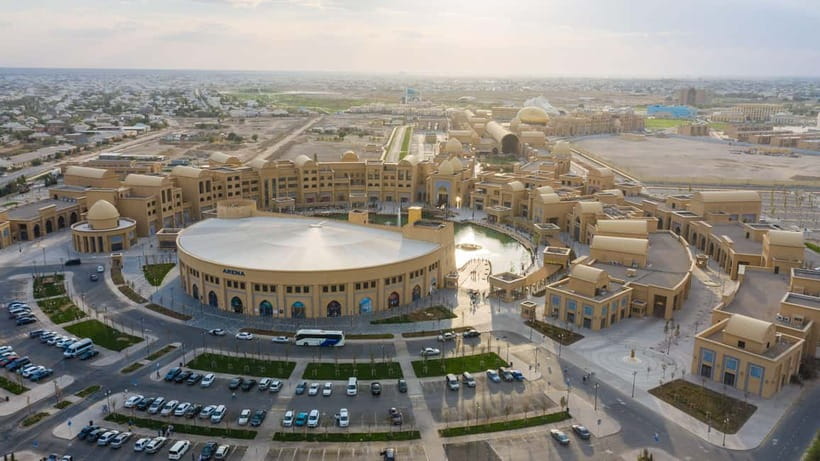
- Karavansaray complex: a major tourist and cultural hub designed to bring the broader story together
The carpet museum is a practical stop. Even when you can’t buy anything, it gives you a way to interpret patterns and meanings without guessing. If you enjoy seeing how culture shows up in everyday objects, you’ll likely appreciate this more than you expect.
The reserve area is also the part of the day where you’ll feel the “9 hours” total time. Interiors can offer brief breaks from sun, but there’s still movement between sites. If you’re traveling with someone who gets tired quickly, the guided pace and time management become crucial.
Karavansaray, Altyn Samruk 8D, gondolas, and the Kyz Zhibek fountain show
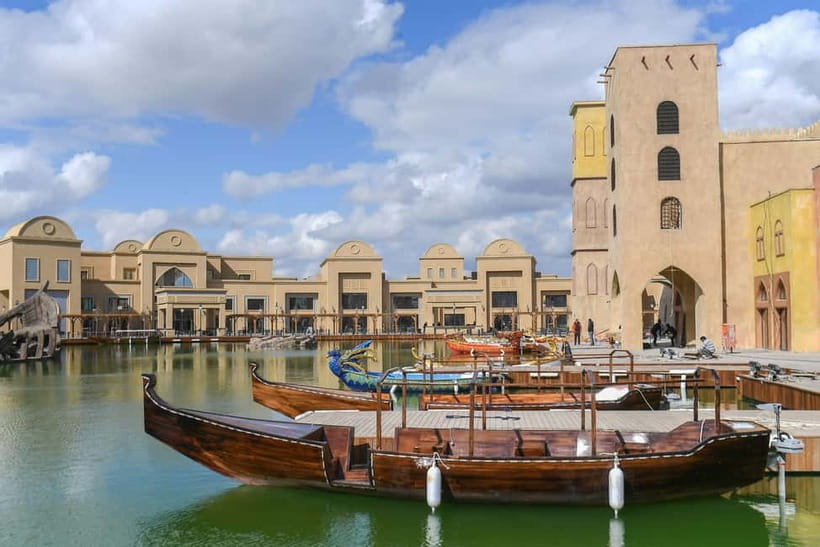
The tour includes time at Karavansaray, described as the largest tourist complex in Central Asia. This is where the day can feel a little more like a full cultural venue rather than just sacred monuments.
Inside Karavansaray, you may have options depending on your interests:
- 8D cinema Altyn Samruk (optional): a flying theater experience connected to the mythical bird Samruk
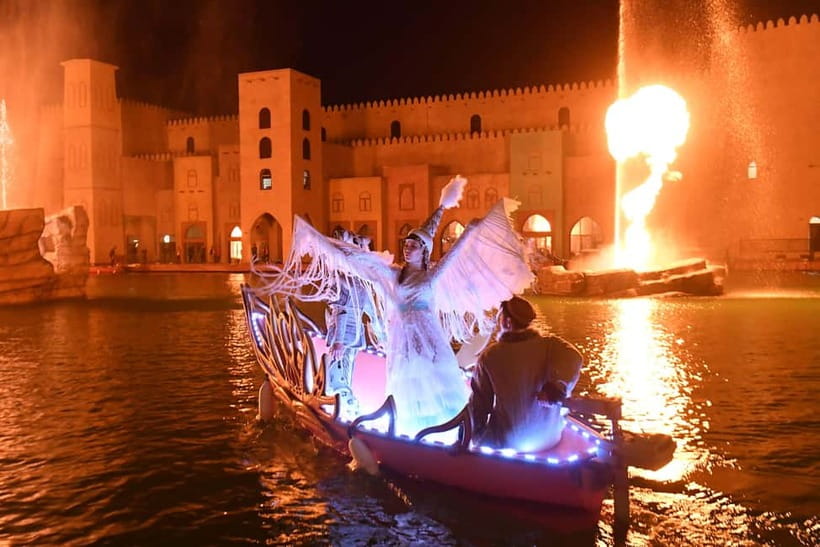
- Gondolas (optional): another experience you can add if you want a slower pace within the complex
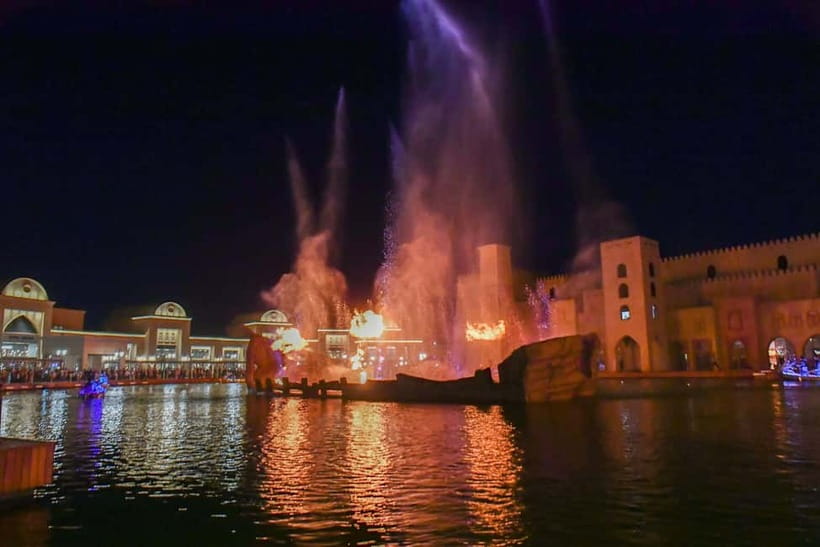
Then there’s spare time and a chance to see the fountain show Kyz Zhibek and Tolegen. If you’ve been looking at monuments for hours, the fountain show gives you a change of pace. It’s also a good family-friendly moment if you’re traveling with kids or just want something lighter.
One thing to keep realistic expectations: optional attractions inside a big complex can feel crowded at peak times. If you prefer quiet, build in your own rhythm—take the guided explanation for the key sights, then use your free moments to walk slowly and choose where you want to stand or sit.
Photo stops, free time, and the shopping reality
This day tour includes scheduled photo stops and a stretch of free time in Turkestan (roughly 1 hour). That free time is where shopping fits in—plus you may find quick snacks or browsing at the bazaar area, depending on the guide’s plan.
In one piece of feedback, the guide Daulet adapted the tour so the group could see the bazaar. That suggests the best way to enjoy this stop is to ask your guide what’s worth your time once you reach that free window.
If you enjoy souvenirs, go early in your hour and decide quickly. If you wait until the end, you may feel rushed to grab something before returning to the vehicle.
Also, one review mentioned lunch being available as an optional extra (and that the group skipped it). That fits the overall structure: you’re given time to manage your own food choices rather than being forced into a single set menu.
Price and value: is $160 per person fair for this schedule?
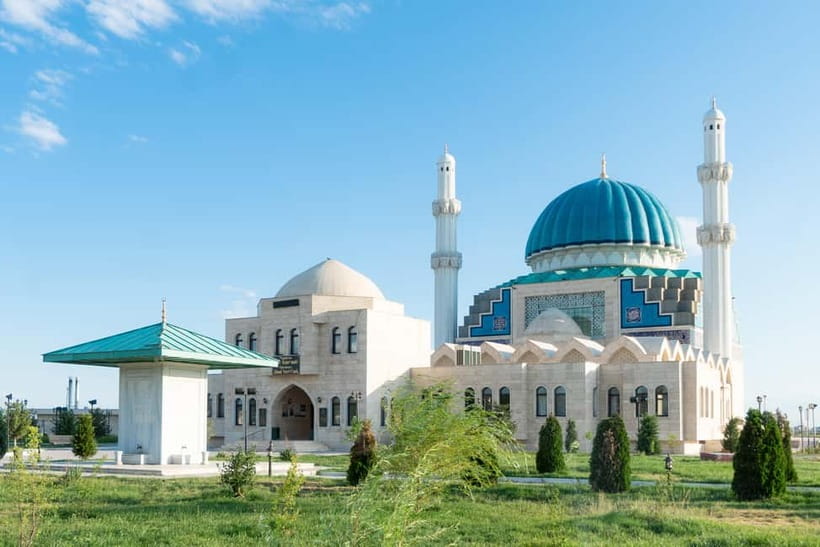
At $160 per person for a 9-hour private day tour, the price isn’t just about entry tickets. It’s also for:
- private round-trip transport from Shymkent
- a live guide for the full circuit
- entrance fees to museums, mausoleums, and sights
- bottled water (1 liter per person)
If you were to do this on your own, you’d still spend big money on transport and you’d likely need a guide to make the monuments and ruins click. Otrar and the Azret-Sultan reserve are not places where you can easily read everything on your own in a short time. The guided explanations—especially around the meaning of sites like Arystan Bab, Ahmed Yasawi, and Hilvet—are a big part of the value.
Now, a balanced note: one review described the tour as a bit overpriced. That usually comes down to personal expectations—what you want most from the day, and how much you’d value the optional extras. If you’re mostly after one or two sites and don’t care about museums or complex-based experiences, you might feel the cost more sharply.
If you want both Otrar ruins and Turkestan’s reserve area in a single day, with low stress and guiding that helps you connect the dots, this price starts to make sense.
Who this tour suits best (and who should choose another plan)
This tour is a strong fit if you:
- want Otrar + Turkestan in one day without complicated transfers
- enjoy guided context for ruins and sacred architecture
- like the mix of monuments and cultural experiences such as the carpet museum and Karavansaray
- prefer private transport so you’re not waiting on a group with mixed schedules
It’s probably not for you if:
- you need wheelchair access (it’s not suitable for wheelchair users)
- you dislike long days and prefer a slower pace with fewer stops
- you want a purely archaeological focus with minimal “complex” attractions
If you’re traveling with a parent or someone who needs a bit more care, the feedback about guides adapting for an older mother suggests you should be able to communicate needs and get thoughtful support.
Book it or pass: my practical recommendation
I’d book this tour if you want a focused day that covers the major highlights around Otrar and Turkestan, and you value a guide who can make the sites understandable, not just visitable. The private van from Shymkent and the included entrance fees reduce friction, and the optional add-ons let you shape the experience once you’re on site.
I’d hesitate if you’re budgeting tightly or you’re only interested in one side of the day—either the ruins or the sacred monument complex. In that case, you might do better with a half-day option that matches your main interest.
FAQ
What time does the tour start in Shymkent?
You meet your guide at 9:00 in the lobby of your hotel in Shymkent.
How long is the day tour?
The total duration is 9 hours.
What locations does the tour cover?
It covers Otrar (including the Otyrar ruins area and the Arystan Bab mausoleum) and Turkestan (the Azret-Sultan reserve area, the H.A. Yasawi mausoleum, and the Karavansaray complex, plus optional experiences).
Is entrance to museums and mausoleums included?
Yes. Entrance fees to the museums, mausoleums, and other sights are included.
What language is the live guide available in?
The live guide is available in Russian, English, Kazakh, Turkish, French, and Spanish.
Do I get water on the tour?
Yes. 1 liter of water per person is included.
Is the tour wheelchair accessible?
No. It is not suitable for wheelchair users.