Karachi in one packed morning can feel like a cheat code. This private tour strings together some of the city’s best-known landmarks with clear explanations of colonial-era buildings and the local culture around them. You get a comfortable ride, entry fees handled, and a guide who helps you connect the dots instead of just taking photos.
I really like two things here: first, the hotel pickup and drop-off make the early start easy, especially since the tour runs about 5 to 7 hours. Second, the itinerary mixes architecture, museum time, and a real shopping stop at Zainab Market, so it doesn’t feel like a museum-only day.
One consideration: the tour is designed around good weather, so if conditions are off, your date may change. Also, since lunch and dinner aren’t included, plan your timing if you want a meal afterward.
In This Review
- Key highlights you’ll feel right away
- Price and logistics: why $129 can work for you
- Your day by stop: what you’re actually doing from 6:30 onward
- Mohatta Palace Museum in Clifton: museum time with a sense of place
- Frere Hall: a colonial-era building with living cultural ties
- Quaid-e-Azam House Museum (Flag Staff House): Jinnah’s world, not just a portrait
- Zainab Market: a free souvenir stop that feels practical
- How a guide changes the whole experience (especially with questions)
- Who this Karachi City Tour is best for
- Should you book this tour?
- FAQ
- What time does the Karachi City Tour start?
- How long is the tour?
- Where does the tour meet?
- Is pickup and drop-off included?
- Are admission tickets included?
- Are meals included?
- What happens if the weather is poor?
- FAQ
- Is this a private tour?
Key highlights you’ll feel right away
- A private vehicle with pickup and drop-off, so you spend less time figuring out logistics
- Mohatta Palace, Frere Hall, and Flagstaff House all with admission included
- Quaid-e-Azam House Museum (Flag Staff House) with a focus on Jinnah’s personal belongings, including his cars
- Zainab Market as a free, low-pressure stop for souvenirs like clothing, antiques, and leather goods
- A professional guide who explains local culture, religion, and tradition through the lens of Karachi’s colonial history
Price and logistics: why $129 can work for you
At $129 per person, this tour is priced like something you buy for convenience, not just sightseeing. The big value is that you’re not juggling tickets, entrances, or on-the-spot payments for the main sites. Admissions are included for Mohatta Palace, Frere Hall, and Flagstaff House (Quaid-e-Azam House Museum), and the schedule is built so you can see a lot without backtracking.
You’re also paying for the way the day runs: a private vehicle, plus a professional guide who actively interprets what you’re seeing. That matters in Karachi, because the landmarks aren’t isolated facts on a map. The guide weaves in local culture and tradition while walking you through the city’s colonial-era story, which helps everything feel more coherent.
The other practical bit: it starts at 6:30 am from Boat Basin in Clifton (Block 6). For first-timers, that early start is a plus. You get a full morning under your belt before the day turns into a longer logistics game on your own.
You can also read our reviews of more tours and experiences in Karachi.



Your day by stop: what you’re actually doing from 6:30 onward
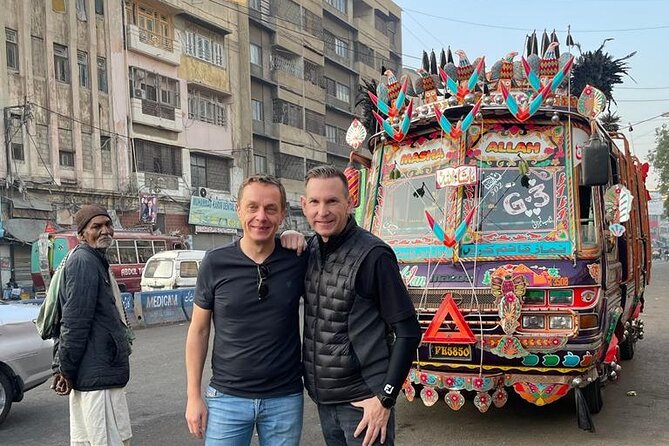
This is a private tour for only your group, so the pace is more controllable than a shared bus. Each main museum stop is about 1 hour, and Zainab Market is also allotted about an hour, with travel time making the full day land in the 5 to 7 hour range.
The day is also structured to keep you from spending the middle of the tour hunting for entrances or explaining the same questions repeatedly. That’s the hidden benefit of an all-in-one plan: you stay in motion with fewer interruptions.
Mohatta Palace Museum in Clifton: museum time with a sense of place
Mohatta Palace Museum is your first stop, and it sets the tone because it’s not just an art-and-objects museum. The building itself is part of the story: it was designed by Agha Ahmed Hussain and built in 1927 in the Clifton area, originally as the summer home of Shivratan Moh… (the name is often referenced with the Mohatta family connection).
Why this stop works early: it gives you a visual framework for what Karachi’s elite seaside neighborhood looked like during the colonial and post-colonial transition periods. You get an hour here with admission included, which means you’re not stuck spending time on administrative steps.
What to expect in the experience:
- A calm entry into the city’s architectural mood
- A guided explanation that ties the palace setting to the broader Karachi narrative
- Time to look around without rushing
Possible drawback: if you’re the type who likes to linger for long periods in museums, an hour may feel short. But the tour is built for multiple stops, so you’re trading extra time at one place for better overall coverage.
Frere Hall: a colonial-era building with living cultural ties
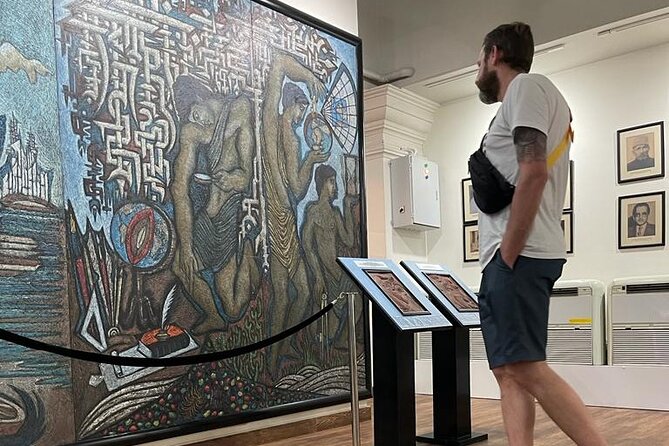
Frere Hall comes next, and it’s one of those landmarks where the building’s purpose and symbolism matter as much as the rooms inside. It was built in honor of Sir Henry Bartle Edward Frere, a British national known for promoting economic development in Sindh. The structure dates to 1865, so you’re looking at a very old piece of Karachi’s colonial-era footprint.
Another reason I like this stop: it isn’t just a history lecture. The building connects to Sadequain, mentioned as part of what the hall is associated with, which helps you see the site as something that continues to matter in the cultural present, not just as a relic.
What you’ll likely get from your guide in this hour:
- Context about who Frere was and why the hall exists
- A sense of how Karachi’s colonial layout influenced later city life
- Explanations that connect architecture to culture and tradition
Possible consideration: colonial-era buildings can look similar to you if you’ve been touring a lot back to back. If that’s your worry, ask your guide to point out specific features that differ between sites during the walk-through, so you don’t end up with the same mental picture three times.
Quaid-e-Azam House Museum (Flag Staff House): Jinnah’s world, not just a portrait
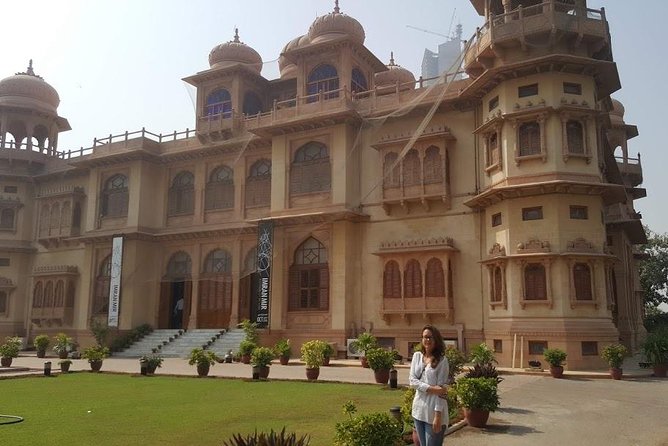
This stop is called Quaid-e-Azam House Museum, but it’s also popularly known as Flag Staff House. The building was built in 1936, and it now houses Mohammad Ali Jinnah’s personal belongings, including his cars.
This is where the tour shifts from architecture to personal history. Instead of only seeing buildings shaped by empire, you see how a key founder’s life is remembered through everyday items. Even if you think you know Jinnah from textbooks, seeing personal belongings can change the emotional tone of what you’re reading.
Why an included hour is valuable here:
- You get enough time to take in the museum experience without feeling rushed through “just the highlights”
- Your guide can help you interpret what you’re seeing instead of treating it like a checklist
- The cars and personal items give you concrete details that are easier to remember later
One note: if you’re short on patience for museum-style rooms, this is the kind of stop that can either click or feel like too much. For me, it works because the belongings add texture, but your preferences will decide that.


Zainab Market: a free souvenir stop that feels practical
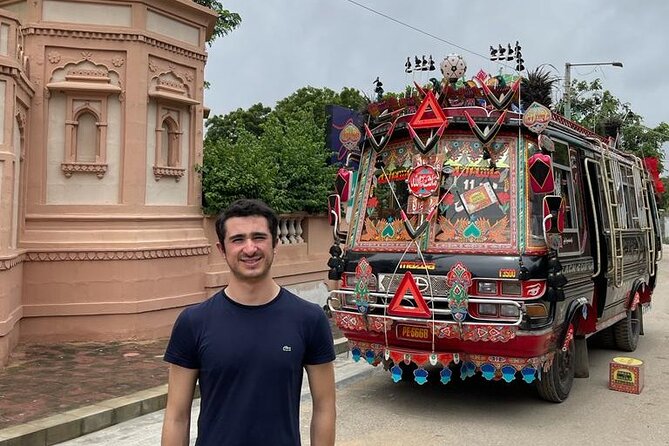
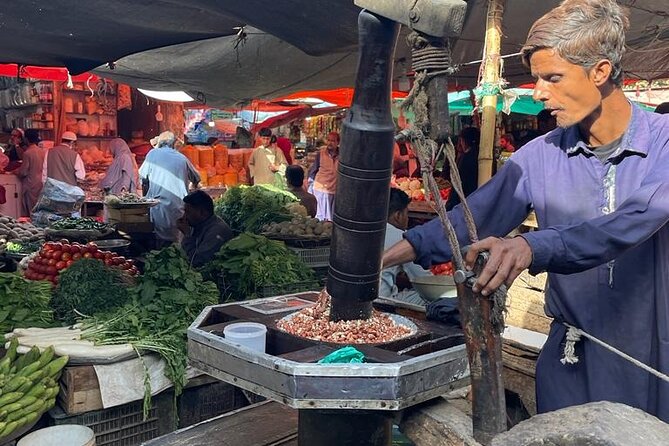
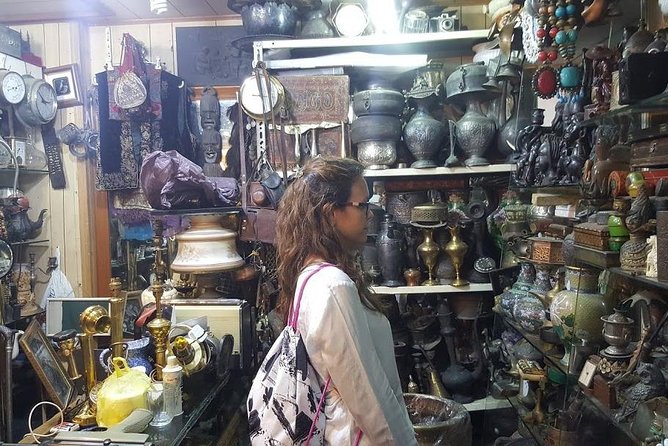
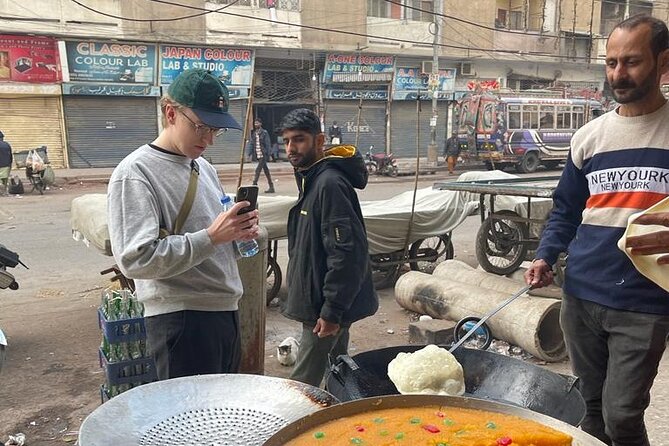
Zainab Market is the one stop that’s truly different from the museums. It’s located in the old district of Karachi, and it’s built around small shops with artifacts, antiques, clothing, and leather commodities. It’s also described as a good place for souvenirs, which is exactly what you need at the end of a cultural tour: something tangible you can bring home.
This is also a relief for many people because it’s free (no included ticket cost is listed, and it’s described as an admission-free stop). That means you can browse without that mental pressure of spending at every turn.
What you can do during your hour:
- Browse categories like clothing, antiques, and leather goods
- Look for small souvenirs that fit your luggage reality
- Ask your guide for general pointers on what’s typically sold there (without being pressured to buy)
Possible drawback: market time can be chaotic depending on what’s happening that day. Since you get a guide and a timed visit, you won’t be stuck wandering for hours. Still, if you hate crowds, keep expectations realistic and treat the hour as browsing time, not a bargain mission.
How a guide changes the whole experience (especially with questions)
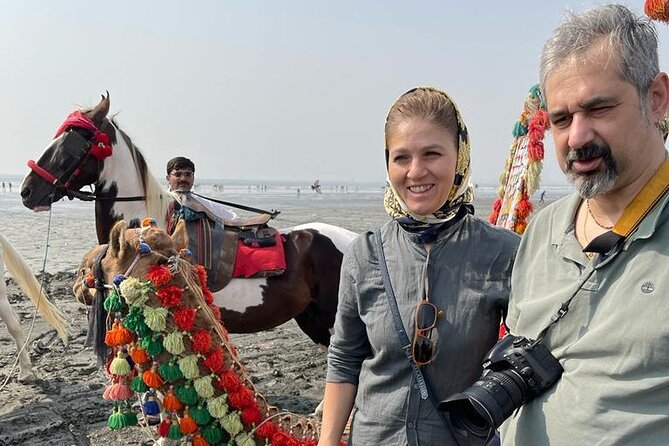
The biggest upgrade you get is not just “someone explains things.” It’s that your guide shapes the order, the pacing, and the meaning. One strong theme from the kind of guide you’ll meet on this tour is responsiveness—people emphasize that the guide answers questions well and adjusts the day based on what you care about.
For example, my favorite part of the experience is having a guide like Fahd, the name shared from a past tour, who makes the drive useful and not just transport. Instead of treating the vehicle as downtime, he helps you use it—by explaining what you’re passing, answering questions, and taking you to areas tied to your interests.
If you want to get the most value from the day, do this:
- Come with 2 or 3 priorities (architecture, museum items, souvenirs, or the colonial story)
- Ask follow-up questions when you see something that connects two stops
- Use the market hour to confirm what you want to buy, so you don’t waste energy later
Who this Karachi City Tour is best for
This tour is a great fit if:
- You’re visiting Karachi for the first time and want a focused sampler of major sites
- You like guided context, especially about culture, religion, tradition, and the colonial-era buildings in the city
- You want hotel pickup and drop-off and don’t want to do the day’s logistics yourself
- You’re interested in both museum time and a practical shopping stop
It may feel less ideal if:
- You prefer very slow museum visits and long browsing sessions
- You don’t want an early 6:30 am start
- You’re planning to rely on the tour for meals (since lunch and dinner aren’t included, you’ll need your own plan)
Should you book this tour?
I’d book it if you want a smooth, organized Karachi introduction without the headache of paying entry fees, finding sites, and piecing together context on your own. At $129, the value comes from the combination of private transportation, a professional guide, and included admissions for the three big museum anchors.
You should think twice only if you’re sensitive to time limits inside museums. This is built as a full morning and early afternoon plan, not a relaxed meander day. If that schedule suits you, you’ll come away with a clearer sense of Karachi’s architecture, its founder-focused museum storytelling at Flagstaff House, and a realistic souvenir stop at Zainab Market.
FAQ
What time does the Karachi City Tour start?
The tour starts at 6:30 am.
How long is the tour?
It runs about 5 to 7 hours.
Where does the tour meet?
It starts at Boat Basin, Block 6 Clifton, Karachi, Pakistan.
Is pickup and drop-off included?
Yes. Hotel pickup and drop-off in Karachi are included.
Are admission tickets included?
Admission is included for Mohatta Palace Museum, Frere Hall, and Flag Staff House (Quaid-e-Azam House Museum). Zainab Market is a free stop.
Are meals included?
No. Lunch and dinner are not included.
What happens if the weather is poor?
The experience requires good weather. If it’s canceled due to poor weather, you’ll be offered a different date or a full refund.
FAQ
Is this a private tour?
Yes. It’s a private tour/activity, and only your group will participate.