REVIEW · KARACHI
Southern Pakistan Indus Valleys Tour
Book on Viator →Operated by Sher Baz · Bookable on Viator
Road trips through old wonders move fast.
This Southern Pakistan Indus Valleys Tour strings together Sufi shrines and Indus Valley archaeology from the Arabian Sea into northern Pakistan, with a guide named Sherbaz who gets praised for being proactive and quick on the details. I especially like how the route keeps changing: Karachi’s coast, then necropolis grounds at Makli Hill, then huge archaeological sites like Mohenjo-daro and Harappa, and finally landmark forts in Lahore and Rohtas Fort.
What I also like is the feel of a private group. You’re not stuck in a big crowd shuffle, and pickup is offered, plus you’ll get a mobile ticket. One possible drawback: it’s a lot of driving time. Several days run 5 to 7 hours of travel, so you’ll want to come with a relaxed mindset and a good pair of patience.
In This Review
- Key Highlights You’ll Actually Feel on the Ground
- From Karachi’s Coast to Indus Valley Giants
- Clifton Beach and Abdullah Shah Ghazi Shrine: Karachi Starts With Meaning
- Makli Hill Necropolis Near Hyderabad: UNESCO Context in One Stop
- Sindh Sufi Stops: Lal Shahbaz Qalandar Shrine and the Way North
- Mohenjo-daro Archaeological Museum: The Indus Valley Comes Into Focus
- Uch Sharif on the Drive: A Stop That Breaks the Long Road
- Bahawalpur and Shah Rukne Alam: Nawabs, Markets, and Local Culture
- Multan to Lahore: Harappa Brings the Indus Story Full Circle
- Lahore Fort: Moghul and Sikh-Era Power Built Into Walls
- Rohtas Fort on the Way to Islamabad: 16th-Century Engineering and a Military Legacy
- Taxila Museum and Khanpur Dam: Closing the Trip With Archaeology and a Modern Outing
- Why Sherbaz’s Guidance Improves the Whole Experience
- Price and What Makes It Good Value (or Not)
- Who This Tour Suits Best
- Should You Book This Southern Pakistan Indus Valleys Tour?
- FAQ
- How long is the Southern Pakistan Indus Valleys Tour?
- Where does the tour start?
- What cities are included along the route?
- Is pickup offered?
- Is this a private tour?
- Do I get a mobile ticket?
- Are admission tickets included?
- Who is the tour guide?
- Is there free cancellation?
- Are service animals allowed?
- Is the tour suitable for most people?
Key Highlights You’ll Actually Feel on the Ground
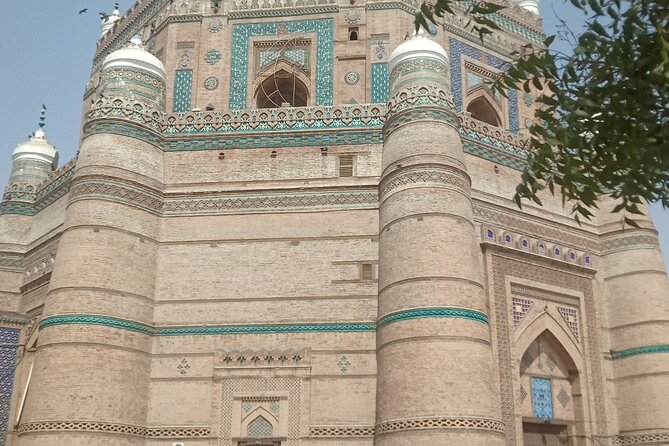
- Sherbaz as your anchor: multiple reviews single him out for attentiveness, energy, and fast help when you need it
- Makli Hill necropolis by UNESCO: a standout stop that adds depth before you hit the Indus sites
- Indus Valley heavy hitters: Mohenjo-daro and Harappa show the scale of one of the world’s earliest civilizations
- Fort-and-power stops in Punjab: Lahore Fort and Rohtas Fort bring architecture and empire stories into view
- Taxila Museum plus Khanpur Dam: a solid final day that pairs archaeology context with a modern-day outing
From Karachi’s Coast to Indus Valley Giants
This tour’s big selling point is the variety of time periods you move through—religious landmarks, ancient cities, princely-state culture, and major fort complexes tied to empires in Pakistan’s Punjab region. You start in Karachi on the coast, then gradually work your way inland and north, so each day feels like you’re changing chapters, not just changing cities.
You’ll also notice the pacing is built around travel days. That’s not a flaw if you pack for it—bring water, plan for long stretches, and keep meals flexible. The advantage of that structure is that you spend real time on the most important stops, instead of slicing the trip into tiny fragments.
And yes, the guide matters here. In the feedback for Sherbaz, the strongest theme is that he makes the trip easier to manage: helping with what you need, keeping things moving quickly, and staying responsive. That’s the kind of detail that can turn a heritage trip from stressful to smooth.
You can also read our reviews of more tours and experiences in Karachi.



Clifton Beach and Abdullah Shah Ghazi Shrine: Karachi Starts With Meaning
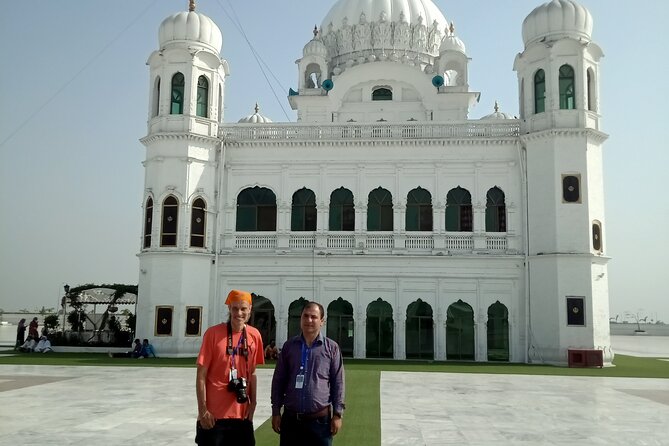
Karachi often hits people like a wave—coast air, busy energy, and a city that feels layered. This day balances that with a religious-cultural anchor at the Shrine of Abdullah Shah Ghazi. He was born in Medina in 720 AD and is widely revered in Pakistan as a patron saint of Karachi.
Even if you’re not religious, these shrines have a social role. They’re meeting points, memory places, and places where local life keeps happening. You’ll get that sense right away: this isn’t just sightseeing from a distance.
Clifton Beach also gives you an easy rhythm shift after the shrine visit. It’s a simple way to reset your brain before you start moving north into deeper heritage territory.
Makli Hill Necropolis Near Hyderabad: UNESCO Context in One Stop
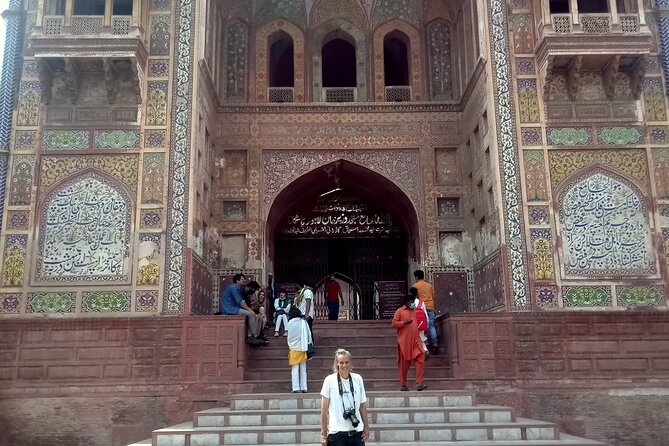
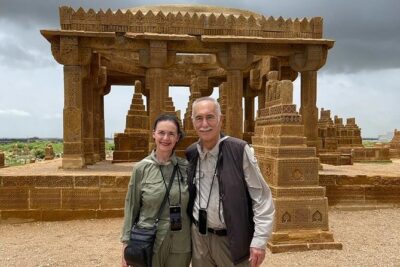
When the tour heads from Karachi toward Hyderabad, it includes Makli Hill, a UNESCO World Heritage Site and home to one of the largest necropolises in the world. If you’ve only seen archaeological sites with a physical dig feel, Makli Hill adds a different type of scale—the scale of community memory across time.
This is a stop that rewards slower looking. You’re not chasing one single monument. You’re absorbing how burial grounds can become cultural archives, and how architecture and inscriptions keep identity alive.
The itinerary gives you enough time here (listed as part of a half-to-full day block), which matters. These places are the kind where rushing makes you miss the emotional impact—and where taking a moment to read the setting helps you understand why people return to them.
Sindh Sufi Stops: Lal Shahbaz Qalandar Shrine and the Way North
As you travel through Sindh toward Larkana, the tour includes the Lal Shahbaz Qalandar Shrine. This is a classic Sufi landmark, and it’s the kind of site that often feels less like a museum stop and more like living culture.
What makes it valuable on this particular route is the contrast. The Indus Valley days ahead will focus on ancient urban civilizations and archaeology. The shrine day adds a human layer: how faith traditions shape daily life and local identity in the present.
Practical note: plan for these stops to feel busy and spiritually important. You’ll do best by keeping your pace respectful and staying present.
Mohenjo-daro Archaeological Museum: The Indus Valley Comes Into Focus
Then you hit one of the big-name stops of the entire trip: Mohenjo-daro, referenced as the Mound of the Dead, and visited through the Archaeological Museum. The site is linked to the ancient Indus Valley civilization, and the information given is clear on age: it was abandoned as far back as the 19th century BC.
That date does something to your brain. It turns a history lesson into a time-scale reality check. You’re not seeing “old buildings.” You’re seeing traces of a civilization that predates many later cultural frameworks by a huge margin.
This day also helps you connect the dots for what you’ll see later at Harappa. You’ll start recognizing the recurring theme: urban planning and the long sweep of human settlement in the Indus basin.



Uch Sharif on the Drive: A Stop That Breaks the Long Road
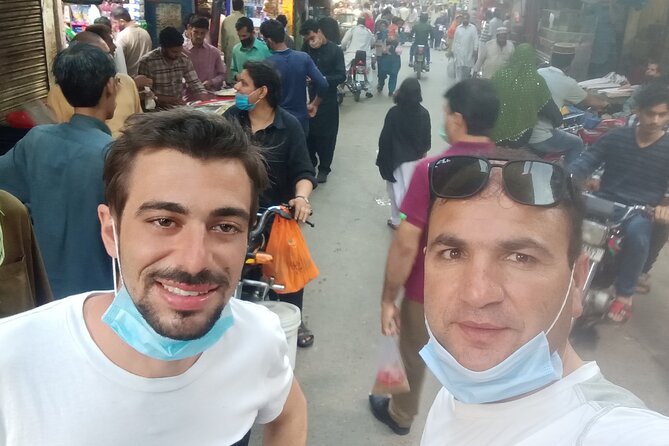
The route includes a stop in the city of Uch Sharif as you head toward Bahawalpur. This is described as a meaningful place along the way, and the itinerary gives it time without making the day feel overly packed.
On long heritage tours, it’s smart to include a “break” stop that’s not the single highlight of the trip. Uch Sharif gives you that. It helps you stretch your legs, reset after earlier travel, and keep energy for the more intense archaeological and fort days ahead.
Also, the itinerary lists the stop as admission free on that day, which is a small value win. Those little savings can help justify the overall price.
Bahawalpur and Shah Rukne Alam: Nawabs, Markets, and Local Culture
Bahawalpur is where the tour turns from strictly ancient to a mix of historical and modern local life. The morning includes a tour of Bahawalpur highlights tied to the Nawabs, along with the modern-day market experience.
Then you get the stop at the Tomb of Shah Rukne Alam. A tomb visit can be a quiet moment in a road trip, and it often works better than you expect—because you’re surrounded by a sense of place that doesn’t need explanation to feel significant.
One practical thing you’ll appreciate on days like this: markets are usually where you see daily Pakistan, not just curated monuments. Even if you don’t shop, you’ll get that lived-in understanding of the city.
Multan to Lahore: Harappa Brings the Indus Story Full Circle
On the way from Multan to Lahore, the tour stops at Harappa. Even without a deep technical lecture, Harappa is the right kind of stop to keep the Indus story going. You’ve already seen Mohenjo-daro; Harappa helps you compare the broader civilization patterns across different locations.
Then you arrive in Lahore, where the tour shifts gears into Punjab’s cultural and empire-setting energy. Lahore gets described as the country’s cultural and artistic capital, and the tour’s next stop explains why: the Lahore Fort.
Lahore Fort: Moghul and Sikh-Era Power Built Into Walls
At Lahore Fort, you get the big imperial framing. The fortress is described as the historic capital for both the Moghul and Sikh empires. It also played a part in British governance of the Punjab.
This matters because it means you’re not just walking inside old stone. You’re walking through a layered political timeline—different rulers, different priorities, and different uses for the same strategic space.
Also, the tour gives you time across two days devoted to Lahore Fort and city highlights, so it’s not a quick glance-and-go. That’s important with forts, where it helps to see how the structure connects function with authority.
Rohtas Fort on the Way to Islamabad: 16th-Century Engineering and a Military Legacy
Moving north from Lahore toward Islamabad (via either the Grand Trunk Road or the motorway), you stop at Rohtas Fort. The tour highlights it as a 16th-century garrison built by Farid Khan, later associated with Sher Shah Suri.
Rohtas Fort is one of those places where the architecture tells you what it was made to do: control movement, protect territory, and hold ground. That kind of fort logic becomes easier to understand once you’ve already seen Lahore Fort, because you start noticing recurring “why” patterns in fortress design.
If you like history that feels physical, this stop hits the sweet spot. It’s a strong transition day—part heritage, part road travel reset.
Taxila Museum and Khanpur Dam: Closing the Trip With Archaeology and a Modern Outing
Your final day includes a one-day Taxila excursion from Islamabad, including the Taxila Museum. Taxila is described as an ancient city in northwestern Pakistan and a UNESCO World Heritage Site declared in 1980.
Taxila also gives you a chance to broaden the Indus Valley story beyond one single civilization center. The museum format tends to help you organize what you’ve seen over the previous days—so the final day doesn’t feel like random add-ons.
The tour also mentions a visit to Khanpur Dam. That’s a nice contrast after a week that’s heavily archaeology and monumental architecture. It turns the ending into something more normal-life. Not everything has to be ancient to matter.
Why Sherbaz’s Guidance Improves the Whole Experience
Here’s the clearest “people factor” in the feedback: Sherbaz is repeatedly praised for proactivity, quickness, and attentiveness, with people saying his fees are reasonable and he meets requirements. One reviewer even points out that the trip felt amazing despite being demanding.
That lines up with what you want on a heritage road trip in a big country. You’ll run into tiny problems everywhere—timing questions, route changes, where to focus, what to ask. A guide who is responsive helps you turn uncertainty into just another part of the journey.
Also, in one response, Sherbaz thanks visitors for respecting local culture and traditions, which suggests he’s not just transporting you from stop to stop. He’s paying attention to how you show up. On the ground, that attitude can change how smooth the experience feels.
Price and What Makes It Good Value (or Not)
The tour price is listed as $2,850 for about 10 days, and it’s a private tour for your group, with pickup offered and a mobile ticket. Some admission fees are included, and others are listed as free on specific days (for example, Uch Sharif and Harappa show as admission free in the provided details).
So where does the value really come from?
You’re paying for three things at once:
- A tightly packed heritage route across major cities (Karachi, Hyderabad, Larkana, Sukkur, Bahawalpur, Multan, Lahore, Islamabad/Rawalpindi, and Taxila area)
- Time-efficient movement between stops so you can see major monuments without designing the plan yourself
- A guide service that, based on feedback, is strongly rated for responsiveness and practical help
The tradeoff is that private tours are rarely cheap, and the driving days mean you’ll feel the cost in time as well as money. If you hate long car stretches, this isn’t the easiest match. If you like big-picture routes with meaningful stops, it’s easier to justify.
Who This Tour Suits Best
This tour fits best if you’re interested in Indus Valley archaeology and major heritage sites in Pakistan, and you want a guided plan that connects them into one coherent trip. It also makes sense if you prefer a private-group experience where you can ask questions and get support from Sherbaz.
It may be less ideal if you’re the kind of traveler who wants lots of free time in each city to wander without a schedule. This one is structured around major stops, with fewer unplanned pauses.
Should You Book This Southern Pakistan Indus Valleys Tour?
I’d book it if your dream trip includes Mohenjo-daro, Harappa, and Pakistan’s major forts, and you value having Sherbaz as the calm problem-solver behind the scenes. The mix of Sufi shrines, UNESCO-linked sites like Makli Hill and Taxila, and the practical value of included or free admissions makes the price feel easier to defend.
I’d think twice if long road days drain you fast or if you’re expecting a laid-back pace with lots of independent wandering. This trip runs on momentum, not slow travel.
If you do book, you should also plan to stay flexible on the road and be ready to shift gears quickly between archaeology, shrines, markets, and fortress sites.
FAQ
How long is the Southern Pakistan Indus Valleys Tour?
It’s listed as 10 days (approx.).
Where does the tour start?
It starts in Karachi, Pakistan.
What cities are included along the route?
The tour goes through Karachi, Hyderabad, Larkana, Sukkur, Bahawalpur, Multan, Lahore, Islamabad and Rawalpindi, and includes a Taxila excursion from Islamabad.
Is pickup offered?
Yes, pickup is offered.
Is this a private tour?
Yes, it’s private, and only your group will participate.
Do I get a mobile ticket?
Yes, mobile ticket is listed as a feature.
Are admission tickets included?
For several stops, the itinerary lists admission tickets as included, and for some stops it lists admission as free (such as Uch Sharif and Harappa in the provided details).
Who is the tour guide?
The experience provider is listed as Sher Baz, and the guidance named Sherbaz appears in the feedback.
Is there free cancellation?
Yes. Free cancellation is available if you cancel up to 24 hours in advance for a full refund.
Are service animals allowed?
Yes, service animals are allowed.
Is the tour suitable for most people?
The listing says most people can participate.