REVIEW · KARACHI
UNESCO World Heritage Tour Near Karachi
Book on Viator →Operated by Rocket Tourism · Bookable on Viator
Three UNESCO sites in one day, with everything handled. This private tour is built for an easy morning start from Karachi, then a calm, self-paced flow between stops—Makli Necropolis, Chaukhandi Tombs, and the Shah Jahan Mosque in Thatta—so you can focus on the architecture and the people behind the monuments. You’ll also get a guide and a ready-made logistics plan, plus a camera-friendly route that makes photo stops feel natural rather than rushed.
I especially love two things: the private format (your group sets the pace) and the way the sites connect, from funerary art at Makli and Chaukhandi to Mughal religious architecture at the mosque. The main drawback to plan around is the early start (7:00 am) and the reality that the experience requires good weather.
In This Review
- Key things you’ll notice on this tour
- Why This UNESCO Day Trip From Karachi Feels Easier Than DIY
- Makli Necropolis: Little Makkah and the Art of Burial
- Chaukhandi Tombs: Carved Stone in a Graveyard-Only Style
- Shah Jahan Mosque in Thatta: Mughal Religious Architecture, Up Close
- Timing and Pace: What a 7-Hour Private Format Really Means
- Price and Value: Why $150 Often Feels Fair for This Route
- A Guide Like Fahad Makes the Sites Make Sense
- What Could Go Wrong: The One Thing to Watch
- Tips to Get the Most From Each UNESCO Stop
- Should You Book This UNESCO Day Trip Near Karachi?
Key things you’ll notice on this tour
- Three UNESCO World Heritage sites in one efficient day
- Private pacing: you’re not herded with strangers
- Admissions included, so you spend less time figuring out tickets
- Air-conditioned vehicle plus end-to-end transport help
- Guide-led context that brings the burial and architecture details into focus
- Photography-friendly stops, especially among carved stones and mosque details
Why This UNESCO Day Trip From Karachi Feels Easier Than DIY
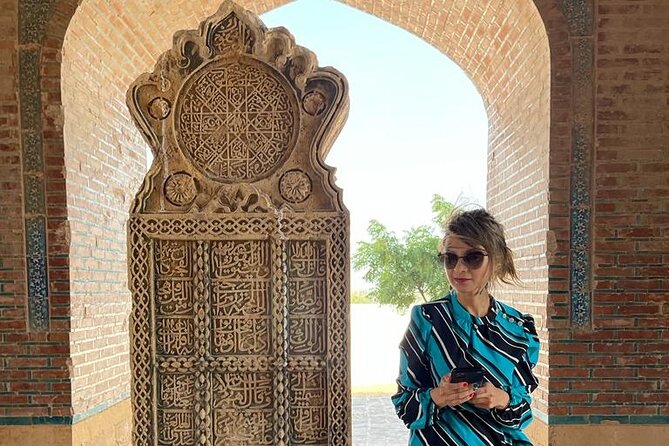
This is the kind of tour that makes sense if you want UNESCO sights, but you don’t want the stress of coordinating drivers, entry tickets, and timing between multiple locations. Because it’s private, you can slow down when something catches your eye—say, a carved gravestone detail or a line of arches—then move on when you’re ready.
The route is also designed for a smooth rhythm. You start at 7:00 am, you’re moved by an air-conditioned vehicle, and each UNESCO stop has its own set visit time (about 3 hours for Makli, then 1 hour each for Chaukhandi Tombs and the Shah Jahan Mosque). That structure helps if you’re trying to fit this into a single day without feeling like you’re constantly rushing.
You can also read our reviews of more tours and experiences in Karachi.

Makli Necropolis: Little Makkah and the Art of Burial
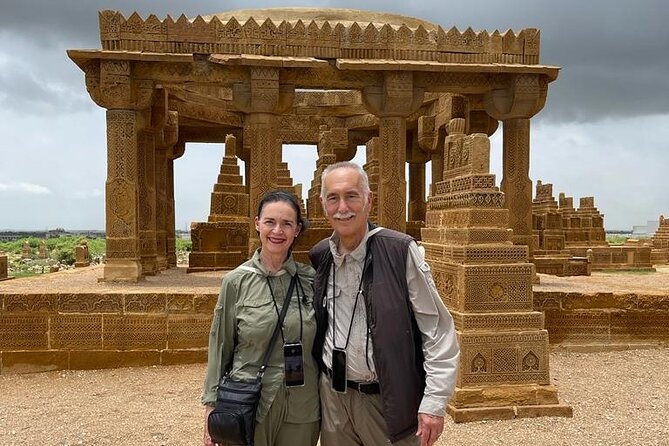
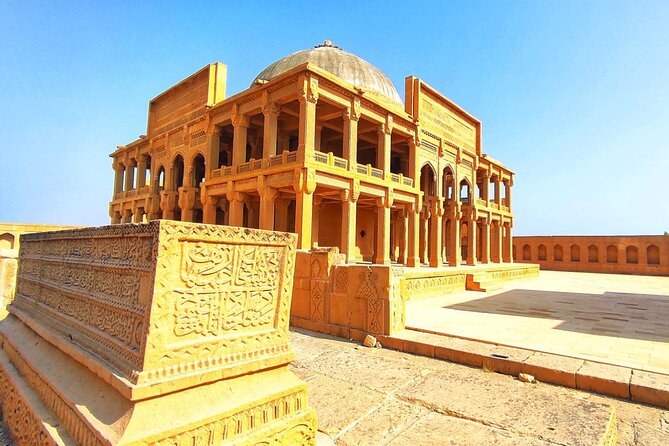
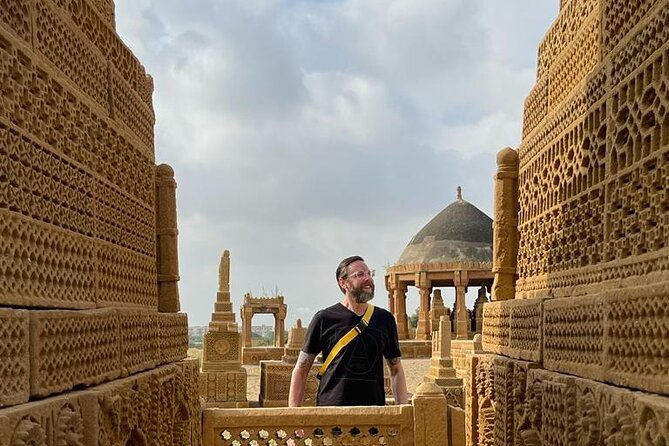
Your day begins at Makli Necropolis, a UNESCO World Heritage Site since 1981. Locally, Makli means “little Makkah,” a name given by a Hajj pilgrim who was clearly excited by what he saw and felt there. Even without digging into every detail, you can sense the scale and the way the site works like a timeline—made of tombs, monuments, and different styles laid out across time and space.
What I like about Makli Necropolis as a first stop is that it sets the theme for the rest of the day. You’re not just looking at “old graves.” You’re seeing how people memorialized important lives through stonework and layout, and how later styles add layers instead of replacing what came before. Your guide’s job is to help connect those visuals to the people and eras behind them, which makes your photos feel more meaningful afterward.
Practical note: Makli takes time. Even at an “official” stop of about 3 hours, it’s the kind of place where you’ll naturally pause—at a wider view, at a close-up carving, or when a monument’s shape pulls you in. If you’re the type who likes to take photos slowly, start thinking about shot planning here rather than saving it all for later.
Chaukhandi Tombs: Carved Stone in a Graveyard-Only Style
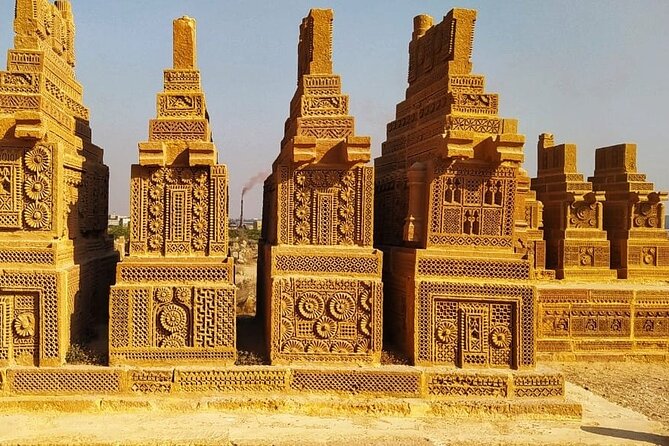
After Makli, you move on to the Chaukhandi Tombs, another standout UNESCO stop tied to the region’s funerary traditions. These tombs are known for exquisite stone carving, with an elaboration that makes the cemetery feel like an outdoor gallery of craft. The architecture style is also described as typical in this tradition, and it’s noted as something that only exists in Sindh—meaning the form is strongly tied to place, not copied from elsewhere.
This is the stop where you’ll probably get the most “close-up” photos. The details matter: edges, borders, repeated patterns, and the way the stonework holds up its visual power from a distance. If you’re into architecture photography, this is a strong match because the subject is built for viewing—carving invites you to slow down and trace the work with your eyes.
The visit time is about 1 hour, so you’ll want to use that hour intentionally. Scan first for the elements that look different from the next tomb, then commit to a few angles. With a private guide, you can also ask questions that turn your curiosity into something specific—like what to look for in the stone patterns and how the tomb forms were designed.
Shah Jahan Mosque in Thatta: Mughal Religious Architecture, Up Close
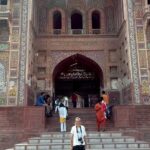
The last UNESCO stop is the Shah Jahan Mosque, also called the Jamia Masjid of Thatta. This is a 17th-century building that served as the central mosque for the city of Thatta, built during the reign of Mughal emperor Shah Jahan. Even if you’re not a specialist in Mughal architecture, it’s one of those sites where the function (a central mosque) and the style (Mughal-era design) show together.
This stop is only about 1 hour, so it works best if you come ready to look at details quickly. Watch how the building’s design elements create structure and rhythm. Notice how the mosque’s role as the city’s main religious space changes the way you read the architecture: it’s not a monument built to be distant. It’s a place meant for people, gathering, and worship.
Because it’s a mosque, you’ll also want to be mindful of visitor behavior. Even though this is a sightseeing tour, the atmosphere here is different from a necropolis. If you keep your questions respectful and your movement steady, the visit will feel smoother and your photos will come out better too—especially if you wait for the best light and calmer moments.
Timing and Pace: What a 7-Hour Private Format Really Means
The tour runs for about 7 hours total, which sounds straightforward until you remember travel time and the fact that each UNESCO site has its own “attention span.” The schedule is roughly: 3 hours at Makli Necropolis, then 1 hour at Chaukhandi Tombs, then 1 hour at the Shah Jahan Mosque. The remaining time is for driving between sites and staying on track with the day’s flow.
Starting at 7:00 am helps for two reasons. First, you get daylight and better conditions for photography. Second, you reduce the risk of wasting time later in the day when heat and crowds can make outdoor sites feel harder to enjoy. Still, the tour depends on good weather, so if skies aren’t cooperating, you may need to be flexible with your date.
Because it’s private, you also get the “your pace” benefit in real terms. If you want extra time at Makli for photos, you can often ask to manage the day so you’re not forced to sprint. Likewise, if you’d rather focus on architecture details at Chaukhandi and move quickly, the structure still supports you.


Price and Value: Why $150 Often Feels Fair for This Route
At $150 per person, this tour can feel like good value because the price is not just for driving and a guide. Admission fees and all fees and taxes are included, and you’re using a private, air-conditioned vehicle. For a day that spans three separate UNESCO sites, the bundled structure matters. You avoid the usual add-ons and friction that can turn a “simple” sightseeing plan into a late-day headache.
The part that’s not included is food. Lunch, dinner, and breakfast are not covered, so you’ll want to plan where you’ll eat before or after the tour. If you’re used to tours that bundle meals, this is the one budgeting gap to remember.
Also think about the “hidden costs” of DIY. Even if you’re confident organizing transport, you still have to handle tickets, timing, and the learning curve of what to look for. Here, your guide is the shortcut to understanding, which can turn a long day of looking at stones into a day of actually learning what they represent.
A Guide Like Fahad Makes the Sites Make Sense
The biggest quality signal in the experience is how personal it can feel when your guide brings the sites to life. In strong examples shared by guests, the guide was friendly and informative, with a professional approach to Pakistan’s customs and traditions. The name that comes up is Fahad, and the praise points to a guided style that helps you get photos, but also helps you understand what you’re seeing.
I’d treat your guide as your tool for faster comprehension. Ask questions that make you look smarter without slowing the day down, like: what should I notice in the stone carving at Chaukhandi, or what does the layout at Makli suggest about how people were remembered. When you ask good questions early, the rest of the day tends to feel smoother because you’re no longer looking randomly.
And the photography angle is real here. The tour description is clear about camera-ready architecture, and that matches the logic of the sites. Tomb carvings, mosque shapes, and the way the monuments sit in open space all lend themselves to pictures that actually feel like a story, not just snapshots.
What Could Go Wrong: The One Thing to Watch
No matter how well planned a day is, private services depend on people and timing. One past experience shared an issue where the planned guide couldn’t make it and an alternate car meeting plan was used to continue at each location. That doesn’t mean this happens often, but it does highlight a smart habit: confirm your meeting instructions and keep your contact details handy so you’re not scrambling if anything changes.
If you want the day to feel calm, keep your expectations aligned with the structure: private tour, fixed stops, scheduled visit times. If your priority is total freedom to wander for much longer than the visit allotments, you may feel time pressure. If your priority is a focused day with UNESCO highlights and solid context, the format fits well.
Tips to Get the Most From Each UNESCO Stop
Here’s how to make the day work for your eyes and energy.
At Makli Necropolis, slow your pace early. Give yourself time to find a few wide views, then return for closer looks. The name “little Makkah” isn’t just poetic; it hints at why people might have felt a sense of meaning here, and your photos will read better if they capture both scale and detail.
At Chaukhandi Tombs, plan for close-ups. Carving rewards patience. If you have a camera setting you trust, stick with it so you can keep photographing without fiddling too much.
At the Shah Jahan Mosque, shift from cemetery detail mode to architectural structure mode. Look for symmetry, transitions between spaces, and how the building holds its shape as a central religious landmark for Thatta.
Finally, because food isn’t included, treat the day like a half-day hike for your stomach. Decide when you’ll eat—either before you start or right after you finish—so you don’t end up rushing food decisions at the end of a long day.
Should You Book This UNESCO Day Trip Near Karachi?
I’d book this tour if you want three UNESCO sites handled in one straightforward day, with private transportation, admission fees covered, and a guide who helps you connect the visuals to the stories behind the monuments. The price makes more sense when you compare it to what it would take to coordinate everything yourself, especially if you don’t want to spend half your time figuring out tickets and timing.
Skip it or choose carefully if you strongly dislike early starts or you’re traveling during a time when weather might be unpredictable. Since the tour requires good weather, you’ll have the best day when the day itself is cooperative.
If your goal is a meaningful UNESCO day—not just a checklist—this is a strong pick. The combination of Makli’s burial landscape, Chaukhandi’s carved tomb craft, and the Shah Jahan Mosque’s Mughal religious architecture gives you a rare mix of styles without forcing you to manage logistics.