REVIEW · AMRITSAR
Amritsar Heritage Walk: “Back in Time”
Book on GetYourGuide →Operated by WalkandExplore · Bookable on GetYourGuide
Amritsar’s back lanes tell stories fast. This walk connects the Partition Museum area to Jallianwala Bagh, then spirals into old-city alleys, temple art, and markets where you can feel daily life. I especially liked how the guide kept things human, not like a textbook, and how the route mixes solemn sites with the smells and sounds of Guru Bazaar and Kathia Bazaar.
Two things I found genuinely strong: the storytelling in Hindi, English, or Punjabi, and the way you’re shown places you’d likely miss on your own—like the narrow approach lanes toward the Baba Bohar area and the craft-focused workshop stop. One consideration: entrance fees and any camera charges inside monuments are not included, so you may want a little extra cash just in case.
If you’re short on time but want more than the main monuments, this tour can give you a useful first “map in your head” of Amritsar—politics, faith, industry, and street culture all in one day.
In This Review
- Key highlights worth your attention
- Walking in Amritsar’s layers, from Partition to Jallianwala Bagh
- Meeting point near the Partition Museum: a smart way to begin
- Heritage streets and Punjab culture: how the guide builds your “street IQ”
- The sacred stop: ancient Hindu temple and wall frescos
- Jallianwala Bagh: a solemn visit with context, not just a checklist
- Baba Bohar area: narrow alleys, older lanes, and the tree you’ll remember
- Little Jaipur and an ashram stop: when architecture and belief overlap
- A 150-year workshop: early industrial life you can actually picture
- Guru Bazaar, Kathia Bazaar, and Maisewan Bazaar: markets with a purpose
- How the guide turns a walk into a real connection
- Price and value: what $18 buys you in real terms
- Practical tips: shoes, weather, and bargaining without stress
- Who this tour is best for
- FAQ
- FAQ
- Where does the Amritsar Heritage Walk start?
- How many places does the tour cover?
- Which languages are offered during the storytelling?
- Is the entrance fee included for monuments?
- Are camera charges included?
- What big historic and cultural stops are included?
- Is food or local shopping part of the experience?
- Should you book this Amritsar Heritage Walk: Back in Time?
Key highlights worth your attention
- Start at the Partition Museum zone to set the 1947 context before you move into older streets
- Jallianwala Bagh memorial time with clear explanation of what happened in 1919
- Ancient Hindu temple stop with wall frescos you can actually take in on foot
- 150-year workshop linked to early industrial life, not just shopping
- Narrow old alleys toward Baba Bohar, great for seeing Amritsar at street level
- Old-city bazaars including Guru Bazaar, Kathia Bazaar, and Maisewan Bazaar for crafts, jewelry, spices, and snacks
Walking in Amritsar’s layers, from Partition to Jallianwala Bagh
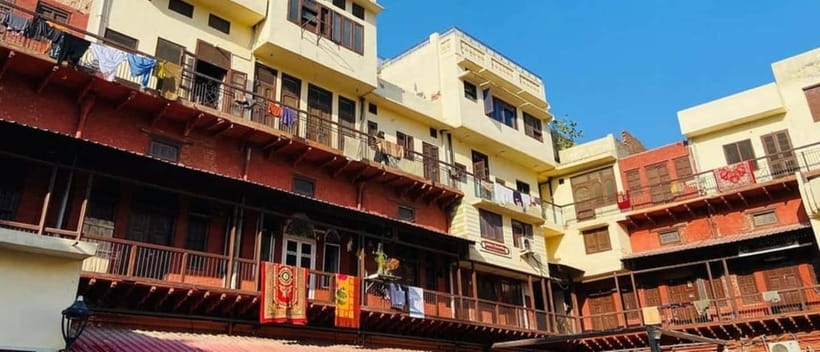
This is the kind of Amritsar tour that helps you understand why the city feels different depending on where you stand. You start near the Partition Museum area, which gives you the emotional and historical frame before you move into older neighborhoods.
From the start, the guide’s job is to keep the story moving. In my experience, the best heritage walks don’t just list dates; they show you how history shaped everyday routines—where families lived, what people feared, what people rebuilt, and how faith and commerce carried on in the same streets.
The early portion matters because it keeps Jallianwala Bagh from feeling like a detached memorial you visit and then rush past. By the time you reach the site, you’re not only looking at a place—you understand why it still weighs on Amritsar’s identity.
You can also read our reviews of more tours and experiences in Amritsar.



Meeting point near the Partition Museum: a smart way to begin
The tour begins outside the partition museum, and that’s a practical choice. Partition is the event that sits underneath much of Amritsar’s modern layout and memory, so you get context right away instead of later.
This first phase works well if you’re visiting for the first time. You’ll hear how 1947 changed lives for countless families, and you’ll likely pick up the main threads that connect the political shock to what you see in later stops—street life, religious spaces, and the way people talk about the past.
If you’re thinking, Should I really start here?—yes. Even if you already know the basics, getting the explanation from your guide helps you notice details during the walk that you might otherwise ignore.
Heritage streets and Punjab culture: how the guide builds your “street IQ”
After the opening context, the tour shifts into Punjab culture on the move. Expect heritage streets with small, specific facts that help you decode what you’re seeing: architecture influences, religious references, and fun local details about day-to-day life.
I liked the pace here because it balances walking with meaning. Your guide doesn’t keep you stuck in one spot for too long, but you also don’t feel rushed into the next checkpoint. You’re constantly given little reasons to slow down—like noticing a facade detail, a craft-related workshop sign, or how old lanes connect to larger bazaars.
This is also where the language support matters. The storytelling can be delivered in Hindi, English, or Punjabi, and that can make a big difference for clarity—especially when topics involve religion and historical events that need careful wording.
The sacred stop: ancient Hindu temple and wall frescos
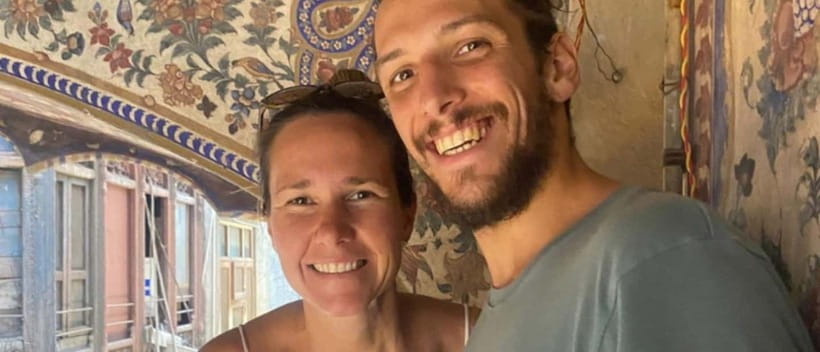
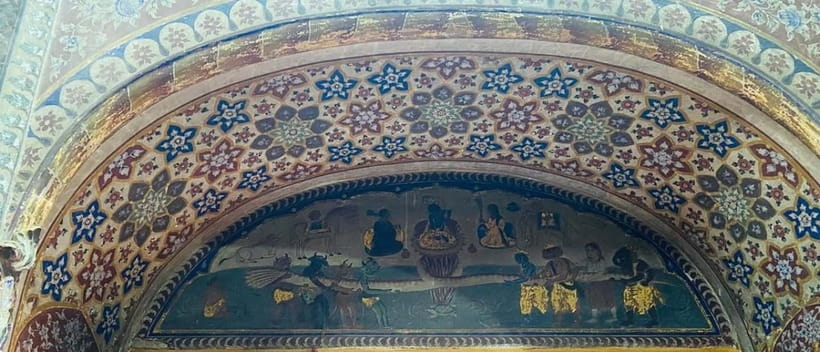
One of the most memorable moments on this walk is the visit to an ancient Hindu temple with beautiful frescos artwork on the walls. You don’t just pass by; you get the chance to look properly and understand what you’re seeing.
Temple stops on a heritage walk can go either way: either they’re treated like a quick photo stop, or they’re treated as a living place. In this tour, the focus is on observation and explanation, and that makes the frescos feel like part of the city’s human story rather than a museum piece.
If you’re sensitive to noise or crowding, keep your expectations realistic: you’ll be in an active area of town. The upside is that you’re seeing art in context—inside a place used and respected—not only behind glass.
Jallianwala Bagh: a solemn visit with context, not just a checklist

Jallianwala Bagh is the emotional center of the tour. It’s a historic place tied to the tragic events of 1919, and your guide’s role is to explain what happened in a way that helps you understand the scale and the significance.
This is the point where the guide’s tone matters. You’ll feel the difference between a casual sightseeing stop and a memorial that demands respect. You’re guided through the sad history, and the goal is reflection—bravery and resilience, not shock for shock’s sake.
My practical advice: bring a calm mindset here. Even if you’re excited about craft shops and bazaars later, slow down at the memorial. Give yourself a moment to process before you move back into the noise of the old city.





Baba Bohar area: narrow alleys, older lanes, and the tree you’ll remember
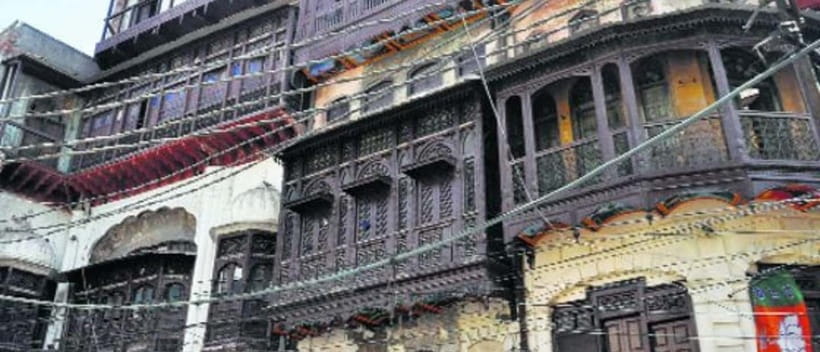
A standout on this route is the narrow old-alley section toward Baba Bohar. These lanes are where Amritsar feels like it’s still operating at street level, the way cities do before major roads take over.
Then there’s Baba Bohar itself, a landmark that’s treated like more than just a backdrop. The tour includes a focus on the Baba Bohar tree, and you’ll likely see why it’s become a reference point for the neighborhood’s identity.
One reason I like this part of the itinerary is that it gives you photos with meaning. Instead of only capturing structures, you’re capturing the flow of the neighborhood—how people move, where small shops sit, and how older areas connect to busier bazaars nearby.
Little Jaipur and an ashram stop: when architecture and belief overlap
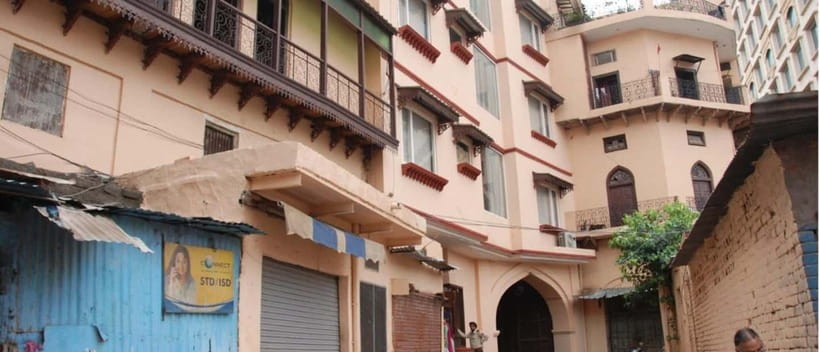
You may also visit areas identified as Little Jaipur and a nearby ashram. The names alone aren’t enough to explain the experience, but the tour framing makes sense: these are places where artistic style and belief show up in daily life.
Little Jaipur is described as an interesting stop, and in practice it adds variety to the walk. You’re not stuck in one theme all the time. You shift from memorial emotion to religious spaces and then into craft/architecture cues that help you see how Amritsar borrows and adapts styles over time.
The ashram stop adds another layer, reminding you that this isn’t only about political history. Spiritual life and community routines are part of what makes the city continue.
A 150-year workshop: early industrial life you can actually picture
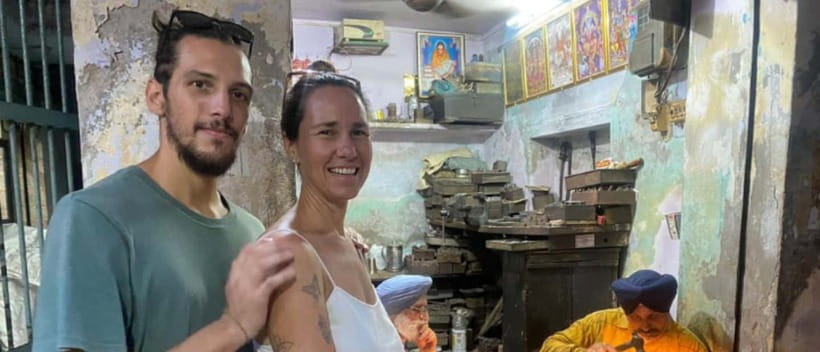
Another highlight is the visit to a 150-year workshop connected to the early Industrial Revolution. This is the kind of stop that many short heritage walks skip, but it’s one of the most useful here.
Why? Because it gives you a tangible sense of how technology and work changed urban life. You’re not only hearing about history in speeches; you’re walking past a place tied to long-running craft or workshop traditions.
If you like history you can touch, this is where you’ll feel satisfied. The workshop stop turns the tour from “places” into “systems”—how people made things, how work continued, and how older buildings housed newer changes.
Guru Bazaar, Kathia Bazaar, and Maisewan Bazaar: markets with a purpose

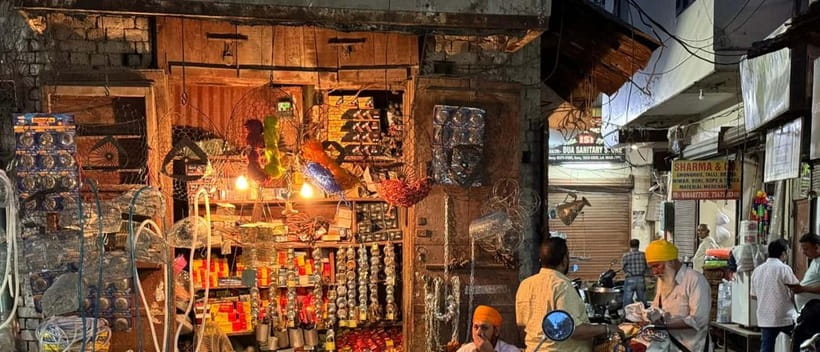
The walk spends meaningful time in the old-city bazaars, including Guru Bazaar, Kathia Bazaar, and Maisewan Bazaar. This is where you get a sensory side of Amritsar: crafts, jewelry, spices, and everyday goods.
What makes it more valuable than a casual shopping detour is the guide’s context. You’re shown what to look for, and you’re given pointers on how local commerce works—plus tips for bargaining and saving money.
I also liked how food fits naturally into the experience. You might taste items like fresh jalebis, and you may be guided toward a local kulcha spot where a simple meal can be very affordable. For solo visitors, this matters because it reduces that awkward feeling of walking into a place alone.
Even if you don’t buy much, you’ll still come away with something useful: an understanding of what shoppers actually come for and how neighborhoods support crafts and trade.
How the guide turns a walk into a real connection
The strongest praise for this tour centers on the guide. Names like Hardik come up repeatedly, and the descriptions are consistent: he keeps people engaged, tells clear stories, shares trivia, and can answer questions about religion, architecture, and architecture influences.
Christine’s account mentions a sympathetic, English-speaking guide who took her to the sad memorial in Jallianwala Bagh, the Baba Bohar Tree, Little Jaipur, and an ashram. Another review credits Hardik for pointing out old facades and artists’ workshop areas. In my view, that combination—emotion, art, street-level detail—is what makes a walking tour feel worth the time.
One more small thing I appreciated: the guide checks on safety and helps sort logistics if plans get thrown off. In one rainy-day experience, the guide still met the group and adjusted the route with indoor options like museums and smaller street eateries.
Price and value: what $18 buys you in real terms
At around $18 per person, this tour is a pretty fair deal for what you get: multiple major stops, guided interpretation, and help with navigating old lanes and busy markets. You’re paying for time and translation, but also for someone to connect the dots between places that look unrelated when you’re walking solo.
Your biggest potential extra cost is monuments’ entrance fees and camera charges inside monuments. Since those are not included, it’s smart to carry some spare rupees so you’re not forced to skip something important.
For me, the best value piece wasn’t only the number of stops (8 to 10). It was the way the guide makes each stop matter—Partition to Jallianwala Bagh, then old alleys to bazaars, then temple art and a workshop tied to industrial-era life. That structure is exactly what you want from a short walking tour.
Practical tips: shoes, weather, and bargaining without stress
This is a walking tour, so wear shoes you can trust. The old lanes and narrow alleys mean you’ll be on uneven ground at times, and you’ll want your feet to be comfortable enough to enjoy rather than endure.
Weather can change quickly in Punjab, and rain can also change the walking plan. If storms roll in, the experience can still work because the guide can steer you toward covered options like museums or nearby eateries.
For markets, use the included bargaining tips. The goal isn’t to turn it into a negotiation contest—it’s to avoid overpaying and to learn what a fair price feels like. If you’re buying gifts, the guide can also help you find the right places for your specific needs.
Who this tour is best for
This walk is a great fit if you want a first-time orientation to Amritsar that goes beyond the headline sites. It’s ideal for history-minded travelers who still want street life, and it suits visitors who enjoy practical guidance in markets—where it’s easy to get lost if you’re going alone.
If you love religion and art, the temple and frescos stop can be a highlight. If you love everyday craft and industry, the 150-year workshop stop adds something different.
If you’re the type who prefers to drive straight between famous monuments with minimal walking, you might find the pacing a bit more hands-on than you want. But if you like to see how a city actually runs, this format will likely click.
FAQ
FAQ
Where does the Amritsar Heritage Walk start?
It starts outside the partition museum.
How many places does the tour cover?
The tour is designed to cover about 8 to 10 heritage and historic places.
Which languages are offered during the storytelling?
Storytelling is available in Hindi, English, and Punjabi.
Is the entrance fee included for monuments?
No. Entrance fees to monuments are not included.
Are camera charges included?
Camera charges applicable inside monuments are not included.
What big historic and cultural stops are included?
Key stops include Jallianwala Bagh, the Baba Bohar area, a historic Hindu temple with frescos, a 150-year workshop tied to early industrial life, and old-city bazaars such as Guru Bazaar, Kathia Bazaar, and Maisewan Bazaar.
Is food or local shopping part of the experience?
You’ll pass through market areas where you can try local snacks like jalebis, and the tour includes tips for bargaining and saving money, which helps if you want to shop for crafts or gifts.
Should you book this Amritsar Heritage Walk: Back in Time?
Book it if you want a guided route that connects the emotional weight of Partition and Jallianwala Bagh with the daily texture of Amritsar—temple art, craft workshops, narrow lanes toward Baba Bohar, and bazaars where you can shop and snack with confidence.
Skip it (or plan a different approach) if you only care about monuments and would rather explore independently, because some costs like entrance fees and possible camera charges can add up. Also, if you’re extremely sensitive to walking in narrow alleys, you may want to confirm how the route adapts when conditions get rough.
If you do book, bring comfortable shoes and a little extra cash for monument entries. And when you reach Jallianwala Bagh, slow down—this tour is at its best when you treat that stop with the respect it deserves, then let the markets and crafts bring you back to the living side of the city.