REVIEW · LEH
Leh Ladakh Motorcycle Tour – 7 Days Of Ultimate Thrill
Book on Viator →Operated by Go 360 · Bookable on Viator
Altitude and engines in sync on this ride. What makes it interesting is that you start with a calm Leh acclimatization day, then move into the higher passes on a Royal Enfield Himalayan with a real team behind you.
I like the practical safety pieces included from the start: oxygen cylinders and a basic first aid kit, plus professional guides who can spot problems early. If you’re riding solo, you’ll also get a lot of structure, and the whole setup tends to feel more like guided mentoring than a chaotic free-for-all.
One consideration: biking gear isn’t included (jacket, guards, etc.), and some monastery/museum admission fees aren’t covered, so you may spend extra on top of the tour price.
In This Review
- Key Things That Make This 7-Day Ride Worth a Look
- Day 1 in Leh: Acclimatize, Then Get Your Bearings Fast
- Leh Town Stops: Short Visits That Still Feel Personal
- Nubra Valley Day: Khardung La and the Sand Dunes Connection
- Turtuk and Borderland Vibes: A Different Side of Nubra
- Pangong Tso via Shyok Route: The Day You Start Believing
- Changla Pass and the Monastery Trio Near Leh
- Day 7: The Clean Exit Back to Leh Airport
- Price and Value: What $510.27 Really Covers
- Who This Tour Suits Best
- Quick, Real-World Tips Before You Go
- Should You Book This 7-Day Leh Ladakh Motorcycle Tour?
- FAQ
- What’s included in the tour price?
- Does the tour include pickup from the airport?
- Do I need to bring biking gear?
- Are monastery and monument entrance fees included?
- How many travelers are on the tour?
- Is there backup support if something goes wrong?
- What is the cancellation window?
Key Things That Make This 7-Day Ride Worth a Look
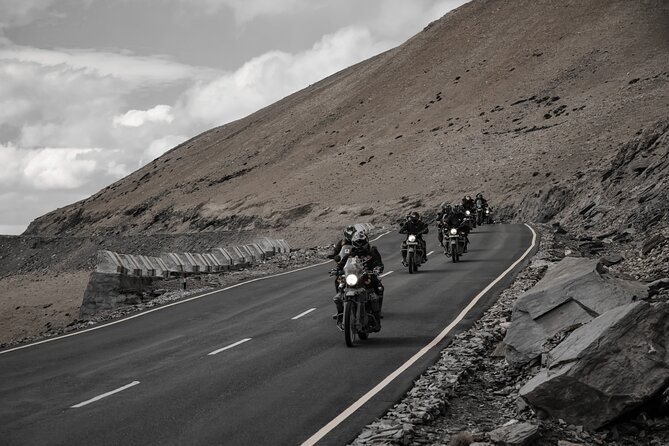
- Royal Enfield Himalayan bikes + fuel: you’re not budgeting for gas or worrying about swapping machines.
- Backup car, mechanic, and tour marshal from Day 3: that timing matters when roads get rougher.
- Oxygen cylinders and first aid kit included: it’s a comfort, especially in high-altitude Leh.
- You hit the big-name route bits: Magnetic Hill, Nubra (Khardung La and Diskit), and Pangong Tso.
- Small group size (max 15): it’s easier to keep everyone together on busy stops.
Day 1 in Leh: Acclimatize, Then Get Your Bearings Fast
You land at Leh, get picked up, and move straight to your hotel for a lighter day. That matters because Leh sits at altitude, and the best motorcycle trips are the ones that respect that first. You’ll get time to rest, then ease into the town with a few classic sights.
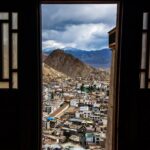
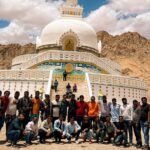
In the afternoon, you’ll visit Shanti Stupa, a white-domed hilltop shrine with wide views over Leh. It’s a good first stop because you can walk at your own pace and not feel rushed. After that, the tour takes you through the Leh Market, where you can browse local handicrafts, woolen items, and spices. If you need basic supplies, this is the moment to grab them before you’re out on the long-road days.
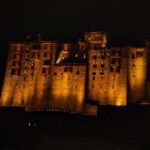
You’ll also stop at Leh Palace, built around the early 1600s era (Sengge Namgyal is the name tied to the structure). It’s partly abandoned now, but that actually makes the ruins feel honest—less like a theme park.
If you care about how the trip starts, I’d call Day 1 a smart warm-up: you’re not thrown into long riding right away.
You can also read our reviews of more tours and experiences in Leh.
Leh Town Stops: Short Visits That Still Feel Personal
Day 2 keeps things moving, but not frantic. After breakfast, you head out to see a few of the most photographed points around Leh—just without turning them into a checklist.
First up is the confluence of the Indus and Zanskar rivers area. Even with a quick stop, you get the wow factor of two river systems meeting in a dramatic high-country setting. Then you go to Magnetic Hill, where cars and bikes seem to roll uphill slowly when placed in neutral. It’s one of those spots where the effect is the attraction, and it’s quick—perfect when you don’t want to drain energy before later driving.
You’ll also visit Gurdwara Pathar Sahib, a Sikh shrine tied to Guru Nanak’s visit to Ladakh. It’s not just a photo stop. In places like this, you’ll notice people treat the visit with quiet focus, and it’s a good break from the road noise.
The Hall of Fame is another stop that adds context about the Indian Army and the Kargil War. Just note: it’s marked as not included, so you may need to pay entrance on the day.
Overall, Day 2 is a nice balance: scenic points, a spiritual pause, and one museum-style stop.
Nubra Valley Day: Khardung La and the Sand Dunes Connection
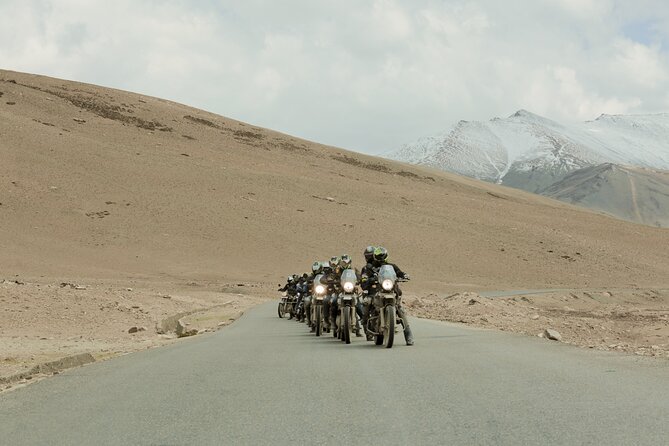
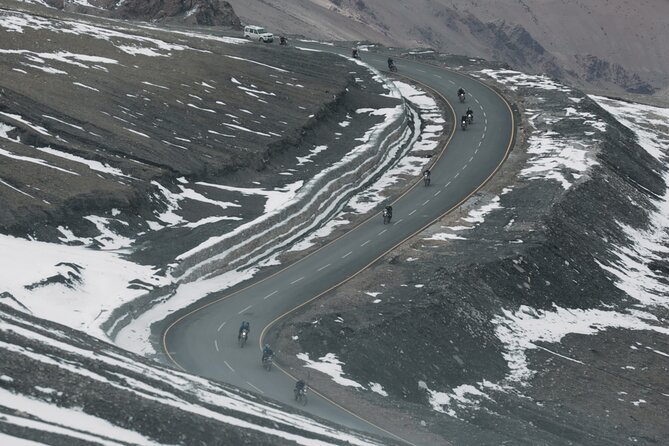
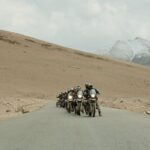
On Day 3, the trip turns more fully into a motorcycle experience. You’ll be given bikes in the morning, then ride toward Khardungla, described as the world’s highest motorable pass. This is the moment when many people stop thinking of Ladakh as a destination and start thinking of it as a road trip you’ll remember for years.
You’ll continue to Diskit, the headquarters area of Nubra Valley. Nubra is famous for its desert-meets-mountains feel, and Diskit is where the culture and scenery overlap.
After that, you head to Hunder Sand Dunes, where the dunes sit surrounded by snow-capped views. It’s a rare feeling: you’re far from any coast, yet the open sand and wide sky still feel like a big-water world. Quick visits can still hit hard here.
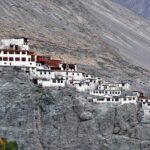
Then you get Diskit Gompa. It’s the oldest and largest Buddhist monastery in the region (as described in the tour info). The stop is timed for views and photos, but entrance is listed as not included, so keep small cash handy.
Practical note: this is a long day at altitude. Even if the tour schedule is busy, your biggest job is to stay calm, ride smooth, and drink water.
Turtuk and Borderland Vibes: A Different Side of Nubra
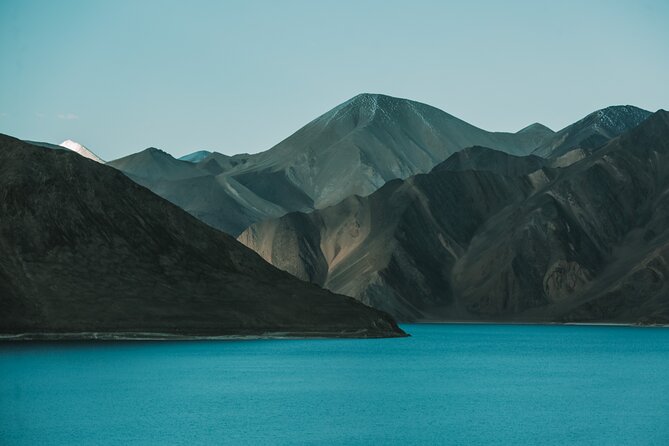
Day 4 starts with check-out from camps, then continues with Diskit monastery time if schedules allow. There’s also an optional ATV ride mentioned as personal expense—so it’s not part of the core deal, but it’s an option if you want extra motion.
From there, you head toward Turtuk, a village in Baltistan. The feel here is different from the earlier stops. You’re closer to the Pakistan border area, and that geographic edge shows up in the culture. You get short stops that let you look, walk a bit, and absorb the quieter rhythm.
You’ll visit Thang Village and then the Turtuk Waterfall area. The waterfall stop is short—about 20 minutes—so treat it as a refresh moment rather than a long hike. Then you move to Tyakshi Village, a remote settlement near the border.
This is one of the best days if you like the human side of travel: not just monuments, but small-town pace. It also tends to be a mental break from the biggest road drama.
Pangong Tso via Shyok Route: The Day You Start Believing
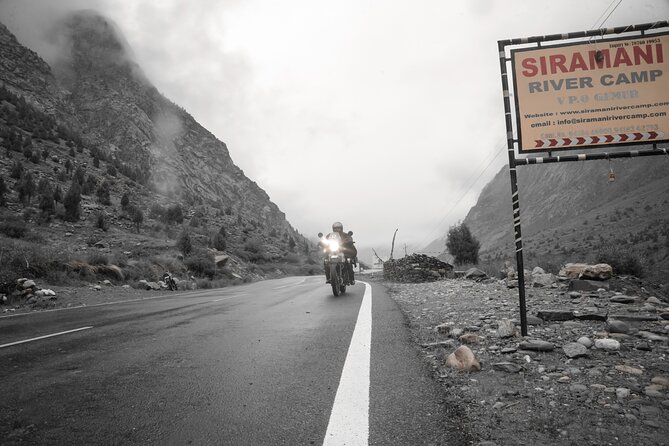
Day 5 is built around Pangong Tso (Pangong Lake), one of Ladakh’s headline sights. You’ll go via the Shyok Route, which is often chosen because it’s a different way of approaching the lake compared to the most direct paths.
You’ll also have time around Diskit and Hunder villages and monasteries before you fully shift into the lake day mode. In practice, that means the morning isn’t just travel; it’s still part sightseeing and part settling-in for what comes next.
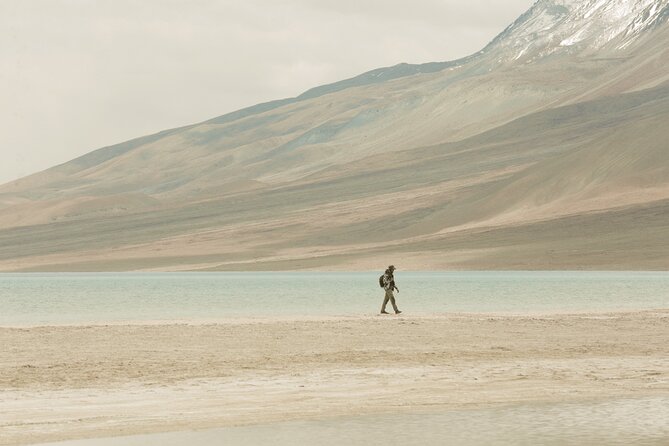
Once you reach Pangong Tso, the lake becomes the whole show. Even if you’ve seen it on screens, seeing it in real altitude light changes the feel. It’s also the kind of place where time passes faster than you expect because you keep noticing small color changes and shifting light.
If you’re a rider, this day also matters emotionally. After days of passes and dunes, the lake feels like a reward that doesn’t try to compete with adrenaline.
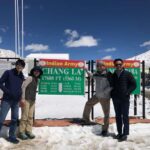
Changla Pass and the Monastery Trio Near Leh
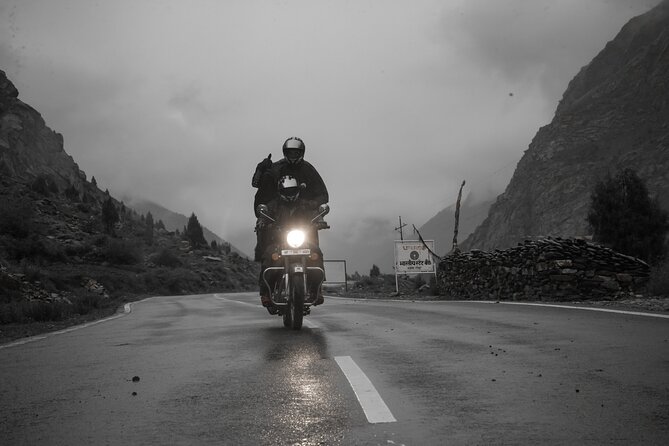
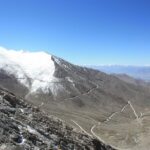
Day 6 is the high-pass day. You go over Changla Pass, listed at an altitude of 17,590 feet. This is one of those sections where the view and the physical effort meet. Even if you’re not trying to conquer anything, you’ll feel the altitude in your pace and breathing.
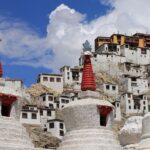
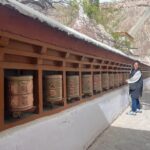
After that, you head to Thiksey Monastery. It’s one of the larger monasteries in Ladakh and belongs to the Gelugpa sect. Entrance is listed as not included, so plan for a paid entry if you want to go inside.
Then you visit Shey Monastery, described as historically significant and once the summer capital of the Ladakhi king. Like Thiksey, entrance fees aren’t included.
The final listed stop is Druk Padma Karpo School (also connected to the Druk White Lotus School, known for the 3 Idiots shooting location). This is a different kind of stop—less about old stone and more about how Ladakh’s modern life connects to global pop culture.
This day works well because it gives you a strong driving highlight, then slows the pace with monasteries and a school. If your legs feel cooked from the roads, this mix helps.
Day 7: The Clean Exit Back to Leh Airport
Day 7 is straightforward: after your trip, you’re dropped at Leh Airport based on your flight schedule. That’s helpful because it removes the stress of figuring out the final transport on your own.
One small detail I’d watch: the tour includes 6 breakfasts and 6 dinners. That suggests meals align with full riding days rather than day-of-flight timing. If your flight is early, you might want to eat well the night before.
The good news is the overall flow is built for an easy last day, not an exhausting “one more thing” sprint.
Price and Value: What $510.27 Really Covers
At $510.27 per person (for roughly 7 days), this isn’t a bargain-priced tour. It’s more like a fair package price that covers the hard parts.
Here’s what you get that usually costs real money elsewhere:
- Royal Enfield Himalayan bike
- Fuel for bike and backup car
- Permits
- Accommodation on a triple-share basis
- Oxygen cylinders and basic first aid kit
- Meals: breakfasts (6) and dinners (6)
And the trip also includes the “support you don’t want to think about until you need it” portion:
- Professional backup team, including mechanic and tour marshal, from Day 3
- Backup car
- Used helmets
What’s not included (and where extra spending can pop up):
- Biking gear (guards, rider jacket, etc.)
- Entrance fees for monasteries and some museums (like Hall of Fame and the monasteries marked not included)
- Unscheduled extra stays due to landslides, political issues, or other factors outside the operator’s control
If you want maximum value, travel light but smart. Bring your own basic riding gear if you can. And if you care about helmet fit, test the used helmet before you roll out.
Who This Tour Suits Best
This ride suits you if you want:
- A structured motorcycle plan without having to coordinate permits and logistics
- A team that handles breakdown-risk with a mechanic and backup car (from Day 3)
- Classic Ladakh stops, including Nubra and Pangong Tso, not just a “Leh only” version
It’s also a strong option if you’re traveling solo. Support shows up in practical ways, like pickup on arrival and guided pacing. The tour info also notes most travelers can participate, and the group cap is 15, which usually keeps things manageable.
If you’re the kind of rider who refuses any extra cost, this might feel imperfect because entrance fees and your own gear will likely add small expenses. But for most people, the included bike + fuel + support makes the overall package feel fair.
Quick, Real-World Tips Before You Go
- Since biking gear isn’t included, pack (or buy) at least the basics you trust. Guards and a proper jacket matter when the air gets colder at altitude.
- Expect extra time for altitude. Even on “rest” days, you’ll feel it differently day to day.
- Keep some cash ready for not-included monastery or museum entrances.
- If you’re picky about equipment, check helmet condition and comfort before you start each day.
Should You Book This 7-Day Leh Ladakh Motorcycle Tour?
I’d book this tour if you want a high-adrenaline route with a support system that shows up when roads get tougher. The combination of the Himalayan bike, fuel coverage, permits, oxygen, and backup team from Day 3 is the main reason it feels dependable.
Skip it (or ask more questions first) if you already plan to bring every piece of gear and you dislike any additional entrance fees. Also consider your comfort level with altitude planning, since the route includes major passes and long driving days.
If you’re ready for big scenery and serious roads, this one gives you a solid structure—and you won’t be stuck solving problems alone.
FAQ
What’s included in the tour price?
The tour includes triple-share accommodation, surface transfer from Leh Airport to Leh Airport, a Royal Enfield Himalayan bike, fuel (bike and backup car), oxygen cylinders and a basic first aid kit, used helmets, permits, and 6 breakfasts plus 6 dinners. A professional backup team, tour marshal, and mechanic are included from the 3rd day.
Does the tour include pickup from the airport?
Yes. The tour starts at Leh Airport and includes transfer from the airport to your hotel on arrival, and drop-off back to Leh Airport at the end based on your flight schedule.
Do I need to bring biking gear?
Yes. Biking gear such as elbow guard, knee guard, and a rider jacket is not included, so you should plan to bring your own.
Are monastery and monument entrance fees included?
No. Entrance fees to monasteries and monuments are not included in the tour price.
How many travelers are on the tour?
The maximum group size is 15 travelers.
Is there backup support if something goes wrong?
Yes. From the 3rd day, the tour includes an experienced backup team with a backup car, along with a tour mechanic and tour marshal.
What is the cancellation window?
You can cancel up to 6 days in advance for a full refund. Canceling 2–6 days before start time gives a 50% refund, and canceling less than 2 days before start time is not refunded. The experience can also be canceled due to poor weather, with an option for a different date or a full refund.