REVIEW · AMRITSAR
The Grand Amritsar Experience Combined With WAGAH FLAG CEREMONY
Book on Viator →Operated by Around The India Travels · Bookable on Viator
Two days in Amritsar can change your mood. This tour strings together Golden Temple mornings with the intense energy of the Wagah flag-lowering ceremony, all with a guide who keeps the story straight and the day moving. You also get access to key temple areas that many first-timers miss.
I love how the guidance makes each stop make sense. You’ll get clear explanations of what you’re seeing, including the Sikh meaning behind the langar system, plus time in major temple areas like Akal Takht and other sites inside the complex.
One possible drawback: a couple of major stops are not included in the price. Partition Museum and Gobindgarh Fort tickets are listed as not included, so you’ll want to budget a little extra once you’re on the ground.
In This Review
- Key highlights you’ll actually feel
- Golden Temple first: how to get the calm before the crowds
- Jallianwala Bagh: a short stop, heavy impact
- Partition Museum: where the memories get personal
- Wagah border ceremony: two hours of border theater
- Day 2: Amritsar village tour for real Punjab day-to-day life
- Ram Tirath Temple: myth and quiet time on the outskirts
- Gobindgarh Fort: Maharaja Ranjit Singh and a fort built for stories
- Price and value: what $59 covers (and what it doesn’t)
- Comfort and logistics that matter in real life
- Who should book this tour, and who should pass
- Should you book this Grand Amritsar + Wagah tour?
- FAQ
- What is the duration of the tour?
- What does the $59 per person price include?
- Are there any admissions not included?
- Is pickup offered?
- Is this a private tour?
- Does the tour include VIP seating at Wagah?
- What is the cancellation policy?
Key highlights you’ll actually feel
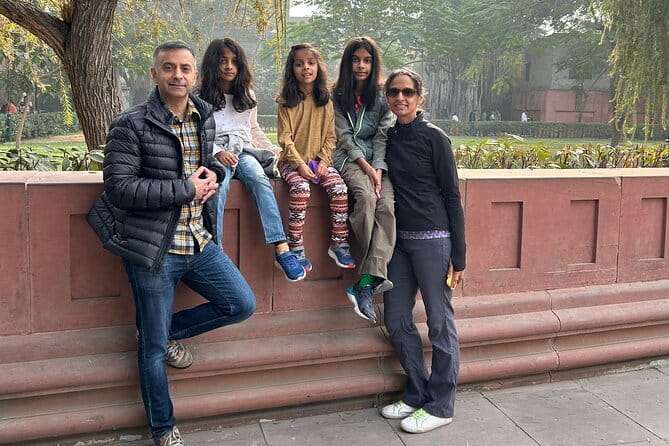
- Golden Temple access that includes Akal Takht and the langar focus for more than just photos.
- Jallianwala Bagh in a guided, respectful way so the weight of the place lands.
- Wagah border ceremony with a full guided stop that lasts about two hours.
- Day 2 village life with cultural food moments that can include woodfire bread from a Punjabi home.
- Photo-smart guidance plus comfort from an air-conditioned vehicle and onboard WiFi.
Golden Temple first: how to get the calm before the crowds
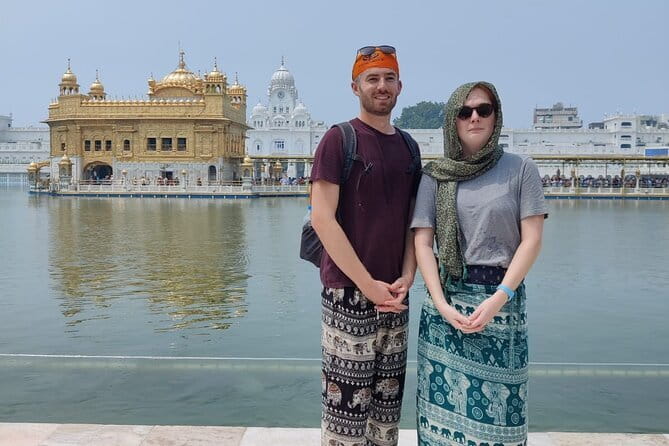
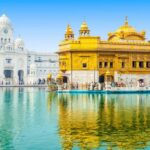
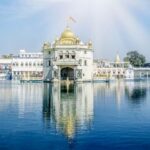
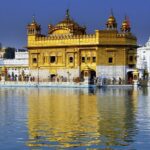
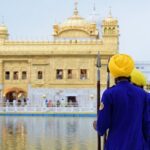
The Golden Temple stop is the anchor of this experience, and it’s scheduled for about 1 hour 30 minutes. The big value for you is not just seeing the building. You also get guided time in the areas tied to worship and service, including Akal Takht and temple-complex highlights like Dukh Bhanjani Ber Tree.
I like that the tour leans into the meaning of the place. The overview specifically calls out the world’s largest community kitchen, and the guided format helps you understand why the langar system matters, not just that it exists. If you’re sensitive to religion and prefer quiet explanations over fast sightseeing, this part is where the tour tends to win people over.
Timing can matter a lot here. Some departures are described as starting the Golden Temple early in the morning, which usually means a calmer rhythm for walking and listening. And if your day runs into evening activities, you might even catch ceremonial moments at night, such as the Palki Sahib ceremony, depending on timing.
You can also read our reviews of more tours and experiences in Amritsar.


Jallianwala Bagh: a short stop, heavy impact
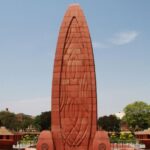
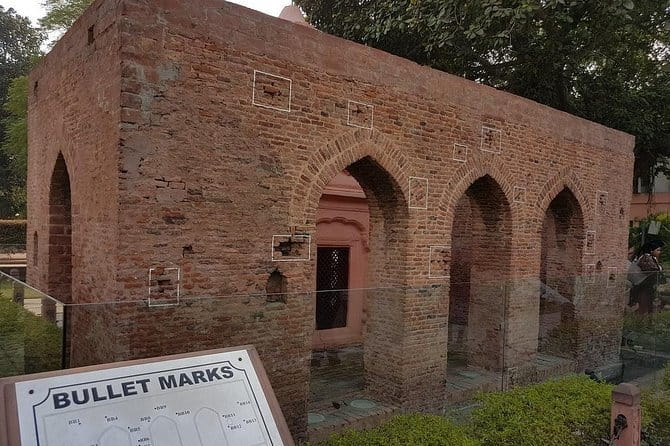
Jallianwala Bagh is only about 30 minutes on the schedule, but it’s not a throwaway stop. The point here is guided context at a site tied to India’s struggle for independence, so you don’t just pass through. You’ll hear the story behind what happened there and why the memorial matters today.
The “short and guided” format works well if you keep your expectations realistic. You won’t be there for hours writing in a notebook, but you will get enough explanation to understand the significance before you move on. This is a place where pacing is respectful, not rushed.
Admission is listed as free, which helps keep the day simple. The real cost is emotional, not money.
Partition Museum: where the memories get personal
The Partition Museum is scheduled for about 1 hour, and it’s the kind of stop that can feel intense. Admission for this museum is listed as not included, so it’s the main add-on you should plan for on Day 1.
This is where you start connecting history to real artifacts—things like personal belongings and photo material—so the Partition story becomes less abstract. A guide-led visit tends to help you focus on what you’re looking at without getting lost in too many panels at once.
If you’re traveling with kids or seniors, it helps to go in with a flexible mindset. Even when the museum is only an hour, you might find parts emotionally heavy. The good news is that the rest of the day balances it with a powerful but different kind of experience at Wagah.
Wagah border ceremony: two hours of border theater
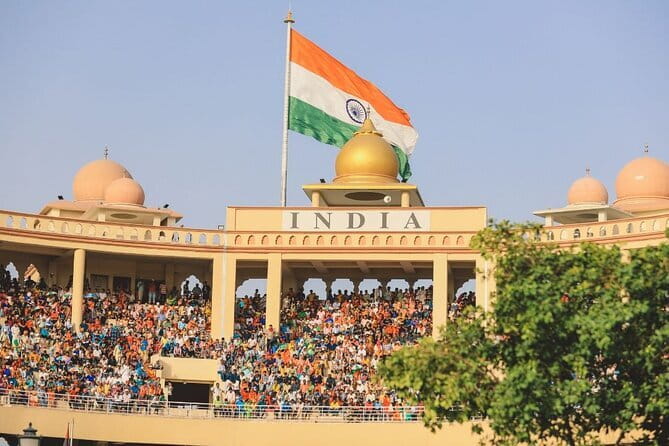
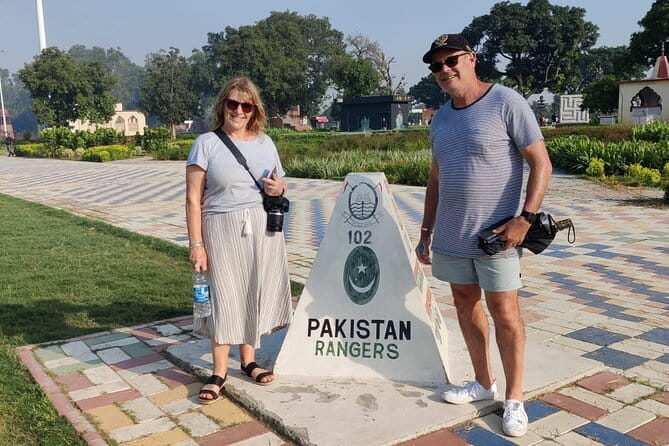
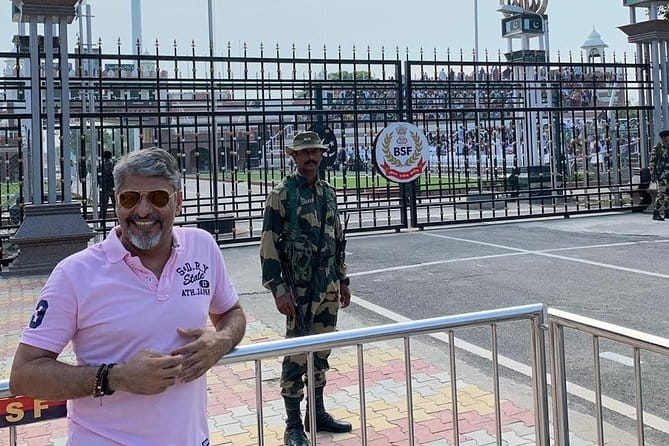
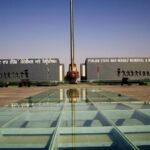
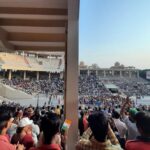
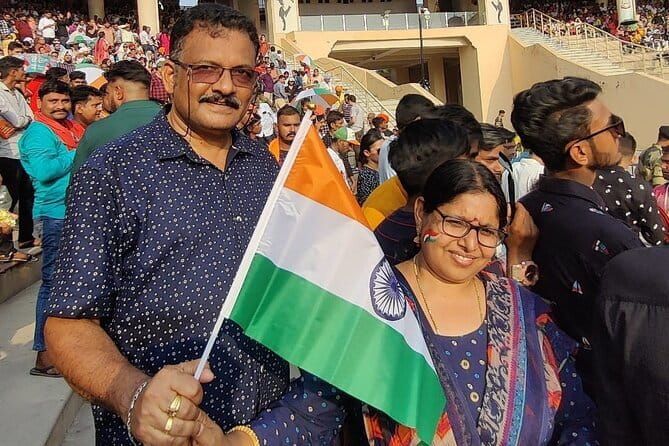
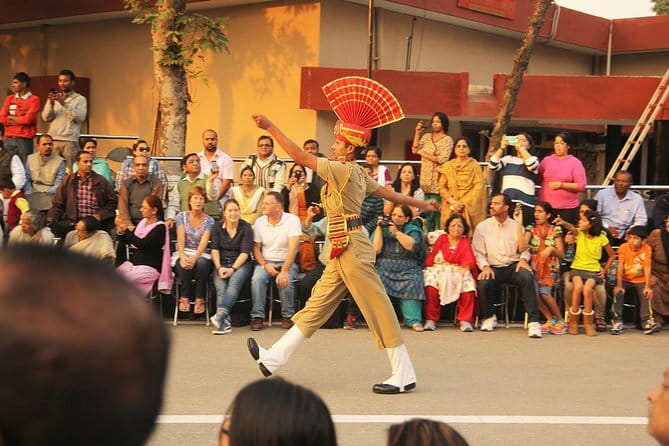
Next up is Wagah Border, on the India–Pakistan border, with a stop of about 2 hours. The ceremony here is described as the daily flag-lowering event, and that description is accurate to what you’ll feel on the ground: intense, loud, and very choreographed.
The practical value of having this on a guided schedule is timing and logistics. You don’t have to figure out how to link the morning temples, the memory-heavy museum time, and then the border ceremony into one day.
One important consideration: the tour does not endorse or sell VIP seats. So you should expect the regular viewing setup, even if the experience still feels like a big event. If you’re the type who wants reserved premium seating for maximum comfort, you may need to plan that separately.
Day 2: Amritsar village tour for real Punjab day-to-day life
Day 2 starts with an Amritsar Village Tour that runs about 4 hours. The main idea is simple: you get a taste of rural Punjab and local traditions, not just another monument. Because this portion is listed as free admission, you’re mainly paying for time, transport, and guidance.
This is often the most fun part of the second day because it breaks the pattern. Reviews tied to this experience highlight cultural moments like cooking breads on a woodfire in a Punjabi home, and there’s even mention of a tractor ride experience. Those details may vary with the exact village program on your date, but the overall theme—hands-on, everyday culture—is built into the tour concept.
For families, this kind of stop can be a relief. You’ll switch from museums and memorials to living culture, and that change can make the whole two days feel balanced instead of exhausting.


Ram Tirath Temple: myth and quiet time on the outskirts
Ram Tirath Temple is scheduled for about 1 hour, with admission listed as free. The tour frames it as the revered birthplace of Luv and Kush, which gives you a myth-and-devotion angle rather than a purely architectural one.
This stop tends to work because it’s lighter than the Partition content. You get guided context, then time to see the place and absorb the atmosphere at a slower pace than a typical city-sprint.
If you like spiritual sites that are not only about crowds, this is likely to be one of the calmer segments of the trip.
Gobindgarh Fort: Maharaja Ranjit Singh and a fort built for stories
Gobindgarh Fort is about 1 hour and has admission listed as not included. The fort is described as dating back to the 18th century and built by Maharaja Ranjit Singh, the Lion of Punjab. That gives you an easy thread to follow as the guide explains what you’re looking at.
This is also where you may notice the tour’s “listen-and-look” approach. One of the things highlighted in feedback about this experience is how guides connect the sites to big-picture meaning, and Gobindgarh Fort fits that style well.
There’s also mention of Ranjit Singh Panorama, which suggests the fort visit can include specific interpretive areas tied to his legacy. If your timing includes that space, it’s a smart place to pause and slow down before you wrap the tour.
Price and value: what $59 covers (and what it doesn’t)
The price is $59 per person for about 2 days. What I like here is that the included items are practical, not just “we’ll take you to places.”
Included basics:
- Breakfast and lunch
- Private transportation and air-conditioned vehicle
- Bottled water and WiFi on board
- Professional English-speaking guide
- Entry fees for a long list of key sites, including Golden Temple, Akal Takht, Dukh Bhanjani Ber Tree, Jallianwala Bagh, and Wagah Border
- All fees and taxes (as listed)
Where you might pay extra:
- Partition Museum admission is not included
- Gobindgarh Fort admission is not included
- Tips/gratuity are not included
- The tour specifically says it does not provide or sell VIP seats
In plain terms, you’re paying for a guided route plus a lot of saved time on entry management. The only predictable “surprise” costs are those two not-included admissions. If you add those in at booking time (or plan for them on Day 1 or Day 2), the value story becomes much clearer.
Comfort and logistics that matter in real life
This is set up as a private tour/activity, meaning only your group participates. That usually makes a difference with pace, questions, and photo stops, since you’re not fighting for attention in a huge crowd.
You’re also offered pickup, which is a huge deal on a short, two-day itinerary. Add bottled water and air-conditioned transport, and the day feels designed for reducing stress rather than maximizing chaos.
You’ll also get a mobile ticket, which helps if you like not having to manage paper confirmations. The tour is listed as near public transportation, which can be comforting if you’re coordinating your own add-ons around it.
One small note: the tour is described as suitable for most travelers, but it’s still a city-and-sight itinerary. Build in breaks for rest, especially if you’re doing this across two intense days that include memorial content.
Who should book this tour, and who should pass
This tour is a great fit if you want a tight pairing of sacred, historical, and geopolitical experiences in one package. The Golden Temple + langar focus plus Jallianwala Bagh and the Partition Museum gives you context. Then Wagah brings the day back to spectacle and ceremony.
It’s also a strong option if you value guidance that helps with interpretation. Feedback mentions guides by name—Rishi for photography spotting and strong explanations, and Aman for smooth, organized execution—so the “guided” part isn’t just marketing language.
I’d be more cautious if you dislike emotionally heavy history. Jallianwala Bagh and the Partition Museum aren’t light stops, and the schedule doesn’t pretend they are.
Should you book this Grand Amritsar + Wagah tour?
If you want an efficient, guided two-day Amritsar plan that hits the major emotional landmarks and then balances it with cultural Punjab life, I’d say yes. The biggest reason is value: the price includes transport, meals, and entry to many key sites, so you spend less time budgeting and more time understanding.
Just go in knowing about the two not-included admissions—Partition Museum and Gobindgarh Fort—and the fact that VIP seating isn’t part of the deal. If that’s fine with you, this is the kind of itinerary that tends to leave people with a clear mental map of Amritsar, not just a folder of photos.
FAQ
What is the duration of the tour?
It runs for about 2 days (approx.), with Day 1 focused on major historical and spiritual stops and Day 2 focused on village and additional temples/fort time.
What does the $59 per person price include?
It includes lunch and breakfast, private transportation in an air-conditioned vehicle, bottled water, WiFi on board, a professional English-speaking guide, and entry/admission to listed sites such as Golden Temple areas, Jallianwala Bagh, and Wagah Border.
Are there any admissions not included?
Yes. Partition Museum and Gobindgarh Fort are listed as not included, so you’ll likely need to pay their tickets separately.
Is pickup offered?
Yes, pickup is offered as part of the tour.
Is this a private tour?
Yes. Only your group participates.
Does the tour include VIP seating at Wagah?
No. The tour does not endorse or sell VIP seats.
What is the cancellation policy?
You can cancel up to 24 hours in advance for a full refund.