REVIEW · AMRITSAR
Full day Amritsar city tour with Wagah border ceremony
Book on Viator →Operated by Travel India With Peace · Bookable on Viator
Amritsar hits you in the soul fast. This full-day private tour strings together the big emotional sights in the city—Golden Temple first, then Jallianwala Bagh—before you cross 35 km out to the Wagah border ceremony.
I like two things most: you get a personal guide who helps you notice details you’d probably miss on your own, and the plan includes entrance tickets plus smooth air-conditioned transport for most stops. One thing to keep in mind: Partition Museum admission isn’t included, and it’s closed on Mondays.
You also get small comforts that matter for a long day: bottled water, Wi‑Fi on board, and the guide shares photos afterward. With pickup included, it’s an easier way to do a lot of ground without constantly sorting out directions and timing.
In This Review
- Key Points at a Glance
- Getting to the Spots: Pickup, AC, and a Guide Who Keeps You on Track
- Golden Temple Time: Sri Harmandir Sahib, the Golden Temple Area, Ber Tree, and Akal Takht
- Jallianwala Bagh: A Somber Walk That Grounds the Day
- Partition Museum: The One Extra Ticket You’ll Pay Separately
- Wagah Border Ceremony: How to Enjoy the 3 Hours Without Stress
- Price, Comfort, and Best Fit for Your Group
- Should You Book This Amritsar Tour With Wagah?
- FAQ
- What is included in the tour price?
- How long is the Amritsar city tour?
- Is pickup from my hotel included?
- Which major sites are part of the tour?
- Is the Partition Museum admission included?
- Is the Partition Museum open every day?
- How far is Wagah Border from Amritsar?
- How close can you see the Indo‑Pak fences at Wagah?
- What if the tour is canceled due to weather?
- Is there a cancellation window?
Key Points at a Glance
- Private guide, strong direction so you know where to go inside each major site
- Tickets included for key stops like Golden Temple and Jallianwala Bagh (not the Partition Museum)
- AC vehicle with Wi‑Fi and bottled water to keep the day comfortable
- Golden Temple walk covers more than the main hall, including Akal Takht and the Ber Tree
- Wagah ceremony viewing at a set distance after a 35 km drive
- Partition Museum stop is Monday-sensitive and needs extra admission
Getting to the Spots: Pickup, AC, and a Guide Who Keeps You on Track
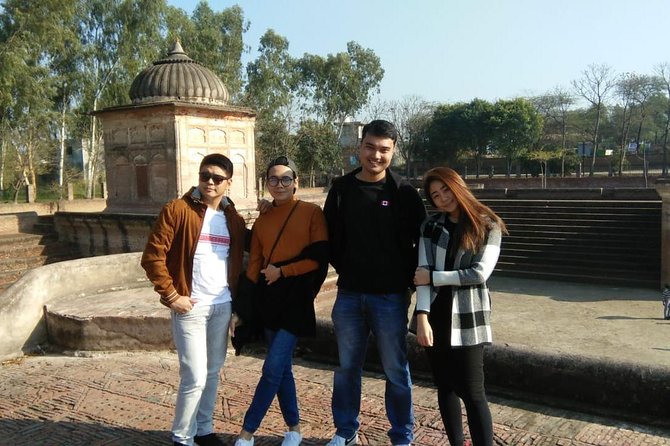
If Amritsar is your first stop in India, or if you simply don’t want a day of logistics, this tour style makes sense. You start with pickup offered and travel by an air-conditioned vehicle, with bottled water included. On top of that, there’s Wi‑Fi on board, which sounds minor until you’re trying to keep your phone powered and your ride stress-free.
The other big value is the guide. Names that show up in the experience are Aman and Ravish, and what matters is the same theme: clear explanations and good communication. A good guide helps you understand what you’re looking at, not just where you’re going—especially at a place like the Golden Temple, where there’s a lot happening at once.
Because it’s described as a private tour, it’s only your group in the car. That makes it easier to move at a pace that fits you, whether you like photos or you want more time listening. The day runs about 8 to 10 hours, so you’re getting a full circuit rather than a quick highlight grab.
You can also read our reviews of more tours and experiences in Amritsar.



Golden Temple Time: Sri Harmandir Sahib, the Golden Temple Area, Ber Tree, and Akal Takht
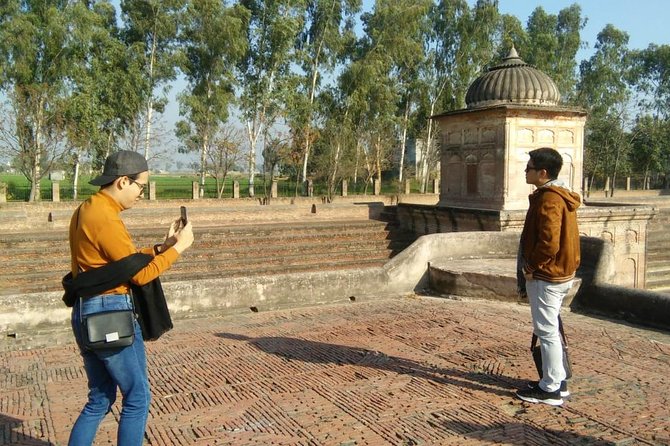
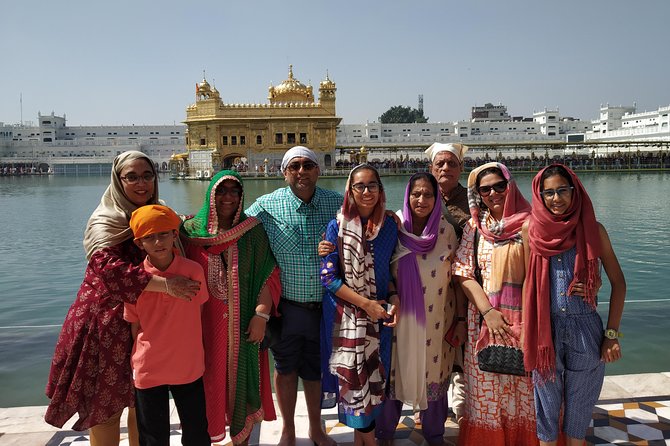
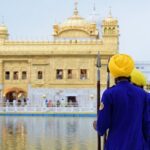
The heart of this day is the Golden Temple, also called Sri Harmandir Sahib. You’re allotted about one hour at the site with an included admission ticket. That time matters. If you only see it from the outside, you miss the real rhythm—people arriving for worship, volunteers moving around for service, and visitors trying to understand what they’re seeing.
You also get a structured walk through the complex. There’s a separate short stop for the Golden Temple area (about 10 minutes), which is basically the moment when you tighten focus: where to look, what the spaces mean, and how the different parts connect.
Here’s what makes the guided approach helpful:
- You learn the significance of Akal Takht, described as the resting place of the holy book, and why that building is important in Sikh tradition.
- You also visit the Dukh Bhanjani Ber Tree and hear the story tied to the tree. Even if you’ve heard of the temple, this kind of side stop is the difference between seeing a famous place and understanding one.
One review thread mentions time around the langar (the community kitchen), and that’s believable because it fits the way most guided temple visits are designed: you’re not only in the main worship area, you may also get access to key parts of the complex where service happens. If you’re curious about everyday Sikh life and how hospitality works, this is the kind of added context that makes the stop feel complete rather than rushed.
A small practical note: wear clothing that feels easy for a longer indoor/outdoor walk. Also plan to keep your mind flexible—this is a living religious site, not a museum exhibit. The guide helps you adapt, like where to walk and what to respect as you move through the grounds.
Jallianwala Bagh: A Somber Walk That Grounds the Day
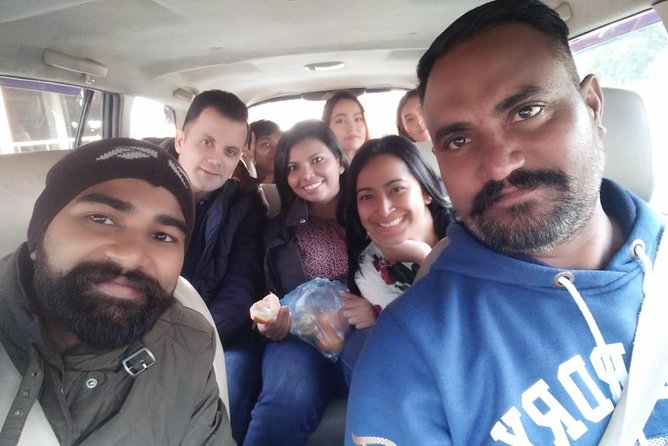
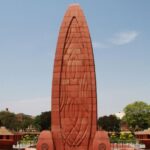
After the Golden Temple, you shift tone quickly. The tour takes you to Jallianwala Bagh, with about 30 minutes at the gardens and memorial. This is one of those stops that’s hard to appreciate fully if you’re rushing, and 30 minutes is enough to slow down and absorb without feeling trapped.
What you get here is guided context around the massacre of Indians under British rule and the memorial tied to the 1919 uprising. The way it’s described—sombre, memorial-focused—signals that the tour is not treating this as a quick photo moment. You’ll likely have time to look around, take in the memorial setting, and connect what you saw at the Golden Temple with the broader story of Amritsar and the region.
I like this sequencing. The morning is about faith and community space; the afternoon turns toward the history that still shapes how people remember the city. If you’ve ever wondered how a place can hold both deep spirituality and deep trauma in the same day, Jallianwala Bagh is where that question stops being theoretical.
Partition Museum: The One Extra Ticket You’ll Pay Separately
Next comes the Partition Museum. This stop is scheduled for about one hour, but there’s an important cost detail: Partition Museum admission isn’t included. That means you’ll need to budget extra on the day.
The museum is described as the first-ever museum worldwide focused on stories and trauma of the millions affected by the bloody consequences of partition. That wording matters because it’s not just dates and borders. The museum is built around human accounts—what families lived through and how violence and displacement reshaped lives.
There’s also a schedule issue you should plan for. The Partition Museum is closed on Mondays. If your trip lands on a Monday, you’ll want to confirm whether your guide can adjust the route or how time is handled around the closure.
If you’re sensitive to heavy topics, this is where you control your pace. The guide can help you decide what to focus on so you get meaning from the visit without feeling overwhelmed.
And one more value point: adding this museum to the day doesn’t feel tacked on. It bridges the religious and historical stops in the city with the political rupture that created modern South Asia. Even if you already read about partition before arriving, this is the kind of stop that makes the story hit differently.
Wagah Border Ceremony: How to Enjoy the 3 Hours Without Stress
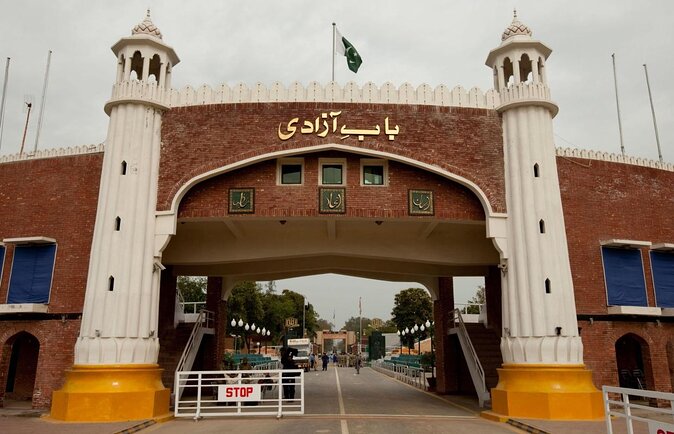
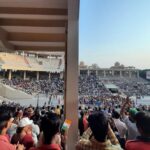
Then the day goes outward—35 km from the city—to Wagah Border. You’re given about three hours for this portion, which is a realistic time window because you’re not only watching; you’re arriving, getting oriented, and settling in for the ceremony itself.
The plan also includes visiting the last village on the Indian border where you can safely witness the fences of Indo‑Pak from roughly 250 meters. That distance is a helpful detail because it sets expectations. You’re not standing right at the fence line, but it’s close enough for the ceremony’s intensity to be clear.
This part of the day also comes with a weather reminder. The experience notes that it requires good weather. If weather is bad, the tour may be canceled and you’ll be offered a different date or a full refund. Since the Wagah ceremony happens outdoors, it’s smart to pack for the conditions you expect.
How to make the most of your time there:
- Keep your phone ready but don’t forget to look with your eyes first.
- Don’t underestimate how loud and energetic the crowd can feel.
- If you’re traveling with anyone who gets impatient in long waiting periods, the guide’s structure helps you avoid aimless wandering.
This is the kind of stop that works even for people who don’t usually care about political ceremonies. It’s more than politics on display; it’s about pageantry, crowd rhythm, and the emotional intensity of border ritual.



Price, Comfort, and Best Fit for Your Group
The tour price is $72.00 per person, and it’s designed as a full-day package lasting roughly 8 to 10 hours. On paper, that price can feel like a lot if you compare it to cheap day trips. Here’s the value angle that makes it work:
- Most major entry tickets are included (Golden Temple and Jallianwala Bagh are specifically listed as included).
- You get air-conditioned transport for the day, not just a ride to one spot.
- The guide is part of the ticket—this is important at the Golden Temple and at sites where context changes everything.
- You get comfort extras: bottled water, Wi‑Fi on board, and the guide sharing photos.
In other words, you’re paying for reduced decision fatigue. Instead of buying tickets one by one, figuring out routes, and trying to interpret each site alone, you’re following a planned flow with expert help.
One more note: you can participate if you’re a typical visitor, and the tour is described as private—so it suits couples, families, and friends who want attention and flexibility more than they want to bargain.
If you should pick something else instead: if you already know the history well and you’re comfortable making your own plan, you might find a cheaper option. But if you want a day that feels organized from temple worship to a border ceremony, this format is a strong match.
Should You Book This Amritsar Tour With Wagah?
If you want a structured, comfortable full-day that covers the essentials—Golden Temple, Jallianwala Bagh, Partition Museum context, and Wagah—this is a solid choice. The included tickets and transport reduce friction, and the guide-led stops (Akal Takht and the Ber Tree especially) help you get more meaning from less time.
I’d book it if:
- you want history plus faith in one day
- you prefer a guide who explains details
- you don’t want to manage transport between distant stops
I’d double-check before booking if:
- your day in Amritsar falls on a Monday (Partition Museum is closed)
- you strongly prefer fully included pricing with no extra museum admission
If those fit, you’ll end the day with a rare mix: a spiritual morning, a heavy historical reality check, and a memorable border ceremony night.
FAQ
What is included in the tour price?
The tour includes bottled water, an air-conditioned vehicle, Wi‑Fi on board, sharing of photos by the guide, and private transportation. Entry tickets and transportation are included except Partition Museum admission.
How long is the Amritsar city tour?
It runs about 8 to 10 hours.
Is pickup from my hotel included?
Pickup is offered.
Which major sites are part of the tour?
You visit Golden Temple, Jallianwala Bagh, Dukh Bhanjani Ber Tree, Akal Takht, the Partition Museum, and Wagah Border. You also get views while driving, including Khalsa College.
Is the Partition Museum admission included?
No. Partition Museum admission is not included.
Is the Partition Museum open every day?
No. The Partition Museum is closed on Mondays.
How far is Wagah Border from Amritsar?
The drive to Wagah Border is about 35 km from the city.
How close can you see the Indo‑Pak fences at Wagah?
You can safely witness the fences from about 250 meters.
What if the tour is canceled due to weather?
The experience notes it requires good weather. If it’s canceled due to poor weather, you’ll be offered a different date or a full refund.
Is there a cancellation window?
Yes. You can cancel up to 24 hours in advance for a full refund. Cancellation less than 24 hours before the start time isn’t refunded.