REVIEW · LEH
8 Days Markha Valley Trek: Shared Tour with Meals Included
Book on Viator →Operated by Travel With Susmita · Bookable on Viator
Markha Valley rewards steady steps and good planning. This shared 8-day trek out of Leh mixes guided hiking with Buddhist sights before you hit the high passes, so you get both the mountain work and the Ladakh feel. I like that you’re not left to guess the altitude rhythm or logistics, since the trip is built around an experienced trekking guide and support during the trek.
Two things I especially like: meals are built into the schedule (so you can keep walking without meal-planning stress), and there’s a practical support system that carries camping gear plus one bag per person. One catch to budget for up front: monastery and monument entry fees are extra, and your flights plus travel insurance are also not included.
In This Review
- Quick hits for planning your Markha Valley trek
- 8 days in Ladakh: what this Markha Valley trek really delivers
- Price and value: what $1,298.86 covers and what costs extra
- Leh warm-up: airport pickup, Thiksey, Stakna, Leh Palace, Shanti Stupa, and the market
- Day 3 to Chilling: the Zanskar River drive that helps you settle in
- Sara to Markha Village: a shorter first day with pack horses
- Markha to Thachungtse: 15 km, river walking, and real endurance work
- Nimaling campground (4900 m): the ascent that changes your breathing
- Kongmaru La pass (5260 m) and Hemis Monastery: the top day plus a cultural payoff
- Finish in Leh: a calm morning after the passes
- Meals, gear support, and safety: the stuff you’ll feel on every day
- Who should book this Markha Valley trek, and who should pause
- Should you book this 8-day shared Markha Valley trek?
- FAQ
- What is the starting meeting point for this trek?
- Are meals included during the Markha Valley trek?
- Does the price include trekking permits and environmental fees?
- What extra costs should I expect besides the trek price?
- Is airport pickup and drop-off included?
- What fitness level do I need, and is there an age limit?
- How many people are in the group?
- Can I cancel and get a refund?
Quick hits for planning your Markha Valley trek
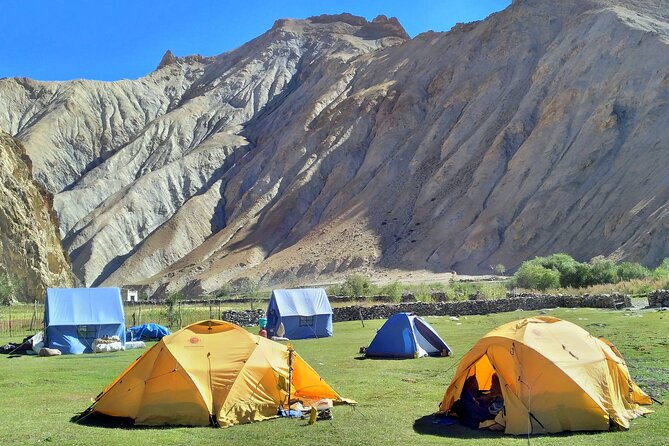
- Small shared group (max 10) keeps the pace human and the planning tight
- Meals included on 7 breakfasts, 6 lunches, and 7 dinners during the trek days
- Permits and environmental fees handled so you can focus on the trail
- Emergency oxygen cylinder and first-aid kit with the guide for peace of mind at altitude
- Gear support carries camping gear and one bag, so you can hike with a manageable load
- Signature high days include Nimaling (4900 m) and Kongmaru La (5260 m)
8 days in Ladakh: what this Markha Valley trek really delivers
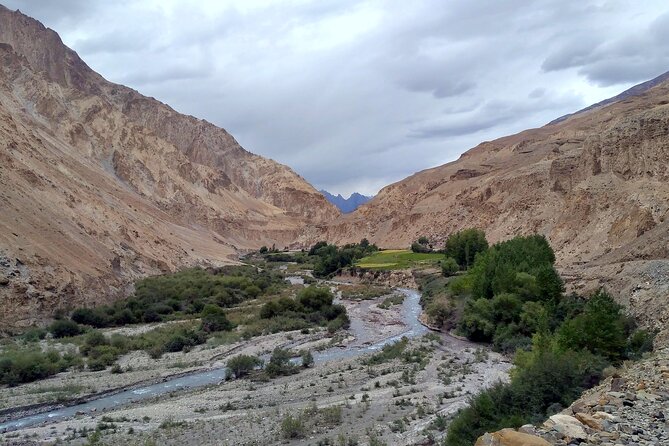
The Markha Valley trek is one of those routes where the payoff isn’t just the views. It’s the way the day-to-day feels: villages, river valleys, and big mountain days that ask for effort but reward you fast. This trip leans into that rhythm with a guided flow that starts with Leh and monasteries, then gradually ramps up to the passes.
Because it’s a shared tour, you’ll hike in a small group (up to 10). That matters. In a trek like this, being able to match your pace to others and still keep moving helps you manage breath, temperature, and energy. I also appreciate that it’s built for people with moderate fitness, not just seasoned mountaineers.
The practical side is handled too. You get airport pickup and drop plus car/minivan transportation for sightseeing in Leh. Once you’re on trekking days, the guide and support team handle key logistics like permits and environmental requirements, and they’re traveling with an emergency oxygen cylinder and first-aid kit.
You can also read our reviews of more tours and experiences in Leh.
Price and value: what $1,298.86 covers and what costs extra
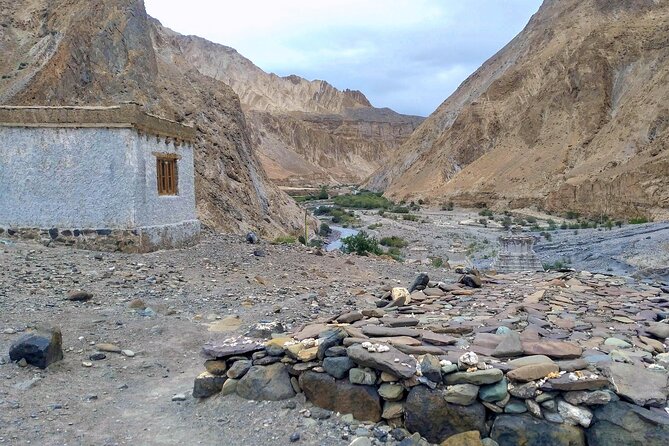
At $1,298.86 per person, this isn’t a cheap add-on. But it can be good value when you break down what’s included. The price includes GST, your professional guide, permits (including environmental fees), and the practical support that carries camping gear plus one bag per client. It also covers parking fees and a full set of meals: 7 breakfasts, 6 lunches, and 7 dinners.
So what’s not included? Flights to and from Leh are excluded, and travel insurance is essential but not part of the package. You’ll also likely pay extra for monastery and monument entries (the total noted for these extras is about $20 per person). And there are small comfort items you shouldn’t assume are provided, like onboard WiFi and an onboard restroom.
A smart way to think about the price: you’re paying for the whole chain—guide, permits, food, and safety support—so you don’t spend your time juggling logistics in remote areas.
Leh warm-up: airport pickup, Thiksey, Stakna, Leh Palace, Shanti Stupa, and the market
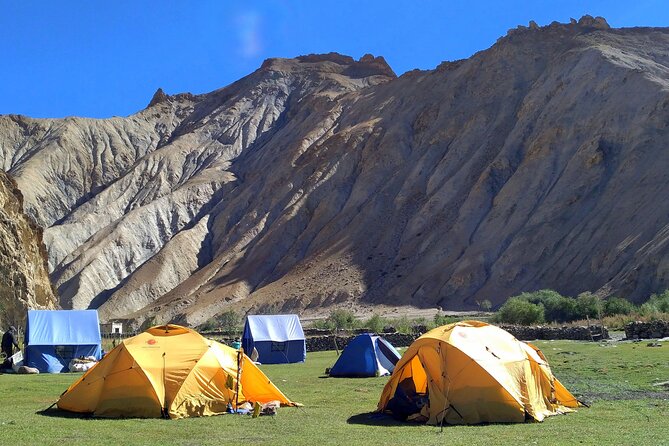
Your trek doesn’t start on day one with a long climb. It starts with getting into Leh mode. After you land at Kushok Bakula Rimpochee Airport, the trip includes airport pickup, which is the difference between relaxed arrival and a stressful first hour at altitude.
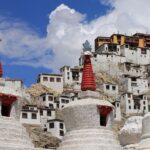
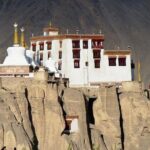
On the first evening, you visit Thiksey. It’s a calm way to get your eyes used to Ladakh’s monasteries and hilltop views. You’ll meet your trekking guide at your hotel and get a briefing about what’s coming next, which is a big deal for planning your pace and packing habits.
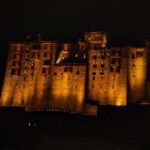
Day two keeps that orientation going. You’ll visit Stakna Monastery on a hilltop near Leh, then see Leh Palace—a 17th-century royal palace with a distinctive nine-story structure (this one has admission not included). After that, you’ll take in Shanti Stupa, the white-domed stupa built in 1991 by Japanese Buddhists that holds relics of Buddha. Finally, there’s Leh Market, a practical stop if you want to top up on basics like snacks.
One caution: several of these sights list admission as not included. That’s normal for the region, but it’s still money to plan for.
Day 3 to Chilling: the Zanskar River drive that helps you settle in
Day three is a reset. After an early breakfast, you take about a 2.5-hour drive along the Zanskar River to reach Chilling Village. That drive does two useful things for you: it breaks up the travel day after arrival, and it gives your body time to adapt before the hiking intensifies.
This is also where the trip’s guided structure shows up. You’re not figuring out transport schedules on your own, and you’re arriving at the next base area with a plan already in motion. You’ll likely use the time to stretch, hydrate, and get mentally ready for the first real trek day.
Sara to Markha Village: a shorter first day with pack horses
On day four, the trekking work starts in earnest. You trek from Sara toward Markha Village, and the day is paced to ease you in—about a 4-hour trek segment in the provided schedule. Even in a shorter day, Ladakh teaches you quickly: altitude changes how hard steps feel.
A standout detail here is the traditional sight of pack horses being loaded with trekking gear. It’s a practical reminder that this route runs on more than people’s legs. The horses, the villagers, and the guide team all play a role in moving supplies across a tough environment.
What you’ll get from this day is more than distance. You’ll start to see how villages link the valley together, and you’ll arrive in Markha with the sense that the trek is truly about community life as much as mountain scenery.
Markha to Thachungtse: 15 km, river walking, and real endurance work
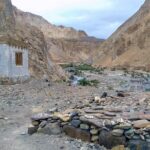
Day five stretches out to a 15 km hike, around 7 hours on the schedule. You’ll be walking by the river for part of the route, which often helps with morale: you get a natural line to follow and a sense that the valley has a pull through it.
This is the day that tests your stamina more than your technical skills. If you’ve been walking daily without trouble, you’ll likely enjoy this one. If you’re newer to trekking, this is the day where good pacing matters most—slow enough to keep breathing steady, quick enough to keep your body warm.
I also like that this leg is clearly framed as a challenge. When a trek tells you it’s pushing endurance, you can take it seriously and adjust water intake, snack rhythm, and layer changes.
Nimaling campground (4900 m): the ascent that changes your breathing
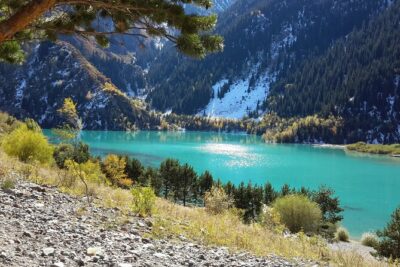
Day six heads up to Nimaling campground, with an ascent to 4900 meters. The schedule lists about 10 km and 4–5 hours of trekking.
At this height, the climb is less about speed and more about control—shorter steps, steady breathing, and frequent checks for fatigue. If you’ve ever been surprised by altitude, this is where you’ll feel it again. The fact that the trek includes an emergency oxygen cylinder with the guide helps you understand the mindset of this trip: safety is part of the plan, not an afterthought.
Also, this day is long enough that you’ll care about small things: staying hydrated, keeping your gloves usable, and eating enough calories to avoid that flat, drained feeling that shows up when you under-snack.
Kongmaru La pass (5260 m) and Hemis Monastery: the top day plus a cultural payoff
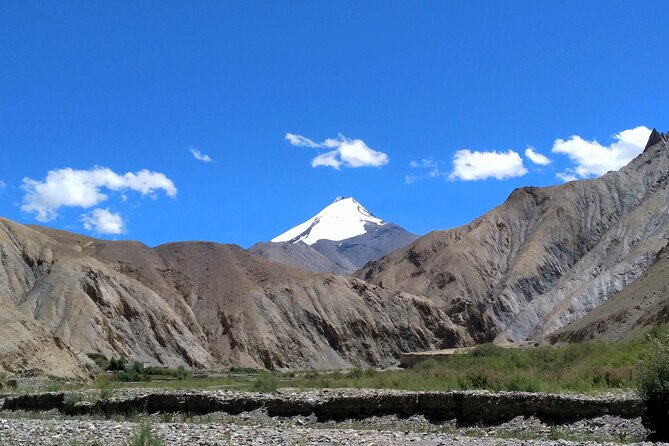
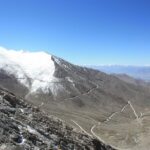
Day seven is the big one: a climb to Kongmaru La Pass, listed as the highest pass of the trek at 5260 meters, around 7 hours. This is a day that demands respect. Your legs may feel fine at the start, but altitude has its own rules, and the pass experience is where those rules show up.
After the climb, you’ll also have a visit to Hemis Monastery (about 3 hours). Hemis is famous in Ladakh, known as the largest monastery in the region and associated with the annual Hemis Festival, which includes masked dances. Even if you’re not there during the festival itself, the monastery visit adds context to what you’ve seen across the earlier Leh stops.
One more money note: Hemis admission is listed as not included, so plan for extra entry fees.
Finish in Leh: a calm morning after the passes
Day eight is all about transition. After breakfast, you’ll have time back in Leh to gather your thoughts, pack up, and take a final stroll through town. This matters more than people think. After high days, you want time to decompress before you head out.
Since your trekking portion ends and you’re back in Leh, it’s also when it’s easiest to sort your final purchases—snacks, small gifts, and anything you realized you forgot while hiking.
Meals, gear support, and safety: the stuff you’ll feel on every day
This is a trek where meals and gear support are not “nice extras.” They affect your day-to-day comfort. Your package includes lunches (6), breakfasts (7), and dinners (7), which means you’re not hunting for food at awkward times. When you’re walking at altitude, steady calories help your body function better.
On the gear side, you get a support system that carries camping gear and one bag per client. That is the practical difference between a hike that feels manageable and a hike that feels like you’re carrying your whole life. You still need to bring your own personal hiking and camping gear (that’s explicitly recommended), but you should pack smarter knowing you won’t be hauling the same load as the team.
Safety is addressed in a concrete way. The guide travels with an emergency oxygen cylinder and a first aid kit. That’s a small line in the details, but it’s a big psychological comfort when you’re climbing near high passes.
Also keep your own health needs in mind. You’re told to bring necessary medications and personal toiletries yourself. And the trip suggests carrying personal favorites like snacks or chocolates, plus non-alcoholic beverages for the trekking days. That’s good advice for real-world energy needs.
Who should book this Markha Valley trek, and who should pause
This tour suits you if you want:
- A structured guide-led plan with acclimatization experience
- Small-group hiking (max 10)
- Meals included so you don’t waste time and energy on food logistics
- A trek that includes both classic Ladakh monasteries and high pass days
You might pause if you’re looking for everything to be fully inclusive down to flights, insurance, and monument entries. The package covers a lot, but not those key add-ons. You’ll also want to confirm you’re comfortable with a trek that doesn’t promise onboard WiFi and doesn’t include an onboard restroom.
A quick note from real wording used in past experiences: people have credited this kind of planning as feeling well organized once you arrive in Ladakh, with Susmita tied to the organization name. The big takeaway for you: you should expect someone to have your chain of events handled, not just a guide waving you forward.
Should you book this 8-day shared Markha Valley trek?
I’d book this if you want a smooth, guided route that handles permits, meals, and safety support, and you’re ready for real altitude work on Nimaling and Kongmaru La. The value looks strongest when you’d otherwise spend time and money coordinating guides, permits, and daily food yourself.
I wouldn’t book it blindly if you haven’t budgeted for the extras—especially monastery/monument entry fees and your own flights and travel insurance. Also, check that your schedule matches the trek’s operating window shown for the tour meeting times (listed as 05/01/2026 through 10/31/2026).
If you want a well-run Markha Valley trek with support behind the scenes, this is the kind of itinerary that makes the mountains the main event instead of the paperwork.
FAQ
What is the starting meeting point for this trek?
The tour starts at Leh Airport in Leh, India, with pickup included.
Are meals included during the Markha Valley trek?
Yes. The package includes 7 breakfasts, 6 lunches, and 7 dinners.
Does the price include trekking permits and environmental fees?
Yes. The tour includes all required trekking and other permits, including environmental fees.
What extra costs should I expect besides the trek price?
Monastery and monument entry fees are not included, listed as approximately $20 per person. Flights to and from Leh, travel insurance, and some other items like WiFi on board are also not included.
Is airport pickup and drop-off included?
Yes. The package includes airport pickup & drop and transportation for sightseeing via car/minivan.
What fitness level do I need, and is there an age limit?
The tour is recommended for a moderate physical fitness level and the minimum age to participate is 18 years old.
How many people are in the group?
The maximum group size is 10 travelers.
Can I cancel and get a refund?
Yes. You can cancel up to 6 days in advance for a full refund, and there are partial refunds available if you cancel 2–6 days before the start time. No refund is available if you cancel less than 2 days before the start time. If the experience is canceled due to poor weather, you’ll be offered a different date or a full refund.