REVIEW · LEH
Leh Ladakh Old Town Heritage Walk
Book on Viator →Operated by Ladakh Backpackers · Bookable on Viator
Leh old town is a maze for most people. This heritage walk turns the narrow lanes into a story you can actually follow, with stops like the Central Asian Museum and LAMO, plus an ending at Leh Palace. I especially like how the tour stays practical for a short visit, and how it’s built for people who want culture without getting lost. One thing to consider: entry fees, monument fees, and lunch cost extra, so your total spend may be higher than the base price.
The best part is the guidance. When you have a guide who can connect buildings, street names, and landmarks to Ladakh’s past, the walk feels focused instead of random wandering. In the reviews, guides like Fida (described as a walking encyclopaedia with a PhD in historical anthropology) and Norboo (praised for packed-in historical details) are repeatedly singled out for making the information click.
The only real drawback I see for some people is the walking. It’s a 3-hour walk, so you’ll want comfortable shoes and a willingness to move through old, tight streets. And since it requires good weather, you should plan for possible date changes if conditions are poor.
In This Review
- Key things that make this heritage walk worth your time
- Why a Leh Old Town Heritage Walk Makes Sense on Foot
- Meeting at Jamia Masjid and Getting Oriented Fast
- Chutey Rantag and Baker’s Street: The Streets That Set the Scene
- Central Asian Museum Stop: Culture in One Managed Pause
- Leh Gate and the Old Town Lanes: Seeing Transitions Up Close
- LAMO (Ladakh Arts and Media Organisation): Where Heritage Meets Present-Day Culture
- Leh Palace Finish: Valley Views and the Big-Picture Payoff
- Guides Like Fida and Norboo: The Real Reason This Tour Feels Special
- Price and What You’re Actually Paying For
- When This Heritage Walk Fits You Best
- Should You Book the Leh Ladakh Old Town Heritage Walk?
- FAQ
- How long is the Leh Ladakh Old Town Heritage Walk?
- What is included in the price?
- What is not included?
- Where does the tour start and finish?
- Is it a walking tour?
- What times does the activity run?
- What happens if the weather is poor?
- Can I cancel for free?
Key things that make this heritage walk worth your time
- Built for “don’t get lost” old-town lanes, with a guide keeping you oriented
- Central Asian Museum, Leh Gate, Old Town, and LAMO in one flowing loop
- Leh Palace as the finish line, including sweeping valley views
- Private and customizable, so your guide can steer the pace and emphasis
- Strong guide reputation (Fida and Norboo come up for expert storytelling)
- A short 3-hour format that fits neatly into a day in Leh
Why a Leh Old Town Heritage Walk Makes Sense on Foot
Leh’s Old Town isn’t laid out for a casual stroll where you can just pick a street and hope for the best. The lanes are narrow, and without context you can feel like you’re moving in circles. This walk solves that by staying in the historic core and moving you from one meaningful landmark to the next, so you get structure instead of stress.
You also get value from the time format. The tour runs about 3 hours, which is long enough to visit key stops and still short enough to keep the rest of your day flexible. That matters in Leh, where plans can change quickly based on weather and energy levels. If you’re traveling lightly, this is also the kind of activity that works well because it doesn’t require long drives or complicated logistics.
You can also read our reviews of more tours and experiences in Leh.



Meeting at Jamia Masjid and Getting Oriented Fast
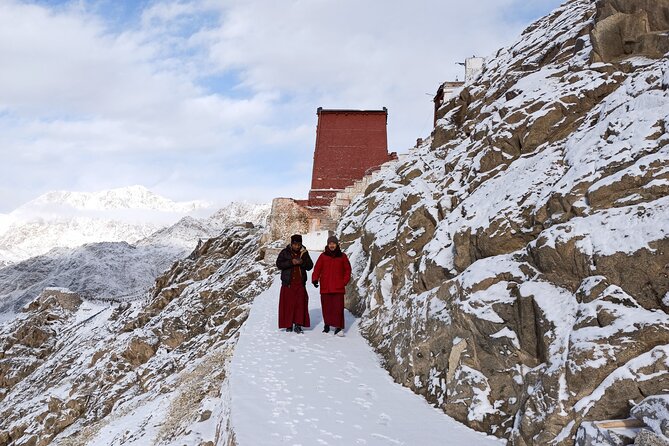
You start at the Jamia Masjid area, specifically at the 2nd Floor of the MEGON complex on Main Bazaar Road in Leh. It’s a good launch point because it’s connected to the town’s daily rhythm, not out in the middle of nowhere. The tour is also listed as near public transportation, which is a plus if you’re juggling multiple stops during your trip.
Time-wise, the activity operates within 10:00 AM to 4:00 PM (Monday through Sunday). That means you can usually match it to your morning or early afternoon schedule. And since the tour ends back near the meeting point, you’re not left trying to figure out transit after you’ve walked for hours.
Practical tip: plan to arrive a few minutes early. With meet points like this in busy bazaar areas, a short buffer saves you from playing phone-tag while you try to locate the right entrance.
Chutey Rantag and Baker’s Street: The Streets That Set the Scene
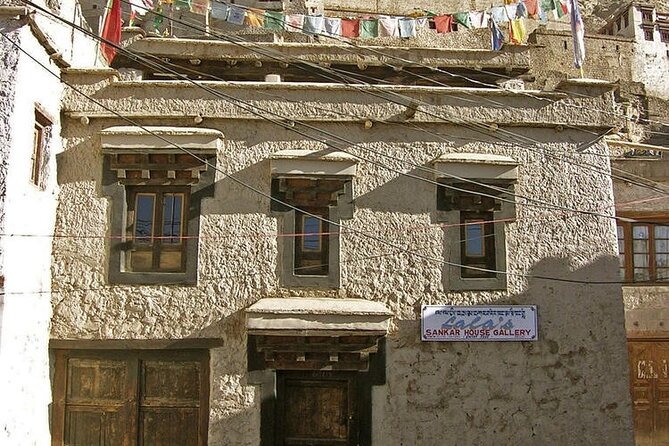
The walk begins from Chutey Rantag and then moves through places like Baker’s Street before reaching the museum and gate stops. Even if you don’t know what these names mean on day one, the tour structure helps you build a mental map quickly. Instead of looking at random buildings, you’re learning why these parts of town matter.
This is where the Old Town setting really pays off. Leh’s old settlement goes back centuries, and the old town area is described as the main settlement below the encircling Leh Palace in ancient times. That concept changes how you see the whole layout. When your guide explains how the palace dominates the region and how daily life connected to it, the street grid feels intentional rather than accidental.
A small consideration: because the streets are historic and compact, the walking can feel a bit tighter than a modern city tour. If you’re hoping for wide pavements and lots of open space, this may not be your ideal style. But if you like being close to how places actually look and feel, you’ll probably enjoy it.
Central Asian Museum Stop: Culture in One Managed Pause
One of the key scheduled stops is the Central Asian Museum. The goal here isn’t just to mark another building on your list—it’s to give you context while you’re already in the right neighborhood. Museums are often best when they’re paired with walking, because you can connect objects and themes to the streets around you.
During this stop, your guide’s job is to connect Ladakh’s story to what you’re seeing. The tour description frames it as part of the guide-led heritage experience, where you’re listening to explanations along the way. If you like learning through conversation, this museum pause can be a strong mid-walk reset that keeps the pace from dragging.
What to watch for: because monument fees are not included, you may need to budget separately if you choose to go into paid areas or exhibits. Even if some portions are free to view, plan ahead so you’re not surprised when the guide points out which parts cost extra.
Leh Gate and the Old Town Lanes: Seeing Transitions Up Close
After the museum, the walk includes Leh Gate and then heads into the Old Town area. Gate stops like this are useful because they show you how entrances and boundaries worked in the past. Instead of thinking of the town as one continuous blur, you start seeing it as zones—places that had purpose, movement, and defense logic.
In practical terms, this segment is where the walking tour earns its keep. The tour is specifically positioned as a way to avoid getting lost in narrow passages. That’s not just marketing language. It reflects what you’ll likely feel if you try to explore the Old Town without local guidance: you’ll notice interesting corners, but you may struggle to connect them into one coherent story.
If you’re the kind of traveler who likes to understand why things are placed where they are, you’ll probably enjoy the way the guide threads the narrative through the streets. The tour description says the old town streets have been restored extensively over the years and that their lanes echo stories of Ladakh past. That means you’re not just sightseeing surfaces—you’re learning how restoration and layout change what you perceive today.





LAMO (Ladakh Arts and Media Organisation): Where Heritage Meets Present-Day Culture
The walk includes LAMO (Ladakh Arts and Media Organisation). This is a smart choice for travelers who worry that heritage tours can feel stuck in the past. LAMO brings you into the present-day cultural scene, tying traditional place to modern expression.
Even if you’re not a specialist in arts or media, the benefit is usually simple: you’ll hear a guide explain how culture continues, not just how it survived. That turns the walk from a timeline exercise into a living picture of Ladakh.
Keep in mind that entry fees and monument fees are not included, which could apply to certain facilities or areas at or near LAMO. If you want to spend extra time there, ask your guide early in the walk so you can pace your visit and avoid running behind the tour flow.
Leh Palace Finish: Valley Views and the Big-Picture Payoff
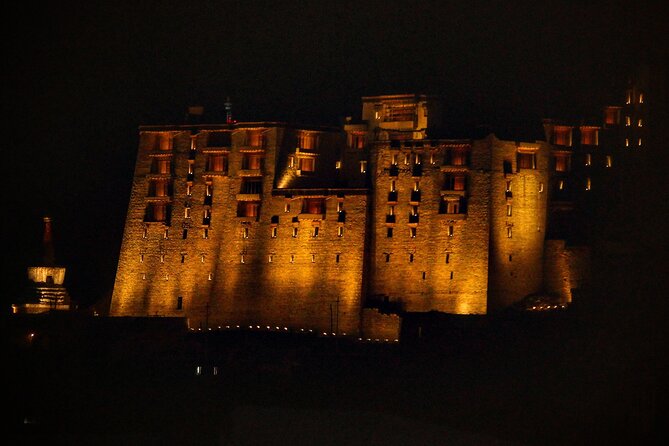
The tour ends with a full visit to Leh Palace, described as a centuries-old destination with sweeping views over the valley. This is a strong finishing choice because it lets you look outward after you’ve spent the earlier part of the tour looking inward—at streets, gates, and cultural stops.
The story connection is also clear. Since the old town is described as the main settlement below the encircling Leh Palace, ending at the palace gives you the vertical perspective the earlier segments were hinting at. Even if you’re not into architecture, the viewpoint helps you “read” the geography. You can stand there and understand why the town developed where it did.
Practical note: if the weather is bright, this ending can be especially satisfying because views matter. But since the experience requires good weather, plan to follow local guidance if conditions seem unreliable. If the tour gets moved due to poor weather, take the rebooking seriously. In Leh, a cloudy or stormy day can change how much you get out of outdoor viewpoints.
Guides Like Fida and Norboo: The Real Reason This Tour Feels Special
Plenty of tours can list landmarks. The difference here is the people delivering the story. Reviews praise guides such as Fida, with special emphasis on his academic background and deep understanding of historical anthropology. Another guide named Norboo gets credit for being packed with details about Ladakh’s history.
What that means for you, day to day, is less guessing and more connection. A strong guide can answer the questions you didn’t even realize you had yet: why a street feels named for something, what a gate implies, and how the cultural stops relate to the larger Ladakh story. It’s not just facts. It’s interpretation.
Also, the tour is described as private and customizable. That’s useful if your interests are specific—architecture, cultural institutions, or just getting the main story without getting overloaded. A customizable walk tends to work better than a fixed script because you can steer your energy. If you’re more curious, you can ask more. If you’re tired, you can keep it lighter and focus on the most meaningful stops.
Price and What You’re Actually Paying For
The listed price is $45.67 per person for an approximately 3-hour walking experience with a cultural tour guide. On paper, that could look like a simple guided stroll. In practice, you’re paying for route intelligence—someone who knows how to connect Chutey Rantag, Baker’s Street, the museum, Leh Gate, Old Town areas, LAMO, and then finish at Leh Palace with a coherent arc.
You should also plan for extras. The tour explicitly notes that monument fees and lunch cost extra, and bottled water is not included. That means your final cost depends on what you choose to pay for on-site and whether you buy lunch separately during or after the walk. If you want a predictable budget, bring a basic plan: snack or lunch timing and some cash or card space for entry charges.
Value-wise, it’s strongest if:
- you want a guided overview of Old Town without spending hours figuring out logistics
- you care about culture and history, but you don’t want a full-day commitment
- you like getting a narrative thread from stop to stop
It’s weaker if:
- you’re only interested in a single landmark and don’t care about the rest
- you hate walking or tight streets
- you want everything fully included with no extra entry costs
When This Heritage Walk Fits You Best
This experience is a good match if you’re a mobile traveler who wants to use a short window in Leh well. It’s designed as a walking tour, and most people can participate, especially if you’re comfortable moving through old streets for a few hours.
It also fits well if you prefer a guided approach to cultural learning. The tour is clearly built around listening to stories and understanding the “why” behind what you see. If you’d rather take selfies and skip context, you might find the guide’s focus unnecessary. But if you like to learn, you’re in the right place.
One more reality check: it requires good weather. If the forecast looks rough, be ready for your date to shift or be refunded depending on how the provider handles weather. This is an outdoor walking-heavy experience, and viewpoint time at Leh Palace matters.
Should You Book the Leh Ladakh Old Town Heritage Walk?
I’d book this if you want a guided way to understand Leh’s Old Town layout and culture in a few hours. The walk is structured, the finish at Leh Palace adds a memorable payoff, and the guide reputation is strong—especially for people like Fida and Norboo who bring historical storytelling to life.
Skip it or reconsider if you’re not comfortable walking, you need fully packaged costs with no extras, or you’re traveling on a day with questionable weather. In Leh, those conditions can make a difference in how much you enjoy the streets and how satisfying the palace viewpoint feels.
If your plan includes Leh Palace anyway, this walk is a practical way to reach it with context instead of just arriving and looking around.
FAQ
How long is the Leh Ladakh Old Town Heritage Walk?
The tour lasts about 3 hours.
What is included in the price?
The price includes a cultural tour guide.
What is not included?
Monument fees, lunch, private transportation, and bottled water are not included.
Where does the tour start and finish?
It starts at the Jamia Masjid area, 2nd floor of the MEGON complex on Main Bazaar Rd, Leh. It ends back at the meeting point.
Is it a walking tour?
Yes, this is a walking tour.
What times does the activity run?
The opening hours are Monday through Sunday, 10:00 AM to 4:00 PM.
What happens if the weather is poor?
The experience requires good weather. If it’s canceled due to poor weather, you’ll be offered a different date or a full refund.
Can I cancel for free?
Yes, free cancellation is available. You can cancel up to 24 hours in advance for a full refund. If you cancel less than 24 hours before the start time, the amount paid will not be refunded.