REVIEW · ALMATY
Experience the Nomadic Lifestyle at ‘The Huns’ Ethno-village
Book on Viator →Operated by Hello, Kazakhstan! · Bookable on Viator
Horse power and kumis in the mountains. At The Huns Ethno-village, Kazakhstan shows you nomad life through horse-riding tricks and hands-on yurt and craft time. I love that you can also try kumis and help with basic cooking, even if you’re not an expert. The only real catch is the value: at $116.99, it’s show-forward, so if you want a long, slow, full-day culture wander, you might feel it moves fast.
This runs out of Almaty with a 10:30 am start and pickup if you want it. The site can host up to 100 people, so expect some parts to be more watch-and-queue than private. My guide was Nurlan, and he kept the energy moving and made sure you knew what to do next.
In This Review
- Key Highlights You’ll Care About
- A Mountain Nomad-Style Day Trip From Almaty
- Gunny Ethnic Village: Shows First, Then You Participate
- Horse Stunts, Warrior Costumes, and the Real Tempo of the Day
- Archery Show and Getting Hands-On on Horseback
- Inside the Yurt: How Crafts and Customs Fit Together
- Cooking Kazakh Basics and Trying Kumis (Yes, Horse Milk)
- Price and Logistics: Is $116.99 Worth It?
- Weather and Timing: When This Day Trip Works Best
- Who Should Book The Huns Ethno-Village (and Who Might Skip It)
- Should You Book This Tour?
- FAQ
- How long is the tour?
- What does the $116.99 price include?
- Is pickup offered?
- Can most people participate?
- Do I get to do anything or is it only watching?
- Is kumis included?
- What happens if the weather is bad?
Key Highlights You’ll Care About
- Big horse show first: professional rider tricks and an armored warrior battle vibe
- Hands-on nomad life: yurts, simple crafts, and chance to participate
- Try kumis: horse-milk tasting is part of the food program, not a side option
- Archery show plus practice time: you get both watching and trying
- Outdoor lunch with mountain views: a proper sit-down meal after the action
- Time is the tradeoff: it’s packed into about 6 hours, so plan for a condensed schedule
A Mountain Nomad-Style Day Trip From Almaty
This is one of those Kazakhstan experiences that’s built for your senses. You’ll be in a mountainous area with big scenery, then pulled into a fast rhythm: watch, learn, try, eat, repeat. It’s not a museum tour. It’s a live performance plus “you can do that too” activities.
The best part is the mix. You’re not only learning about traditional life in theory. You see yurts, hear the stories, and get hands-on with crafts and basic cooking. And then there’s the show energy: riders, archers, and that old-school battle-style spectacle that makes the whole thing feel like a living tradition.
If you’re the type who loves culture when it has context, this works well. If you want quiet, slow conversation time or deep academic history, you may find it a bit more entertainment-focused. The good news: you can choose how much you participate.
You can also read our reviews of more tours and experiences in Almaty.
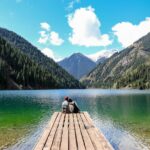
Gunny Ethnic Village: Shows First, Then You Participate
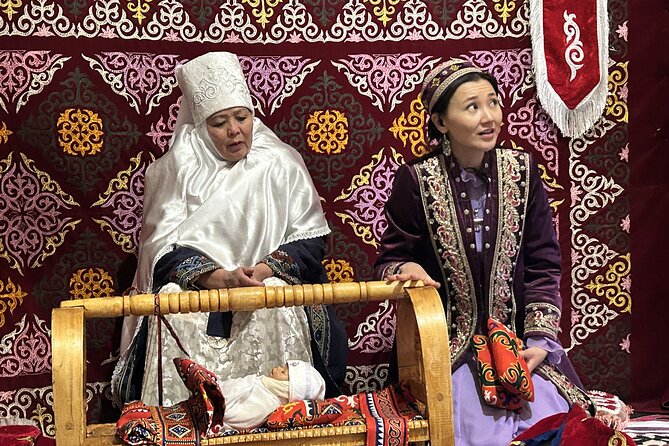
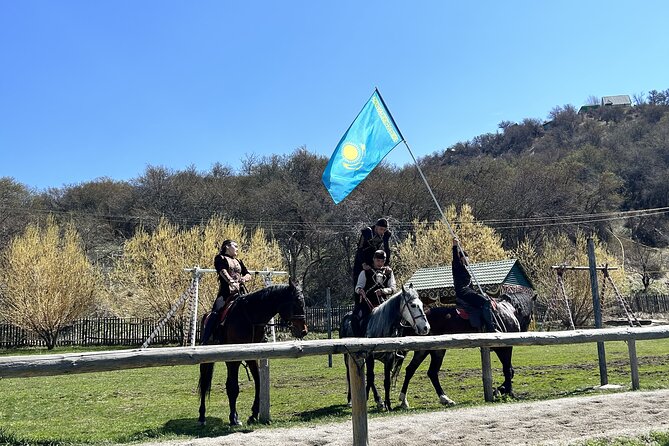
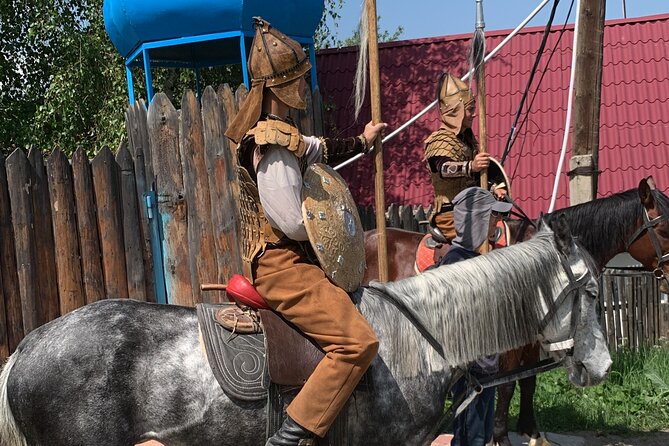
Your visit starts at the Gunny Ethnic Village area, where the program ramps up quickly. You’ll see a professional horse-riding tricks show and also a battle between warriors in armor. It’s staged, but it’s impressive, and it sets the tone that this day is about skills and tradition expressed through performance.
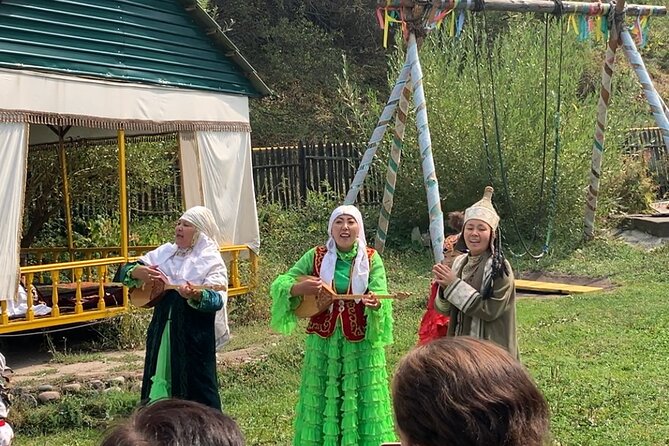
Right after that, you’ll get traditional customs presented by locals in traditional dress. This isn’t just a background backdrop. You’re invited to interact and join in where appropriate, which is where the tour turns from watch-only to memorable.
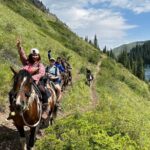
Then the session flows into the practical side: you’ll learn about yurts, watch an archers’ show, and get a chance for amateur horseback riding. This is the point where most people start to smile, because you stop being an observer and become a participant.
One small consideration: because the day is designed to fit a lot in, the on-the-ground explanations may be brief. You’ll get the main idea and enough to appreciate what you’re seeing, but it’s not a slow, detailed classroom.
Horse Stunts, Warrior Costumes, and the Real Tempo of the Day
Let’s be honest: the horse segment is the headline here, and it’s where the best reviews and biggest reactions tend to come from. You’re looking at professional-level riding tricks, plus a dramatic, armored battle show that’s visually hard to forget.
There’s also something useful for your planning: once the horse show starts, the day moves at show speed. You’ll want to be ready for quick transitions—watching one segment, then getting moved into the next one. If you hate rushing, you may still enjoy it, but you’ll need to go with the flow.
I also like that the tour doesn’t stop at the spectacle. After you’ve seen the professionals, you get a turn with amateur horseback riding for everyone. That makes the show feel like more than entertainment. It becomes a ladder: watch what’s possible, then try a smaller version yourself.
And since the group can be up to 100 people, your experience may depend on how smooth the line flow is that day. The upside is that the overall structure keeps moving. The downside is that it might not feel as personal as a smaller, private experience.
Archery Show and Getting Hands-On on Horseback
After the main horse show, the program shifts toward archery and participation. You’ll first watch a show with archers, then you’ll move into the chance for amateur horseback riding. The order matters. Watching skilled archers and riders builds context fast, so when you try the activity later, you’re not totally starting from zero.
For most people, the appeal is simple: you don’t just get photos of traditional life. You get a taste of the physical rhythm behind it. Even if you only get a short practice moment, it helps you understand how difficult it is and why it’s part of the culture.
A practical tip: wear comfortable clothes you can move in, and plan for some dust and outdoor conditions. This is outdoors, and the day is built around standing, walking, and switching from one activity zone to another.
If you’re traveling with kids or teens, this is usually a strong choice because there are multiple “try it” chances. If you’re someone who prefers a calmer pace, treat this as an active day trip with lots of spectacle, not a gentle cultural tea chat.
Inside the Yurt: How Crafts and Customs Fit Together
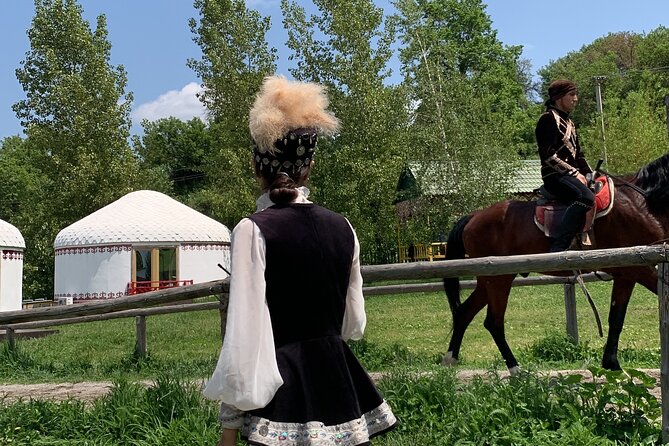
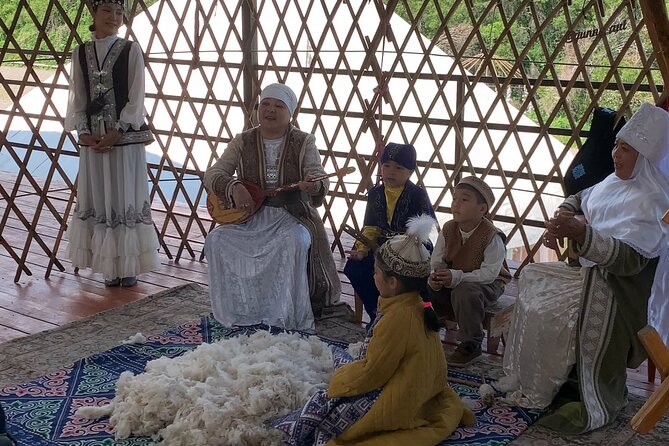
One of the most valuable parts of the experience is the time you spend learning about yurts and seeing how daily life translates into objects you can hold. You’ll hear the story of the yurt, and you’ll get to experience the space and concept in a way that feels more real than a brochure.
Then comes local crafts production. You’ll see traditional work and learn the basics of how simple items are made. In other words, you’re not only hearing about nomad skills—you’re seeing them in action.
This is also where the tour becomes more than entertainment. The horse show is fun, sure. But the yurt and craft time gives you the why. You start to connect the performance to the practical life that made those skills matter: building shelters, making tools and items, and maintaining daily routines in a mobile lifestyle.
In the friendly-service department, there are also good signs from people who mention things like attentive table service for tea refills. That matters more than it sounds. When the day is busy, steady care keeps the experience from feeling chaotic.


Cooking Kazakh Basics and Trying Kumis (Yes, Horse Milk)
Food is a big part of this tour’s personality. You’ll be involved in cooking basic national dishes, and you’ll also get a chance to drink kumis, which is horse milk. For many visitors, this is the moment that turns the day into a story you’ll still be telling months later.
The cooking segment is useful because it’s not about complicated recipes. It’s about getting a hands-on sense of flavor and how simple ingredients turn into a shared meal. You’ll leave knowing you didn’t just get served food. You learned something while it happened.
And kumis is the cultural wild card. Some people love it, some people sip it politely, and some decide it’s not for them. Either way, I like that it’s clearly part of the program. You’re not wondering if it’s optional. It’s built into the experience.
You may also encounter other simple drinks and bread as part of the food experience. The key point for you: go in with curiosity, not fear. If you’re sensitive to strong flavors, treat kumis like a try-once moment rather than a tasting battle.
Price and Logistics: Is $116.99 Worth It?
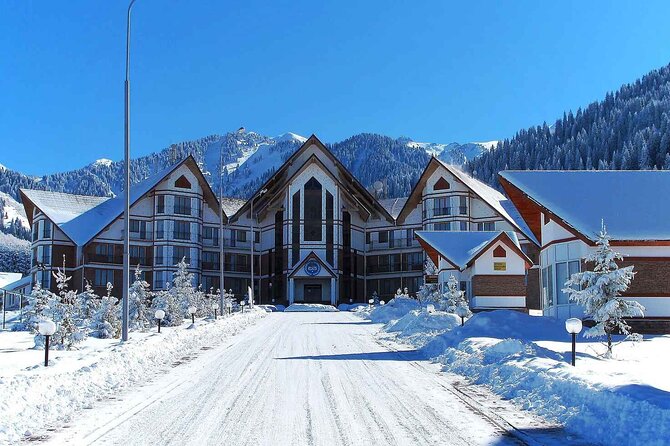
Let’s talk value, because this is the big question. The tour costs $116.99 per person and runs about 6 hours. You also get admission included, pickup offered, and a mobile ticket.
So what are you paying for, exactly?
- Professional horse show and a dramatic warrior battle-style performance
- Customs/cultural presentation by locals in traditional dress
- Yurt story + craft production time
- Archer show
- Amateur horseback riding chance
- Basic cooking participation
- Kumis tasting
- Outdoor lunch with mountain views
If you add all of that up, the price can make sense—especially if you want a structured, one-day introduction to nomad-style culture without researching every stop yourself. And the fact that it’s guided matters on a day like this, when the setting is remote and the schedule is active.
Still, here’s the honest consideration: if you’re the type who wants lots of quiet time, deep explanations, or a slower pace, you might feel the program is condensed. One risk with packed cultural showcases is that the “hands-on” parts can feel brief. The best way to protect your value is to show up ready to participate in every segment.
Weather and Timing: When This Day Trip Works Best
This experience depends on good weather. If conditions are poor, you’ll either be offered another date or a full refund. That’s important because outdoor riding, shows, and the outdoor lunch all hinge on visibility and safety.
The start time is 10:30 am, so plan for an early morning. A 6-hour day trip also means you’ll want to stay light and fueled before pickup. Bring a water bottle if you tend to run thirsty in the sun, and wear layers if the mountains feel cooler than the city.
Because the site can host up to 100 people, you’ll also appreciate flexibility. Some days run smoother than others. Your best strategy is to keep expectations simple: go for the big moments—horse show, yurt/crafts, archery, and food—and you’ll probably feel satisfied even if some segments pass quickly.
Who Should Book The Huns Ethno-Village (and Who Might Skip It)
You should book if you want:
- A show-and-try style day trip, not a quiet walking tour
- A hands-on look at yurts, crafts, and basic cooking
- A chance to do amateur horseback riding and participate in cultural customs
- The food experience side, especially trying kumis
You might want to think twice if:
- You dislike active schedules and prefer longer, slower explanations
- You’re mainly interested in museums or lecture-style history
- You’re sensitive to strong flavors and don’t want a mandatory tasting moment (kumis is part of the program)
If you’re traveling with friends, this can be a fun shared day because you’re doing similar activities at the same time. If you’re traveling solo, it can also work well because the guide keeps the group moving and you’ll have lots of built-in activity to break up the day.
Should You Book This Tour?
I think this tour is a solid choice when you want a single, structured introduction to Kazakhstan’s nomad-style traditions near Almaty. The mix of horse riding, archery, yurt time, craft making, and food (including kumis) gives you more than one kind of memory.
My final advice: book it if you’ll actually participate. That’s where the value lives. Skip it if you’re looking for a quiet, deep, slow cultural lesson. For an active, guided, hands-on day in the mountains, The Huns Ethno-village is one of the more complete packages you can do in a limited timeframe.
FAQ
How long is the tour?
The experience lasts about 6 hours.
What does the $116.99 price include?
It includes the admission ticket and the planned activities such as the horse-riding tricks show, customs performance, yurt learning, archery show, amateur horseback riding, crafts production, cooking simple national dishes, kumis, and an outdoor lunch with mountain views.
Is pickup offered?
Pickup is offered. You should confirm pickup details when booking.
Can most people participate?
The information says most travelers can participate.
Do I get to do anything or is it only watching?
It’s both. You’ll watch shows (horses and archers) and you’ll also get chances to participate in amateur horseback riding, crafts, and simple cooking.
Is kumis included?
Yes. The program includes drinking kumis as part of the food activities.
What happens if the weather is bad?
This experience requires good weather. If it’s canceled due to poor weather, you’ll be offered a different date or a full refund.