Leh at 3500m is a big change, and this tour handles that start gently with an early flight plus time to acclimatize before you go sightseeing. I also like that you’re not juggling buses or sharing vans: you get private transportation and a mix of hotel and homestay nights with breakfast. The only real catch to plan around is that entry fees and most meals besides breakfast cost extra.
This route is built around the classic Ladakh hits, but it’s paced like a practical road trip: monasteries and viewpoints in between long drives, plus sunrise time at Pangong Tso. You’ll see the Indus and Zanskar meet, cross high passes like Khardungla and Changla, and end with an easy airport transfer so you don’t scramble on your last day.
In This Review
- Key Highlights That Matter in Real Life
- First Day in Leh: Acclimatization, Leh Palace, and Shanti Stupa
- Alchi and Basgo: Indus–Zanskar Meeting Points and 1000-Year Murals
- Nubra Valley by Khardungla: Desert Dunes and a Tented-Camp Night
- Pangong Tso and the Shayok Valley Drive: Views, Hot Lunch, and Sunrise
- The Return to Leh: Thiksey Monastery, Changla Pass, and Last-Day Rhythm
- Price and Value: What You’re Getting for $750.34
- Guides, Planning, and the Comfort of a Private Group
- Who This Ladakh Route Fits Best (and Who Should Reconsider)
- FAQ
- FAQ
- What does the tour include?
- What are the extra costs not included?
- How long is the tour?
- Where does the tour start and end?
- Is this a private tour?
- What happens if the weather is poor?
- Should You Book Wonders of Ladakh?
Key Highlights That Matter in Real Life
- Acclimatization first in Leh: a full day to rest after an early arrival at altitude.
- Private door-to-view comfort: comfortable rides, so you can focus on the scenery and not logistics.
- Indus–Zanskar confluence and Alchi murals: culture stops that feel grounded, not rushed.
- Nubra Valley via Khardungla (18,360 ft): one of the highest roads you’ll likely drive on this trip.
- Pangong Tso sunrise walk: early morning lake time before the day gets busy.
- Permits and drinking water included: you avoid some common add-on costs.
First Day in Leh: Acclimatization, Leh Palace, and Shanti Stupa
Day 1 starts with an early morning flight to Leh (about 3500m). The big win here is that you don’t immediately throw yourself into a packed schedule. After you land, you’ll transfer to your hotel and then get a full day at rest to adjust. In Ladakh, that “slow start” isn’t a luxury. It’s what helps you enjoy the rest of the trip instead of fighting a headache and fatigue.
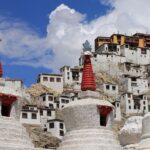
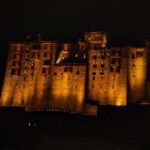
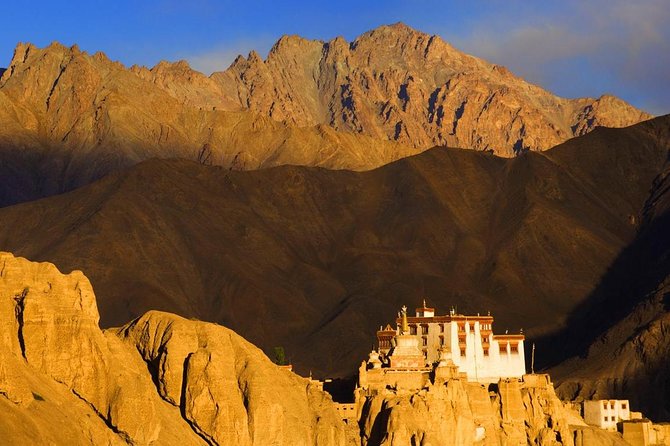
Once you’ve had time to settle, you visit a trio of landmarks that give you a feel for Leh’s layered story. You’ll stop at the Military Hall of Fame, then head to the 16th-century Leh Palace. These two are a good pairing: one is about the region’s modern defense and identity, the other is about the old kingdom-era presence that still shapes where people go and what they protect.
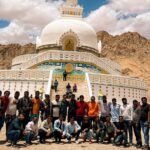
Then you finish with Shanti Stupa, the Japanese-built World Peace Pagoda. It’s a viewpoint stop, but also a tone-setter. Even if you’re not a big “temple person,” the site helps you understand why Ladakh mixes spirituality, history, and mountain life so naturally. If you can, dress warm—Leh evenings can feel sharp, even when the midday sun has you fooled.
Practical tip: that first rest day only works if you treat it like a rest day. Keep your first afternoon calm, drink water, and avoid sprinting between spots just because you’re “fine.” Altitude is sneaky.
You can also read our reviews of more tours and experiences in Leh.

Alchi and Basgo: Indus–Zanskar Meeting Points and 1000-Year Murals
Day 2 takes you out of Leh toward Alchi, with a drive of about 68 km. This is a culture-heavy day, and that’s important because it breaks up the later desert-and-lake vibe with something slower and more detailed.
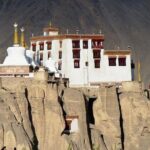
On the way, you pass Basgo Castle. It’s a stop that helps you connect the dots between fortifications and the communities that grew around them. Then you reach one of Ladakh’s most memorable natural-meets-cultural moments: the sangam of the Indus and Zanskar rivers. Standing there is a reminder that this isn’t just a scenic road trip. The rivers are life lines, and the way they meet shapes where villages sit, where monasteries thrive, and where travelers have been coming for centuries.
Once you arrive in Alchi village, you visit the 1000-year-old murals and paintings. This is the kind of cultural stop that rewards slow looking. If you rush it, you’ll miss the details that make these interiors and wall scenes feel alive rather than decorative. Give yourself enough time to stand back, then step closer, then step back again.
One consideration: entry fees and other monument costs aren’t included. So if you’re serious about museums and monasteries, you’ll want a realistic budget beyond the tour price. The upside is that this day is packed with real sites, not just driving through names on a map.
Nubra Valley by Khardungla: Desert Dunes and a Tented-Camp Night
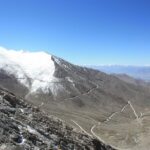
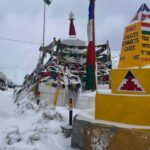
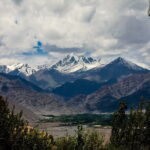
Day 3 is when the trip really turns into high-altitude desert country. After an early breakfast (8:00 am), you drive to Nubra Valley via Khardungla Pass, reaching about 18,360 ft. That number is big enough that you’ll feel it even when the road is steady. The ride itself becomes part of the experience—wide mountain views, changes in air feel as you climb, then that shift when Nubra opens up.
When you arrive, you check in at a specially set up tented camp near the famed white silvery sand dunes of Nubra Valley. This is one of the tour’s best “sense of place” moments. A tented camp isn’t just a bed for the night—it’s how Nubra feels: stark, quiet, and very much tied to the desert geography.
You’ll also be in the right region for optional extras. For example, camel riding fees are not included, so if you want that experience, it’s an add-on you’ll plan for separately. The core tour experience is still the Nubra drive and the dunes area, so you don’t feel like you’re missing something essential if you skip the add-ons.
A practical note: nights in Ladakh can get cold. You’ll want layers you can actually move in, plus something warm for nighttime—even if daytime sun made you think you were overpacking. If you’re prone to feeling chilly, bring gloves or a warm hat. It makes the camp experience much more comfortable.
Pangong Tso and the Shayok Valley Drive: Views, Hot Lunch, and Sunrise
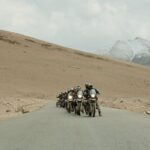
Day 4 is the long road day from Nubra to Pangong Tso (around 130 km). You’ll drive along the Shayok valley, and this is where the route earns its reputation. The valley gives you long sightlines and a feeling of movement, like the mountains are sliding past you in slow motion. It’s also a great day to keep your camera ready, because the light changes constantly.
You’ll have a hot lunch at Tangstay village, then continue to Pangong. When you reach the lake area, the focus shifts to the viewpoint and the atmosphere. Pangong Tso is the kind of place where the lake color can look different with every hour, and the air feels cleaner and colder the closer you get to the water.
This tour includes the key ingredient that many people plan for but don’t always get right: early morning time. On Day 5, you’ll do a morning walk around the lake and enjoy a sunrise view, plus you may catch birds singing in the early hours. That means Day 4 isn’t about burning out. Day 4 is about getting positioned, eating well, and setting yourself up for the best light.
One consideration: this is high-altitude, open-road country. Clouds, wind, or weather shifts can affect comfort. You don’t control the weather, but you can control how prepared you are with warm layers and sunglasses.
The Return to Leh: Thiksey Monastery, Changla Pass, and Last-Day Rhythm
On Day 5, you start with an early walk around Pangong Tso. I love this part because it changes how you experience the lake. In the morning, it’s quieter and more grounded. You’re seeing it in its softer light, with fewer distractions and more time to actually notice the details—shoreline textures, distant mountain shapes, and the way the air affects distance.
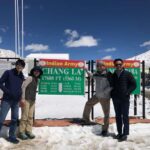
After that, you drive back to Leh on the way crossing Changla Pass. Pass roads are where you feel the altitude and the scale most strongly. The drive is part scenic, part endurance check, and it sets up your energy level for the next culture stop.
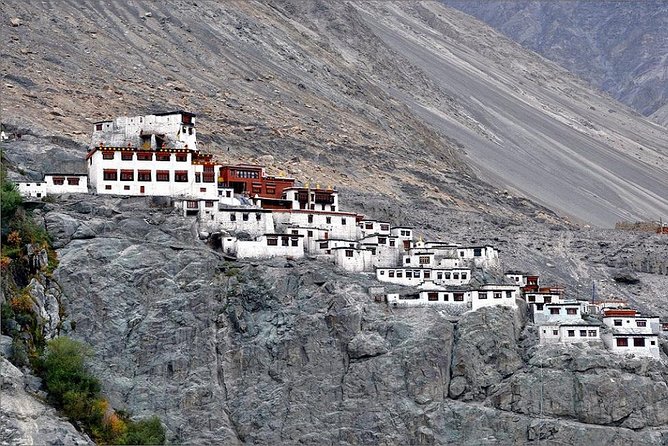
You visit Thiksey Monastery on the return. It’s a hillside monastery stop that works well after Pangong because you’re switching from natural spectacle back to human-made calm. The monastery gives your brain a different kind of focus: walls, prayer spaces, and that sense of continuity that makes Ladakh feel lived in rather than just photographed.
When you reach the end of the loop, Day 6 is the easy landing. You transfer to Kushok Bakula Rimpochee Airport for your onward destination, with the goal of finishing with a calm send-off instead of last-minute driving stress.
Price and Value: What You’re Getting for $750.34
At $750.34 per person for about 6 days, the value here is mainly about what’s baked into the structure. You’re not just paying for a schedule. You’re paying for private transportation, a protected area permit, a drinking water package, and daily breakfast (6). You also get a route map and guide book, which sounds small until you’re trying to understand what you’re seeing while you’re on the move.
Comfort matters too. Private transport isn’t flashy, but it saves time. It also helps with pacing, especially on long drives like Nubra to Pangong Tso and when you’re trying to hit a sunrise walk.
Now the trade-off: entry fees and other meals cost extra. Camel riding fee is also listed as extra. That means your final trip cost depends on how many paid sites you choose to enter and what you do for lunch and dinner. If you prefer a tight budget, plan to spend some time deciding what matters most to you on-site.
If you’re the type who likes monasteries and viewpoint time, this tour is priced fairly because it includes the big logistics and the foundational basics. Your extra spending is more about preferences than survival needs.
Guides, Planning, and the Comfort of a Private Group
This is a private tour, so your timing and pacing should match your group. That matters in Ladakh, where waiting for the wrong pace can feel exhausting at altitude.
From what’s shared about the experience, the team includes Dorjay and driver Jigmat. Having a driver who knows the roads and timing helps you keep the day smooth, especially around passes. A guide also helps translate what you’re seeing. For example, when you stop at places like Alchi with its very old murals, you’ll enjoy it more if you understand what you’re looking at instead of just snapping photos and moving on.
You also get drinking water as part of the package. It’s a small line item, but it’s a big practical comfort in high-altitude travel, where dehydration can sneak up on you even when you don’t feel sweaty.
Accommodation wise, you’ll have a mix of hotel and homestay options plus the tented camp in Nubra. The point isn’t luxury. The point is that each stay fits the region you’re in, which helps the trip feel like it belongs to Ladakh rather than being a standard hotel circuit.
Who This Ladakh Route Fits Best (and Who Should Reconsider)
This tour fits well if you want a balanced Ladakh mix: culture in and around Leh, monastery visits, and two of the headline nature areas—Nubra Valley and Pangong Tso. You’ll also like it if you want private transportation and a set plan that doesn’t force you to constantly coordinate.
It may be less ideal if you’re extremely budget-focused. Entry fees and meals not included can add up, and camel riding is specifically called out as extra. Also, if you hate early starts, the sunrise walk at Pangong Tso on Day 5 is a core part of the experience.
The good news: the structure is built with acclimatization in mind, so you’re not jumping into altitude right away. The tour also seems designed for people who can handle long drives, since the route includes multiple big transfer days.
One more note: this experience requires good weather. If conditions aren’t right, you may be offered a different date or a full refund. So if your trip dates are rigid, it helps to build in a little flexibility.
FAQ
FAQ
What does the tour include?
It includes private transportation, a protected area permit, a drinking water package, a route map and guide book, and breakfast for 6 days.
What are the extra costs not included?
Monument fees, lunch, dinner, camel riding fees, and personal insurance are not included.
How long is the tour?
The tour runs for about 6 days.
Where does the tour start and end?
It starts at Kushok Bakula Rimpochee Airport in Leh and ends back at the same meeting point.
Is this a private tour?
Yes. It’s listed as a private tour/activity, meaning only your group participates.
What happens if the weather is poor?
The experience requires good weather. If it’s canceled due to poor weather, you’ll be offered a different date or a full refund.
Should You Book Wonders of Ladakh?
I’d book it if you want a clean, structured Ladakh circuit that handles the big logistics: private rides, acclimatization time in Leh, permits, water, and breakfast. The mix of Alchi murals, the Indus–Zanskar confluence, Nubra’s sand dunes, and Pangong Tso sunrise hits the right balance of culture and nature without turning the trip into chaos.
I wouldn’t book it if your budget is very tight or if you dislike paying separate monument and meal costs. Also, only do it if you’re comfortable with early mornings and long drives at altitude.
If your ideal trip is: calm start in Leh, desert days in Nubra, lake magic at Pangong Tso, and a monastery stop on the way back, this one fits the bill.