REVIEW · AMRITSAR
Amritsar Dalhousie Dharamshala 6 Days Tour
Book on Viator →Operated by Northern Travels Taxi Service/Tempo Traveller Rental · Bookable on Viator
The border ceremony sets the tone fast. I like the private vehicle with fees and tolls handled, so you spend less time worrying and more time watching. I also like the free admission stops built into the plan, including Golden Temple and Jallianwala Bagh. One possible drawback to note: a formal tour guide isn’t included, so you’ll lean on your driver for context.
This is priced per vehicle, not per person, which can make it a strong value if you’re traveling as a group. You get pickup offered (start time is 9:00 am) and a mobile ticket, which usually means fewer last-minute headaches.
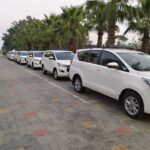
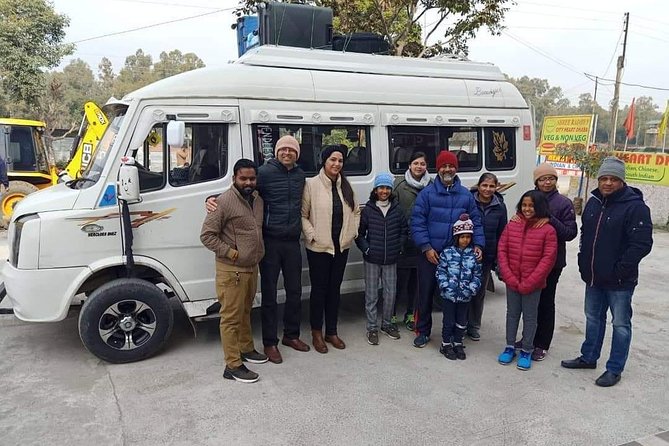
You can choose vehicles for groups up to 12 passengers, so it feels like a controlled road trip rather than a bus scramble. If you’re the type who wants flexibility—big sights done at a good pace, then breathing room—you’ll likely enjoy this format.
In This Review
- Key Highlights You’ll Notice Right Away
- Private Vehicle From Amritsar To Himachal: Why It Feels Different
- Wagah Border and Flag Retreat: A Street-Level Moment of History
- Golden Temple and Jallianwala Bagh: Two Very Different Stops in One Day
- Golden Temple: The living Sikh center
- Jallianwala Bagh: History you can’t ignore
- Khajjiar With Optional Horse Riding: Space for Breathing Room
- Dalai Lama Temple Complex and Mall Road Time: Dharamshala at Your Pace
- Norbulingka Institute, Crafts Village, and Temple Visits: The Tibetan Culture Focus
- Price and Logistics: The Real Value Story
- Who This Trip Suits Best (And Who Might Want Another Option)
- Should You Book Amritsar to Dalhousie to Dharamshala?
- FAQ
- What’s the duration of the tour?
- Is the price per person or per vehicle?
- What’s included in the tour price?
- Is a tour guide included?
- What time does the tour start?
- Which major stops are included?
- How many passengers can the vehicle accommodate?
- Can I cancel for a full refund?
Key Highlights You’ll Notice Right Away
- Private vehicle, not a shared tour: you travel on your schedule with an AC ride.
- All fees and tolls included: fewer add-ons at the counter.
- Wagah Border in the evening mood: the Flag Retreat ceremony is the star moment.
- Tibetan culture in Dharamshala: Dalai Lama Temple Complex, Norbulingka Institute and more.
- Free time after key sights: Khajjiar and Dharamshala include long stretches for your own pace.
- Per-vehicle pricing: the cost can drop quickly when you split it.
Private Vehicle From Amritsar To Himachal: Why It Feels Different
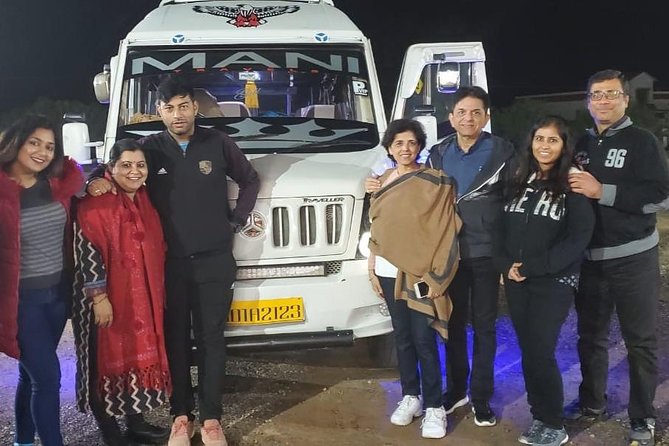
This kind of trip works best when the driving is taken seriously. Here, you’re traveling from Amritsar toward Dharamshala with Dalhousie on the way, and you’re doing it in a private AC vehicle. That matters because the route is long enough that shared transport can turn annoying fast—late pickups, crowded seats, and constant “wait for everyone” moments.
With a private setup, you control the rhythm. You leave Amritsar, hit your big stops, and then you’re not stuck rushing every minute because other groups need to cycle through the same points. The plan also gives you sizeable free blocks on days with Khajjiar and Dharamshala, so you’re not locked into a nonstop checklist.
Cost-wise, the big advantage is pricing per vehicle. The tour is listed at $358, so your real per-person value depends entirely on how many people you’re splitting with. If you’re traveling as two, it’s a premium per head; if you’re traveling as six to ten, it can turn into one of the more practical ways to do these regions without juggling separate transport bookings.
One more practical note: bottled water is included, which is a small thing, but it prevents that “where do we buy water now?” problem during early sight blocks. And mobile tickets reduce friction on the day you depart.
You can also read our reviews of more tours and experiences in Amritsar.
Wagah Border and Flag Retreat: A Street-Level Moment of History
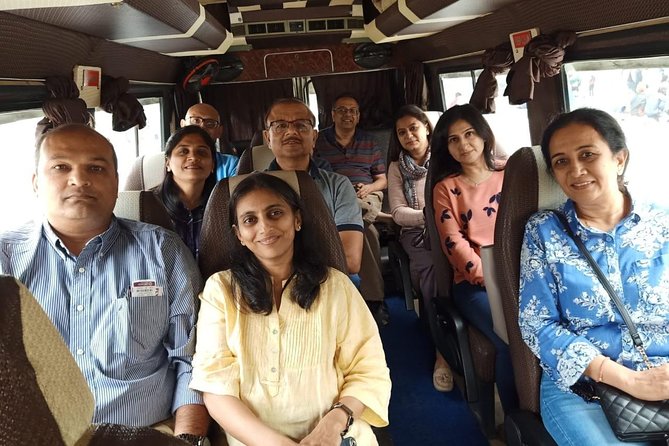
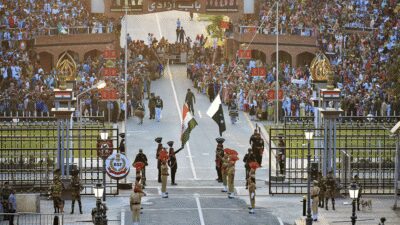
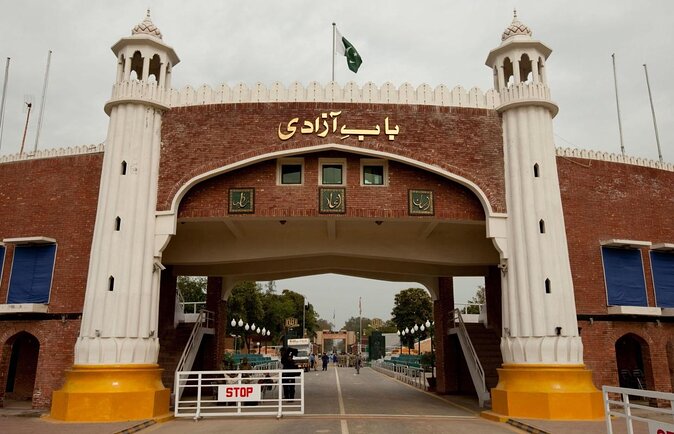
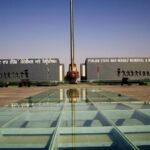
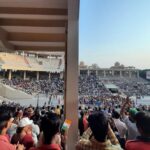
Day 1 is built around the Indo-Pak Wagah Border and the evening Flag Retreat ceremony. This isn’t the kind of attraction where you just take a photo and move on. The appeal is in the theater of the event—the precision, the marching energy, and the charged mood created by the setting.
The plan schedules about an hour at the border. That’s enough time to watch the ceremony if you arrive settled and ready. If you tend to be the person who likes to scout viewpoints, take a slow walk, and then pick your best spot, you may want to build in a little extra buffer before the actual ceremony begins. (The schedule says the ceremony is the daily highlight in the evening, so your timing is part of the experience.)
Admission is marked free in the plan, which helps you plan without surprise entry costs. The tradeoff is that this is a high-demand event. So if you’re sensitive to crowds or want maximum comfort, plan your expectations around the fact that border events draw attention.
If you want a “memory anchor” for your trip, Wagah is a good choice. It sets a different tone than temple visits and hill-station strolls—it’s loud, visual, and immediate.
Golden Temple and Jallianwala Bagh: Two Very Different Stops in One Day
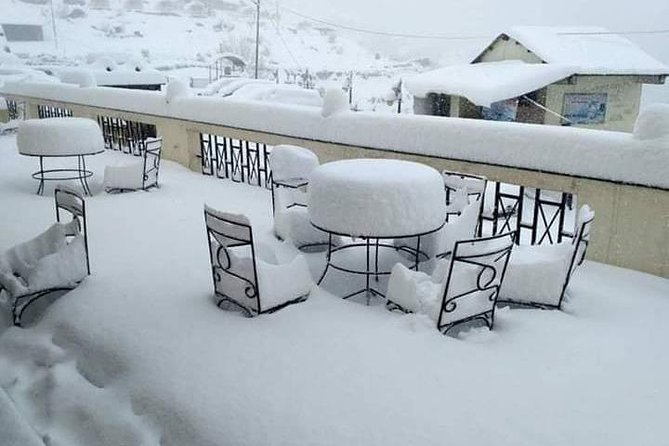
Day 2 gives you Amritsar at its most important—spiritual gravity in the morning, then a stark historical reminder immediately after.
Golden Temple: The living Sikh center
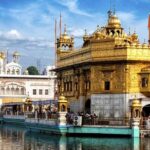
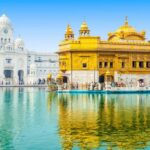
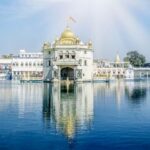
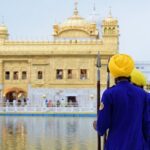
You’ll visit the Golden Temple, described as the most important Sikh shrine and a living symbol of Sikh spiritual and historical traditions. The plan gives about two hours here, which is a solid window. It lets you slow down rather than treat it like a quick stop between rides.
What I like about building Golden Temple into the itinerary is that it’s not just “see a building.” The time block matters because you can actually experience the pace of the site. Even if your interest is mainly architectural or cultural, the longer visit helps it land beyond a checklist photo.
Jallianwala Bagh: History you can’t ignore
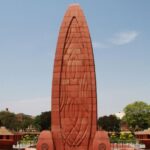
Then you move to Jallianwala Bagh, connected to the tragedy of 13 April (the plan specifically references General Dyer and the killing of more than 2000 innocent people). The visit is short—about 45 minutes—yet it’s the kind of stop where short time can still feel heavy.
This pairing can be intense, but it’s also honest. Amritsar isn’t only about beauty or food or monuments; it carries real historical weight. The only drawback to consider is emotional pacing. If you find solemn sites draining, consider doing your most reflective moments earlier in the day so you don’t feel rushed.
Both stops list admission as free in the plan, which makes this day easier to budget for.
Khajjiar With Optional Horse Riding: Space for Breathing Room
Day 3 shifts gears to Khajjiar, a scenic area where you can enjoy optional horse riding and then spend the rest of the day at leisure. The total planned time is about 5 hours, which is a sweet spot: long enough to enjoy the setting and not just pass through, but not so long that it turns into “waiting around for the drive.”
Because the horse riding is optional, you can choose your comfort level. If you don’t want to do it, you still get time to enjoy the scenery and wander around in your own way.
This is also the day where the value of a private vehicle shows up again. You’re not forced into a group pace. If you want to return earlier, or if you want a longer pause at a particular view, you have room to adjust within reason.
A small reality check: “free time” is great, but it also means you’re responsible for your own choices. If you like structured days with a guide, this portion may feel less guided. Since there’s no tour guide included, that’s one place where a helpful driver can make a difference—pointing out where to walk, where to pause, and how to manage timing before you head back to the vehicle.
Dalai Lama Temple Complex and Mall Road Time: Dharamshala at Your Pace
Day 4 is dedicated to Dharamshala’s Dalai Lama Temple Complex. The plan describes Dharamshala as a place for Tibetan cultural experiences and notes that Dharamshala is closely associated with the Dalai Lama’s residence. You’ll get a longer visit here—about 6 hours—plus an emphasis on walking along the Mall Road afterward.
That’s a smart way to structure the day. Temple time is usually best when you’re not rushing. Six hours gives you space to take in the complex and still have time to transition into everyday Dharamshala life. The Mall Road suggestion helps you avoid the common tourist trap of only doing the headline attraction and missing the local stroll that makes hill towns feel like real places.
Admission is marked free in the plan. That’s helpful, but do remember that spiritual sites can have different rhythms than museums or temples built for mass tourism. You’ll get the best experience if you keep your pace calm and expect that the atmosphere sets the tone.
Since a formal tour guide isn’t included, this is also the day where you may want to ask your driver for simple pointers before you start exploring—where to begin, what to prioritize, and what order makes your walk smooth.
Norbulingka Institute, Crafts Village, and Temple Visits: The Tibetan Culture Focus
Day 5 is the most culture-dense day, with multiple Tibetan-centered stops plus evening temple time. The planned structure includes:
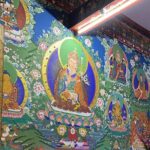
- Norbulingka Institute, with references to a Tibetan Museum, a Meditation Hall, and a temple setting.
- A residential school run by Tibetan refugees, plus a Tibetan crafts village.
- Evening time at Bhagshu nag temple and a temple-area water setting (the plan references it, though the description cuts off).
The reason this day works well is that it covers culture in more than one way. It’s not only “see a place.” You’re also seeing how learning and making continue through institutions—museum and craft training together create a fuller picture of daily Tibetan cultural life.
The crafts village angle is especially practical. Even if you don’t buy anything, watching artisans work (or seeing how training is organized) gives you better context for what you might notice later in shops around town. And because the plan notes training in handicrafts, carpets, and tailoring, you know this stop is meant to explain skills, not just sell souvenirs.
Time blocks here are shorter than Day 4, with about two hours at the Norbulingka-related section, then another two hours covering the residential school and crafts village. That pacing keeps the day from turning into a long sit-down tour. But it also means you’ll need to be mentally ready to switch contexts a few times.
As always with no tour guide included, it’s worth asking your driver something simple like what each stop is for and which parts are most important to notice. In the feedback for this service, drivers such as Lovely and Gurpreet show up repeatedly with praise for knowledge of destinations and routes. Owner Samar also gets named in the context of responsive help. So if your driver offers context, take them up on it.
Price and Logistics: The Real Value Story
Let’s talk money in a way that actually helps you decide.
The tour price is $358, and it’s per vehicle—not per person. That’s a big deal on road trips because transportation costs are usually the biggest line item. When you split a vehicle, you spread the fixed costs of fuel, the AC ride, and the logistics of getting from Amritsar to the Himachal region and back.
The tour also lists these inclusions:
- Air-conditioned vehicle
- Private transportation
- Bottled water
- All fees and taxes
That “fees and tolls included” detail can prevent budget surprises. In a lot of India road travel, the total cost balloons because small add-ons show up unexpectedly. Here, the plan is designed to cover those basics upfront.
What’s not included is a tour guide. So if you want a fully guided experience with deep explanations at each stop, you’ll either need to supplement yourself (apps, short reading beforehand) or rely on your driver’s explanations. In the feedback linked to this service, drivers are praised for comfort, politeness, and even acting in a guide role in some cases. But that’s not the same as having a dedicated guide, so it’s worth understanding what you personally need to feel satisfied.
Duration is about 6 days. This is long enough to feel like a real trip, not a rushed weekend hop. And because the plan brings you back to Amritsar with an airport transfer after breakfast on Day 6, it’s useful if you want an organized end point instead of scrambling for last-minute transport.
Who This Trip Suits Best (And Who Might Want Another Option)
This tour fits best if you match one of these profiles:
- You’re traveling as a group and want to split a private vehicle cost.
- You want a “big sights + free time” rhythm: major monuments first, then room to wander.
- You care about both cultural highlights in Amritsar and Tibetan culture in Dharamshala.
- You prefer having the driving handled, especially on longer road days.
It may not be ideal if:
- You expect a dedicated tour guide at every step. Without one, you’ll rely on your own curiosity and your driver’s help.
- You dislike historical or emotionally heavy sites. Jallianwala Bagh is part of the plan, and it’s not a light stop.
- You prefer strict, minute-by-minute structure. The itinerary includes multiple free-time blocks, which is great for independence, but it changes the feel of the trip.
Should You Book Amritsar to Dalhousie to Dharamshala?
I think you should book this tour if you want a practical private road trip with major cultural stops and real time to breathe. The value is strongest when you split the per-vehicle price, and the included fees and toll coverage make it easier to budget.
If your travel style depends heavily on a guide, you might still enjoy it—but you’ll need to plan for self-guided learning or ask your driver for context at each stop. And if you’re traveling solo, treat the cost as a trade: you’re paying extra for privacy and convenience, rather than buying a bargain.
My final advice: if you can travel in a group and you’re happy to guide yourself with a little help from your driver, this is a smooth way to connect Amritsar’s defining sights with Dharamshala’s Tibetan cultural world—without turning the journey into a logistics headache.
FAQ
What’s the duration of the tour?
The tour is listed as approximately 6 days.
Is the price per person or per vehicle?
It’s priced per vehicle, not per person.
What’s included in the tour price?
The tour includes an air-conditioned vehicle, private transportation, bottled water, and all fees and taxes.
Is a tour guide included?
No, a tour guide is not included.
What time does the tour start?
The start time is 9:00 am.
Which major stops are included?
You’ll visit Wagah Border, Golden Temple, Jallianwala Bagh, Khajjiar, Dalai Lama Temple Complex, Norbulingka Institute, and Indru nag Temple, with additional evening temple time noted.
How many passengers can the vehicle accommodate?
Vehicles are available for up to 12 passengers.
Can I cancel for a full refund?
Yes, cancellation is free up to 24 hours in advance for a full refund. If you cancel less than 24 hours before the start time, the amount you paid is not refunded.