REVIEW · ALMATY CITY
Almaty: Kazakh aul Huns and Ak-Bulak Resort Day Trip
Book on GetYourGuide →Operated by VOSTOK · Bookable on GetYourGuide
A yurt show and archery in one day. I like that the program mixes hands-on food with a proper horse show, so you are not stuck only watching from the sidelines. You’ll also learn how nomads lived through live storytelling and a yurt demonstration. One thing to plan for: it is an active day with outdoor moments, so wear comfortable shoes and dress for the weather.
The morning runs on a smooth rhythm. You start with breakfast, then a hotel pick-up in a comfortable car, plus an English-speaking guide who keeps the day understandable and moving. Water is included, and the pace is busy enough that it feels like you actually used your time in Almaty.
The payoff continues after the village. In the afternoon, you get a stop at Ak-Bulak resort for big viewpoint moments, and you also get a window of free time before the trip back. If you want a mix of culture, food, and action without doing extra planning, this one fits well.
In This Review
- Key highlights to look forward to
- Morning Pick-Up in Almaty: How the Day Flows
- Arrival at Ethno-Village HUNS: Shashu and the Nomad Welcome
- Bauyrsaks Master Class and Tea Drinking: What You Actually Do
- Yurt Demonstration and Besikke salu Ceremony: Learning by Watching
- The Show Program at 12:00: Horse Sports, Games, and Dance
- Horse show and dzhigitovka-style skills
- National equestrian games
- Kara Zhorga dance
- Lunch Break Around 13:00: Fuel Between Events
- Archery Master Class at 14:00: Trying It Yourself
- Free Time at 15:00: A Chance to Slow Down
- Ak-Bulak Resort Stop: Why the Afternoon View Matters
- Price and Value: What $153 Includes (and What It Doesn’t)
- Best Fit: Who Will Like This Day Trip Most
- Should You Book This Tour?
- FAQ
- FAQ
- How long is the tour?
- What time does the day start?
- Where does the tour take place?
- What activities are included?
- Is lunch included?
- What language is the guide?
- What should I bring?
- Is water included?
- Is alcohol included?
- What is the cancellation policy?
Key highlights to look forward to
- Shashu welcome ritual sets the tone right as you arrive
- Bauyrsaks cooking master class plus tea drinking
- Yurt and Besikke salu ceremony guided through by the host
- Horse skills and national equestrian games including dzhigitovka and Kyzkuu
- Archery master class so you try something, not just watch
- Ak-Bulak resort viewpoints for a dramatic afternoon break
Morning Pick-Up in Almaty: How the Day Flows
This is a structured 8-hour outing that starts with breakfast and then a hotel departure around 09:00. The timing matters here: you are leaving Almaty early enough to arrive before the main program starts, which helps the whole day feel organized instead of rushed.
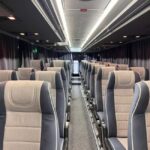
You travel in a comfortable car with a guide who speaks English (and Russian is also available). It is a big plus when your day depends on multiple activities, because you do not have to figure out what happens next or where to go when the schedule shifts.
Bring comfortable clothes and shoes. You’ll be standing for parts of the show program, and you’ll move around for demos and classes. If you are even slightly underdressed for the weather, it can turn into a distraction fast.
You can also read our reviews of more tours and experiences in Almaty City.

Arrival at Ethno-Village HUNS: Shashu and the Nomad Welcome
At around 11:00, you arrive at the ethno-village area. The day begins with a meeting ritual called Shashu. Even if you do not know the meaning, the moment works as an orientation: you are not just walking into a set, you’re being welcomed into a cultural performance.
Right away, the village experience leans practical and visual. You are shown traditions, crafts, and customs tied to a nomadic way of life. The guide’s job is to connect the visuals to stories, so you understand what you’re seeing instead of treating it like a theme park.
One small detail that I really value in this kind of cultural program is the layered guidance. The setup often includes guides working inside the village grounds, and it keeps explanations clearer when activities change quickly.
Bauyrsaks Master Class and Tea Drinking: What You Actually Do
One of the best parts of this day is that it starts with food you make yourself. About 11:10, you join a master class on cooking bauyrsaks (a national treat made from dough), then you get tea drinking as part of the rhythm.
This is the kind of activity that rewards your attention. When you participate, the rest of the cultural program makes more sense, because you are tasting something that is presented as part of daily life rather than just a prop. Plus, it creates a break from the more show-driven segments that come later.
If you want a simple travel rule: do the hands-on thing whenever it’s offered. In this itinerary, that is the bauyrsaks class, and it sets up a good mood for the day.
Yurt Demonstration and Besikke salu Ceremony: Learning by Watching
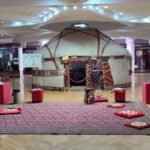
Around 11:30, the guide shifts from food to storytelling and demonstration. You’ll hear about the life and life of nomads, and you’ll see a yurt demonstration. The point is not a textbook lesson. It’s a guided look at how the space fits into the culture being presented.
You also get the ceremony called Besikke salu. This is one of those moments where the value is in how it’s staged and explained in real time. Even if you only catch pieces of what’s being said, the act itself is memorable because you can see the meaning through the ritual flow.
If you care about culture beyond photos, this is where your morning payoff lands. You are watching something performed, but you’re also being guided to understand what it represents.
The Show Program at 12:00: Horse Sports, Games, and Dance
By 12:00, the day turns into a performance block. You’ll see a show associated with the First Historical Patriotic Club called Sarbaz Rukhy. It’s followed by multiple equestrian segments and a dance performance.

Horse show and dzhigitovka-style skills
The equestrian highlight is Zhigittik oner (dzhigitovka). This is not a gentle parade horse moment. It’s built to show skills, control, and speed—exactly the kind of performance that makes people sit up and pay attention.
National equestrian games
You also get national equestrian sports games listed as Atpen audaryspak and Kyzkuu. The names are traditional, and what you’ll appreciate is that you’re seeing them as part of the cultural set, not as a random collection of tricks.
Kara Zhorga dance
Then comes the dance Kara Zhorga. It adds variety so you’re not locked only into horses. If you tend to get mentally tired during long performance blocks, this switch helps reset your brain.
Practical tip: bring a phone strap or keep your hands free. You’ll likely want to record some moments, but you also want to watch carefully when the horses speed up. The best value is watching live first, then recording what you missed.
Lunch Break Around 13:00: Fuel Between Events
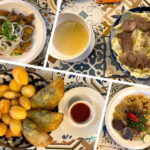
At about 13:00, you get lunch in the program. Menu items listed include pilaf, salad, a bread basket with bauyrsaks, plus tea and water.
This is more than a meal stop. It keeps you from losing energy right before the afternoon activities. It also ties the morning class to lunch—bauyrsaks show up again, so your taste memory connects back to what you learned earlier.
Alcoholic drinks are not included, so if you want one, plan on paying separately. Water is included, and it’s smart to drink it steadily, especially if you’ll be outside between events.
Archery Master Class at 14:00: Trying It Yourself
Around 14:00, you get a master class in archery. This is a huge value add because it turns the day from spectator-only into participant-only.
Archery lessons are great travel memories for a reason: you come away with a sense of how demanding the skill is. Even if you don’t land every shot, you learn enough to understand why people practice and why this kind of skill matters historically in nomadic contexts.
Do not underestimate the physical side. If you have limited arm stamina, tell the instructor early and take it slow. The goal here is to participate, not to win a tournament.
Free Time at 15:00: A Chance to Slow Down
From 15:00, you get free time. This matters because cultural days can feel nonstop. Free time lets you step back, look around at what you might have missed, and take photos without someone speaking over you.
Use this window wisely. If you want souvenirs or just want to revisit the village areas that interested you most, do it now. If you prefer quiet, sit and watch the slower parts of the grounds for a few minutes.
Then you depart the village around 16:00 for the return to Almaty.
Ak-Bulak Resort Stop: Why the Afternoon View Matters
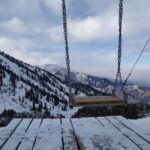
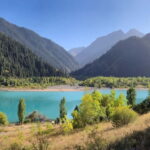
This day trip is called Almaty: Kazakh aul Huns and Ak-Bulak Resort, and the Ak-Bulak portion is a big reason people book. After the main village program, you head toward the Ak-Bulak resort area for panoramic viewpoints.
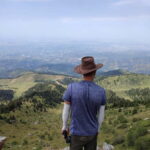
From a travel perspective, this stop makes the day feel complete. The village part is about culture and performance. The resort part gives you a wide visual payoff—space, altitude, and a sense of where Almaty’s region fits into your memory bank.
If you love photos, this is typically where you’ll want to pause and frame shots carefully. If you’re not into selfies, still go. The value is in taking a real break before heading back to your hotel.
Price and Value: What $153 Includes (and What It Doesn’t)
The price is listed at $153 per person for a roughly 8-hour day trip. What you’re paying for is not only entry to a show, but the whole structure: round-trip transfer from your hotel, a ticket for the Ethno-village HUNS show program, an English-speaking guide, and water.
The value also comes from the variety. You get multiple cultural segments (rituals, yurt demonstration, ceremony), active workshops (bauyrsaks cooking and archery), a full lunch, and a viewpoint stop at Ak-Bulak. This is a lot for one day, especially when you consider you don’t have to coordinate transport on your own.
What’s not included is also clear: personal expenses and alcoholic drinks. If you skip alcohol, this tour stays simple. If you do drink, budget extra.
One more value point: guides. People often leave happy with the guide experience, including named guides like Maxat, Abbas, Maksat, and Damir. Even if the exact guide changes, this tour’s format depends on strong guiding, and it’s a key part of why it works.
Best Fit: Who Will Like This Day Trip Most
I think this tour is ideal if you want action plus culture in one package. You’ll likely enjoy it if you:
- want more than a passive show and prefer hands-on moments like bauyrsaks and archery
- love horse performances and want to see national equestrian games in a staged setting
- like structured days when your time in Almaty is limited
- want a scenic payoff at Ak-Bulak without planning a separate trip
It may be less ideal if you hate scheduled programs, get tired by performance blocks, or want a slow, museum-style pace. This day is built around timing, so you’ll feel the agenda whether you love it or not.
Should You Book This Tour?
If you’re choosing between a simple cultural show and a full-day experience, book this one. The combo of ritual welcome, yurt context, cooking, archery, lunch, and Ak-Bulak viewpoints gives you a higher chance of leaving with more than photos.
I’d especially recommend it for first-timers in Almaty who want a clean introduction to Kazakh nomad-style traditions without navigating logistics. Just plan for the fact that you’ll be outside and moving around for several hours, and pack accordingly.
FAQ
FAQ
How long is the tour?
The duration is listed as 8 hours.
What time does the day start?
Breakfast is at 08:00, and departure from the hotel is at 09:00.
Where does the tour take place?
It operates in the Talgar District area and includes an ethno-village experience plus a stop at Ak-Bulak resort.
What activities are included?
You’ll see the ethno-village show program, have a bauyrsaks cooking master class with tea drinking, learn about nomad life with a yurt demonstration and the Besikke salu ceremony, watch horse and dance performances, and take part in an archery master class. There is also free time.
Is lunch included?
Lunch is included in the program schedule and includes pilaf, salad, tea, water, and a bread basket with bauyrsaks.
What language is the guide?
The tour offers an English-speaking guide, with Russian also available.
What should I bring?
Wear comfortable clothes and bring comfortable shoes.
Is water included?
Yes, water is included.
Is alcohol included?
No, alcoholic drinks are not included.
What is the cancellation policy?
Free cancellation is available up to 24 hours in advance for a full refund. If canceled less than 48 hours before the start, it is 50% of the tour price, and if canceled less than 24 hours before the start, no refund is made.