REVIEW · ALMATY CITY
Almaty City Tour
Book on GetYourGuide →Operated by Almaty Guides · Bookable on GetYourGuide
Almaty feels personal on foot. This 3–3.5 hour city tour mixes big landmarks with local street life, and I especially love the Green Bazaar shopping stops and the view-and-photograph charm of Zenkov Cathedral. One thing to plan for: it is still a walking tour with a metro station security check, so comfy shoes and a quick pace matter—plus it is not set up for mobility needs.
What makes it work well is the human touch. You get a live English-speaking guide (often named Roza in recent bookings), plus headsets so you do not have to guess what people are saying over street noise. The guide also tailors explanations to what you care about—history, food, photos, or all three.
At $70 per person, you are paying for a guided route that covers major Almaty highlights in a short window. You start at the Dostyk Hotel entrance, you can opt for pickup if it is arranged, and you’ll be out in rain or shine. If you want a slow, “stand-and-stare” day, this might feel a bit tight on time.
In This Review
- Key highlights worth waking up for
- Entering The Almaty Day: meeting point, pacing, and expectations
- The metro ride: the quickest way to see daily Almaty
- Abay Opera and Ballet: architecture, poetry, and a great photo pause
- Zenkov Cathedral: a wooden church that makes people pause
- Walking culture at Panfilov Street and city center landmarks
- Saint Ascension Cathedral and Eternal Fire: spiritual and solemn stops
- Green Bazaar: spices, shopping, and real Almaty energy
- Chocolateria and food stops: tasting without rushing the meal
- Academy of Science, Palace of Republic, and Square of Independence
- The secret-location bonus and how to use it
- Private vs small group: which style suits you
- What the $70 price includes (and what you still pay for)
- The practical stuff to pack for Almaty’s streets
- Who this tour is best for
- Should you book Almaty Guides’ city tour?
- FAQ
- How long is the Almaty City Tour?
- Where does the tour start?
- Is hotel pickup included?
- What language is the tour guide?
- Are headsets provided?
- Is food and drinks included?
- Do I need to go through security?
- Is the tour suitable for people with mobility impairments?
Key highlights worth waking up for
- Green Bazaar shopping and photo chances: spices, produce, and everyday Kazakh life right in the middle of the city.
- Zenkov Cathedral visit time: take in the wooden architecture and get angles for photos that actually look good.
- Abay Opera & Ballet Theater area: a clean photo stop paired with an easy walk.
- Metro ride for real city rhythm: a short ride that helps you understand how Almaty moves.
- Food and chocolate suggestions on the route: you’ll have chances to taste and shop, even though food is not included.
- Street-level context on identity and independence: you’ll cover important national monuments and civic sites.
Entering The Almaty Day: meeting point, pacing, and expectations
Most walking tours start with confusion. This one starts with clarity: you meet at the entrance of Dostyk Hotel. If you arranged optional pickup, you wait in the hotel lobby about 10 minutes before your scheduled time and the guide will call you.
The pace is friendly but purposeful. You’re out for about 3 to 3.5 hours, and the route is built for seeing key places without spending the whole day in transit. That’s the main tradeoff for the value—short time means you will move, not linger for long.
You’ll want to show up ready to walk. Bring comfortable shoes and water, and add sunscreen if the weather is bright. If you need it, bring a passport copy too, since airport-style security can be part of the metro station check.
You can also read our reviews of more tours and experiences in Almaty City.

The metro ride: the quickest way to see daily Almaty
One of the smarter parts of this tour is the local metro segment. It is short, but it does something many “history-only” tours miss: it gives you a feel for how people get around during a normal day.
Plan for a security moment at the metro station. The tour info notes that it can feel airport-style, so do not treat it like a quick, casual doorway. If you travel with a lot of items, keep them organized—handy for getting through quickly.
This is also where the headsets help. Even when the streets are noisy, you can hear the guide’s explanations clearly. That matters, because the guide uses the route to connect sites to Kazakh culture and city life, not just name-drop landmarks.
Abay Opera and Ballet: architecture, poetry, and a great photo pause
Your morning (or afternoon) begins with a photo stop and walk around the Abay Kazakh State Academic Opera and Ballet Theater area. It’s named after Abay, one of Kazakhstan’s most famous poets, and the building gives you a strong “center of culture” feeling.
I like this stop because it’s visual first. You do not need to be an opera fan to enjoy it—you just need a phone camera and a few minutes. The guide typically points out what to look for, so you spend your time getting angles instead of wandering.
If you’re the type who likes details, this is where you can ask questions. The guide is used to tailoring, so you can steer the conversation toward art and culture or toward the bigger city story.
Zenkov Cathedral: a wooden church that makes people pause
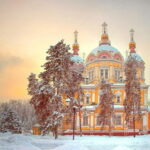
Then you hit Zenkov Cathedral for a longer visit and sightseeing time. This is one of those stops where the building itself does the talking. It is a Russian Orthodox cathedral known for its striking wooden architecture, and it earns attention even if you usually skip church interiors.
The best part is that you’re not rushed out of the area. You get time for photos and for a real look around. If you care about photography, this is a good place to slow down for a few minutes and try different viewpoints—especially since the guide often shares photo spots along the way.
A practical consideration: churches can mean cooler air inside, even when it’s warm outside. Bring a light layer if you run hot, and always keep an eye on surfaces if you’re taking close-up photos.
Walking culture at Panfilov Street and city center landmarks
Even though the timed stops focus on key sites, the route also covers the surrounding city experience. One street mentioned as part of the sightseeing is Panfilov Street, known for its architecture and lively day-to-day energy.
This kind of strolling is where you start to notice Almaty’s personality. You see how people use the space—where they pause, where they shop, and how architecture creates a sense of identity at street level. It’s not just monuments; it’s the city’s vibe in between.
Depending on the route, you may also pass or cover civic and national landmarks such as City Hall and the Monument of Independence. If you like understanding why a place matters, this section is where the guide connects the dots between Kazakhstan’s independence story and the way the city presents that identity.



Saint Ascension Cathedral and Eternal Fire: spiritual and solemn stops
The tour highlights include the Saint Ascension Cathedral, and the route also includes moments tied to national remembrance like the Eternal Fire memorial. These are the kind of stops that slow your eyes down.
Saint Ascension Cathedral is a Russian Orthodox landmark, so you get a clear cultural contrast against Central Asian street life. It’s also a strong photo target, especially if you want variety beyond market scenes and modern buildings.
Then you shift tone at the Eternal Fire area. A memorial stop is not for everyone, but it adds weight to the overall story of the city. If you treat it like a quick checkpoint, you’ll miss the point. Give it a minute or two, let the guide’s context land, and move on with a better understanding of why it’s here.
Green Bazaar: spices, shopping, and real Almaty energy
If I had to pick one stop that makes the tour feel local, it’s the Green Bazaar. This is where the city gets hands-on: fresh produce, spices, and everyday goods. It’s also a strong souvenir zone if you like buying small things that actually have a place in daily life.
I like bazaar stops because they teach you how people live, not just what they point at. You get to see how products are displayed, how shoppers move, and how the guide explains what you’re looking at—so it stops being confusing and starts being fun.
You’ll typically walk around, not just stand behind a rope. That matters for shopping because you need a chance to compare items. It’s also where photo guidance comes in—angles and timing make the difference between an okay snapshot and one that looks like you were really there.
One practical tip: bazaars can smell strongly and get warm. Water helps, and if you’re sensitive to spice scents, take it slow and breathe through your nose gently.
Chocolateria and food stops: tasting without rushing the meal
Food is part of the appeal here, but with one important reality check: food and drinks are not included. What you do get is guidance—suggestions for authentic Kazakh food and shopping stops that fit the route.
Chocolateria is specifically called out as a stop, and it’s an easy win if you want a sweet break without turning it into a full meal. Hand-made chocolates are a simple way to bring a taste of Almaty home, especially if you’re traveling light.
In real life, your best move is to ask the guide what to try based on what you like. One booking notes that the guide introduced Kazakh food based on the traveler’s request. So if you want something mild, vegetarian-friendly, or not-too-sweet, say so early.
Academy of Science, Palace of Republic, and Square of Independence
Not every stop is about walking into a building. Some are about understanding what the city values and how it shows those ideas in architecture.
The tour includes places such as the Academy of Science, the Palace of Republic, and the Square of Independence (plus other national monuments depending on the route). These sites help you connect Almaty’s modern identity to the bigger story of Kazakhstan as a country.
I find these civic and academic stops helpful even if you don’t nerd out on architecture. They break the tour up so it doesn’t feel like a nonstop march of churches and markets. Also, if you want conversation material for later—like what symbols mean or why certain buildings are placed where they are—this is where the guide gives you that context.
The secret-location bonus and how to use it
There’s also a secret-location bonus described as an insider spot not on the typical tourist map. The exact location can vary, but the purpose is the same: you get something that feels more like local life than an obvious checklist item.
This part is best if you stay curious. Ask what it is, why people go there, and what you should pay attention to while you’re there. If you like photography, also ask for one or two specific angles—this kind of stop often shines when you know where to stand.
Because it’s a bonus, you should not expect the same level of time as the major landmarks. Treat it as a quick hit that makes the whole tour feel more personal.
Private vs small group: which style suits you
You can do this tour as a private option or in a small group. The practical difference is the feel.
- Private works well if you want your pace and questions to drive the schedule. It’s also a good choice if you have a layover and want everything efficient.
- Small group gives you social energy while still keeping the group size manageable. It’s a good fit if you like hearing other questions and learning from them.
Both formats are led by an English-speaking guide, and both cover the key landmarks. If you’re traveling solo, small group can also help you feel less “on your own with a map.”
What the $70 price includes (and what you still pay for)
Let’s talk value in plain terms.
You pay $70 per person for a guided route that lasts about 3 to 3.5 hours. What’s included is the guide and headsets, which make it much easier to follow explanations outdoors and in busy areas. There’s also a metro ride part of the plan, which helps you see more without spending all your time walking.
What’s not included is food and drinks. That means you’ll likely spend a little along the way if you want snacks or tastings at the market. If you budget for a drink or a small bite, you’ll enjoy the food moments more instead of worrying about costs mid-walk.
The practical stuff to pack for Almaty’s streets
This tour is outdoors and includes walking, so pack for comfort more than fashion. Bring:
- Comfortable shoes
- Water
- Sunscreen
- Passport (a copy is accepted)
- Something light for changing weather, since it runs rain or shine
Also, expect airport-style security at the metro station. It’s not about being dramatic; it’s just how the system works there. Arriving prepared saves time and keeps the day relaxing.
Who this tour is best for
This tour fits best if you want a guided “greatest hits plus local texture” day without spending a whole afternoon planning.
It’s especially good for:
- Solo travelers who want structure and conversation
- People who like history and culture, but also want market life
- Photo lovers who benefit from guidance on where to stand
- Travelers who care about eating local, even if meals are on your own
It may not fit if you have mobility constraints. The tour info says it is not suitable for people with mobility impairments, likely because it involves walking and metro-area security.
Should you book Almaty Guides’ city tour?
Book it if you want an efficient, guide-led way to see Almaty’s major landmarks and still get market-level local life. The best reason is balance: you get cathedrals and civic sites, but you also get the Green Bazaar and chances to shop and snack.
Skip it if you hate walking, dislike security checks, or want a long unhurried day with minimal movement. In that case, you might prefer a slower, smaller route with fewer stops.
If you’re deciding between “sort of knowing Almaty” and “understanding how the city feels,” this one is a strong choice. You’ll leave with photos you can actually use, plus a clearer sense of Kazakh culture beyond the postcard version.
FAQ
How long is the Almaty City Tour?
It runs about 3 to 3.5 hours.
Where does the tour start?
The meeting point is at the entrance of Dostyk Hotel.
Is hotel pickup included?
Hotel pickup and drop-off are not included, but pickup may be optional. If pickup is arranged, you wait in the hotel lobby 10 minutes before the scheduled time.
What language is the tour guide?
The live tour guide is in English, and an optional audio guide is also available in English.
Are headsets provided?
Yes. Headsets are included to help you hear the guide clearly.
Is food and drinks included?
No. Food and drinks are not included, though the tour does include local food and shopping opportunities along the way.
Do I need to go through security?
You may pass through airport-style security at the metro station during the tour.
Is the tour suitable for people with mobility impairments?
No. It is not suitable for people with mobility impairments.