REVIEW · AMRITSAR
Amritsar Food Tour
Book on GetYourGuide →Operated by WalkandExplore · Bookable on GetYourGuide
You don’t have to guess what to eat in Amritsar. This food tour turns Punjabi comfort food into a guided city walk with stories and how-to tips. You’ll love the focus on authentic, high-hygiene spots and the way the guide adds context, not just plates. One thing to plan for: you’ll be eating a lot in a short window, so go in hungry and pace yourself.
I also like the variety built into the route: from dhaba-style classics to street-shop favorites, plus drinks and sweets. The guide makes it easy to follow along in English, Hindi, or Punjabi, depending on what you’re most comfortable with. If you’re expecting a formal sit-down restaurant meal, this is more street-smart and hands-on than that.
In This Review
- Key Points at a Glance
- Why Amritsar’s Food Tour Feels Like Local Life
- Start Outside McDonald’s: Easy Meeting, Less Time Wandering
- The Guide’s Job: More Than Orders and Bills
- What You’ll Actually Eat: 8–10 Punjabi Favorites in a Short Window
- Why the variety matters
- The “Recipe for Making It” Part (And How to Use It)
- From Dhaba to Street Shop: Hygiene and Trust Without Guesswork
- Transfers in 3 Hours: Why Rickshaws Are Part of the Plan
- Price and Value: $25 for 8–10 Tastes With a Real Guide
- Who This Tour Is Best For (And Who Might Prefer Something Else)
- Practical Tips Before You Go (So You Enjoy Every Bite)
- Should You Book This Amritsar Food Tour?
- FAQ
- What is the duration of the Amritsar Food Tour?
- How many food items will I try?
- Where does the tour meet?
- What languages is storytelling available in?
- How do you move between eating points?
- Is this tour private?
- How much does the tour cost?
- Is there a cancellation option?
Key Points at a Glance
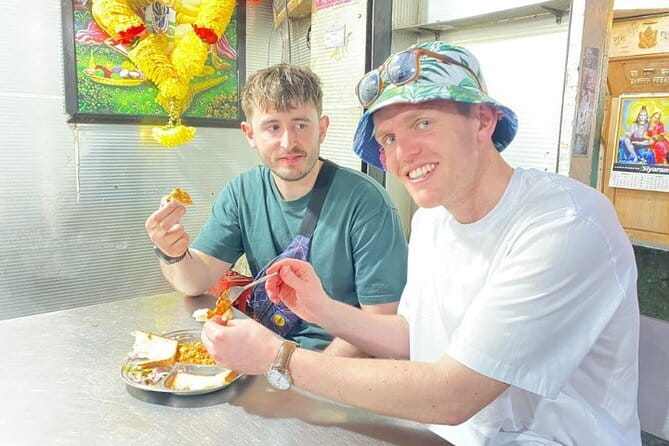
- 8–10 different local dishes in 3 hours, including drinks and sweets
- Story and history behind each item, so you understand what you’re eating
- Recipe-style guidance, with instructions you can try again later
- Short transfers by walking, rickshaw, or tuk-tuk between stops
- Practical money tips, including how to bargain and avoid overspending
- Guides like Hardik and Prerit are noted for choosing trustworthy places and sharing clear city context
Why Amritsar’s Food Tour Feels Like Local Life
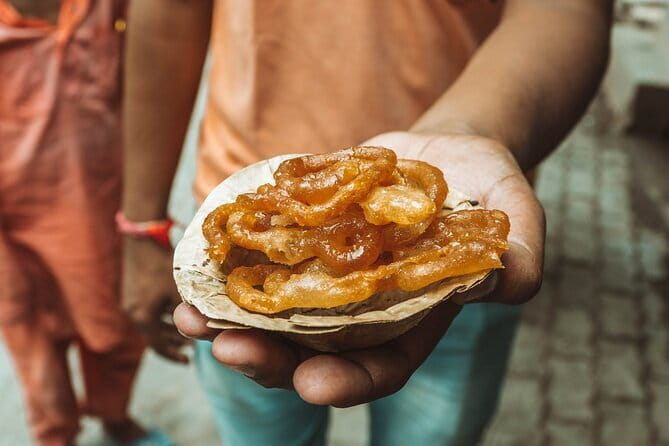
Amritsar food has a way of grabbing you fast. The flavors are bold, the menu choices are wide, and the city’s eating habits are part of everyday rhythm. This tour is designed to help you fit into that rhythm instead of just checking boxes.
The best part is that you don’t just get a list of dishes. You get the story and the logic behind them. That matters because Punjabi food isn’t random. It’s built around spices, cooking styles, and habits shaped by local culture. When your guide explains what’s happening and why, every bite makes more sense.
I also appreciate that the tour is structured around real eating points: famous dhabas, restaurants, and street shops. That keeps it grounded. You’re not stuck in a tourist bubble trying to figure out what’s authentic after the fact.
One practical note: this is a food-forward tour. You’ll eat multiple items close together, so treat it like a meal and bring a camera for quick photo moments between stops.
You can also read our reviews of more tours and experiences in Amritsar.



Start Outside McDonald’s: Easy Meeting, Less Time Wandering
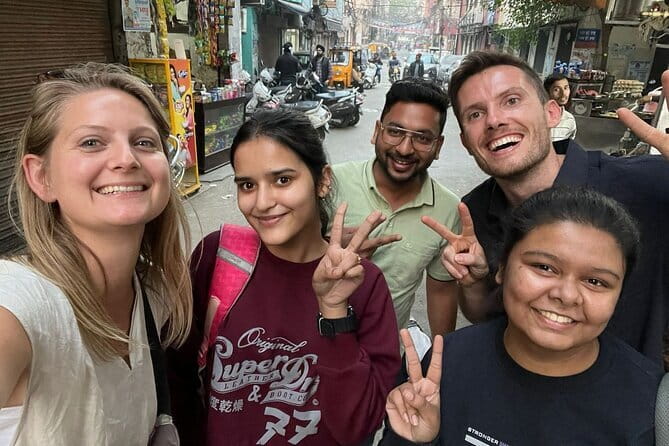
Your meeting point is outside of McDonald’s. That’s a surprisingly helpful detail when you’re in a city where streets can feel like a maze. You’ll spend less time trying to orient yourself, and more time doing what you came for: eating.
From there, the tour moves through the city with short transfers. The exact mix of walking versus rickshaw or tuk-tuk depends on the day and the stops, but the point is consistent: you won’t be stuck doing long haul travel between tastings. This keeps the 3-hour experience focused.
If you like walking tours, this still works. You’ll get movement, street scenes, and the sense of being in motion like locals do. If you don’t love walking, the option of rickshaw or tuk-tuk helps keep things comfortable.
The Guide’s Job: More Than Orders and Bills
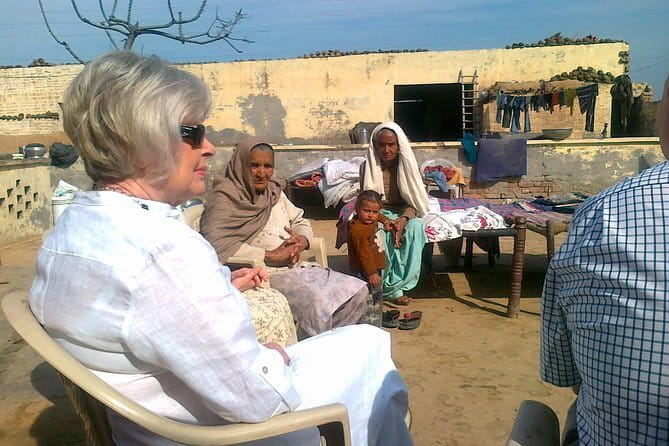
A good food tour guide can do two things at once. They can guide you through the right places, and they can make the food meaningful. This experience leans hard into both.
You’ll hear storytelling in Hindi, English, or Punjabi based on your convenience. That language choice isn’t a small detail. It changes how much you actually catch. When you understand the explanation, you understand the food too.
You’ll also get history and background behind each dish. That usually includes what the dish is, how people traditionally eat it, and what makes it typical for Amritsar or Punjabi cuisine. The stories are meant to help you remember, not just to fill time.
Many tours stop at facts. This one adds a practical side: tips for bargaining and saving money. You’ll learn what to watch for when you’re buying on the street, how to avoid getting pushed into higher prices, and how to keep control of your spending while still enjoying the experience.
What You’ll Actually Eat: 8–10 Punjabi Favorites in a Short Window
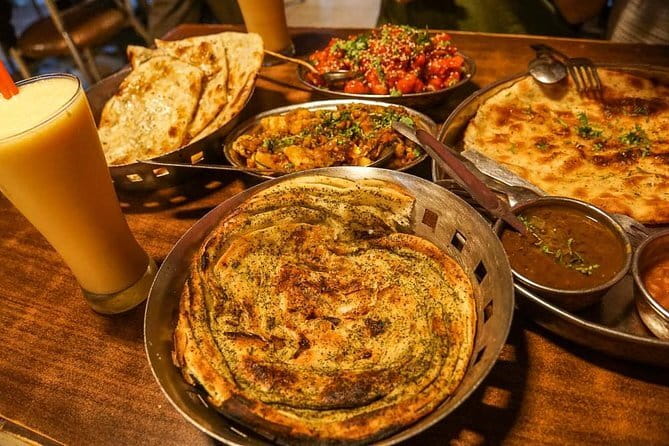
The headline is 8–10 authentic local food items plus beverages, served across multiple spots. In a 3-hour window, that’s a lot of variety. It’s also why the tour recommends coming with an empty stomach.
From the examples shared, you can expect dishes in the Punjabi comfort-food family. Some of the items mentioned include:
- Lassi, noted as outstanding
- Chole-puri and kulchas
- Chota puri with spicy carrots
- Nutri kulcha
- Gur ka halwa (sweet, syrupy dessert style)
- Paneer bhurji
- Bun maska dipped in chai, pairing bread and tea in a very Amritsar-ish way
You might also taste other items depending on the day and the guide’s choices, but the theme stays the same: classic, local, and meant to be eaten hot and fresh.
Why the variety matters
If you’ve ever tried to eat your way through Amritsar alone, you know the trap: you pick one place, you end up repeating similar flavors, and you miss the range. This tour avoids that by spreading your tastings across different food styles and stalls.
It also helps your palate adjust. One dish might be richer or spicier; the next might balance with bread texture, dairy, or sweetness. The beverage portion helps keep things moving without turning your tour into an endless stomach workout.





The “Recipe for Making It” Part (And How to Use It)

This tour isn’t only about tasting. You’ll also get recipe-style guidance. That means the guide explains how each food item is made—at least at the level you can recreate later.
This is useful in two ways:
- You’ll recognize ingredients and technique when you see them again in restaurants back home or even later in India.
- You get a souvenir you can use, not just a memory photo.
To make this section practical, I’d treat it like a cooking class you can eat through. If you’re serious about recreating something, take quick notes right then. Simple things matter: spice names, how sauces are built, and what makes the bread or filling different.
You’ll also hear the practical “story” side tied to the food—what people eat it with, when it’s popular, and how it fits into local meals. That context makes the recipe guidance easier to understand.
From Dhaba to Street Shop: Hygiene and Trust Without Guesswork

One of the biggest stress points for food travel is this: will it be good and clean? This tour is designed around spots chosen for authenticity and hygiene standards.
The stops include:
- Dhaba-style restaurants (where comfort and volume matter)
- Street shops (where speed and freshness matter)
- Trusted local eating points that make sense for first-time visitors
You don’t have to play detective. The guide handles selection, and you get transfers so you’re not wandering far between stops. That combination is valuable if it’s your first day and you want to avoid wasting hours searching.
Also, the guide conversation helps. If something looks confusing, you’ll have a live person to ask. That’s a big deal when menus are packed and you’re dealing with new spice levels.
Transfers in 3 Hours: Why Rickshaws Are Part of the Plan
This isn’t a “walk until you’re lost” experience. Transfers between eating points happen by walking, rickshaw, or tuk-tuk.
That choice affects comfort and timing:
- Short walks keep the tour lively and visual.
- Rickshaw or tuk-tuk help you cover more ground without turning the day into travel fatigue.
- It also keeps the food experience from getting delayed by long detours.
If you’re the type who gets cranky when a plan runs late, this structure helps. You’re eating on schedule, not waiting around.
Price and Value: $25 for 8–10 Tastes With a Real Guide
At $25 per person for about 3 hours, this is one of those deals that only makes sense when you look at what’s included.
You’re not paying just for food. You’re paying for:
- A guide with multilingual storytelling
- 8–10 food items and beverages
- Transfers between stops
- Extra guidance like bargaining and saving money
- A recipe-style explanation and local context
If you tried to copy this yourself, you’d spend time figuring out what’s authentic, where to go, and what to order. You’d also risk ordering too little variety or ending up at places that feel touristy.
So the “value” is not only the price tag. It’s the time saved and the confidence gained. For a first visit to Amritsar, that confidence can be worth a lot.
Who This Tour Is Best For (And Who Might Prefer Something Else)
This tour fits best if you want a fast, guided way to understand Amritsar’s food culture.
It’s especially good for:
- First-time visitors who want to eat a lot without researching every restaurant
- Food lovers who like stories and want the why behind flavor
- People who want practical help with pricing and ordering
- Anyone who enjoys walking through local streets while still being guided
It might not be ideal if:
- You hate spicy food. The tour includes classic Punjabi dishes, and many have spice built into them. You can still choose what feels comfortable, but the general theme is flavorful and often spicy.
- You prefer one long, slow sit-down meal. This is more sampling, moving, and eating across multiple stops.
A final note: this is a private group format. That usually makes it easier to ask questions and adjust pacing, compared with big group tours where everyone has to follow the same speed.
Practical Tips Before You Go (So You Enjoy Every Bite)
Go with a simple plan:
- Come with an empty stomach, since you’ll be eating 8–10 items in 3 hours.
- Bring a camera, because you’ll see plenty worth photographing between tastings.
- If you want the recipe part to stick, jot a few notes during the explanation.
- Keep an eye on pacing. You’ll feel the difference between rushing through and letting each item land.
If you’re unsure how to bargain, don’t wing it. The tour includes tips for bargaining and saving money, and that guidance is meant to keep you confident without starting a tense back-and-forth.
Should You Book This Amritsar Food Tour?
I’d book it if you’re visiting Amritsar for the food and you only have a short time window. It’s a strong first-day activity because it answers the key question—what should I eat next?—by letting you sample and learn in a single run.
I’d also book it if you care about authenticity and trust. With guides like Hardik and Prerit called out for choosing authentic spots and sharing helpful local context, you’re not just buying plates. You’re gaining a plan for your rest of your stay.
Pass on it if you want a very gentle pace, or if you want a fine-dining experience. This is street-smart, food-forward, and hands-on.
If your schedule is flexible, treat it as a priority. One solid food tour can turn a trip from guessing into knowing what to order.
FAQ
What is the duration of the Amritsar Food Tour?
The tour runs for 3 hours.
How many food items will I try?
You’ll sample 8–10 different authentic local food items, along with food and beverages.
Where does the tour meet?
The meeting point is outside of McDonald’s.
What languages is storytelling available in?
Storytelling is available in English, Hindi, and Punjabi, depending on your convenience.
How do you move between eating points?
Transfers are included and happen by walking, rickshaw, or tuk-tuk.
Is this tour private?
Yes, it’s a private group.
How much does the tour cost?
The price is $25 per person.
Is there a cancellation option?
You can cancel up to 24 hours in advance for a full refund.