REVIEW · AMRITSAR
Golden Temple and Jallianwala Bagh Guided Tour
Book on Viator →Operated by Walk and Explore · Bookable on Viator
Two places, one story that hits. This guided experience pairs Jallianwala Bagh with the Golden Temple and Langar, so you feel both the heavy past and the calm faith in one compact outing. I love the small-group format (up to 6), because it makes questions feel normal instead of rushed. I also love the focus on how Sikhism works day to day, especially the Langar area and the hands-on look at kitchen operations. One possible drawback: Jallianwala Bagh is about massacre and violence, so it can feel intense.
The timing is tight—about 2 hours 30 minutes—but the guide keeps it organized with clear English plus Hindi and Punjabi support. In Amritsar, I’ve seen this kind of storytelling style linked to guides like Hardik, Hardi, and Deepak, with an emphasis on why each place matters and how to read the symbols you’re seeing.
In This Review
- Key points to know before you go
- Why this Golden Temple plus Jallianwala Bagh walk works in 2.5 hours
- Meeting point, group size, and how the pace feels
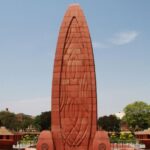
- Jallianwala Bagh: the 1919 massacre story on the ground
- Heritage Street and the Sikh museum stops that add context fast
- Dukh Bhanjani Ber Tree and the meaning of holy dips
- Entering the Golden Temple complex: what to wear and what to watch for
- Langar behind the scenes: free meals and the live kitchen operations
- Baba Deep Singh Gurudwara and Akal Takht: warrior memory to living authority
- Price and value: what $20.98 buys you in Amritsar
- What you’ll actually take away from this tour
- Who should book (and who might want a different plan)
- Should you book this Golden Temple and Jallianwala Bagh guided tour?
- FAQ
- How long is the Golden Temple and Jallianwala Bagh guided tour?
- What does the tour cost?
- Where does the tour start and end?
- Is admission included for the stops?
- Will I visit the Langar kitchen area and see live operations?
- What should I wear to enter the Golden Temple complex?
- How big is the group?
- What languages does the guide speak?
- Is hotel pickup or transportation included?
Key points to know before you go
- Small group size keeps the pace human and makes questions easier.
- Two emotional anchors: Jallianwala Bagh’s 1919 tragedy and the Golden Temple’s daily devotion.
- Langar is the highlight: you’ll learn how the world’s largest community kitchen runs and why it matters.
- You’ll cover key Sikh sites beyond the main temple, including Akal Takht.
- Dress for the temple complex: knees and shoulders need coverage.
Why this Golden Temple plus Jallianwala Bagh walk works in 2.5 hours
Amritsar has a special way of holding opposites at once. You can walk from a site of massacre and remembrance to a place of prayer, music, and everyday service without needing to change your mindset too much. That’s exactly what this tour does: it connects history and lived faith, instead of treating them like separate facts.
The biggest value is the order. Starting at Jallianwala Bagh sets the historical context for what came before Sikh institutions became even more central to identity, community, and resistance. Then the day shifts toward the Golden Temple complex, where you can slow down and pay attention to how people actually practice faith—through worship, through architecture, and through service.
And yes, you get practical sightseeing too. This is not a marathon. It’s a focused loop with short stop times that keeps you moving, learning, and still having a chance to just sit when the Golden Temple mood takes over.
You can also read our reviews of more tours and experiences in Amritsar.



Meeting point, group size, and how the pace feels
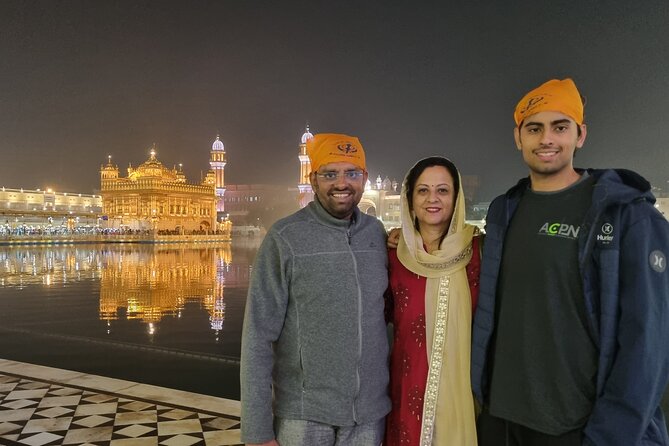
The tour starts at Jallianwala Bagh (Golden Temple Road area, Jallan Wala Bagh, Katra Ahluwalia, Amritsar Cantt., Punjab 143006). The experience ends back at the same meeting point, so you don’t have to think about where to find a ride at the end.
This runs for about 2 hours 30 minutes and caps at 6 travelers. That small size matters more than you might think. Amritsar streets can move fast. In a small group, you feel less like you’re dodging strangers and more like you’re walking with a plan. It also helps if you want clarification on things like Sikh philosophy, the meaning of architectural elements, or why certain dips and spaces are treated as meaningful.
You’ll also get a trained guide who can speak English, Hindi, and Punjabi. That usually shows up as clearer explanations, especially at the museum and during the Golden Temple facts section.
Jallianwala Bagh: the 1919 massacre story on the ground
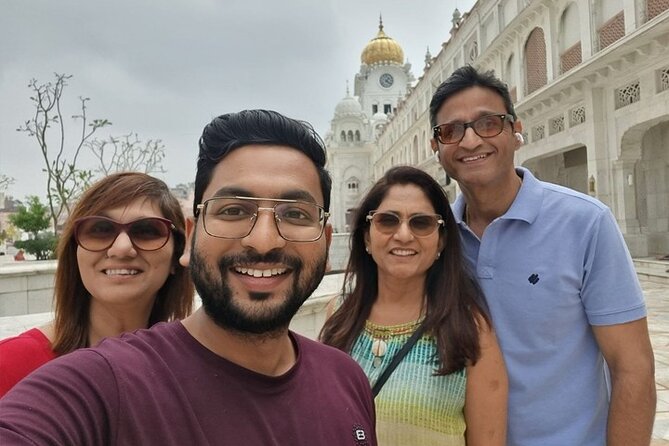
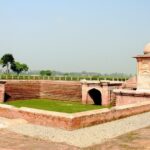
You begin at Jallianwala Bagh, and the tour gives you a brief intro before stepping into the memorial space. The point here isn’t just photos. It’s understanding what happened in 1919, and why this site still carries weight in India’s public memory.
You should know one thing up front: this part is emotionally heavy. If you’re sensitive to stories of violence or you’re traveling with young kids who get upset easily, plan your expectations accordingly. Even with a thoughtful guide, this stop can feel sobering.
The upside is that the tour doesn’t treat the massacre as a random tragedy. It’s placed at the start so the rest of the day lands with more meaning. When you later see a place built around community, equality, and shared service, you’ll understand the stakes behind that kind of spirituality.
Heritage Street and the Sikh museum stops that add context fast
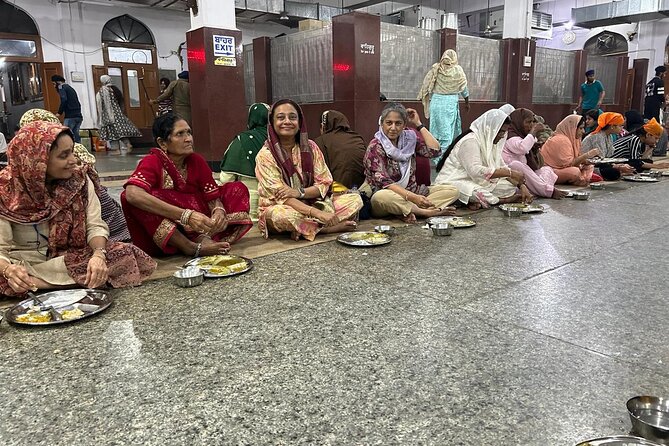
After Jallianwala Bagh, you walk toward the Golden Temple along Heritage Street. This is where you get Amritsar’s bigger picture: history and an introduction to Sikhism’s role in the city.
This segment is short, so you’ll want to use it actively. If something sparks curiosity—like a term related to Sikh tradition or an idea you hear the guide repeat—ask then. The guide has time to answer because the next stops are also structured for learning.
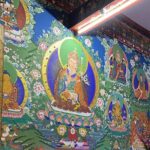
Next comes the Central Sikh Museum, where you’ll see how Sikh history and philosophy are communicated through art and paintings. This museum stop is valuable because it helps you “read” the Golden Temple complex later. When you understand how symbols and stories are presented, you’ll notice details you might otherwise skip.
One possible drawback here: museum time can feel quick if you like to linger. The schedule includes about 20 minutes at the museum, so it’s enough to get oriented and understand the main themes, but not enough for slow, deep browsing.
Dukh Bhanjani Ber Tree and the meaning of holy dips
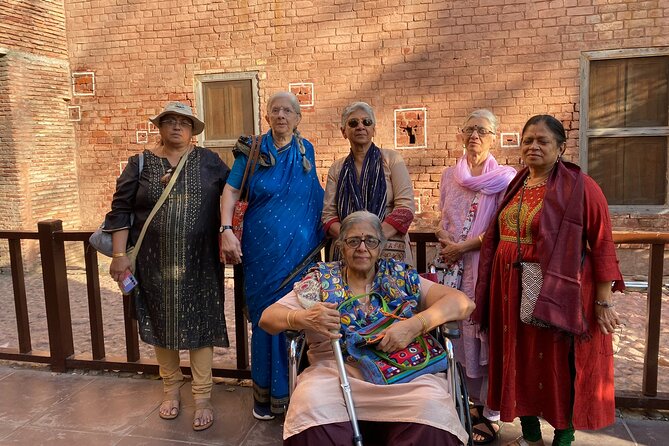
A small stop with a big theme comes next: the Dukh Bhanjani Ber Tree. The guide also explains the idea of holy dips in Amrit Sarovar, which is believed to have healing powers.
What I like about this stop is that it’s not treated like folklore with no context. The tour frames it within how people experience healing and spirituality in Sikh tradition—through sacred spaces and meaningful practices.
This is also a great moment to ask questions if you’re a practical thinker. You might wonder what “healing” means here: spiritual, emotional, symbolic, or all of the above. The tour format keeps the explanation focused, and it gives you language to think about what you’re seeing.





Entering the Golden Temple complex: what to wear and what to watch for
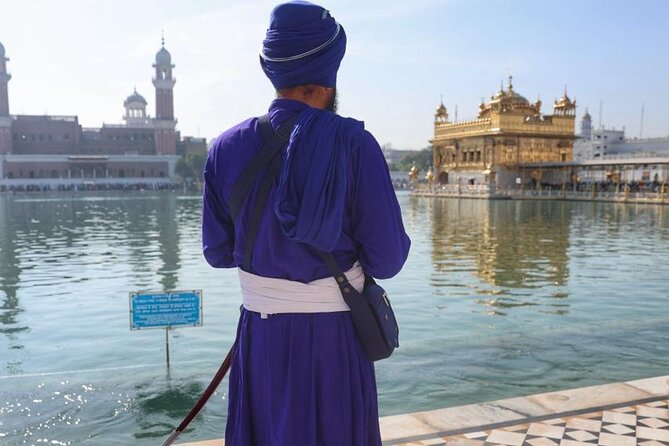
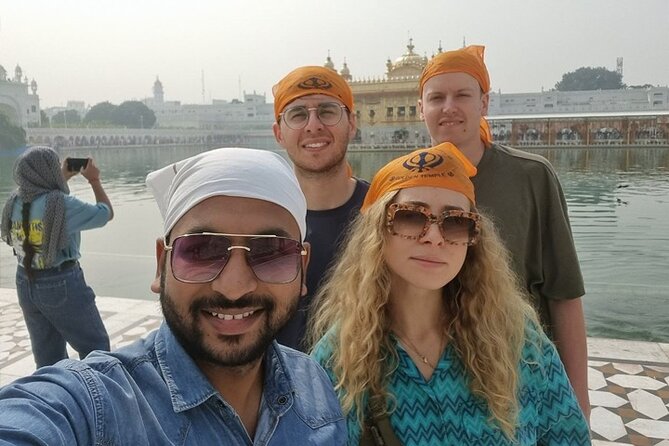
When you reach the Golden Temple complex, the first thing to prepare for is the dress requirement: cover knees and shoulders. This matters even if you don’t plan to stay long. If your outfit doesn’t fit, you’ll likely have to adjust before you can proceed in.
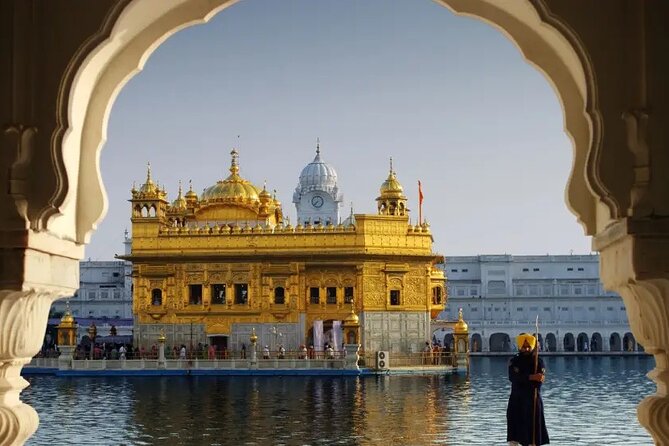
Inside, the experience shifts into another rhythm. You’ll hear about Gurbani with music around the temple complex, and the mood tends to feel peaceful and joyful. This is where the “guided” part pays off, because you’ll understand architecture facts and specific symbolic meanings instead of just admiring gold and marble.
You also get a structured Golden Temple portion that includes facts about architecture and “fantastic” details. The key is to slow your attention just enough to catch what the guide points out. A guided explanation helps you notice why the space is designed the way it is.
One consideration: if you have limited mobility, crowded temple areas can be tiring. The tour is about a walking route, and while the main stops are time-limited, the atmosphere can still mean standing and moving in close quarters.
Langar behind the scenes: free meals and the live kitchen operations
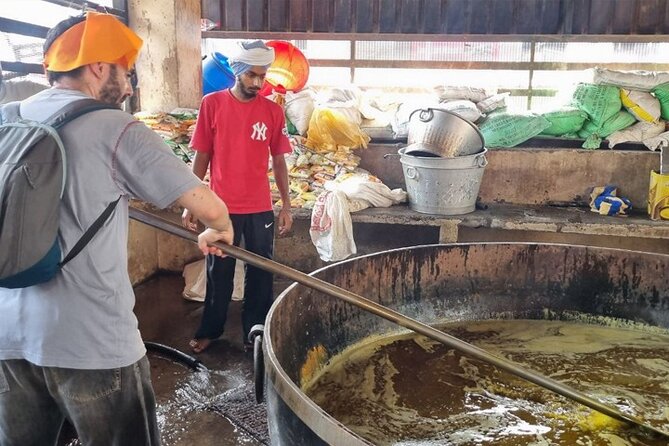
The Langar segment is the heart of the day. You’ll learn that the community kitchen feeds huge numbers each day—reported as 50,000 to 150,000 people daily—and you’ll get to experience live operations, including an exclusive backstage look.
This is one of those travel moments where you stop thinking like a tourist and start thinking like a visitor in a system of care. The tour doesn’t treat Langar as a neat cultural stop. It’s presented as a working example of how Sikh values show up in everyday logistics: feeding people, sharing space, and keeping the whole operation moving.
In the reviews tied to this experience, the kitchen tour gets described as an eye opener, and the sanctity of the temple is often mentioned as a real emotional factor—not just a visual one. That matches what this stop can do for you. Once you’ve seen the scale and rhythm, Langar feels less like a concept and more like a real human machine of generosity.
Practical note: food & drinks aren’t included in the tour details. So even though Langar is free, if you’re counting on snacks outside Langar, plan separately.
Baba Deep Singh Gurudwara and Akal Takht: warrior memory to living authority
The route then includes a pass by Baba Deep Singh Gurudwara, built in memory of the respected warrior in Sikh history. This is a quick stop, but it adds a different flavor to the day. If Langar shows daily service and prayer shows devotion, this stop reminds you that Sikh history also includes courage, sacrifice, and the idea of standing firm.
Next is Akal Takht, where you visit and learn about its importance in Sikhism. This part helps connect the Golden Temple complex to broader Sikh religious authority and tradition. Instead of treating the Golden Temple as a standalone landmark, you get a map of how key institutions fit together.
This is also a good time for questions, especially if you’re trying to understand Sikhism beyond names and dates. The guide’s storytelling approach is designed for understanding philosophy, not just collecting sights.
Price and value: what $20.98 buys you in Amritsar
At $20.98 per person, the tour is priced as a budget-friendly guided walking experience—especially considering what’s included. You get:
- A trained, multilingual storyteller guide (English, Hindi, Punjabi)
- Multiple stops that all tie into Sikh history and philosophy
- Langar access with a look at live kitchen operations
- Admission tickets listed as free for the stops
- A route that covers several major sites without requiring private transportation
Here’s how to think about the value. Paying a guide matters most when you need help interpreting meaning—like what you’re seeing in the museum, why architecture elements matter, and how Sikh concepts connect to daily practice. If you try to DIY this day, you can absolutely visit these places, but you’ll likely spend extra time figuring out what to prioritize and what you’re looking at.
The tour also has group discounts and uses mobile tickets, which can make the day feel smoother than paper tickets and repeated check-ins.
What you’ll actually take away from this tour
If you do this tour well, you’ll walk away with more than “I saw the Golden Temple.” You’ll understand:
- Why Amritsar is a spiritual center for Sikhs
- How Sikhism shows up in communal service through Langar
- How historical events like 1919 are remembered in public space
- Why sites around the Golden Temple complex each carry their own role, from prayer spaces to institutions like Akal Takht
I also like that the route keeps conversations practical. Instead of dumping dates, the guide emphasizes stories and explanations—history and philosophy paired with what you’re standing next to.
And because the group is small, you can ask follow-ups when something clicks. That’s when tours become memorable, not just informative.
Who should book (and who might want a different plan)
This tour is a great fit if you:
- Want a guided overview that connects tragedy + faith + everyday service
- Like learning through storytelling and explanations as you walk
- Prefer a compact itinerary rather than a half-day of hopping with no context
- Appreciate small groups (max 6) and a guide who can handle questions
You might want to consider a different plan if:
- You’re not comfortable with massacre-related history at Jallianwala Bagh
- You prefer long museum browsing and slow pacing (this is more structured)
- You need a fully seated experience, since you’ll be moving between multiple sites
Should you book this Golden Temple and Jallianwala Bagh guided tour?
Yes—if you want an organized day that makes sense of Amritsar instead of just showing you the highlights. The best reason to book is the pairing: starting with Jallianwala Bagh gives context, and ending with Langar and Golden Temple practices shows the other side of the story. That combination is hard to replicate on your own without research.
Also, if you care about meaning, not just landmarks, the guide-led approach is the main value. With guides described in past experiences as attentive and passionate—names like Hardik, Hardi, and Deepak—you’re likely to get clear explanations and a more respectful way of moving through sacred spaces.
If you’re deciding last-minute, look at the schedule and commit. There’s free cancellation up to 24 hours before start time, so you can book confidently and still adjust if plans change.
FAQ
How long is the Golden Temple and Jallianwala Bagh guided tour?
It’s about 2 hours 30 minutes (approx.).
What does the tour cost?
The price is $20.98 per person.
Where does the tour start and end?
It starts at Jallianwala Bagh on Golden Temple Rd, Amritsar, and it ends back at the same meeting point.
Is admission included for the stops?
Admission tickets are listed as free for the stops mentioned in the itinerary.
Will I visit the Langar kitchen area and see live operations?
Yes. The tour includes Langar (the community kitchen) and an experience described as live operations, with exclusive access to the kitchen backstage.
What should I wear to enter the Golden Temple complex?
You should wear clothes that cover your knees and shoulders to enter the Golden Temple complex.
How big is the group?
The tour has a maximum of 6 travelers.
What languages does the guide speak?
The guide can speak English, Hindi, and Punjabi.
Is hotel pickup or transportation included?
No. Private transportation and hotel pickup/drop are not included. The experience is designed as a walking guided tour from the meeting point.