REVIEW · AMRITSAR
Amritsar Full Day City Tour with Transportation (10 Hours)
Book on Viator →Operated by INCREDIBLE INDIA EXPLORE · Bookable on Viator
Golden Temple can feel like it comes from another world. This full-day Amritsar plan is built for first-timers and tight schedules, with comfortable private transportation and a clear set of big stops. I like that you get enough time at the Golden Temple to see why people come back again and again, and I also like the balance of sacred sites plus the Partition story at the Partition Museum. One drawback to plan for: the price includes a driver and taxi, but an English-speaking guide is extra, so you’ll want to confirm what you booked if you care a lot about commentary.
You also get multiple morning start times, so you can choose a departure that fits your day and energy level. The Wagah ceremony is a major payoff, and you’ll be glad the schedule builds in a dedicated block for it rather than squeezing it in at the end.
In This Review
- Quick hits before you go
- What you get for $20.99 and why it can be good value
- The day plan: how the stops fit together (and where you’ll feel it)
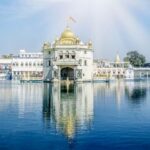
- Golden Temple: what 3 hours lets you do (and how to make it smooth)
- Jallianwala Bagh: one hour that should feel focused
- Partition Museum: the cost you should plan for (and why it matters)
- Wagah Border Ceremony: how to enjoy the Beating Retreat without getting lost
- Guide vs driver: the main detail that can change your day
- What to do with the extra time at the Golden Temple
- Who this tour suits best (and who might want a different format)
- Price reality check: the add-ons you should budget for
- Should you book this Amritsar full-day city tour?
- FAQ
- How long is the Amritsar full-day city tour?
- Does the tour include pickup?
- Is this a private tour?
- Are the Golden Temple and Jallianwala Bagh admission fees included?
- Do I need to pay for the Partition Museum?
- How much is Partition Museum admission?
- Is the Wagah Border Ceremony free?
- Is an English-speaking guide included?
- What does the tour price include?
- Is there free cancellation?
Quick hits before you go
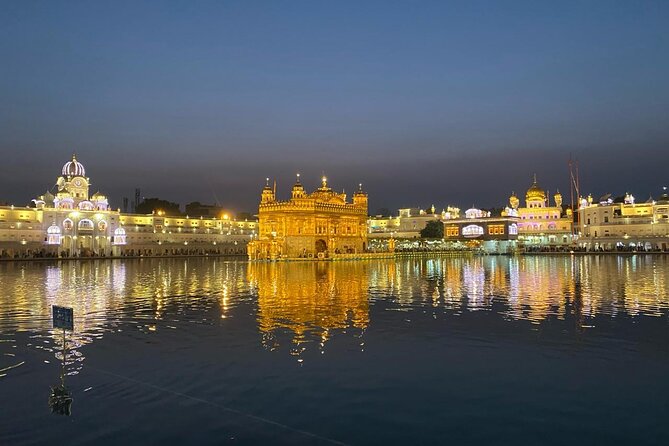
- Golden Temple time built in (about 3 hours) so you can slow down, not just pose and run
- Wagah Border Ceremony setup (about 3 hours) for a front-row kind of rhythm
- Partition Museum timing (about 2 hours) to make the emotional stops make more sense
- Driver + taxi included, plus bottled water and a head cover for the shrine
- Free entry for Golden Temple, Jallianwala Bagh, and the Wagah ceremony blocks
What you get for $20.99 and why it can be good value
At about $20.99 per person for roughly 9 hours, the value here is less about luxury and more about eliminating the hardest part of Amritsar on your own: figuring out transport while keeping your day in the right order.
This is a private setup for your group, not a crowded bus tour. Your core inclusions are simple and practical: a personal driver, a personal taxi, bottled water, and a new head cover to use at the Golden Temple. That head cover detail sounds minor, but it matters. The Golden Temple is a place where people expect visitors to dress and behave with care, and having the head cover handled saves you from last-minute shopping or stress.
Group discounts and mobile tickets are helpful if you’re traveling with others or want less paper stuff. Also, start times are flexible in the morning, which is useful in a city where traffic and queues can change your momentum fast.
Where value can slip for some people is the guide piece. An English-speaking guide is not included in the base price; it’s listed as an add-on per booking. In practice, that means you’ll likely have a driver who’s excellent with logistics, but commentary may be limited unless you paid for the English guide. If you want a guided narration through Partition-era context and symbolism at the sites, build that cost into your plan early.
You can also read our reviews of more tours and experiences in Amritsar.

The day plan: how the stops fit together (and where you’ll feel it)
This tour is a full-day circuit: Golden Temple first, then Jallianwala Bagh, then the Partition Museum, and finally Wagah. That order is smart. The Golden Temple sets the emotional tone of Amritsar’s Sikh identity, Jallianwala Bagh grounds you in the early 20th-century trauma, and the Partition Museum gives you the political context before you head to Wagah, where modern India-Pakistan tensions play out through ceremony.
The rough timing looks like this:
- Golden Temple: about 3 hours, admission free
- Jallianwala Bagh: about 1 hour, admission free
- Partition Museum: about 2 hours, admission not included
- Attari–Wagah Border area for the ceremony: about 3 hours, admission free
That totals about 9 hours. Add travel time and the reality of waiting, and you’ll feel the day as a single continuous push. You’ll want comfortable shoes and a “one thing at a time” mindset.
Golden Temple: what 3 hours lets you do (and how to make it smooth)
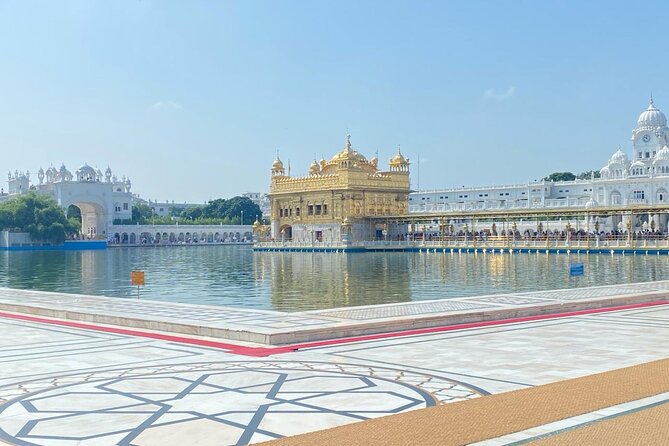
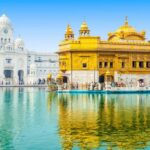
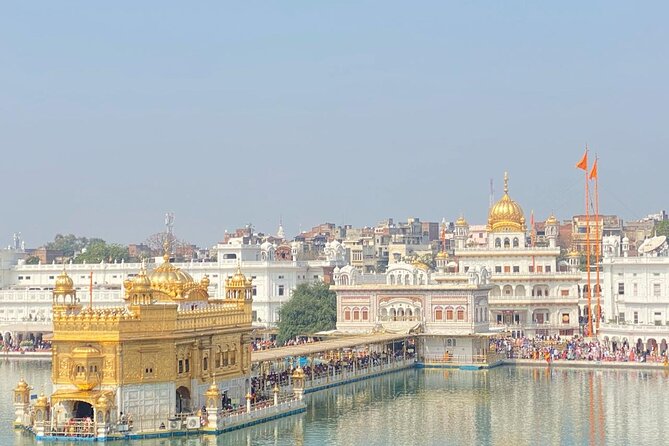
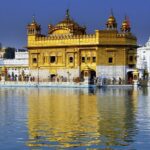
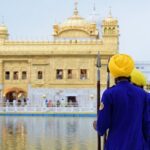
The Golden Temple, also known as Sri Harmandir Sahib, is one of those places where your attention keeps getting pulled in different directions. You don’t just see a shrine; you experience a living center of worship and community.
With around 3 hours, you’re not stuck rushing the moment you arrive. You have time to:
- walk the complex at a steady pace
- take in the main shrine area and surrounding spaces
- watch how people move through the site and follow routines
- sit for a while if the atmosphere pulls you that way
The tour also includes a head cover, which helps you get started faster and more respectfully. Golden Temple entry and time inside are included with free admission, so you’re not juggling extra payments just to get into the right mindset.
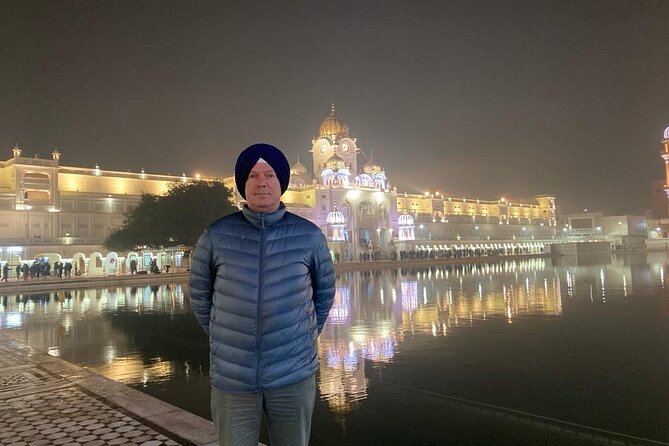
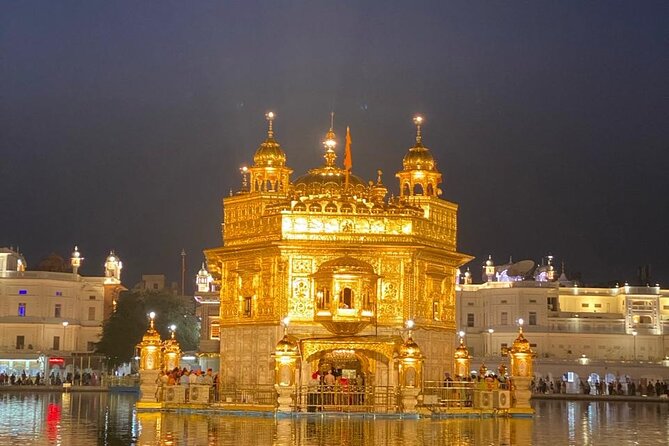
One detail that can make the visit feel extra special: in some cases, you may catch the reflection of the temple in the water at night, depending on timing. If your schedule runs later, keep an eye on the changing light. Even if you don’t catch it after dark, the water and gilded features still do a lot for your photos and your sense of scale.
What I’d watch for as a practical matter is crowd flow. Even when the group is private, you’ll still be sharing the space with worshippers and visitors. A longer block of time helps because you’re not stuck doing a quick scramble through the busiest path.
Jallianwala Bagh: one hour that should feel focused
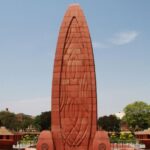
After the Golden Temple, the switch to Jallianwala Bagh is heavy. This historic public garden is most known for the April 13, 1919 massacre during the British colonial era.
In about 1 hour, you won’t “finish the topic.” But you can give it the attention it deserves. The key is to treat it like a stop for learning and reflection rather than sightseeing.
What makes this stop valuable inside the overall itinerary is pacing. You’ve already seen the spiritual heart of Amritsar. Then you’re asked to face the rupture in the story of the region. The tour doesn’t pretend these subjects are easy to process quickly, so that one-hour segment works best if you keep your phone use down and read signs at your own pace.
Admission is free here, so the cost side is simple. The main thing to bring is emotional readiness. If you’re sensitive to historical violence, take your time around the most difficult parts and don’t feel pressured to rush out.
Partition Museum: the cost you should plan for (and why it matters)
The Partition Museum is where the day often turns from “I saw places” into “I understand what I saw.” It covers exhibits and artifacts, photos, and documents about the India-Pakistan Partition.
The important practical detail: museum admission is not included. The listed fees are:
- For non-Indians: ₹250 per person
- For Indians: ₹10 per person
The museum stop is about 2 hours and, if you’re paying attention, that’s enough time to connect the museum’s story to what you felt earlier at Jallianwala Bagh and what you’ll see at Wagah later.
If you’re traveling with someone who likes context, this is the stop that justifies an English-speaking guide the most. The museum format is built for reading and interpretation, and that’s where a guide can help you make sense of what you’re looking at.
Even without a guide, you’ll likely get more out of it if you go in with the mindset that Partition wasn’t just politics. It was people—families, losses, displacement—and the museum’s collection is designed to communicate that through exhibits and documents.

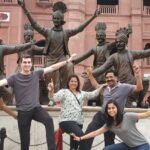
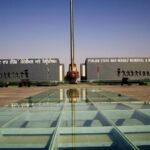
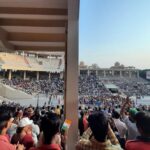
Wagah Border Ceremony: how to enjoy the Beating Retreat without getting lost
The final stop is the Attari–Wagah Border, built around the daily border ceremony often called the Wagah Border Ceremony or Beating Retreat. It happens every evening before the border closing ceremony.
This is the “big spectacle” portion of the day, and the tour gives it about 3 hours, which is crucial. Ceremonies like this have a rhythm: getting into position, the build-up, and the performance itself. If you try to time it casually, you’ll end up stressed. With this schedule, you can settle and focus on the event.
Admission is free for this part of the experience. The pay you make is time and attention, plus the energy needed after the earlier emotional stops.
To enjoy it, keep your expectations realistic. It’s not subtle history. It’s a theatrical ritual with crowd energy and a modern political edge. If you accept it on its terms, it becomes memorable.
If you’re the type who likes to watch how people behave under strict ceremonial rules, this stop is a great lesson in how ceremony can move thousands of people into one synchronized mood.
Guide vs driver: the main detail that can change your day
Here’s the key nuance that can make or break satisfaction: this tour includes a driver and taxi, but it lists an English-speaking guide as a paid add-on (₹1,500 per booking). That matches what you might experience in real life.
In one account, a traveler expected driver plus guide, but the day started with only the driver. The driver was kind and helpful, yet that mismatch in expectation matters. On the brighter side, other days can include standout guides. In one case, a driver named Amritpal and a guide named Anmol were described as amazing, and the experience felt complete because the human connection was there. In another, guides Sultan and Lazia made the day enjoyable, and another guide name you might see associated with this kind of tour is Wawa.
So how do you plan this smart? Ask yourself what you want most:
- If you mainly care about seeing the sights and you can read signage or use your own background knowledge, a great driver can be enough.
- If you want history explained at each stop and you prefer to ask questions, budget for the English guide.
Either way, the inclusion of the driver is a real advantage. You’re not wrestling with routes, parking, and timing. You’re just riding.
What to do with the extra time at the Golden Temple
The Golden Temple block is long enough that you can do more than the checklist. People often remember the food side as much as the architecture. One account highlighted the kitchen and volunteer-run feeding, describing it as mind boggling and rooted in community effort. Even if your exact tour flow varies, it’s worth knowing that the feeding system is a huge part of the place’s meaning.
Another practical memory from that same kind of experience: the atmosphere can change depending on the time of day. That’s why the tour’s morning start flexibility is useful. If you choose a departure that gets you to the temple at the right hour for your preferences, you can shape your day’s mood.
Who this tour suits best (and who might want a different format)
This is a strong fit if:
- it’s your first time in Amritsar and you want the core hits in one day
- you want transportation handled and a private group setup
- you like structured sightseeing with a clear order (temple → memorial → museum → ceremony)
- you’re okay paying extra only if you want an English guide for more commentary
It may be less ideal if:
- you expect an English-speaking guide automatically
- you’re looking for a fully paced “walking commentary” style tour without any planning on your side
- you want less emotional intensity, because Jallianwala Bagh and Partition Museum are not light stops
If you’re traveling as a couple or small family, the private taxi setup usually feels more comfortable than sharing time with strangers. If you’re traveling solo, it can still work well because you’re not navigating the city alone.
Price reality check: the add-ons you should budget for
The headline price is low, but don’t ignore the two possible add-on costs that can appear during the day:
- Partition Museum admission (₹250 for non-Indians, ₹10 for Indians)
- English-speaking guide (₹1,500 per booking)
If you’re paying for an English guide, the total cost can rise quickly depending on group size and whether the guide fee is per booking (it’s listed per booking). Still, for many visitors, paying for an English guide is the best way to get more value from the Partition Museum and to make the emotional stops feel clearer rather than random.
If you’re not paying for a guide, the driver can still make the route smooth. Just plan to rely on your own reading and your own questions.
Should you book this Amritsar full-day city tour?
Book it if you want a straightforward day that covers Amritsar’s biggest must-sees with transport handled, and you’d rather spend your energy on the places than on navigation. The Golden Temple time plus a dedicated Wagah ceremony block is a solid pairing, and the museum stop gives the day more meaning.
Consider adjusting your plan before you pay if you care a lot about English narration. The tour can be excellent with the right guide in place, and other setups can feel incomplete if you expected more than a driver. If you’re clear about what’s included for your booking, you’ll likely find this is a good value way to see Amritsar in one long, memorable push.
FAQ
How long is the Amritsar full-day city tour?
It runs about 9 hours (listed as roughly 10 hours with transportation).
Does the tour include pickup?
Yes, pickup is offered.
Is this a private tour?
Yes. It’s private, and only your group participates.
Are the Golden Temple and Jallianwala Bagh admission fees included?
Yes. Admission for both Golden Temple and Jallianwala Bagh is listed as free.
Do I need to pay for the Partition Museum?
Yes. Partition Museum admission is not included, and the price depends on whether you’re Indian or non-Indian.
How much is Partition Museum admission?
For non-Indians it’s ₹250 per person, and for Indians it’s ₹10 per person.
Is the Wagah Border Ceremony free?
Yes. Admission for the Wagah border ceremony stop is listed as free.
Is an English-speaking guide included?
No. An English-speaking guide is listed as an extra cost of ₹1,500 per booking.
What does the tour price include?
It includes a personal driver, a personal taxi, bottled water, and a new head cover.
Is there free cancellation?
Yes. You can cancel up to 24 hours in advance for a full refund.