REVIEW · AMRITSAR
Amritsar: Full-Day Private Sightseeing Tour w/ Wagah Border
Book on GetYourGuide →Operated by Indian Thematic Tours · Bookable on GetYourGuide
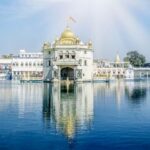
A day of faith and flashpoints in Amritsar. This private full-day route is built to show you the Golden Temple at a slow, respectful pace, with time around the sarovar and the free langar kitchen that keeps the place running.
I also love ending with the Wagah border ceremony—the parade feel, flag-lowering moment, and synchronized performances make it a real event, not just a photo stop. One thing to plan for: it is a lot of walking, and you can’t bring luggage or large bags, so wear comfortable shoes and keep your pack light.
In This Review
- Quick highlights you’ll plan around
- A one-day Amritsar route that makes sense
- Entering the Golden Temple: sarovar walks and langar reality
- What to watch for
- Jallianwala Bagh: bullet marks, a small museum, and respect
- A possible consideration
- Partition Museum: 1947 through stories, film, and memory
- Lunch note (and how to use the gap)
- Maharaja Ranjit Singh Museum: history you can see with your own eyes
- Good to know
- Gobindgarh Fort: museums inside plus a sound and light show
- A small pacing tip
- Wagah border ceremony: how to get the most from the big finale
- What you should expect as a watcher
- Price and logistics: is $87 a good deal?
- Who this tour fits best (and who should rethink it)
- Quick practical tips to make the day smoother
- Should you book this Amritsar private day with Wagah?
- FAQ
- How long is the Amritsar full-day private tour with Wagah?
- What’s included in the price?
- Are entry tickets to monuments included?
- Is lunch included?
- Is the tour suitable for people with mobility impairments?
- Are luggage or large bags allowed?
Quick highlights you’ll plan around
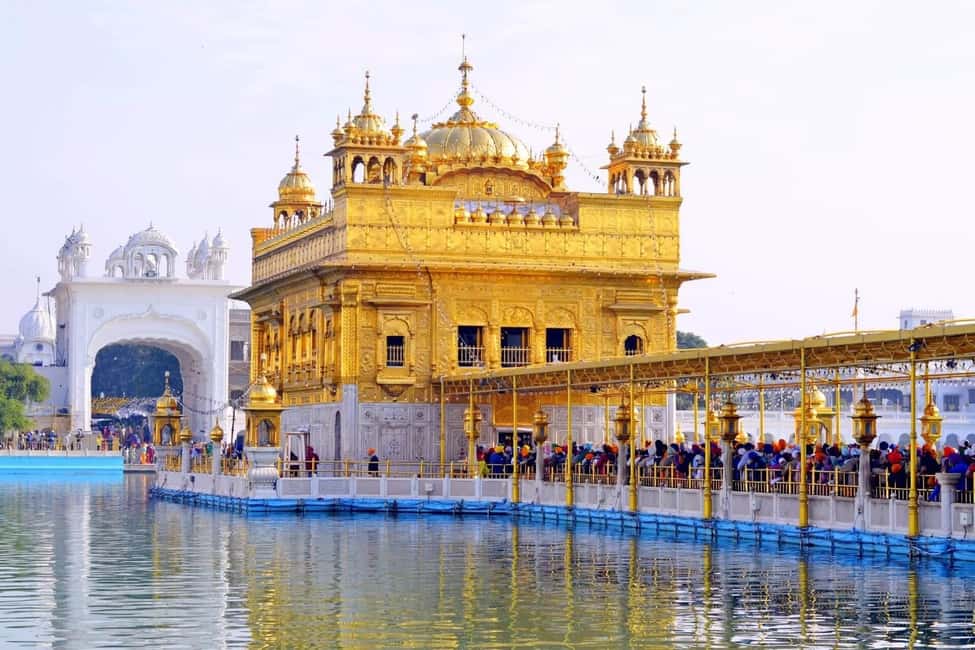
- Golden Temple timing and flow: walk the sarovar area, visit the central temple, then see how langar feeds people every day
- Jallianwala Bagh memorial specifics: bullet marks on the walls and a focused small museum help you understand 1919
- Partition Museum for human-scale stories: documentaries, exhibits, and oral histories that put faces to 1947
- Maharaja Ranjit Singh Museum connection: a museum housed in the summer palace adds context to Sikh Empire life
- Gobindgarh Fort beyond photos: fort museums plus a sound and light show that explains the site
- Wagah ceremony viewing tips: a dedicated queue for foreigners can save time and stress, and you’ll still feel the crowd energy
A one-day Amritsar route that makes sense
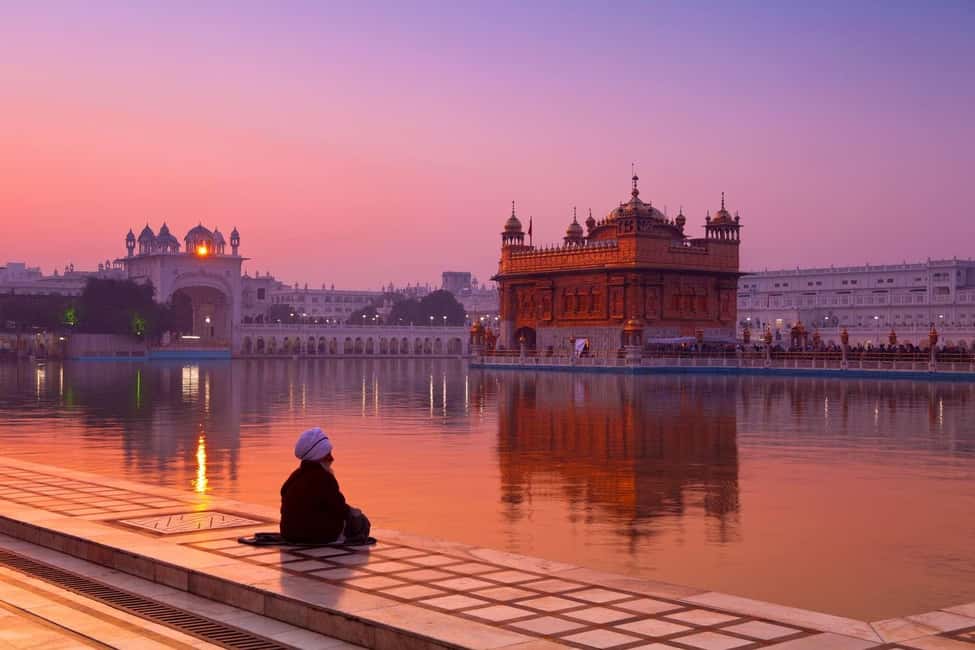
Amritsar can feel like two different cities in one day. In the morning you’re in a calm, spiritual rhythm. By evening, you’re watching a highly choreographed border ceremony that turns history and nationalism into something you can see and hear.
This tour works well because it stitches the big emotional beats together: Sikh faith and community first, then 1919 and 1947 memory, then imperial-era Amritsar, and finally Wagah. Since you have a private vehicle and a live guide, you’re not spending your time figuring out transport or arguing about routes.
Also, it’s private, so the pace can match your needs better than a group tour. I’ve seen guides on this route like Ingriet, Prince, and Lovepreet praised for keeping the day on your interests, not turning the trip into a shopping schedule.
The one downside of “full-day everything” is simple: it’s still a full day. Even with good logistics, you’ll be moving between sites and doing a fair amount of walking.
You can also read our reviews of more tours and experiences in Amritsar.



Entering the Golden Temple: sarovar walks and langar reality
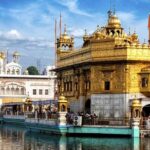
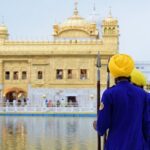
Your day usually starts at the Golden Temple, the holiest shrine in Sikhism. The first win here is that you don’t rush. You walk around the sarovar (the holy water tank) area, take in the architecture, and then you’re guided toward the central temple.
What I like about including the sarovar walk is that it helps you slow down fast. People come here for spirituality, but you also start noticing details: the way the space is organized for worship, and how the design encourages quiet movement rather than sightseeing chaos.
Then comes the part that often leaves the biggest impression: langar, the community kitchen. Seeing it as an active system, not just a side stop, changes how you understand the place. It’s free meals for thousands daily, and it’s tied to the idea that service is part of faith, not a performance.
A practical note: this is a sacred site, so you’ll want to be ready for rules and respectful behavior. Since the tour includes a guide, you’ll have someone to help you do the basics right the first time.
What to watch for
- Plan for gentle walking and a bit of waiting depending on crowd levels
- Expect a more reflective mood than typical tourist attractions
- Save time for langar, even if you think it will just feel like a line
Jallianwala Bagh: bullet marks, a small museum, and respect
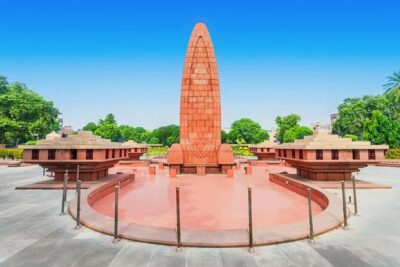
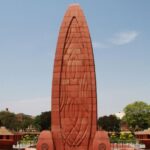
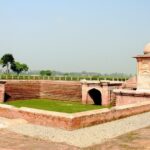
A short walk from the Golden Temple brings you to Jallianwala Bagh, the memorial site for the tragic massacre of 1919. This is not just a garden with plaques. The tour focuses on the memorial experience: you explore the garden area, see bullet marks on the walls, and then visit a small museum that adds context to what happened that day.
That bullet-mark detail matters. It’s one of those things that turns history from text into a physical reminder. A guide also helps you connect the site to the larger story without turning the visit into a debate or a shock-fest.
After the Jallianwala Bagh stop, you shift into an even bigger scope with the next museum, but the emotional tone stays serious. That contrast is one reason this itinerary works: the day doesn’t hop around without meaning.
A possible consideration
If you’re sensitive to heavy historical material, plan a moment to breathe after the memorial portion. This tour keeps moving, so it helps to know you might need a short pause before the next museum stop.



Partition Museum: 1947 through stories, film, and memory
Next up is the Partition Museum, focused on the 1947 Partition of India and the mass migrations that followed. Instead of only dates and maps, this museum leans on personal stories, with exhibits, documentaries, and oral histories.
I value this stop because it changes how you interpret everything you’ll see later. Amritsar wasn’t only about kings and temples. It was also a place shaped by forced movement and lost homes. When a tour includes Partition in a structured way, you come away with more than a set of photos.
Even if you’ve read about Partition before, the museum approach can still hit differently because it uses voices and narratives. The guide helps you understand what you’re looking at and why those details were chosen.
Lunch note (and how to use the gap)
A traditional Punjabi meal is included in the plan, but lunch isn’t included in the tour price. That gives you flexibility for what you eat. If you have preferences, mention them to your guide early so you’re not stuck with a random option later in the day.
If you want local classics, you might find Amritsari kulcha, butter chicken, and lassi on menus around this area, and this route typically steers you toward a traditional sit-down meal.
Maharaja Ranjit Singh Museum: history you can see with your own eyes
After lunch, you visit the Maharaja Ranjit Singh Museum, housed in the summer palace of the first maharaja of the Sikh Empire. This stop adds a different angle to Amritsar: leadership, power, art, and the objects that represent a ruler’s world.
The museum focuses on artifacts and interpretive exhibits, including paintings and weapons from Maharaja Ranjit Singh’s era. For me, the value here is that it connects the names you might hear in history lessons to real objects and a sense of court life.
Also, the tour doesn’t treat this like a quick stop-and-go. You get enough time to read the displays and understand what the museum is trying to communicate: who the maharaja was and why his legacy mattered.
Good to know
You’ll want comfortable shoes here too. Museums are physical spaces with floors to cover, and the overall day is already busy.
Gobindgarh Fort: museums inside plus a sound and light show
In the afternoon, the tour heads to Gobindgarh Fort, an important historic site for Amritsar’s military story. You walk through the fort and visit the museums within.
What makes this stop better than a simple exterior photo session is the inclusion of a sound and light show. Even if you’re not a fan of shows in general, this format helps stitch events together and gives you a framework for what you’re seeing around the fort. It’s one of those “useful when you want context fast” additions.
Fort sites can feel repetitive if you’ve visited multiple forts already. Gobindgarh avoids that slightly because the museums and the show do different jobs: objects for learning, audio-visual presentation for pacing and continuity.
A small pacing tip
Because this is a full-day tour, keep your energy for the show. If you’re tired, the fort museums can blur together. The show tends to reset your attention.
Wagah border ceremony: how to get the most from the big finale
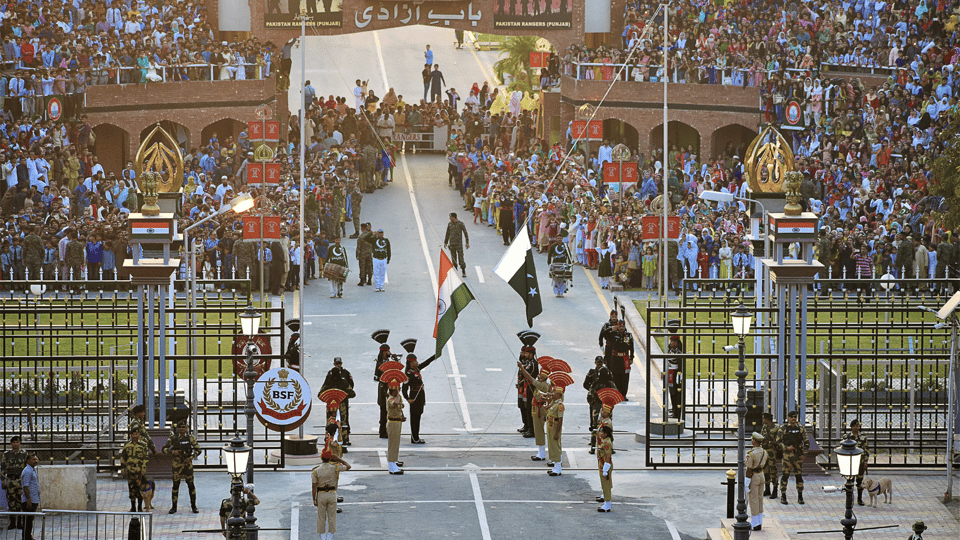
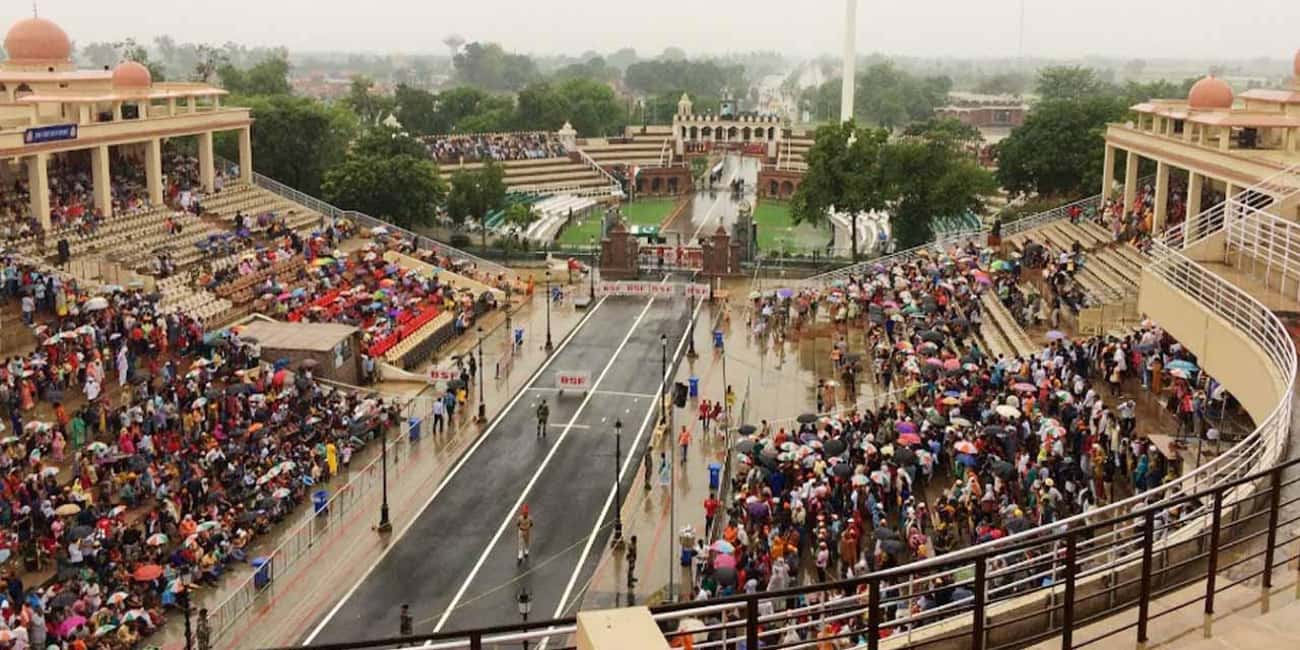
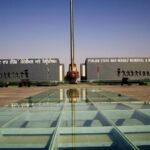
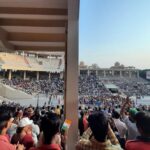
The day ends with a drive to the India-Pakistan border for the Wagah border ceremony. This daily military practice has been jointly followed since 1959 by India’s Border Security Force and Pakistan’s Pakistan Rangers. It’s designed as a performance with a clear structure: parade moments, flag lowering, and high-energy synchronized displays.
Even if you’ve seen videos, watching it live is different. The crowd reacts in real time, and the pacing feels sharper because you’re physically inside the event.
One important practical point: the tour includes help to get you into the right viewing setup. In particular, guides like Prince are known for directing visitors to the queue dedicated to foreigners. That kind of guidance can save time and reduce stress right when lines and gates start moving.
Also, the ceremony itself is free, but you still need to get there and be ready for the queue and timing. A guide makes a difference here because they’ll help you handle the logistics while you focus on the spectacle.
What you should expect as a watcher
- A crowd with strong energy and clear formation rules
- Visual moments that build toward the flag-lowering segment
- A vibe that’s part ceremony, part crowd theatre
Price and logistics: is $87 a good deal?
This tour is listed around $87 per person for a full-day private experience in Amritsar, including hotel pickup and drop-off, private air-conditioned vehicle transport, a live guide, and a bottle of water.
The big value is that you’re paying for convenience plus interpretation. You’re not only visiting sites; you’re doing them in a sensible order with a guide who can explain what you’re seeing and keep the day moving. For many people, that’s worth more than saving a little by going DIY, especially when you want to include something logistically specific like Wagah.
That said, the price doesn’t cover entry tickets to monuments, and lunch isn’t included. So your real total will depend on your ticket costs and meal choice. Still, the core structure is cost-efficient for what you’re getting: multiple major stops plus border ceremony viewing in one day.
If you’re traveling as a couple or small group, private transport and pickup usually makes the math look even better. If you’re solo and on a tight budget, you might weigh whether the included guide and transport are worth the upgrade from cheaper shared options.
Who this tour fits best (and who should rethink it)
This is a strong choice if you want a focused, guided day that hits major Amritsar landmarks without sorting out each connection yourself. It’s also a good match if you like your sightseeing to come with context—Jallianwala Bagh and Partition are both heavy topics, and you’ll likely appreciate having explanations tied to the sites.
It may not be ideal if you have mobility concerns. The tour is not suitable for people with mobility impairments, and the day involves walking between multiple locations.
It’s also worth noting a gear rule: luggage or large bags aren’t allowed. If you’re traveling with more than a small day bag, plan to keep it minimal or check what your current travel setup can handle.
Language support is solid: guides are available in English, Hindi, and Punjabi, which is helpful if you want to ask questions and get clear answers.
Quick practical tips to make the day smoother
A few small choices make this route feel easier.
First, wear shoes you can stand and walk in for hours. The itinerary includes temple areas, memorial gardens, fort areas, and a border ceremony with waiting and lines.
Second, keep your bags small. The “no luggage or large bags” rule can sound minor until you’re at a gate.
Third, bring patience for emotional sites. Jallianwala Bagh and Partition Museum visits can feel intense. A guide can help you manage your pace, and private time can let you slow down without holding up other people.
Finally, talk to your guide about your food preferences before lunch. Since lunch isn’t included, you’ll get better results when the plan matches what you actually want to eat.
Should you book this Amritsar private day with Wagah?
I’d book it if you want a well-paced day that connects faith, memory, empire-era context, and the Wagah ceremony without turning Amritsar into a scavenger hunt. The private transport and live guide help you move smoothly between stops, and the lineup covers the major emotional and cultural landmarks most people come to see.
I’d skip it or choose a lighter alternative if you’re not comfortable with long walking days or if you need mobility-friendly arrangements. Also, if you hate historical memorials or you’re expecting a mostly entertainment-focused itinerary, the Jallianwala Bagh and Partition Museum stops will be heavy.
If you want one guided day that gives you structure and meaning, this tour is a practical way to do it—especially for the Golden Temple morning and the Wagah finale.
FAQ
How long is the Amritsar full-day private tour with Wagah?
The tour duration is 1 day. You can check availability for the starting times.
What’s included in the price?
Hotel pickup and drop-off, private air-conditioned transportation, a live tour guide, and a bottle of water are included.
Are entry tickets to monuments included?
No. Entry tickets to monuments are not included in the tour price.
Is lunch included?
No. Lunch is not included. The tour plans a traditional Punjabi meal, but you’ll pay for it separately.
Is the tour suitable for people with mobility impairments?
No. The tour is not suitable for people with mobility impairments.
Are luggage or large bags allowed?
No. Luggage or large bags are not allowed. Comfortable shoes are recommended.