Two hours of Amritsar food starts fast. This 7:00 pm walk takes you off the main paths to family-run bites in the old city, led by a guide who keeps you moving through tight lanes with no navigation worries. I like that it’s designed as a simple, low-stress way to taste Amritsar after dark.
I really love the small group size and the easy pace. With a cap of eight people in spirit (and a maximum of 15 travelers listed), you still get that local attention, and it shows in the way guides like Ram and Ravish communicate clearly ahead of time and explain the city as you go. I also love the focus on places that have served the same foods for 100+ years in some cases, which makes each stop feel more like visiting a tradition than chasing a trend.
One consideration: you’re walking in narrow alleys for about two hours, and the experience requires good weather, so plan to dress for the conditions. If you don’t like crowded lanes or prefer fully accessible routes, this style of evening walk may feel challenging.
In This Review
- Key things to know before you go
- Getting oriented fast: meeting at Maharaja Ranjit Singh
- Katra Ahluwalia: the old-city lane maze where you eat like a local
- Hall Bazaar: market energy with food stops that make sense
- Guru Bazaar: gold and diamonds, plus the feeling of being in the real Amritsar
- What you eat (and how snacks + water change the whole experience)
- Price and value: what $28 buys in a 2-hour night walk
- Tour logistics that actually matter: timing, mobile ticket, and weather
- Who should book this Amritsar food walk
- Should you book this Amritsar food walk?
- FAQ
- How long is the Amritsar food walk?
- What time does the tour start?
- How much does the tour cost?
- Where does the tour start?
- Is transportation needed to get there?
- Are snacks and water included?
- How big is the group?
- What areas and stops are included?
- Is the tour affected by weather?
- Can I cancel and get a full refund?
Key things to know before you go

- 7:00 pm timing is built for an evening in Amritsar’s old city lanes, when food culture is front and center
- Small-group format keeps the walk personal, with a stated limit of eight and an overall max listed at 15
- Snacks and bottled water are included, so you can focus on eating instead of searching and paying every stop
- Katra Ahluwalia maze-like lanes are part of the fun, guided so you don’t have to figure it out yourself
- Hall Bazaar and Guru Bazaar add market energy, from long-running trade to Amritsar’s famous gold and diamond world
Getting oriented fast: meeting at Maharaja Ranjit Singh
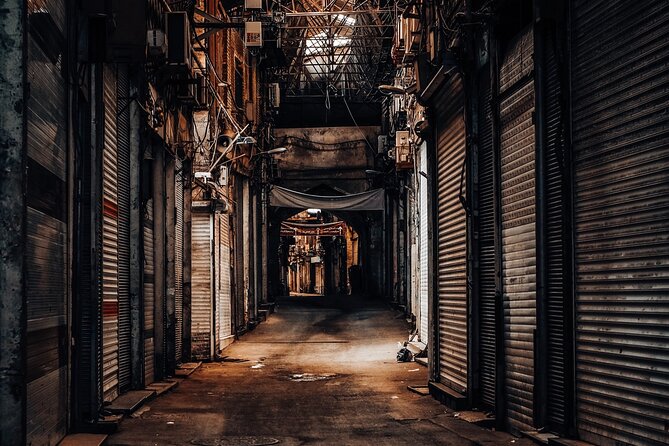
This tour starts at the Statue of Maharaja Ranjit Singh, a clear landmark in the area of Town Hall and Katra Ahluwalia. That matters more than you might think. Meeting at a big, recognizable monument helps you show up without stress, and it sets the tone for a walk that mixes food with local identity.
From there, you head into the old city streets, which are narrow and can feel like a maze once you’re inside. The guide’s job is to make that disappear. You’re not trying to read signs or map apps while your nose is already catching the smell of dinner. Instead, you just follow along, stop when the group stops, and keep your attention on what you’re tasting.
It’s also worth noting the tour uses a mobile ticket and ends back at the meeting point. That loop-back detail is practical when you’re planning your evening, especially if you’re doing other sightseeing the same day.
You can also read our reviews of more tours and experiences in Amritsar.



Katra Ahluwalia: the old-city lane maze where you eat like a local

Your first real taste of the neighborhood comes in Katra Ahluwalia, right in the middle of the old city. This is where the walk becomes more than just eating. You’re moving through tight lanes that form a kind of city-within-a-city grid, and the guide leads the way so you can actually enjoy the experience instead of working your way around it.
This stop is built around one idea: generations-old food, not a checklist of trendy dishes. The tour description frames the places you visit as traditional and long-standing, and that lines up with what makes the best food walks work. When the focus is on continuity—same foods, same neighborhoods, same kinds of habits—you get a better sense of how food fits into daily life.
What I’d watch for here is how the guide pairs food with context. In high-rated experiences, that’s often what makes you enjoy the bites more. The tour includes that kind of storytelling, and guides such as Ram are specifically praised for explaining history alongside the food, not just rattling off facts.
Time-wise, this portion is about an hour. That’s a good chunk to let you settle in. You’ll still feel hungry, but not lost in the logistics of the first half of the walk.
Potential drawback at this stage: if you have mobility limits, this kind of old-city lane walking may require patience. The route is intentionally about narrow alleys, so even if the pace is friendly, you’ll still be on foot.
Hall Bazaar: market energy with food stops that make sense
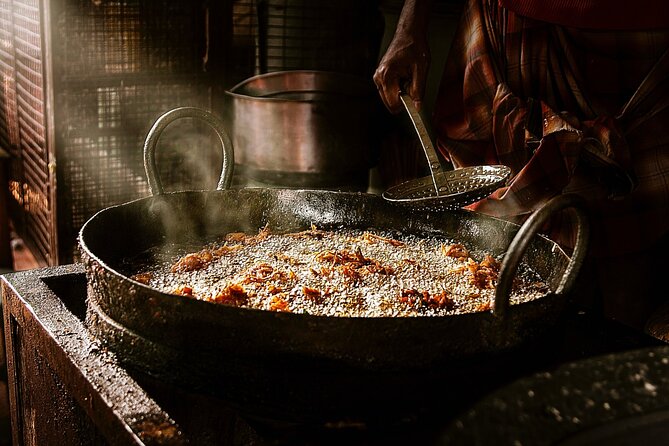
Next up is Hall Bazaar, described as Amritsar’s oldest and biggest market, dating back to the 1500s. Even if you don’t memorize the dates, the longer timeline matters. It tells you this isn’t a “market as a set.” It’s a working part of the city, with shopkeepers and regular trade shaping what’s around you.
This is where the walk adds layers. You’re no longer only eating in lanes; you’re seeing how a major market district creates the conditions for street food and casual dining. Markets attract people who need quick meals, and that’s a big part of why food traditions cluster around places like this.
The time here is about 50 minutes, and the tour notes that admission is included for this segment. That’s a small detail, but it’s also a value signal: you’re paying for the experience rather than getting surprised by extra costs once you’re already on the street.
I like that the tour doesn’t treat markets as a separate activity. The food is the point. You’re still walking, still eating, and still learning, but Hall Bazaar provides that bigger sense of place. If you’re the type who loves context—how neighborhoods form around commerce—this stop will feel satisfying.
One practical note for you: markets can be crowded and loud. If you’re sensitive to noise, bring patience. The guide helps you stay focused on what matters: where to stand, what to try, and how to pace yourself.
Guru Bazaar: gold and diamonds, plus the feeling of being in the real Amritsar
The walk also includes Guru Bazaar, identified as North India’s biggest and oldest gold and diamond market. This stop gives you a totally different kind of visual world than the food lanes.
And it works because a food walk isn’t only about food. It’s about the city that makes food possible. In Amritsar, trade is a huge part of daily rhythm. When you walk into a high-trade zone like Guru Bazaar, you feel how the economy flows around the streets, how people move through the city, and how eating fits between errands and shop visits.
This segment isn’t positioned as a shopping spree. It’s more about seeing the market environment up close while continuing the overall theme: local life, through the lens of food. You’ll still be on foot, still in an active area, and still under guide direction so you’re not left figuring out your own path.
If you’re curious about why certain neighborhoods develop specific habits—like where casual food tends to show up—you’ll likely enjoy this stop. It adds a texture to your mental map of the city beyond eating alone.
What you eat (and how snacks + water change the whole experience)
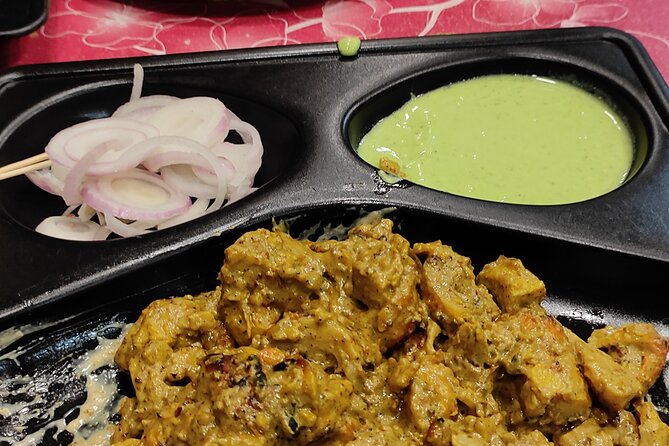
A key part of the value here is that snacks and bottled water are included. That’s not just a convenience. It changes your decision-making. If you’re not constantly stopping to buy individual items, you can spend your attention on trying what the guide recommends rather than calculating cost and portions on the fly.
This matters especially for a two-hour walk where timing and pacing are everything. Included items help you avoid the common problem of food tours where you end up hungry early and then too full at the end because you bought extra “just to be safe.” With snacks and water handled, you can follow the flow.
Also, the food focus is clearly on authenticity and tradition. The tour description says the places you’ll visit are traditional and generations old, and the standout reviews emphasize how full people felt by the end. That tells me the tour likely does a steady progression of tastes rather than only one big stop.
Practical tip for you: wear comfortable shoes and keep expectations realistic. This is a tasting walk, but it’s still a walk. If you show up starving, you may feel stuffed before you reach the market segments. If you show up too full, you might struggle to enjoy everything offered.





Price and value: what $28 buys in a 2-hour night walk
At $28 per person for about two hours, the price feels aimed at “simple and worth it.” You’re paying for a guide, a route through narrow streets, and included snacks plus bottled water. In a city where it’s easy to wander in the wrong direction, paying for someone who knows the lanes is a real service—not a luxury.
You also get the small-group feel. With a cap of eight people in the small-group concept, you’re less likely to feel like part of a moving crowd. That can directly affect your experience: guides can guide, explain, and manage pacing better when the group is tighter.
There’s another value angle: the tour is built around older, off-the-tourist-trail food spots. Those are exactly the places that are hard to find on your own, especially if you want them without turning the evening into a scavenger hunt.
If you’re budgeting for Amritsar, think of this as dinner-by-the-street with added context. You’re not only eating—you’re also getting guided history and local perspective, including how guides explain what you’re seeing while you’re moving.
Tour logistics that actually matter: timing, mobile ticket, and weather
This starts at 7:00 pm and lasts about two hours. Evening timing is a sweet spot. It gives you night atmosphere without turning the day into an all-day commitment. And because the route is concentrated in older city areas, you avoid long travel time between widely separated attractions.
The tour uses a mobile ticket, and it’s near public transportation. That makes it easier to slot into your plan, especially if you’re using local transit rather than taking taxis everywhere.
One more thing: it requires good weather. That’s important for a walking tour in narrow alleys. If weather turns rough, you may be offered a different date or a full refund. So keep your evening flexible if you can, and bring an extra layer in case the night air feels cooler than expected.
Who should book this Amritsar food walk
This tour is best for you if you want a guided way to eat in Amritsar’s old city without getting lost. It’s also a great fit if you like your food experiences tied to everyday life, markets, and neighborhoods rather than only “famous” restaurants.
You’ll probably enjoy it if you’re:
- comfortable walking through narrow lanes for about two hours
- excited by street food with long-standing roots
- the kind of person who likes a bit of history while you eat
- traveling with a small group or solo and want a friendly group vibe
It may not be your ideal choice if you strongly dislike crowded market areas, have limited mobility, or want a fully seated, slow-paced meal experience.
Should you book this Amritsar food walk?
I’d book it if you’re aiming for an easy win: a guided evening that swaps navigation stress for real food stops and market atmosphere. The combination of a small group, included snacks and water, and guided movement through Katra Ahluwalia lanes is a practical recipe for a fun night.
On the other hand, go in with the right mindset. This is a walking tour, in narrow streets, for a couple hours. If that sounds like your kind of evening, this is a solid value way to taste Amritsar beyond the obvious stops.
FAQ
How long is the Amritsar food walk?
It’s approximately 2 hours.
What time does the tour start?
The start time is 7:00 pm.
How much does the tour cost?
The price is $28.00 per person.
Where does the tour start?
The meeting point is the Statue of Maharaja Ranjit Singh near Town Hall, in the Katra Ahluwalia area of Amritsar.
Is transportation needed to get there?
The meeting point is listed as near public transportation.
Are snacks and water included?
Yes. Snacks and bottled water are included.
How big is the group?
It’s described as a small-group tour with a limit of eight people, and the maximum number of travelers listed is 15.
What areas and stops are included?
The walk includes Katra Ahluwalia, Hall Bazaar, and Guru Bazaar, with the Maharaja Ranjit Singh statue as the start point.
Is the tour affected by weather?
Yes. It requires good weather, and if it’s canceled due to poor weather, you’ll be offered a different date or a full refund.
Can I cancel and get a full refund?
Yes. You can cancel up to 24 hours in advance for a full refund.