REVIEW · SRINAGAR
Kashmir Great Lakes Trek
Book on Viator →Operated by Kashmir Treks · Bookable on Viator
High passes, big lakes, low fuss. This private trek from Sonamarg to Naranag is interesting because it’s guided end-to-end (English-speaking guide) and fully kitted (tents, sleeping bags, mats, poles, cooking setup included). One thing to keep in mind: the walking is real, with moderate fitness needed and high passes that are weather-dependent.
I like that you’re not juggling logistics. You’ll have pickup from Srinagar, stove-cooked vegetarian meals, and even horses to offload most gear (you carry only a day pack). The trek is also paired with comfort in Srinagar via a deluxe houseboat or hotel, so you don’t just “rough it” for a whole week.
In This Review
- Key things that make this trek worth your attention
- Sonamarg to Naranag: why this route feels special
- Gear, stoves, and horses: the practical comfort piece
- Day-by-day: what each stage feels like on the trail
- Day 1: Srinagar to Sonamarg, then your first campsite at Sind Riverbank
- Day 2: Sonamarg to Nichnai (11 km, ~7 hours), first real ascent day
- Day 3: Nichnai to Vishansar Lake via Nichnai Pass (12 km, ~7 hours)
- Day 4: Vishansar Lake to Gadsar via Gadsar Pass (14 km, ~8 hours)
- Day 5: Gadsar to Satsar (9 km, ~5 hours), a shorter recovery day
- Day 6: Satsar to Gangabal Lakes via Zajibal Pass (11 km, ~6 hours)
- Day 7: Gangabal to Naranag trek, then drive back to Srinagar
- Day 8: drop at Srinagar airport or bus stand
- Srinagar night: deluxe houseboat or hotel before your flight
- Price and logistics: what $112 really covers
- Weather, seasons, and how to plan your effort
- Guides and service: what you can count on
- Who this trek suits best (and who should think twice)
- Should you book Kashmir Great Lakes Trek with Kashmir Treks?
- FAQ
- How long is the Kashmir Great Lakes Trek?
- Where does the trek start and end?
- What time does the tour start?
- Is pickup included from Srinagar?
- What’s included in the trek besides guiding?
- Do I carry all the gear myself?
- What accommodations should I expect?
- What fitness level do I need?
- Do I need a passport?
- Is it canceled if the weather is bad?
Key things that make this trek worth your attention
- Private group feel: only your group participates, with a personal English-speaking guide
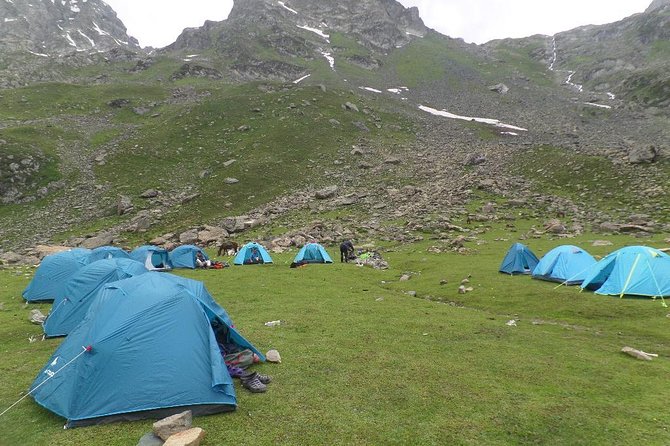
- Gear and permits included: tents, sleeping bags, mats, trekking poles, LPG stove, cooking utensils, and trek/wildlife permits
- Horse offloading: you carry light while animals move bulk gear along the trail
- A classic high-pass rhythm: Nichnai Pass, then passes leading you toward Vishansar, Gadsar, Satsar, and Gangabal lakes
- Srinagar “reset” included: 1 night deluxe houseboat or hotel before/after the mountains
- Serious views, quick surprises: groups describe dramatic peaks plus occasional unexpected moments around Nichnai when skies cooperate
Sonamarg to Naranag: why this route feels special
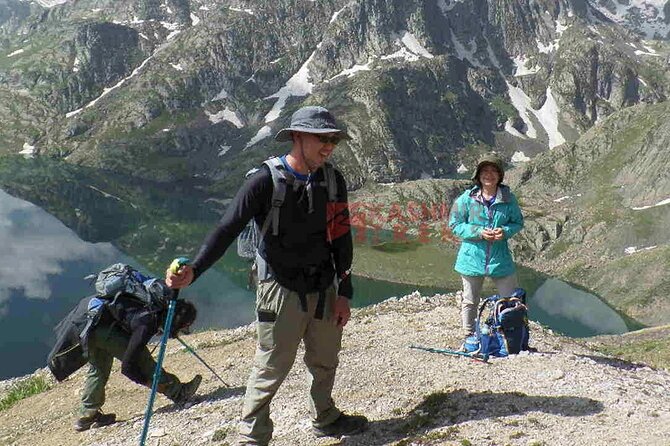
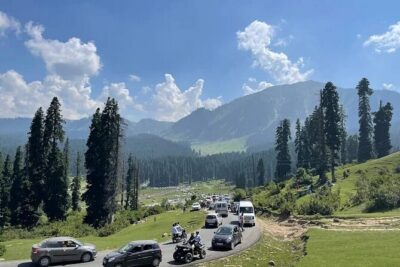
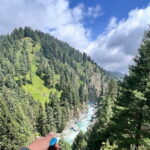
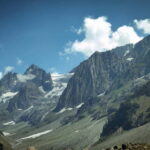
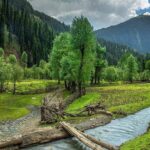
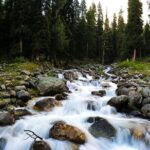
If you like treks that mix open views with changes in terrain—meadows, snow-mountain passes, and alpine lakes—this one follows a satisfying progression. You start in a mountain town at about 2610m and gradually climb through a chain of passes and lake basins, then drop back down toward Naranag (around 2250m).
What I like most is the balance between effort and reward. You don’t just walk from one lake photo spot to the next; each day includes a pass crossing, which changes the air, the sky, and the feel of the trail. Even when the weather is only “good enough,” altitude makes everything look crisp and distant.
You can also read our reviews of more tours and experiences in Srinagar.
Gear, stoves, and horses: the practical comfort piece
A lot of treks advertise “we provide gear,” but it often stops at sleeping basics. Here, you’re covered more fully: tents, trekking poles, sleeping bags, mats, blankets, and cooking utensils, plus an LPG stove setup for meals. That matters because it lets you travel with less, and it reduces the stress of figuring out how you’ll eat at altitude.
Then there’s the load strategy. You carry a day pack, while horses handle much of the offloading and bulk gear. That can be a big deal for anyone who wants to hike comfortably without spending the whole day “fighting your pack.”
One small consideration: you still need your own personal clothing and equipment. The essentials (warm layers, rain protection, gloves, boots that work for you) are on you, not on the trek company.
Day-by-day: what each stage feels like on the trail
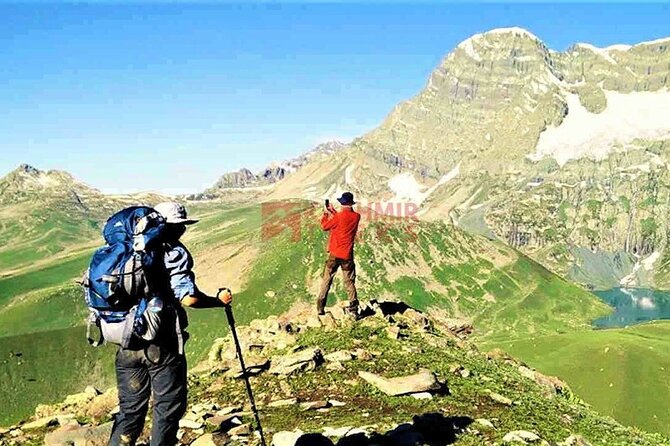
Below is the heart of your week. I’ll translate what the daily numbers mean in real life—how the day likely feels and what you should watch for.
Day 1: Srinagar to Sonamarg, then your first campsite at Sind Riverbank
You’re picked up in Srinagar at 8:00am, then drive about 100 km (around 3 hours) to Sonamarg. You’ll likely arrive in time for an easy transition: tea, dinner, and the first campsite near the Sind Riverbank at roughly 2610m.
This is the day to get your breathing calm. Even though it’s mostly travel, the air is already thinner than low altitude. Take a slower pace during setup and don’t pack yourself into “hero mode” right away.
Day 2: Sonamarg to Nichnai (11 km, ~7 hours), first real ascent day
You move from about 2610m up to 3450m on an 11 km hike that takes roughly 7 hours. It’s your first day where the trail starts to feel like a trek, not a walk. Expect changing views as you climb, and plan for long stretches where you’re pacing uphill.
Meal coverage helps you keep steady effort: breakfast, lunch, tea, and dinner are included. That’s useful because you won’t lose momentum by searching for food.
Day 3: Nichnai to Vishansar Lake via Nichnai Pass (12 km, ~7 hours)
Today’s altitude journey is bigger: roughly 3450m to 3650m, with a pass crossing around 4080m along the way. The hike is about 12 km for around 7 hours.
This is the day where the pass height changes your entire perception of distance. The higher you go, the more every photo stop costs time—so pick your moments. Aim for calm breathing and steady footing on the pass approaches.
If you get clear skies, this is also the kind of day that can create a memory you won’t shake off later. One group described sunrise magic around high peaks like Harmukh, which is the kind of payoff altitude trekkers hope for when conditions align.
Day 4: Vishansar Lake to Gadsar via Gadsar Pass (14 km, ~8 hours)
You hike around 14 km in roughly 8 hours, moving from about 3650m down slightly to 3550m, but not without another serious pass around 4180m. Think: long day, long hours, and a pass that asks for patience.
At around 4180m, you’ll want to keep your energy steady rather than spiking it. If you feel lightheaded, slow down. Don’t “win” the day by rushing to the top; you win by getting safely through.
The upside: lake country at altitude can look unreal—quiet, wide, and surprisingly still when wind calms.
Day 5: Gadsar to Satsar (9 km, ~5 hours), a shorter recovery day
After two longer days, this one is a relief: about 9 km and around 5 hours, descending/leveling from 3550m down to about 3650m (the numbers suggest a route profile that isn’t purely downhill).
This is the day to reset. You’ll likely still feel fatigue from earlier passes, but you may feel less rushed. Use the extra breathing space to fine-tune your routine: water, snacks (if you bring any personal extras), and loosening hips and ankles during breaks.
Day 6: Satsar to Gangabal Lakes via Zajibal Pass (11 km, ~6 hours)
This day includes another pass around 4080m and takes you from about 3650m down to about 3580m, with a hike of roughly 11 km over 6 hours.
It’s a good mix: enough time in the legs to stay trekking-shaped, not so long that you feel crushed. Gangabal is often the kind of destination that makes the earlier passes feel worth it.
On clear days, the lake sections can feel like slow-moving time. Just don’t spend all day standing still if you’re prone to getting cold—high-altitude air can cool quickly once the sun angle changes.
Day 7: Gangabal to Naranag trek, then drive back to Srinagar
You cover about 15 km in roughly 6 hours, descending from around 3580m down to about 2250m. Then you transfer back toward Srinagar with transport for lunch and dinner, and you’ll sleep in Srinagar again with breakfast included next day.
This is a bittersweet day. Mentally, you’re finishing the big work and you’ll likely feel relief in your lungs. Physically, the descent can be tough on knees and ankles. Take downhill seriously: shorter steps, careful footing, and don’t try to “speed run” the last hours.
Day 8: drop at Srinagar airport or bus stand
After breakfast and a final transfer, you’re dropped at either:
- the bus stand (~20 minutes), or
- Srinagar airport (~30 minutes)
This is a quick ending. No last hike tricks, just a clean close to the trek.
Srinagar night: deluxe houseboat or hotel before your flight
The trip includes 1 night in Srinagar with either a deluxe houseboat or hotel accommodation. If you like the idea of trading trekking camp for a softer bed, this matters. Reviews also hint at houseboat stays on Dal Lake, which is a classic way to reset your head after high altitude days.
I think this night is also strategic for your comfort. You’re more likely to sleep well, wash properly, and return to normal routines before travel time the next morning.
Price and logistics: what $112 really covers
At $112 for about 8 days, the value is mostly in the bundled services:
- pickup and private transportation
- 6 nights tented accommodation with full-board meals
- all trekking gear plus cooking setup
- trek/wildlife permits
- horses to offload gear
- first aid support
- plus 1 night in Srinagar (houseboat or hotel)
In practical terms, you’re paying for organization and reduced hassle. When gear, permits, and meals are handled, you spend more time on hiking and less time on procurement and problem-solving.
A caution: the price looks “small” partly because this is a tour style that relies on mountain logistics like tents and offloading. If you want a luxury trekking feel every day, your expectations might need adjusting. But for budget-minded travelers who still want strong support, this setup can be a good deal.
Weather, seasons, and how to plan your effort
This trek is clearly weather-dependent. That’s not a marketing line; it’s how mountain trekking works. Pass conditions can affect whether you’ll be safe and comfortable.
Also, the mountains don’t treat seasons kindly. One review specifically called out that monsoon time is difficult for crossing bolder ways, while early March and April are described as very good for weather and visibility. October also got a positive note in a separate experience, though that was “late in the season,” so conditions may vary.
Practical advice:
- Go in a window that’s known for stable weather.
- Keep an eye on day-of conditions.
- Assume pass days may feel longer than your map timing.
Guides and service: what you can count on
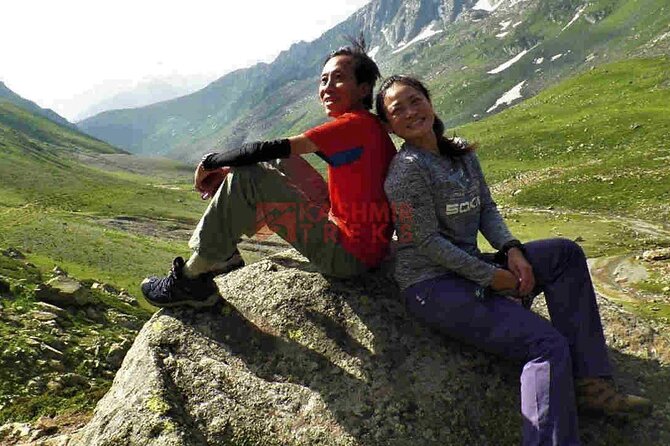
This is a private tour, and your group gets your own English-speaking guide. The most consistent theme from guide praise is safety and care. People named guides like Wajid and Ali as professional and attentive—especially around keeping everyone comfortable and safe.
There were also mentions of friendly support during arrival and setup from team members like Shakeel, and trek guidance from Mudasir in at least one experience. While you can’t guarantee a specific person, the pattern suggests a focus on smooth handoffs: airport to camp to trail.
If you’re traveling as a family or a mixed group, that guide attention is exactly what you want. You’ll get help managing pace, and you won’t feel left to figure everything out on your own.
Who this trek suits best (and who should think twice)
This trek fits you if:
- you have moderate physical fitness and you’re comfortable with multi-hour hikes
- you want a guided high-pass route with lakes as destinations
- you prefer a lighter load thanks to horse offloading
- you like the idea of a Srinagar comfort night rather than camping every single night
You should think twice if:
- you dislike long hiking days around passes (especially days with roughly 7–8 hours and higher altitudes)
- you’re very sensitive to cold, since tents and altitude can be challenging even when camp is organized
- you’re planning to travel in clearly difficult weather windows (monsoon conditions were flagged as tougher)
Should you book Kashmir Great Lakes Trek with Kashmir Treks?
Yes, if you want a classic Kashmir high-lake trek with strong logistics and a private guide, and you’re okay with real mountain hiking. The big wins are included gear and permits, horse offloading, and the fact that the week includes meals and camps arranged for you—not just a “we’ll drop you at the trailhead” situation.
Book it if you’re the kind of traveler who enjoys the slow payoff of altitude passes and wants the route to be well managed from Srinagar to Naranag. Just don’t underestimate pass days. Train a bit, pack smart, and go with good weather expectations.
If you tell me your travel month and fitness level (and whether you’ve done any 1–2 day hikes at altitude before), I can help you judge if this timing and effort level fits you.
FAQ
How long is the Kashmir Great Lakes Trek?
It runs for about 8 days.
Where does the trek start and end?
It starts with pickup from Srinagar to Sonamarg, then treks from Sonamarg toward Naranag. You finish with a drive back to Srinagar for drop at the airport or bus stand.
What time does the tour start?
Start time is listed as 8:00am.
Is pickup included from Srinagar?
Yes. Private transportation and pickup from Srinagar are included.
What’s included in the trek besides guiding?
You’ll get trekking gear (tents, sleeping bags, mats, blankets, trekking poles), a cooking setup with an LPG stove and utensils, full-board mountain meals, trek/wildlife permits, offloading by horses, first aid, plus 1 night deluxe houseboat or hotel in Srinagar. Bottled water and coffee/tea are included as well.
Do I carry all the gear myself?
You carry a day pack. Offloading by horses is included to carry most trekking gear.
What accommodations should I expect?
You’ll sleep in tented mountain camps for 6 nights, and you’ll have 1 night in Srinagar in a deluxe houseboat or hotel.
What fitness level do I need?
The trek is described as requiring moderate physical fitness.
Do I need a passport?
Yes, a current valid passport is required on the day of travel, and passport details are needed during booking.
Is it canceled if the weather is bad?
This experience requires good weather. If it’s canceled due to poor weather, you’ll be offered a different date or a full refund.
To turn this into a booked day, TheAbroadGuide lays out a private 5-day Kashmir package from Srinagar — and the official J&K Tourism site has the opening hours.