REVIEW · SRINAGAR
Kashmir Ladakh Tour
Book on Viator →Operated by Ladakh Backpackers · Bookable on Viator
Mountains change your mood fast. This Kashmir to Ladakh route strings together Srinagar’s gardens and Pangong Tso’s high-altitude stillness with an unusually clear plan: airport pickup, private transport, and stops timed for big views.
I like two things right away. First, you get private transportation plus a driver meet-up at the airport, so you’re not juggling public buses after a flight. Second, the included Gyap-Thago heritage Ladakhi lunch feels like the kind of food stop you actually remember.
One consideration: the driving days are long and the elevations add up. You’ll pass high passes like Zoji La and Changla, so plan for altitude effects and motion-heavy segments.
In This Review
- Key points to know before you go
- Srinagar pickup at 6:00 am: the kind of start that lowers stress
- Srinagar: Mughal Gardens, Pari Mahal, and Dal Lake in the evening light
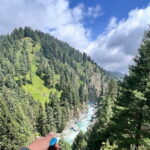
- Gulmarg: a long drive rewarded by classic high-meadow views
- Zoji La and Drass: the high-pass day that makes the trip feel real
- Kargil to Leh: monasteries, river confluence, and Magnetic Hill optics
- Leh sightseeing with Thiksey, Hemis, and a meal at Gyap-Thago
- Nubra Valley day: Khardung La, Diskit Gompa, and Hunder sand dunes
- Turtuk on the LAC: a village shaped by recent borders
- Pangong Tso: two days, one sunrise, and the altitude you came for
- Leh market time and the Central Asian Museum on your way out
- Price and what you really get for $1,499 per person
- Who should book this Kashmir Ladakh circuit, and who should rethink it
- Should you book this Kashmir Ladakh tour?
- FAQ
- How long is the Kashmir Ladakh tour?
- Where does the tour start and when?
- What’s included in the tour price?
- Are monument and monastery tickets included?
- Is Pangong Tso included in the schedule?
- Do I need an Innerline Border Permit?
- What time of year is this tour best for?
- Can I cancel and get a refund?
- Is this tour private or shared?
Key points to know before you go
- Airport meet-up at Srinagar makes the start feel organized, not chaotic
- Innerline Border Permit is included, which matters for the east-side border areas
- Pangong Tso is built into two moments: arrival and a sunrise morning
- Several major sights have optional fees, so budget for monument/monastery tickets
- Khardung La and high passes are part of the drive, so expect a physically active schedule
- Real on-the-ground support shows up in feedback, including help when someone developed mountain sickness
Srinagar pickup at 6:00 am: the kind of start that lowers stress
Your day begins early. The tour starts at Srinagar Airport with a driver meeting you at the exit gate with a company placard and your name. That matters because Srinagar can be busy, and you don’t want to spend your first hours hunting for transport.
From there, you’ll transfer to your Srinagar hotel and get a proper start to sightseeing after lunch. You also get the practical perks that make a road trip smoother: private transportation and a mobile ticket. Even if you’re comfortable traveling solo, this kind of handoff is a big deal when you’re moving across regions.
You can also read our reviews of more tours and experiences in Srinagar.
Srinagar: Mughal Gardens, Pari Mahal, and Dal Lake in the evening light
Srinagar is where this trip finds its balance between pretty and historical.
Mughal Gardens of Nishat and Shalimar are your first major cultural stop. These gardens were built by the Mughal rulers over a 14-year period, and they’re the kind of place that rewards slow walking. Admission tickets aren’t included here, so you’ll want to be ready to pay the site fee.
Next comes Pari Mahal and Shankaracharya Temple. Pari Mahal’s structures are tied to the region’s older religious and learning traditions, and the temple stop adds a different spiritual layer to the day. This is one of those pairings that keeps your afternoon from turning into “just driving.”
Then you end on Dal Lake. The plan is an evening visit with time to experience the traditional atmosphere around the lake, with Dal Lake admission included. One note to keep you sane: the tour lists extra activities like shikara rides under things that may cost extra, so treat the lake stop as the included experience, and confirm what’s included versus optional on the day you’re there.
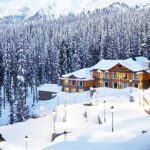
Gulmarg: a long drive rewarded by classic high-meadow views
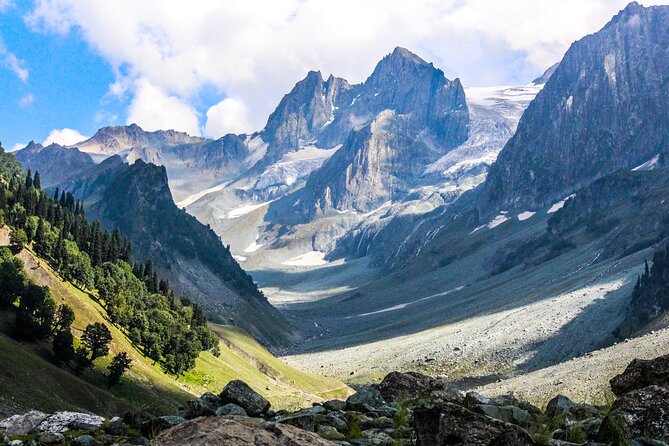
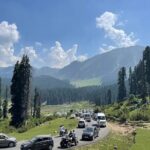
After breakfast in Srinagar, you’ll head toward Gulmarg. The drive time listed is about 5 hours, and the stop itself is set up to give you a chunk of time to experience the place rather than rush through it.
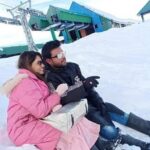
Gulmarg’s origin story is tied to a Kashmiri poet from the 16th century, and the area is known for its grassy slopes and wildflowers. In other words: even if you’ve seen mountain photos before, this is one of the more recognizable “Himalaya postcard” stops.
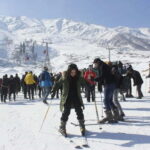
Admission is listed as free, but you’ll still want to budget for optional upgrades. The tour’s extra-activities list includes things like the gondola ride (not included). If you’re the type who likes to pay for time-saving views, you can add it. If you’d rather keep costs down, you can still have a full day just with walking and viewpoint time.
Zoji La and Drass: the high-pass day that makes the trip feel real
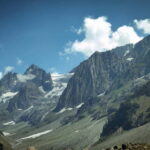
The route turns serious on the day you move toward Ladakh. You’ll drive early from the Sonamarg Hill Station area toward Kargil, crossing Zoji La Pass along the way. This is a long day by design: it’s not meant to be comfortable, it’s meant to be scenic.
You’ll also pass Tiger Hill (mentioned en route) and then push into Drass Valley, which is listed as the Gateway to Ladakh. Drass sits at about 3,280 meters, and that altitude, plus the road conditions typical of mountain passes, is exactly why this day stands out.
Admission is listed as free for the stops on this day, but don’t confuse that with “no costs.” The real variable is how your body reacts. Even for people who travel often, high-altitude travel can bring headaches, fatigue, or nausea. I’d pace yourself, sip water, and avoid going zero to sightseeing sprint right after the pass.
The schedule puts you in Kargil for a longer stay segment (the stop list shows about 12 hours in that zone). That’s good. You get time to recover before the next big day.
Kargil to Leh: monasteries, river confluence, and Magnetic Hill optics
The next day is a string of “wow” stops that also explain a lot about the region’s history and geography.
You start with a major cultural sight: the 30-foot rock-cut Maitreya Buddha statue at Mulbekh (Mulbekh Chamba). It’s hard to describe until you see it—carved directly into the rock face, it’s the kind of monument you understand more by looking than reading.
Then you go to Mulbekh Monastery (Mulbekh Gompa), known for ancient rock carvings. This is an easy stop to overlook if you’re rushing, but it’s worth slowing down because the carvings feel grounded in place.
After that, you reach Lamayuru Monastery (Yuru Gompa)—an old and large monastery with strong Tibetan architectural features. The stop time is listed as about 1 hour, which is usually just enough to see the main areas.
Next comes a pure geography payoff: the Confluence of the Indus and Zanskar Rivers. The stop is short, but this spot is famous for the way two rivers carve different textures into the same view. If you’re the type who likes rafting-style ideas, this is where you’d understand why that activity exists here.
Finally: Magnetic Hill. The optical illusion makes vehicles appear to move uphill without an engine. The important thing isn’t the physics—it’s the fun of seeing your expectations get tricked.

Leh sightseeing with Thiksey, Hemis, and a meal at Gyap-Thago
Leh is where you start feeling like you’re in Ladakh’s core. It’s also where the trip slows down just enough for deeper sightseeing.
You’ll visit Leh Palace, built in the 17th century by King Sengge Namgyal. Admission here is listed as not included, so you’ll pay for entry if you want to go inside.
Then the monasteries: Thiksey Monastery (15th century) and Hemis Monastery (17th century). Both have tickets listed as not included. These are among the region’s most photographed religious sites, and the architecture works well even if you don’t know the background. It’s layered, tall, and meant to be seen from multiple angles.
Between the big monuments, you get a standout included cultural stop: Gyap-Thago Heritage Home for a traditional Ladakhi culinary experience. The time listed is about 2 hours, and admission is marked included. I like this kind of inclusion because it’s not just a viewpoint—it’s a human activity. Also, one of the better pieces of feedback about this kind of tour is how the team handles requests smoothly, and Gyap-Thago is exactly the kind of included moment that benefits from good coordination.
To close the Leh day, there’s Shanti Stupa, built in white marble with traditional Tibetan architectural style. Its admission is listed as free, so it’s a great low-friction stop if you still have energy.
Nubra Valley day: Khardung La, Diskit Gompa, and Hunder sand dunes
This is your “Ladakh drive with variety” day.
You’ll cross Khardung La (listed as included, with the ticket marked included). The pass is described as one of the highest motorable roads in the world. Even if you’ve heard that phrase before, the real experience is standing near a mountain road that feels impossible to build.
Next is Diskit Gompa in Nubra Valley. It’s the 14th-century Buddhist monastery, described as one of the oldest and largest in the valley. Admission is marked not included, so again, expect to pay monument fees if you want full access.
Then you head to Hunder Sand Dunes. This is a visual change from rock and stone to sand. The stop is about 2 hours, and it’s also where you can see why optional activities like camel safaris are often offered on the side (those activities are listed under extras, not included).
Turtuk on the LAC: a village shaped by recent borders
Turtuk is a very different stop. It’s not just scenery; it’s place and politics meeting everyday life.
You drive toward Turtuk Village, described as the last village on India’s side of the LAC. The data also notes Turtuk was part of POK until 1970, which helps explain why the village identity feels distinct.
You’ll have time to explore Turtuk itself (the stop time listed is about 6 hours), and there’s also Balti Heritage House and Museum for about 30 minutes, with admission not included.
This is where I’d recommend keeping expectations realistic. You’re not going for theme-park entertainment. You’re going to a real village, and the value is in how the trip slows down long enough to let you understand what life looks like along a border history.
Pangong Tso: two days, one sunrise, and the altitude you came for
Pangong Tso is the heart of this itinerary.
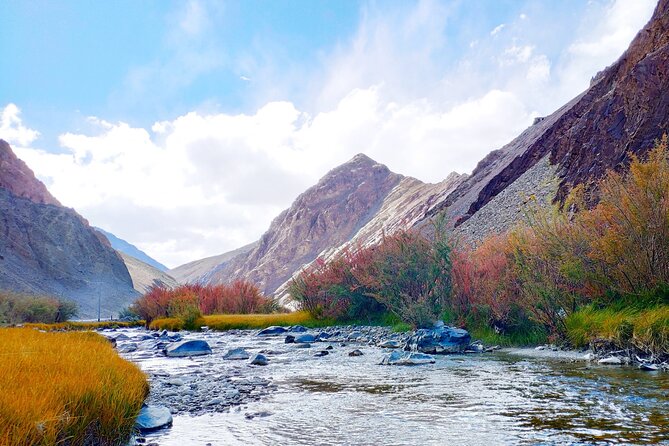
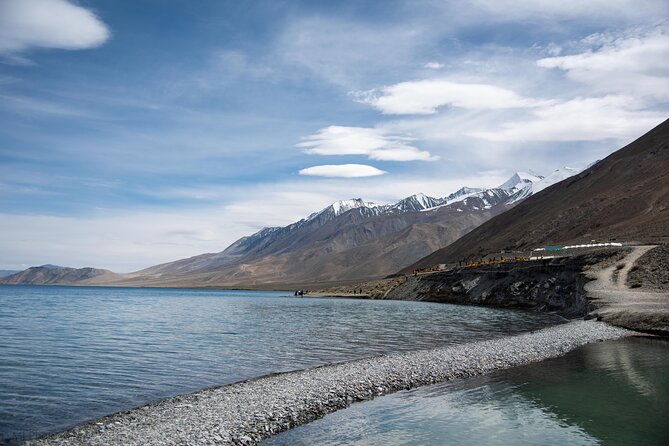
On the day you move toward it, you’ll leave early and drive through the Shayok Valley, reaching Pangong by afternoon. The lake is listed at about 4,350 meters, and it’s described as the world’s highest saltwater lake on the India-China border.
The next day starts early for sunrise viewing. You’ll get up early to not miss the sunrise view, enjoy breakfast on the shores, then drive back toward Leh passing through Changla Pass.
This is a clever design because it avoids putting all the emotional weight on one moment. You get an afternoon arrival to acclimate your eyes to the color and scale, then you get a sunrise morning where the light changes everything.
Practical note: high-altitude sun can hit hard. Even when the air feels sharp, the light can be intense. Bring layers and protect your skin and eyes.
Leh market time and the Central Asian Museum on your way out
After you return from Pangong, you’re not done yet. The itinerary includes Leh Market for about 2 hours and then Central Asian Museum for about 1 hour, with museum entry listed as not included.
Leh Market is a good place to pick up small, practical souvenirs and snack-and-water basics for the final day. If you like cultural context, the museum helps connect the dots between trade routes, cultures, and the region’s layered identity.
By the time you’re back here, you’ll likely feel that “mountain trip hangover” in a good way. This is your landing gear.
Price and what you really get for $1,499 per person
At $1,499 per person, this tour doesn’t look cheap at first glance. But for the experience you’re getting—multi-day accommodation, private transportation, a long regional loop, and an included border permit—it can work out as good value if you prefer not to piece everything together yourself.
Here’s what’s explicitly included:
- Accommodation
- Private transportation
- Lunch
- Breakfast (9) and Dinner (9)
- Innerline Border Permit
- Heritage Ladakhi Lunch at Gyapthago Heritage Home
And here’s what’s not included:
- Tips, porters, monument fees, insurance, cancellation charges
- Extra meals and optional activities like gondola ride, camel safari, rafting, shikara ride (these appear as extras)
- Some key sight admissions are marked not included on the route, including things like Leh Palace, Thiksey Monastery, Hemis Monastery, Central Asian Museum, and Balti Heritage Museum
My advice: budget a realistic add-on amount for monument/monastery tickets and optional activities. If you travel with a tight schedule or you want paid add-ons, ask in advance what portion is covered at each stop. That keeps your spending predictable.
Also, altitude travel isn’t the time to skip insurance. It’s listed as not included, and it’s worth it.
Who should book this Kashmir Ladakh circuit, and who should rethink it
This tour is best between April and October. That’s also when road access and conditions tend to support a smooth run across the passes.
It’s described as private, meaning only your group will participate, and there are group discounts offered. If you want a quieter pace than a big crowded bus tour, this setup fits.
It also says most people can participate, but the route includes high points:
- Drass Valley ~3,280 meters
- Pangong Tso ~4,350 meters
- Major high passes like Zoji La, Khardung La, and Changla Pass
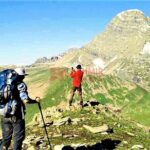
So if you know you get motion sickness or altitude sickness easily, plan ahead. One family case shared in feedback mentions mountain sickness on the second day and being admitted to hospital, which tells me the team can respond when something goes sideways. Still, your best defense is smart pacing and basic health prep.
Finally, note the rule: foreign nationals with diplomatic passports aren’t permitted.
Should you book this Kashmir Ladakh tour?
I’d book it if you want a road trip that feels structured but still hits the big emotional moments: Dal Lake in Srinagar, monastery stops around Leh, sand dunes in Nubra, and the Pangong sunrise that makes people plan trips around this region.
I wouldn’t book it if you hate long driving days or if you’re looking for a purely relaxed vacation with minimal altitude exposure. This trip is built around passes and distance.
If you do book, send your questions early. Ask what’s included at the Dal Lake stop, which monastery sites require tickets, and how optional experiences like gondola rides or camel safaris are handled financially. That way, you’ll spend your time staring at mountains instead of doing math.
FAQ
How long is the Kashmir Ladakh tour?
The duration is listed as approximately 10 days.
Where does the tour start and when?
It starts at Srinagar Airport with a start time listed as 6:00 am.
What’s included in the tour price?
Included items are accommodation, private transportation, lunch, innerline border permit, heritage Ladakhi lunch at Gyapthago Heritage House, plus breakfast (9) and dinner (9).
Are monument and monastery tickets included?
Some are not. The tour lists monument fees as not included, and several specific sights show admission as not included (such as Leh Palace, Thiksey Monastery, Hemis Monastery, and others).
Is Pangong Tso included in the schedule?
Yes. Pangong Tso is included, including an early morning sunrise viewing and breakfast on the lake shores.
Do I need an Innerline Border Permit?
Yes, and it’s included in the tour package.
What time of year is this tour best for?
The tour is best experienced between April and October.
Can I cancel and get a refund?
Yes. You can cancel up to 6 days in advance for a full refund. A 50% refund applies if you cancel 2–6 days before the start time. If you cancel less than 2 days before, the amount paid isn’t refunded.
Is this tour private or shared?
It’s described as a private tour/activity, and only your group will participate. Group discounts are offered.