REVIEW · HIMACHAL PRADESH AND UTTARAKHAND
Nagtibba Trek (Pantwari to Pantwari)
Book on Viator →Operated by Kaushik's Cafe & Trek · Bookable on Viator
One of the fastest ways into the Himalayas. This overnight trek from Pantwari to Nag Tibba gives you that proper mountain feel without signing up for a week-long expedition. Two things I really like: the professional guide who keeps things calm and clear, and the fact that all meals are included at camp. One thing to consider is the very early start on day two if you’re aiming for sunrise.
You’re sleeping in a tent with sleeping mat and sleeping bag, then getting hot tea and tasty snacks after the walk up. If the night turns chilly, you may be able to warm up with a fire if you want it. The possible drawback is that you’ll need decent weather for the best experience, and the trek can be shifted or refunded if conditions are poor.
In This Review
- Key Things to Know Before You Go
- Short Himalayan Overnight With a Real Summit Push: Nag Tibba in 2 Days
- Price and What You Actually Get for $23.87
- Day 1: Pantwari to Tent Camp for Sunset Tea and Pakoda
- Day 2: 3:30 a.m. Summit Run and Sunrise Timing
- Why Sanjay Bhaiya and Sardar Ji Matter on a First Trek
- Tents, Sleeping Gear, and Comfort When the Night Gets Cold
- Choosing This Trek: Who It Suits Best (and Who Should Skip It)
- Getting Oriented: Meeting Point, Timing, and Getting There
- Should You Book the Nagtibba Trek?
- FAQ
- What does the Nagtibba Trek include?
- Where does the trek start and end?
- How long is the trek?
- What is the schedule for the summit?
- What food will I get during the trek?
- What kind of accommodation is provided?
- Is transportation included?
- What group size should I expect?
- Does the tour require good weather?
Key Things to Know Before You Go
- Pantwari to Nag Tibba, with an overnight tent camp that makes this beginner-friendly
- A summit push starting around 3:30 a.m. so you can catch sunrise if timing works
- All meals included, including dinner plus two lunches and breakfast
- Small-group feel, with a maximum of 16 travelers
- Guide support you can actually use, with Sanjay Bhaiya and Sardar ji noted for helpful, friendly care
- Warm camp extras like hot tea, pakoda, and the option of piping hot Maggi at night
Short Himalayan Overnight With a Real Summit Push: Nag Tibba in 2 Days
Nag Tibba is one of those treks that hits the sweet spot: it’s long enough to feel like a true mountain experience, but short enough that you can do it as an overnight. You’ll move from Pantwari up to Nag Tibba, sleep at a tent camp, then go back down the next day. It’s designed for first-timers who want the feeling of trekking—forests, fields, and cool air—without committing to something extreme.
What makes this one worth your time is the rhythm. Day one is for settling in, taking in views, and eating well. Day two is the focused part: wake up early, climb to the summit, then enjoy the sunrise moment before heading back down. If you like structure—rather than wandering around unsure what’s next—this format helps a lot.
You can also read our reviews of more tours and experiences in Himachal Pradesh and Uttarakhand.
Price and What You Actually Get for $23.87
At about $23.87 per person, this trek is priced like a budget-friendly way to do the basics properly. The big value piece is that it isn’t just a route. You also get:
- A professional guide
- All meals (dinner, plus two lunches and breakfast)
- Overnight tent accommodation with sleeping mats and sleeping bags
Most “cheap” outdoor trips end up charging you extra for the things you actually need to stay comfortable and fed. Here, the essentials are handled. The only thing you should plan separately is private transportation, since that’s not included.
Also worth noting: you’ll get a mobile ticket, and the activity runs with a maximum group size of 16. That usually means less chaos at camp and less time waiting around.
Day 1: Pantwari to Tent Camp for Sunset Tea and Pakoda
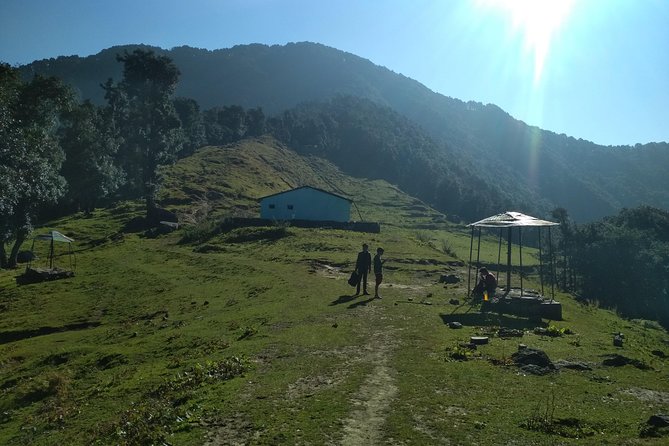
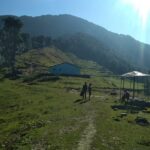
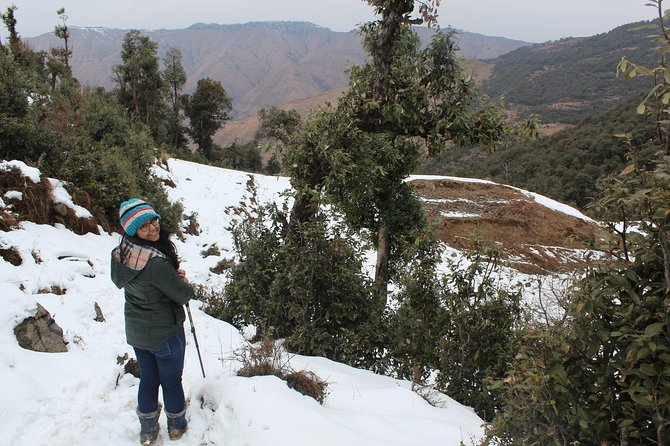
Day one is about getting up to Nag Tibba and arriving at camp with enough energy to enjoy it. You’ll walk through beautiful forests and fields on the way up, which is exactly what you want from a beginner trek: variety without needing advanced route skills.
Once you reach the tent camp area at Nag Tibba, the plan shifts from hiking mode to unwind mode. You’ll retire to your tents, and that’s when the sunset views become part of your evening, not an afterthought. It’s a classic hill-station moment, but in a trek setting where you’re actually earning it.
Food on day one is simple and comforting. You’ll be welcomed with hot tea and pakoda, which is a very good choice after a day of walking. There’s also an option for piping hot Maggi for INR 40 if you want something extra. Small detail, but it matters. After a trek, you’re not just hungry—you want something warm that feels familiar.
What I like here is how the day gives you both sides of trekking: the movement up and the reward at camp.
Day 2: 3:30 a.m. Summit Run and Sunrise Timing
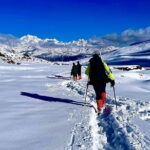
Day two starts early—you’ll wake up around 3:30 a.m. The purpose is simple: you’re climbing to the summit in time to see sunrise, then you can relax for a bit after you reach the top.
Before you go up, you’ll get fruit and biscuits on the way. That’s practical trekking food: quick energy, not heavy, and easy to eat when you’re still half in sleep mode. The trek aims for the summit first, then you witness the sunrise if you’re on time. If timing is off, you can still expect the mountain moment at altitude—but sunrise is the main target.
After the summit and that short rest period, you’ll hike back down to your departure point. The activity ends back at the meeting point, so you don’t have to figure out complicated end-of-day logistics.
If you don’t like early starts, this is the one part you should think about carefully. But if you do enjoy sunrise and you like doing something with a clear goal, this early schedule is the whole point.
Why Sanjay Bhaiya and Sardar Ji Matter on a First Trek
A trek can be scenic and still feel stressful if no one is guiding you. This one improves your odds because you travel with a professional guide. In particular, I’ve seen strong mentions of Sanjay Bhaiya for being polite, friendly, and genuinely helpful—exactly the vibe you want when you’re new and you have questions.
I also saw repeated praise for the overall team care, including Sardar ji, with people pointing out how organized and comforting the experience felt. That shows up most in the small things:
- knowing which route to take
- keeping the pace manageable
- making sure camp setup and meals don’t fall apart
One more detail that sounds small but matters: the trek uses a different path that can include forests, waterfalls/streams. That means the walk doesn’t feel like a single-file slog. You get sights along the way, and it helps keep your focus on the journey rather than only on your feet.
Tents, Sleeping Gear, and Comfort When the Night Gets Cold
You’ll be in a tent camp overnight, with sleeping mats and sleeping bags included. That’s the big comfort factor for an overnight trek. You don’t want to spend your energy worrying about cold or comfort—you want to focus on recovering for the summit push.
Weather can vary. In October, one account described starting warmer and then getting cooler as the climb continued, with chilly conditions at night. That fits the general reality of mountain evenings: daytime can feel manageable, but temperatures can drop fast once you stop moving.
If you run cold, there’s a helpful option mentioned: the team can build a fire if you want. That can make a big difference for morale on arrival at camp—especially after a long walk. Even if you’re bundled in a sleeping bag, a warm spot while you’re settling in feels like a luxury.
Also, tent trekking is not the same as a hotel. You should expect simple conditions. But when the sleeping system and meals are covered, you can keep your focus where it belongs: on the hike and the views.
Choosing This Trek: Who It Suits Best (and Who Should Skip It)
This trek fits best if you’re:
- trying trekking for the first time and want an overnight setup
- short on time but still want the satisfaction of a summit moment
- the type who likes group support instead of going fully independent
It’s also a good choice if you care about comfort basics. The combination of tent accommodation plus sleeping gear plus full meals makes it a more “complete” experience than many cheaper options that only cover the walk.
You might think about skipping or postponing if:
- you hate waking up very early (around 3:30 a.m.)
- you know your health doesn’t handle sudden cold nights well
- you’re traveling with strict timing and can’t be flexible if weather forces changes
One more practical note: the trek runs with a maximum of 16 travelers, and service animals are allowed. It’s not a giant crowd situation.
Getting Oriented: Meeting Point, Timing, and Getting There
The meet-up point is NagTibba Trekking – Kaushik’s Cafe & Trek, at Kaushik’s Cafe with an address in Pantwari (Tehsil: Nainbagh, Uttarakhand 249186). The activity also ends back at this meeting point, which helps you plan your return day.
The experience lists the starting hours as 9:00 AM – 5:00 PM (with the overall operating dates extending across years). That’s mainly useful for knowing when you can connect for your scheduled trek.
For most people, the meeting area is described as near public transportation, which is great if you’re not arranging private transport. You’ll still want to check your local route options so you don’t arrive in a rush.
Also, the itinerary indicates admission tickets are free for the stops listed, so you’re not adding extra entry fees on top of the trek cost.
Should You Book the Nagtibba Trek?
If you want a Himalayan taste that feels organized, this is a strong pick. The value is real: for the price, you get the guide, the food, and the sleep setup, plus that early-morning summit target. And the camp vibes sound genuinely welcoming, not rough-for-roughness sake—hot tea, pakoda, and the option of Maggi are exactly the kinds of comforts that help first-timers stick with it.
I’d book it if you’re okay with the day-two early wake-up and you’re traveling during a period when weather is reasonable. The trek needs good conditions, and the operator can shift dates or refund if poor weather cancels the experience. So treat it like a plan that works best when you’re flexible.
The one reason to hesitate is if early mornings and cold nights are deal-breakers for you. Otherwise, this is one of the easier ways to earn that Nag Tibba sunrise moment without turning it into a long, exhausting campaign.
FAQ
What does the Nagtibba Trek include?
It includes dinner, two lunches, and breakfast. You also get overnight tent accommodation with sleeping mats and sleeping bags, plus a professional guide.
Where does the trek start and end?
It starts at NagTibba Trekking – Kaushik’s Cafe & Trek in Pantwari, Uttarakhand. It ends back at the same meeting point.
How long is the trek?
The duration is listed as approximately 2 days.
What is the schedule for the summit?
You’ll wake up at about 3:30 a.m. on day two to go for the summit, with sunrise possible if you’re on time.
What food will I get during the trek?
The package includes dinner, two lunches, and breakfast. On the summit morning route, fruit and biscuits are also provided.
What kind of accommodation is provided?
You’ll sleep in an overnight tent camp. Sleeping mats and sleeping bags are included.
Is transportation included?
Private transportation is not included.
What group size should I expect?
The trek has a maximum of 16 travelers.
Does the tour require good weather?
Yes. If the trek is canceled due to poor weather, you’ll be offered a different date or a full refund.