REVIEW · HIMACHAL PRADESH AND UTTARAKHAND
Nag Tibba 2 Days Trek (Pantwari to Pantwari)
Book on Viator →Operated by Himalaya Shelter · Bookable on Viator
Weekend hiking with a real payoff. From Pantwari, the Nag Tibba trek gives you a proper mountain rhythm: a Day 1 hike to Kathian Campsite plus a small temple dedicated to a Snake God. On Day 2, you trade campsite calm for summit views, with named peaks like Mt. Swargarohini and Mt. Bandarpunch in sight.
I also like the fact that this is built for a weekend window. You get a focused trek over about two days, and the vibe stays practical and supportive with a small group size (max 20). The only real consideration: it asks for moderate physical fitness, so if you hate uphill days or haven’t been moving regularly, you may feel it.
In This Review
- Key things I’d circle before you go
- Pantwari: Your calm base before the climb
- Day 1 to Kathian Campsite and the Snake-God temple stop
- Camp life: simple tents, good food, and leader care
- Day 2 to Nag Tibba peak: views you can name
- How hard is Nag Tibba, really?
- Price and value: why $24 can make sense here
- Who should book this trek (and who might want a gentler option)
- Should you book Nag Tibba 2 Days (Pantwari to Pantwari)?
- FAQ
- How long is the Nag Tibba 2-day trek?
- Where do I start and where does the trek end?
- Do I need to pay for the Snake God temple stop on Day 1?
- What fitness level do I need?
- How large is the group?
- What happens if weather is bad?
Key things I’d circle before you go
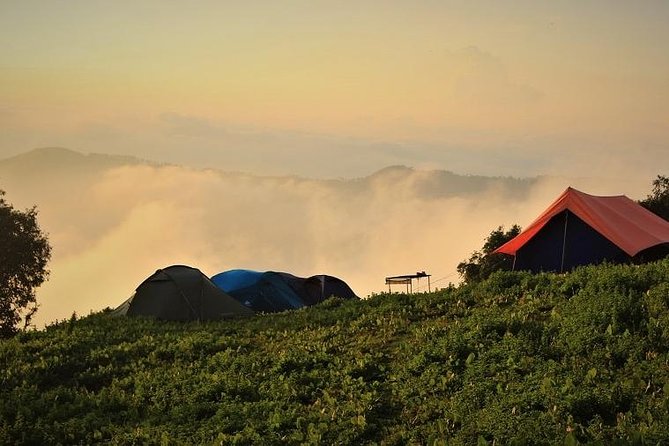
- Kathian Campsite Day 1 hike (about 5–6 km) with a Snake God temple stop
- Named Himalayan views on Day 2 including Mt. Swargarohini and Mt. Bandarpunch
- Small groups, max 20 travelers, which usually makes pacing and communication easier
- Simple tent nights paired with food that’s repeatedly praised as tasty and freshly made
- Trek leader support (I saw strong mentions of leaders like Abhishek, Mukesh Rana, Ramesh, Subodh, and Adarsh)
Pantwari: Your calm base before the climb
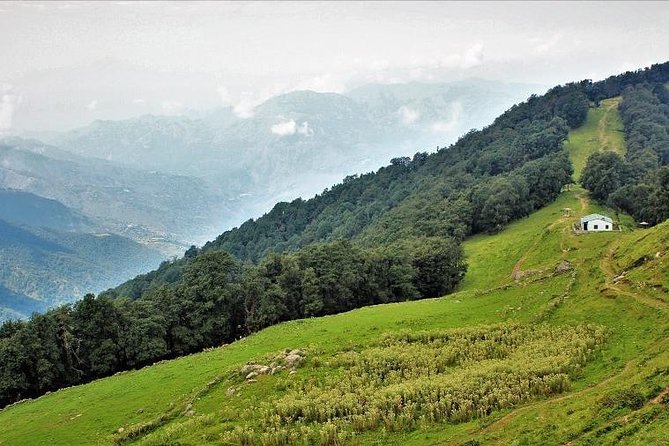
Pantwari is a straightforward starting point, and that matters. You meet at the Nag Tibba trek start location in Pantwari, Uttarakhand, and you finish back at the same meeting point. That loop format is friendly when you only have a weekend and don’t want extra logistics.
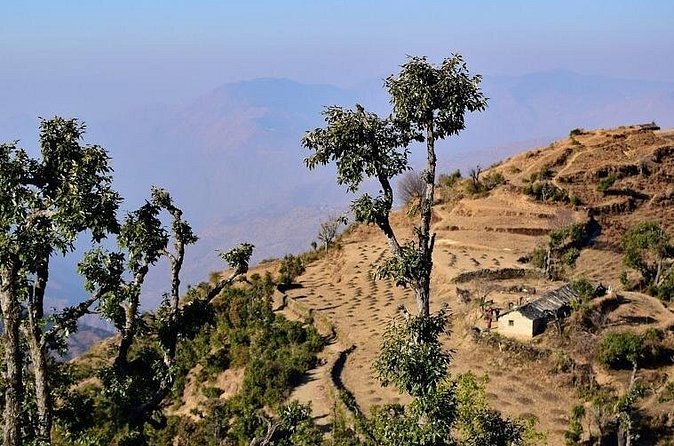
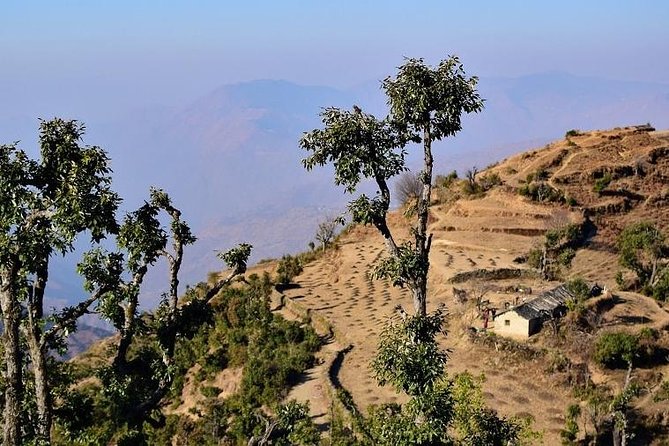
This trek also sits in a border-region feel. The trek experience is tied to both Himachal Pradesh and Uttarakhand in the way it’s marketed and approached, so you’re not just doing a “one-state” hike. You’ll spend time in the forest-to-ridge world that North India weekend trekkers love: air that feels cleaner, fewer people, and a trail that actually changes under your feet.
One more small but important note: it’s designed for groups of up to 20. That keeps the trek from becoming a slow-motion parade, and it can help the leader manage pace, questions, and food timing.
You can also read our reviews of more tours and experiences in Himachal Pradesh and Uttarakhand.
Day 1 to Kathian Campsite and the Snake-God temple stop
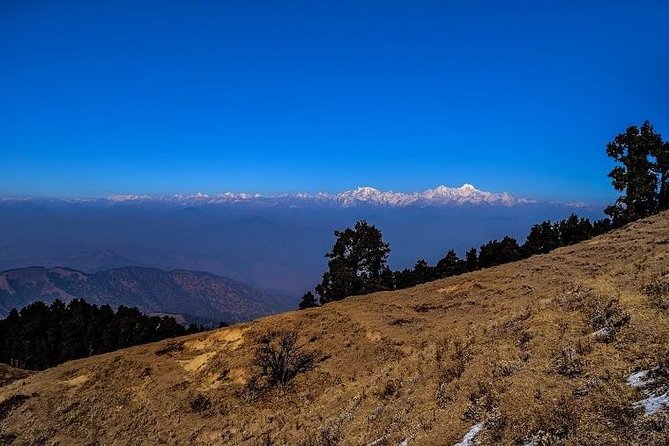
Day 1 is your warm-up with purpose. You trek roughly 5–6 km to Kathian Campsite, which is a nice distance for a first day on a short itinerary. It’s enough walking to feel like you’re earning your night in the mountains, but it’s not an all-day grind.
The best part is the cultural pause: you explore a small temple dedicated to a Snake God. It’s a short stop, but it changes the tone. Instead of walking in a straight line toward a summit, you get a moment of local belief and atmosphere—something you can’t fake with a photo filter.
Also, the temple stop is listed as admission ticket free. That’s one less thing to worry about when you’re trying to keep this weekend simple and good value.
What to watch for on Day 1: even though it’s not the summit day, that first hike can feel steep once you’re on the trail. Your goal should be steady effort, not hero speed. If you pace yourself early, Day 2 will feel less like a shock.
Camp life: simple tents, good food, and leader care
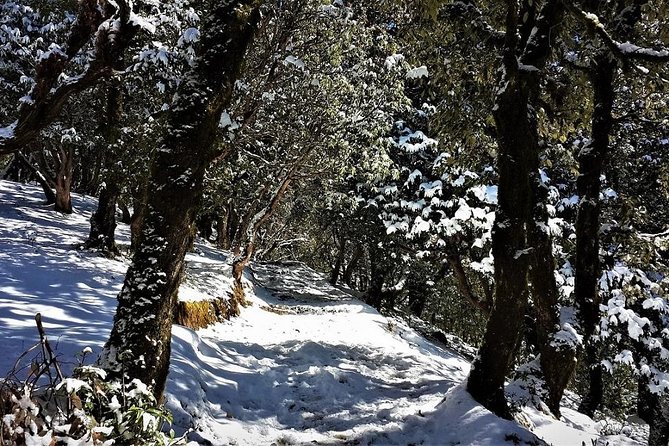
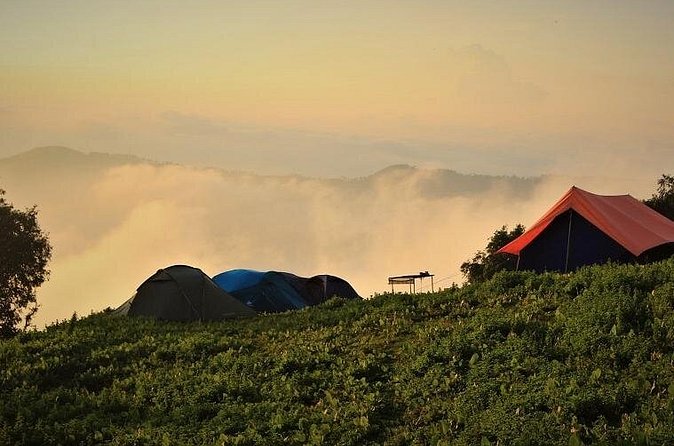
Two-day treks live or die by camp logistics. Here, the camp setup is practical: you sleep in tents, and the accommodation is described as simple but comfortable. In other words, don’t expect luxury, but do expect basic comfort that lets you rest your legs.
Food is a big highlight in the feedback you provided. People praised the meals as freshly made and “super tasty,” even with the reality that cooking happens up in the mountains. On top of that, you’ll hear mentions of hot breakfast and constant attention to hunger and energy.
The trek leader support is another recurring strength. Named leaders like Abhishek and Mukesh Rana are described as motivating and caring, especially when the trek feels difficult. I also saw strong mentions of Ramesh, Subodh, and Adarsh, all coming across as folks who keep the group moving without losing patience.
Camp nights on this kind of route tend to feel quiet and reflective, and the experience you shared includes that evening calm—time to breathe, talk, and reset away from city noise. If you like the idea of a short trek that still gives you a full “mountain stay” feeling, this camp structure helps.
Day 2 to Nag Tibba peak: views you can name
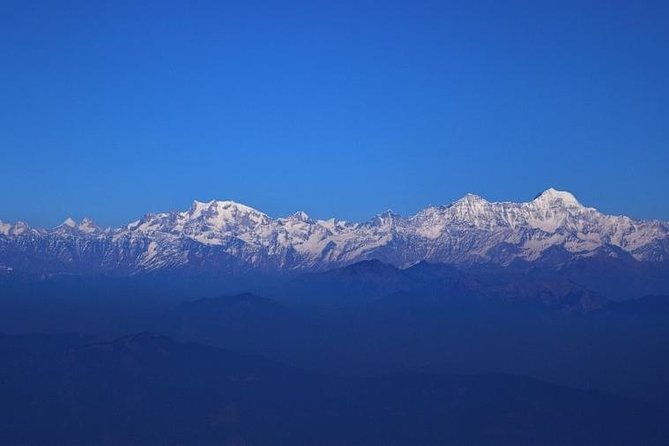
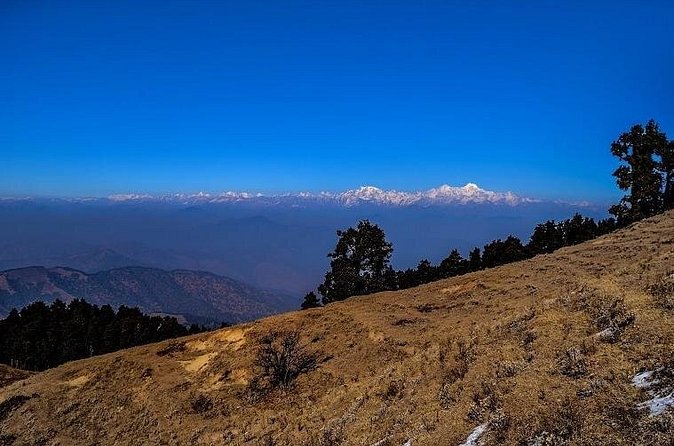
Day 2 is where the trek turns into a reward. You hike up to Nag Tibba Peak, and the payoff is the kind of view list you can actually recognize. You’ll enjoy sights of majestic peaks including Mt. Swargarohini and Mt. Bandarpunch, plus others depending on visibility.
This matters for your enjoyment. Generic summit views are nice, but named peaks make the experience stick. You feel like you’re seeing something real and specific—not just standing in fog with a grin.
The route is shorter than a multi-day trek, so you don’t get numb from hours of walking. It’s more like: go up, pay attention, look for the big angles, then arrive. That’s ideal for a weekend format because it keeps anticipation alive instead of turning the hike into background noise.
What I’d plan for: summit timing and visibility depend on weather. The experience is noted as requiring good weather, which is common for Himalayan viewpoints. If clouds roll in, your views may be less dramatic, but the physical effort still won’t feel wasted because the trail itself and the day’s structure stay satisfying.
How hard is Nag Tibba, really?
This is a moderate fitness trek, not a beginner stroll. The requirement is moderate physical fitness, and even in positive notes, people described it as difficult but rewarding. That lines up with the reality of short-distance mountain hikes: they can be steep, and steep hits your legs fast.
The biggest skill you’ll use is pacing. On Day 1, don’t force long steps. Keep a steady rhythm so you arrive at Kathian Campsite with energy. On Day 2, manage effort early so you don’t burn yourself out before the best viewpoints.
If you’re coming from the North Indian plains, you’ll likely feel the difference in altitude and air quality more than you expect. Even if you’re not chasing technical hiking, your breathing can change. Plan to slow down and drink water regularly.
The other “difficulty” variable is weather. Since the experience depends on good conditions, you might find that cooler months can feel more comfortable for walking, while poor weather can affect the schedule. The good news: a short trek means you’re not stuck for days if weather turns.
Price and value: why $24 can make sense here
Let’s talk value. The trek is priced at $24 for an approx. 2-day experience, and it includes a mobile ticket. For a weekend in the mountains, that’s unusually budget-friendly—especially because the camp experience involves tents and cooking for a group, plus guided trek leadership.
You’re also getting a lot of “quality time per hour.” It’s not trying to fill the schedule with long travel days or extra stops. Instead, most of your time goes into actual hiking days and a camp night that feels like part of the story.
The feedback signal is strong: the trek shows a 4.9 rating with 99% recommended. That doesn’t mean every trek is perfect, but it does suggest that most people walk away feeling supported, fed, and rewarded with views.
One last value note: small group size (max 20) usually improves how quickly issues get handled—pace questions, food timing, and simple coordination during the hike.
Who should book this trek (and who might want a gentler option)
This trek is ideal if you want a weekend mountain reset and you like real hiking more than sightseeing-only travel. If you’re comfortable with moderate uphill walking and you want summit views with recognizable peaks, you’ll probably enjoy the format.
It’s also a good fit for first-time trekkers who can handle a moderate challenge. The feedback you shared includes plenty of “first trek” enthusiasm, and leaders are praised for motivation and care. If you want encouragement when the trail gets steep, this kind of guided support is a big plus.
Who might hesitate: if you’re dealing with injuries, if you hate steep climbs, or if moderate hiking already feels out of your comfort zone, you may find the effort too demanding for a two-day schedule. In that case, consider a gentler trek option with less elevation stress.
Should you book Nag Tibba 2 Days (Pantwari to Pantwari)?
If you want a compact Himalayan weekend with real walking, a cultural temple stop, simple tent comfort, and summit views you can name, I’d book this. The price makes it low-risk, and the structure keeps it focused: Day 1 hike to Kathian Campsite, Day 2 climb to Nag Tibba Peak with big views.
If you’re only looking for an easy stroll with minimal effort, the moderate fitness requirement is your warning label. Go anyway only if you’re honest with yourself about uphill walking and you’ll pace carefully.
Given the strong overall rating and the repeated praise for food and leader support, this is the kind of trek that fits well when you want mountains without turning the weekend into a logistics project.
FAQ
How long is the Nag Tibba 2-day trek?
It’s listed as 2 days (approx.).
Where do I start and where does the trek end?
The trek starts at Pantwari Nagtibba trek Start in Uttarakhand and ends back at the same meeting point.
Do I need to pay for the Snake God temple stop on Day 1?
No. The temple stop on Day 1 is listed as admission ticket free.
What fitness level do I need?
The experience is recommended for travelers with moderate physical fitness.
How large is the group?
The trek has a maximum group size of 20 travelers.
What happens if weather is bad?
The experience requires good weather. If it’s canceled due to poor weather, you’ll be offered a different date or a full refund.