REVIEW · ALMATY
Ancient petroglyphs of Tanbaly – UNESCO World Heritage
Book on Viator →Operated by NEOmad · Bookable on Viator
Petroglyphs make time feel close. This day trip takes you to UNESCO World Heritage rock carvings at Tamgaly Gorge, set across hills, canyons, and stone-strewn paths. You’ll spend the day looking at petroglyph groups from the Bronze Age all the way into the 13th–14th centuries, with enough guidance to actually understand what you’re seeing.
Two things I like a lot: first, the on-the-ground interpretation. Guides such as Nursultan (and other English-speaking guides named in the tour feedback) help you pick out carvings you’d otherwise miss, and they explain what they may have meant in daily life and ritual. Second, the setting. Even before you focus on the art, the museum-reserve feels like a real archaeological site, not a photo stop.
One possible drawback: it’s an outdoor visit with no shaded areas mentioned in the feedback, so bring sunscreen and plan for sun. You’ll also do a bit of walking on uneven ground, so moderate fitness helps.
In This Review
- Key highlights at Tanbaly (Tamgaly Gorge)
- Morning Drive to Tamgaly Gorge: Why the Journey Matters
- UNESCO Petroglyphs: What You’ll Actually See in 3 Hours
- How the Guided Walk Helps You Not Miss the Good Stuff
- What the Transport and Comfort Add Up to
- Outdoor Reality Check: Sun, Heat, and Walking
- Lunch and Snacks: Plan Around What’s Not Included
- Price and Value: Is $131.12 Worth It?
- Who This Trip Is Best For (and Who Might Want Something Else)
- FAQ
- FAQ
- How long is the Tanbaly (Tamgaly Gorge) petroglyph tour?
- What does the tour include?
- Is hotel pickup offered?
- What should I bring if lunch isn’t included?
- Is the tour suitable for people with mobility limits?
- What happens if the weather is bad?
- Should You Book This UNESCO Petroglyph Day Trip?
Key highlights at Tanbaly (Tamgaly Gorge)
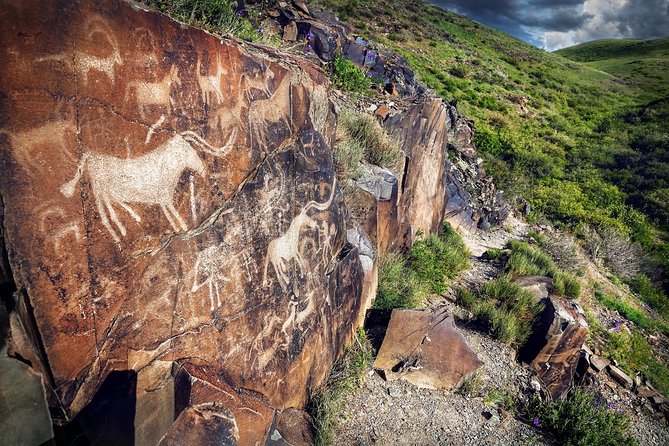
- UNESCO World Heritage status at a major rock-art complex in Kazakhstan
- 3 hours on-site at Tamgaly Gorge, with admission ticket included
- Petroglyphs across multiple eras, from Bronze Age to 13th–14th century
- Spot-and-understand guidance from English-speaking guides (Nursultan is specifically praised)
- AC transport + bottled water (1.5L/person) for a long day
Morning Drive to Tamgaly Gorge: Why the Journey Matters
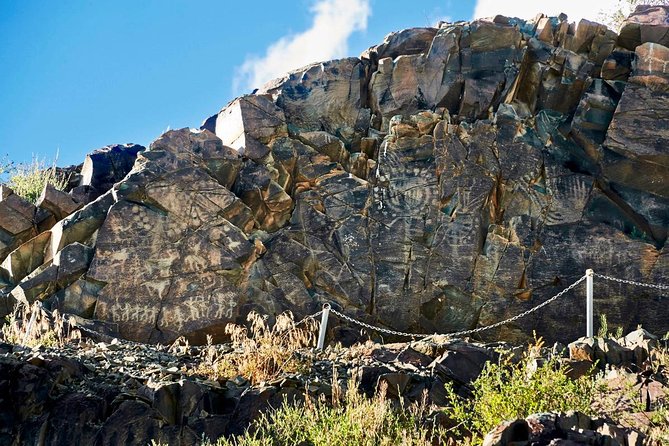
This is a morning trip from Almaty. You get pickup, then you’re on the road for about 2.5 hours before you reach the museum-reserve area. That drive isn’t just transit—it buys you time to shift gears from city life into the slow pace of an archaeological landscape.
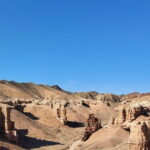
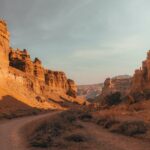
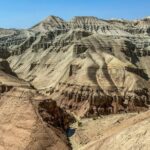
Once you arrive, you’re on a large property with hills, canyons, and rocky terrain. The tour isn’t about one lone carving panel. It’s about moving through a complex where different eras are grouped across the site. That means you’ll likely feel the scale of what was recorded there—over and over again—by communities separated by centuries.
A practical note: because the total day is about 8–9 hours, you’ll want to treat this like a full outing. If you’re the kind of traveler who needs frequent breaks, plan for them mentally. If you like a steady rhythm—drive, arrive, focus, walk, and wrap up—you’ll probably enjoy the flow.
You can also read our reviews of more tours and experiences in Almaty.



UNESCO Petroglyphs: What You’ll Actually See in 3 Hours
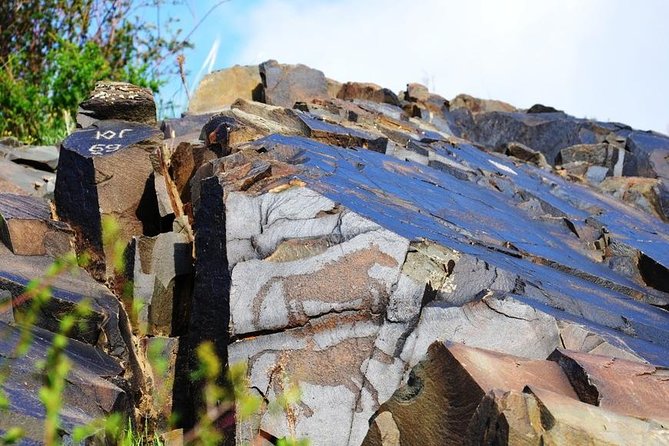
The core of the day is the Tamgaly Gorge museum-reserve, and the tour schedule gives you about 3 hours there. The admission ticket is included, so you’re not doing extra admin on-site.
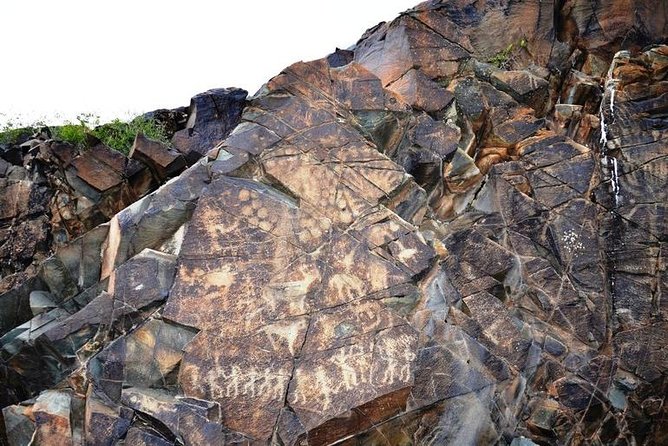
What makes Tamgaly special is that it’s a multi-era archive. The petroglyphs cover several time intervals, starting from the Bronze Age and moving into the 13th–14th centuries (13th–14th century is stated for the later period). In plain terms: you’re not just looking at “old art.” You’re comparing different layers of human expression in the same wider place.
You’ll observe all the available petroglyph groups on the tour route. That matters because rock art can be hard to read when it’s spread out. If you’re walking around on your own, it’s easy to see “lots of carvings” without understanding patterns. With a guide, you get help turning random lines and figures into something more structured—like recognizing that different groups likely belong to different eras and ways of life.
Also, this isn’t just about the art itself. The tour description emphasizes learning about life across time, from what bronze-age communities may have valued to later periods whose carvings are documented into medieval centuries. That’s where guided interpretation can really change your experience.
How the Guided Walk Helps You Not Miss the Good Stuff
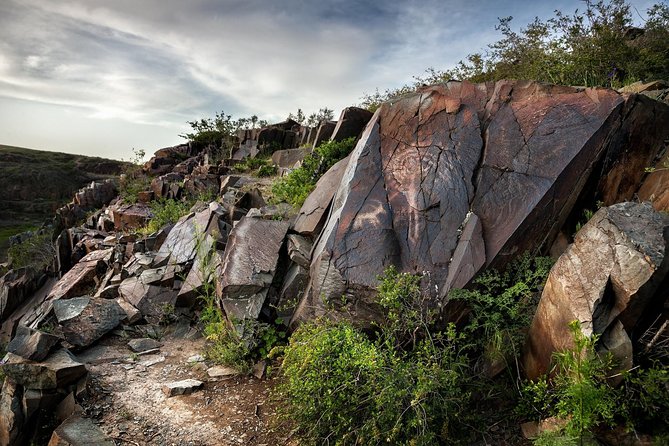
Here’s where this tour earns its strong ratings: the guides don’t just point at rocks. They interpret.
In multiple feedback notes, guides named Nursultan and Noor Sultan are praised for strong English and for pointing out petroglyphs that someone might otherwise miss. That’s huge at sites like this, because many images aren’t “obvious” from the first glance. They can be faint, small, or blended into the rock texture.
One guide-style detail that comes through in the feedback is explanation quality. The guidance includes the petroglyphs themselves, but also how rituals may have been connected to the site. That can add a layer beyond “this is old.” Instead of treating carvings like museum objects behind glass, you start to see them as part of a lived setting—something people came to, looked at, recorded, and returned to.
If you care about context (and you want your photos to mean something later), you’ll likely enjoy this approach. If you’re only chasing the biggest, clearest figures, you can still enjoy it—but you’ll get more satisfaction from the guided method.
What the Transport and Comfort Add Up to
The day includes private transportation in an air-conditioned vehicle, plus bottled water (1.5L per person). That’s not a luxury add-on—it’s a practical one. A long day with a drive plus walking on rocky ground can wear you out, especially in warmer months.
Because the tour is private (only your group), you’re not dealing with a constant stream of strangers or the chaos that sometimes comes with joining random public-group departures. That can make it easier to hear your guide and to keep a steady pace that fits your group’s comfort level.
The downside is simple: it’s still a full-day schedule. If you’re traveling with tight timing, consider that the total time is about 8–9 hours. If you love flexibility, you may prefer a shorter option. But if you want a single, well-run outing that covers a UNESCO site without the headache of getting there independently, this structure is a good fit.
Outdoor Reality Check: Sun, Heat, and Walking
This tour is weather-dependent and outdoors most of the time at the reserve. The feedback points out that there are no shaded areas to rely on, especially relevant for sunny summer days. So do this like a pro: pack sunscreen, wear a hat, and bring water habits that make sense for the heat.
Moderate physical fitness is recommended. You don’t need athletic training, but you should be comfortable walking over uneven rocky terrain and spending time outdoors.
Also, keep expectations realistic. This isn’t a stop where you hop out for 20 minutes, snap photos, and return. You’re spending 3 hours at the site and taking in carvings across a broad area. That’s why sunscreen and comfortable footwear matter as much as your camera.


Lunch and Snacks: Plan Around What’s Not Included
Lunch isn’t included. The good news: you can take some snacks or a lunch box with you. The tour also mentions you can stop at a local roadside café.
My practical advice: don’t treat “lunch options” as something you’ll want to gamble on in the moment. Bring at least a snack you trust. Even if you eat later at a roadside café, having something small in your bag keeps energy up during the walk.
This is especially important because the tour runs a long day. When you’re dehydrated or hungry, even a fascinating site can start to feel like work. With water included and snacks planned, you’ll stay in the right mood for slow looking.
Price and Value: Is $131.12 Worth It?
At $131.12 per person, this sits in the mid-range for a day trip that includes transport, a professional guide, and ticketed access to a UNESCO site. The value question isn’t the price alone. It’s what you’re buying with it.
You’re paying for:
- A long drive handled for you (pickup and private transportation in AC)
- A professional guide with strong English interpretation
- Admission included for Tamgaly Gorge
- On-site time (about 3 hours) to actually see multiple petroglyph groups
- Bottled water to help you manage the outdoors
And there’s another value angle that’s easy to miss: getting to this kind of site can be difficult without organized help. The feedback highlights that the tour choice was partly driven by the lack of easy public transportation. When you factor in time, stress, and the cost of figuring out transport on your own, organized value often looks better than you’d expect.
If you’re a solo traveler or couple, private transport can feel expensive—until you realize it’s basically buying you a guided day with less uncertainty. If you’re comparing to a DIY plan, do the math on your time and transportation effort, not just the ticket.
Who This Trip Is Best For (and Who Might Want Something Else)
You’ll probably love this tour if:
- You want context for rock art, not just photos
- You like a guide who helps you find carvings and understand eras (Bronze Age through medieval periods)
- You prefer an organized day when getting there on your own is tricky
- You appreciate sites recognized as UNESCO World Heritage, not only famous monuments in cities
You might think twice if:
- You hate sun and don’t want to plan for it (there’s limited/no shade mentioned)
- You’re looking for a short visit. This is a full-day outing
- You’re very sensitive to walking on uneven ground, since moderate fitness helps
FAQ
FAQ
How long is the Tanbaly (Tamgaly Gorge) petroglyph tour?
It runs about 8 to 9 hours total. You spend around 3 hours at Tamgaly Gorge.
What does the tour include?
Included items are air-conditioned vehicle transport, private transportation, bottled water (1.5L per person), admission ticket for Tamgaly Gorge, all fees and taxes, and a professional guide.
Is hotel pickup offered?
Yes. Pickup is offered in the morning from your hotel.
What should I bring if lunch isn’t included?
Lunch isn’t included. You can bring snacks or a lunch box, and the tour notes you can also stop at a local roadside café.
Is the tour suitable for people with mobility limits?
The tour recommends moderate physical fitness. Since it’s outdoors on a large reserve with rocky terrain, comfortable walking ability helps.
What happens if the weather is bad?
This experience requires good weather. If it’s canceled due to poor weather, you’ll be offered a different date or a full refund.
Should You Book This UNESCO Petroglyph Day Trip?
I think you should book it if you want one focused day that combines UNESCO recognition, real rock art across multiple centuries, and guidance that helps you understand what you’re seeing. The best part isn’t only the petroglyphs—it’s that a strong English-speaking guide like Nursultan (and similarly praised guides) helps you spot details and connect them to how people lived and practiced rituals.
Just go in prepared for sun and an outdoor, walk-and-look pace. If you bring sunscreen, snacks, and comfortable shoes, you’ll get a much better day than if you treat it like a quick drive-by.
If your schedule allows and you’re interested in Kazakhstan’s ancient stone carvings, this is an easy yes. It’s structured, ticketed, and made to help you actually read the rocks.