REVIEW · ALMATY
Alpine Climbing around Almaty Multi Day Tour
Book on Viator →Operated by Silk Road Guiding · Bookable on Viator
Mountain mornings near Almaty feel like a reset button. This guided alpine climb pairs a staged approach day with a second-day push into Zailijskij Alatau, with route difficulty picked to match your ability. You also get a day-1 warmup through well-known stops like Medeo and Shymbulak before the real climbing starts.
I particularly like how the certified guide customizes the plan for you. One guide named Katya stands out for expert local know-how and very clear English, which makes it easy to understand what you’ll do next and why.
The main thing to consider is weather. This is an outdoors climbing experience, and plans depend on conditions, plus some personal climbing gear is not included, so you’ll want to show up ready.
In This Review
- Key Takeaways: What Makes This 2-Day Climb Work
- Getting Oriented at Medeo and Shymbulak
- Day 1 Approach: How the Mountains Teach You Before You Climb
- Tuyuk-Su Alpine Camp: Overnight Comfort in the Middle of Nowhere
- Day 2 in Zailijskij Alatau: Scramble Easy or Go Above 4000m
- Climbing Gear: What’s Provided vs. What You Bring
- Logistics in Almaty: Pickup, Timing, and Private Group Flow
- Weather-Driven Route Changes: How the Guide Keeps You Moving
- Value for $384.40: What You’re Actually Paying For
- Should You Book This Alpine Climbing Tour Around Almaty?
- FAQ
- What time does the tour start?
- Is pickup available?
- What difficulty level should I be in?
- What climbing gear is included?
- What food is provided?
- What happens if weather is bad?
Key Takeaways: What Makes This 2-Day Climb Work
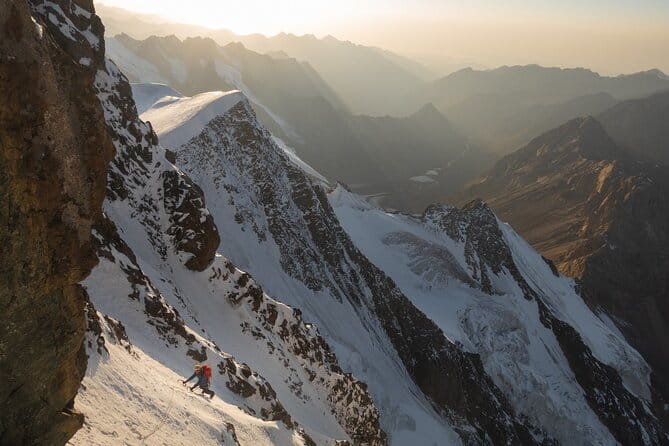
- Two-day pacing: a first-day approach and an early second-day summit or near-summit objective
- Choose your effort: from easier scrambling to a more challenging route, potentially above 4000m
- Overnight at Tuyuk-Su camp: tent or a cozy dorm-style option, depending on the setup
- Real climbing support included: group gear like rope and protection hardware is provided
- Strong guiding in the mix: English support is available, and options are explained clearly
- Weather changes the plan: you’ll need flexibility when mountain conditions shift
Getting Oriented at Medeo and Shymbulak
Day one starts in a very practical place: the parking lot of the Medeo ice skating rink, around a 7:00 am start. You’ll meet there, get oriented, and you’ll even get some context about Medeo before you head higher. It’s a good way to kick things off because you’re not spending your morning trying to figure out where to go.
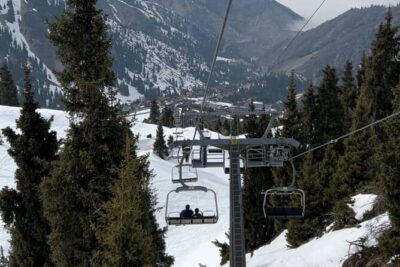
After that, the route climbs toward Shymbulak, the biggest ski resort in Central Asia. Even if you’re not there to ski, it’s a useful staging point. You get a quick look at how the mountains shape the area, and it sets expectations for the scale of what’s coming. The stop is short, but it matters for this kind of tour because you’re preparing your body and your mind for altitude and effort.
What I like about starting with these stops is that you get the familiar city-edge view of Almaty, then the day turns into a mountain day. You’re not just dropped into gear and told to figure it out. The guide talks you through the plan and you’ll see how the terrain changes as you move upward.
The one drawback here is timing. You’re committing to an early start day, and the first leg is mostly a transfer with a couple of quick viewpoint windows. If you love slow mornings, this tour will push you into getting up early. If you’re fine with that, it’s a small trade for getting mountain time.
You can also read our reviews of more tours and experiences in Almaty.
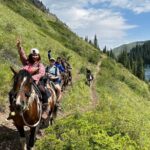
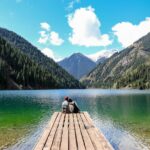
Day 1 Approach: How the Mountains Teach You Before You Climb
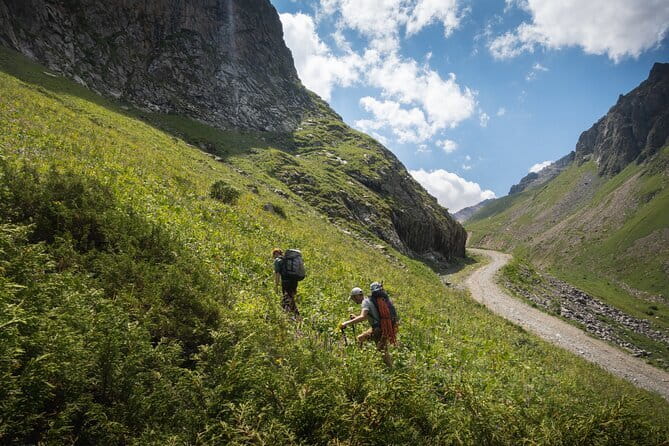
Day one is built around the idea of an approach day. Instead of going straight for the biggest objective, you head into the mountains to set up your overnight at Tuyuk-Su alpine camp. That pacing is smart for two reasons: your body has time to adjust to higher elevations, and you get time for the guide to set expectations based on conditions and your ability level.
Depending on your objective, you’ll spend the night either in tents or in a cozy dormitory style setup at Tuyuk-Su alpine camp. That choice can make a big difference in how you feel for the second day. A tent night can feel more rugged and alpine, while the dorm option is often what people want when they’d rather save energy and sleep comfortably.
You’ll also eat like someone is thinking about your climb, not just feeding you. Breakfast, lunch, and dinner are included. That matters on a two-day trip where you don’t want to spend time hunting food between altitude changes. It also helps because your day two depends on having enough fuel for an early push.
On day one, you’re not just traveling. You’re moving toward the base of tomorrow’s climbing. Think of it like taking practice steps into the climbing world—closer to real altitude, real terrain, and real mountain decision-making.
The tour includes private transportation and parking fees, so you’re not coordinating logistics while tired. And because this is a private activity with only your group participating, you’re less likely to feel rushed or shuffled around by unrelated schedules.
Tuyuk-Su Alpine Camp: Overnight Comfort in the Middle of Nowhere
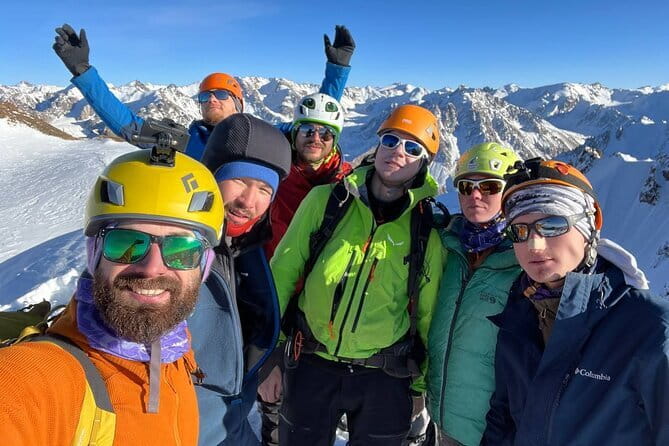
Tuyuk-Su alpine camp is the hinge of the entire experience. It’s the point where day one transitions from approach to sleep, and sleep becomes the fuel for day two. The tour design gives you two overnight styles: tents or a dormitory. If you’re the type who likes simple, outdoor-adjacent nights, tents will feel right. If you want a bit more warmth and convenience, the dorm option usually feels like a win.
The camp stay also helps you avoid the exhausting alternative: driving in the morning and trying to climb the same day. Instead, you’re already positioned in the mountains. That typically means a smoother second day because you’re not starting from scratch.
Another thing you’ll feel here is group energy. Even though you’re climbing, this is still a social alpine trip: you share meals, you listen to the guide explain tomorrow’s goal, and you get to ask questions. One strong point from the experience is how clearly the guide can communicate options and what they mean for you. Katya’s approach, including offering multiple route options and explaining them well in English, is the kind of guidance that makes this overnight feel less stressful.
What to consider: you’re sleeping in an alpine environment. Even with the dorm option, expect conditions to be less like a hotel. The tour includes dinner and breakfast, which helps, but your comfort will still depend on what the mountain night is doing.
Day 2 in Zailijskij Alatau: Scramble Easy or Go Above 4000m
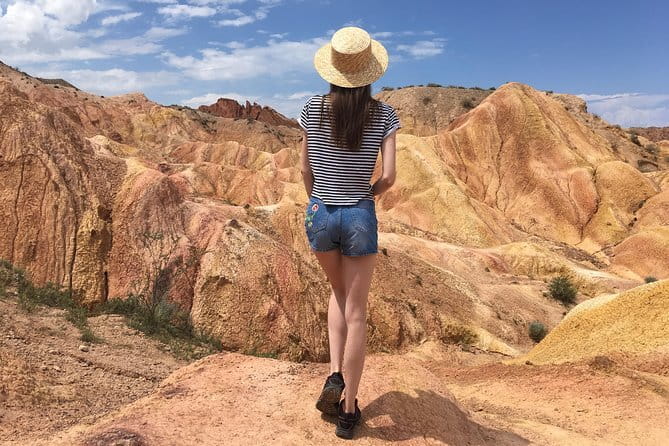
The second day begins early, because that’s how you stay on schedule for climbing. You wake up and head higher toward the ridge near Almaty, Zailijskij Alatau. The objective you do depends on weather and your preferences. That flexibility is one of the best parts of this tour, because it means the guide is not forcing one fixed route on everyone.
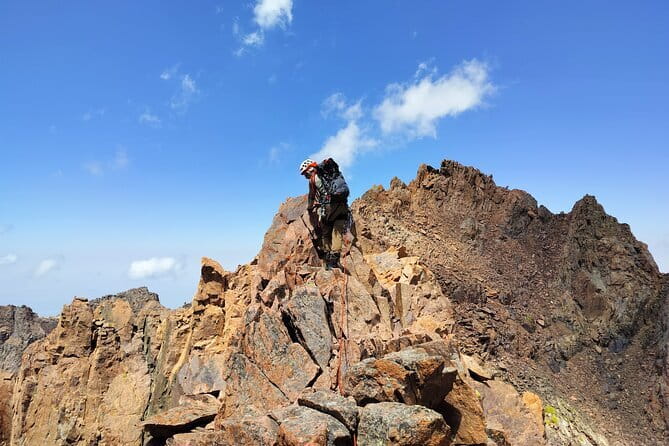
You can choose between an easier plan—scrambling to the nearest peak—or a more challenging route that can go above 4000m. That range is important. It’s not a mild hike with a climbing label. It’s actual alpine climbing where the guide can shift your goal based on conditions and your comfort level.
And the promised payoff is real: stunning views from the top. Even if you don’t chase altitude for bragging rights, you’ll remember the effort when you look out across the mountain ridge. At this elevation band, the sense of scale hits you fast.
The day is also long enough that you’ll notice the value of what’s included. You’re not carrying the heavy technical gear. Rental of group climbing gear is part of the tour, including items like rope, pitons, ice screws, and cams. That kind of support lets you focus on the climb itself instead of worrying about how to source gear on short notice.
The tour duration is listed at about 2 days, and day two is where the time gets concentrated. Expect about 3 hours at the Zailijskij Alatau peak objective window, depending on weather and the chosen route.
Climbing Gear: What’s Provided vs. What You Bring
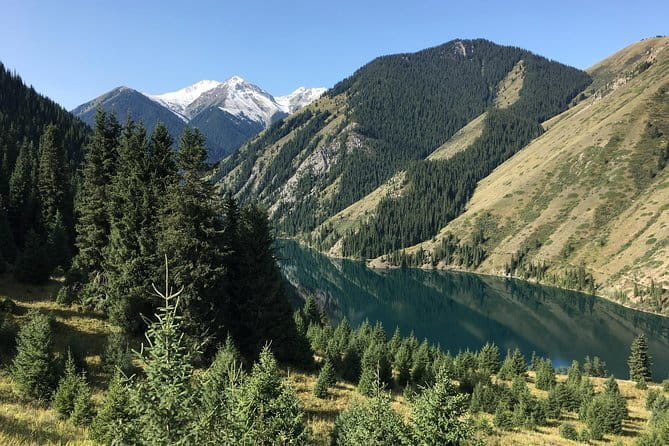
This tour splits gear into two buckets: group gear and personal gear. That distinction is critical, because people often assume everything they need is included.
Included group gear covers the technical stuff used for protection and climbing systems: rope, pitons, ice screws, and cams, plus the tour provides rental of that group climbing equipment. In other words, you’re not expected to bring the climbing “hardware.”
Personal climbing equipment is not included. The tour specifically notes that you’ll need your own helmet, harness, carabiners, and similar items if you already have them. If you don’t have them, rental options may be available, but that’s something you’ll want to confirm when you book.
If you’re new to climbing, this is a good moment to ask questions ahead of time: do you have the exact items the guide expects for the chosen objective? This matters more than brand names. Safety and correct fit matter.
Also, the guide is a certified guide and communicates in English, Russian, or Ukrainian. That matters when you’re learning how to move efficiently and safely on rock or snow-ice terrain. Clear communication reduces confusion, and confusion is the enemy of good technique.

Logistics in Almaty: Pickup, Timing, and Private Group Flow
You get private transportation, parking fees covered, and a meeting point that’s easy to find by public transport. The tour is private, meaning only your group participates. That usually translates to less waiting, fewer schedule conflicts, and more direct guidance.
Pickup is offered, but it’s handled as part of the tour arrangement, not something you should assume is automatic. If pickup matters to you, confirm it while booking so you don’t arrive thinking you’ll be picked up and then have to improvise.
Timing is tight and intentional. The stated start time is 7:00 am, and day two begins early as well. This is not a late-morning adventure. You’re going when the mountains are most workable and when plans still have room for weather adjustments.
The tour uses a mobile ticket, which is a practical touch. It keeps your paperwork simple and reduces the chance you’ll misplace something important on a quick start day.
On the group side, there are group discounts. If you’re traveling with friends or family, this can make the climb feel more like good-value adventure instead of a premium add-on.
Weather-Driven Route Changes: How the Guide Keeps You Moving
Because this is climbing in the mountains, weather is not a side note. It directly shapes what you do. The tour is designed to respond to conditions by choosing proper objectives based on weather on day two.
The schedule is not rigid in the way a theme-park itinerary is. If conditions make a certain climb unsafe or impractical, the guide shifts your goal to match what the day allows. That’s one reason the tour works for mixed skill levels: the guide can adjust between easier scrambling and a more demanding route above 4000m.
The tour also has a plan for poor weather. If it gets canceled due to weather, you’ll be offered a different date or a full refund. That reduces the stress of booking a mountain experience, because you’re not stuck hoping the sky plays nice.
Practical takeaway: if you’re booking during a period when weather changes quickly, you should plan to stay flexible and avoid travel commitments that are too close to the start time.
Value for $384.40: What You’re Actually Paying For
At $384.40 per person for about two days, this isn’t a budget stroll. But it can be good value when you look at what’s included.
You’re getting:
- Guide time across two mountain days (certified guide)
- Private transportation and parking fees
- Meals for the full trip (breakfast, lunch, dinner)
- Rental of group climbing gear, including key protection equipment
- Overnight at Tuyuk-Su alpine camp (tent or dorm option)
That mix is why the price can make sense. A lot of the cost in alpine climbing isn’t just the guide. It’s the gear, the logistics, and the risk management. Here, the tour covers group climbing equipment, which is expensive and annoying to obtain for a single trip.
The only extra costs you may face are personal climbing gear items like helmets and harnesses. But that’s normal for climbing. If you already own the basics, your total trip cost stays closer to the tour price.
If you’re the kind of traveler who likes mountain experiences with real structure, this is a solid deal. If you’re trying to do the cheapest possible version of the climb, you’ll likely find cheaper options. But you’ll be giving up part of what makes this tour smooth: the guided planning, the gear support, and the paced two-day format.
Should You Book This Alpine Climbing Tour Around Almaty?
I think you should book if you want a guided alpine climb that’s structured, flexible in difficulty, and supported with real gear. This fits well if you can handle moderate physical fitness and you’re open to early starts. It also fits if you value communication from a guide who can explain your options clearly, which is a recurring strength with Katya’s guidance.
Skip it or reconsider if weather timing would be a problem for your schedule, since mountain conditions matter and plans may shift. Also be honest about your personal gear situation. Since helmets, harnesses, and carabiners aren’t included, you’ll either need to bring them or confirm rental options.
If you want an experience that balances adventure with organization, this one hits the sweet spot: approach day, camp overnight, then a second-day objective at Zailijskij Alatau with views as the reward.
FAQ
What time does the tour start?
The activity starts at 7:00 am, with the meeting point at the parking lot of the Medeo ice skating rink.
Is pickup available?
Pickup is offered. It’s part of the tour arrangement, so you’ll want to confirm details when you book.
What difficulty level should I be in?
You should have moderate physical fitness. The guide chooses an objective based on your preferences and ability level.
What climbing gear is included?
The tour includes rental of group climbing gear such as rope, pitons, ice screws, and cams. Personal climbing equipment like a helmet, harness, and carabiners is not included.
What food is provided?
Breakfast, lunch, and dinner are included. Vegan and halal food, or food suitable for allergies, can be provided if requested.
What happens if weather is bad?
This experience requires good weather. If it’s canceled due to poor weather, you’ll be offered a different date or a full refund.